
Nothing lasts forever, and this is becoming especially true as technology keeps developing. Thanks to environmental concerns or the rise of digital items, many everyday things are becoming obsolete. You might want to take a moment to remember these 20 items, as they won’t be around for much longer.
Landline Phones
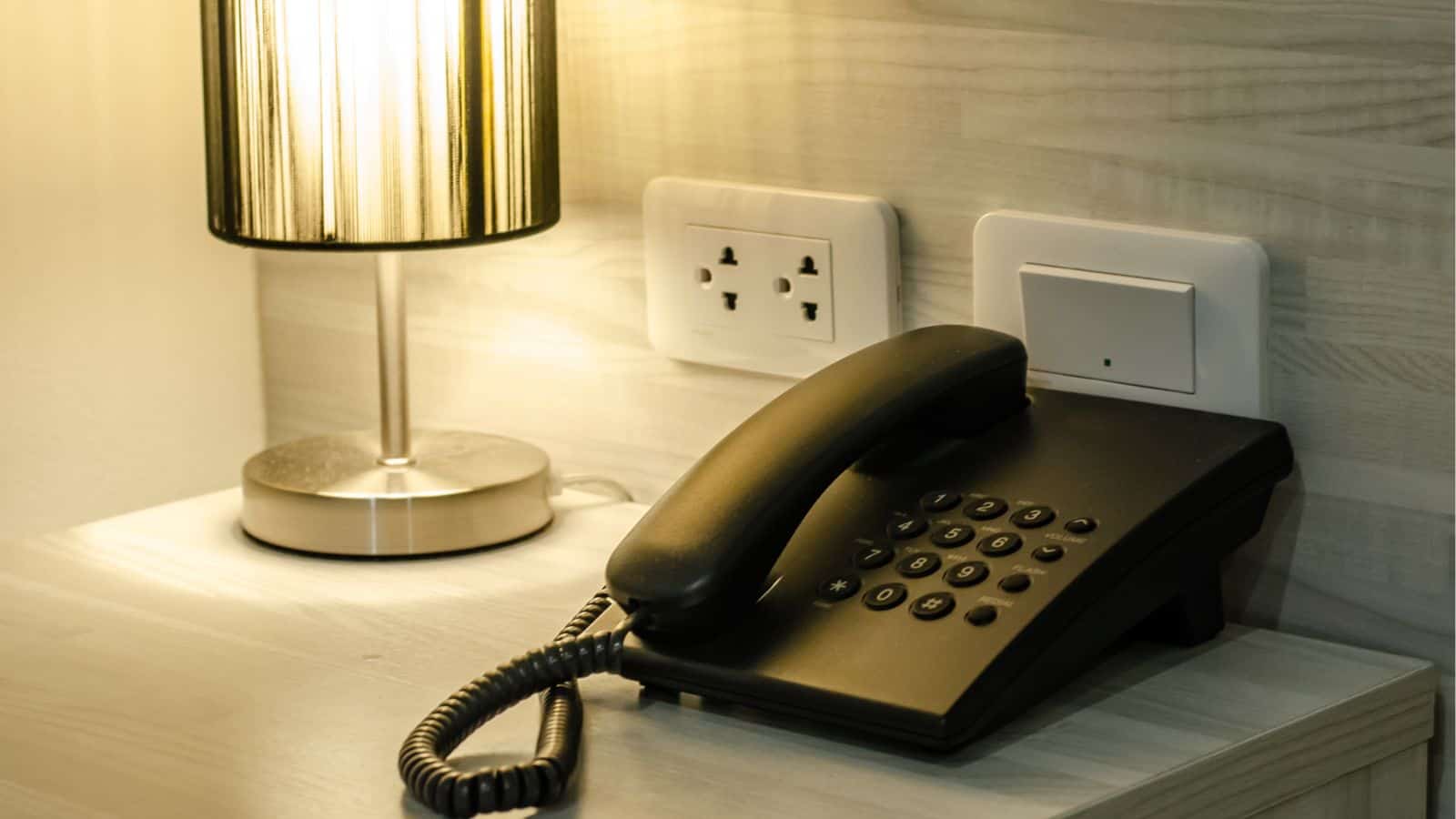
Think back to a time when every household had a landline phone and you’ll realize it was the center of communication. These days, though, cell phones have made landlines practically useless. Fewer people are paying for them, and younger generations don’t see the point of having a home phone when they carry a smartphone everywhere.
Paper Maps

If you’ve ever unfolded a giant paper map while trying to navigate a road trip, you know how much effort it took to find your route. But thanks to smartphones and GPS, paper maps have become nearly extinct. Apps like Google Maps and Waze provide real-time traffic updates, step-by-step directions, and automatic rerouting, making old-fashioned maps unnecessary.
Fax Machines
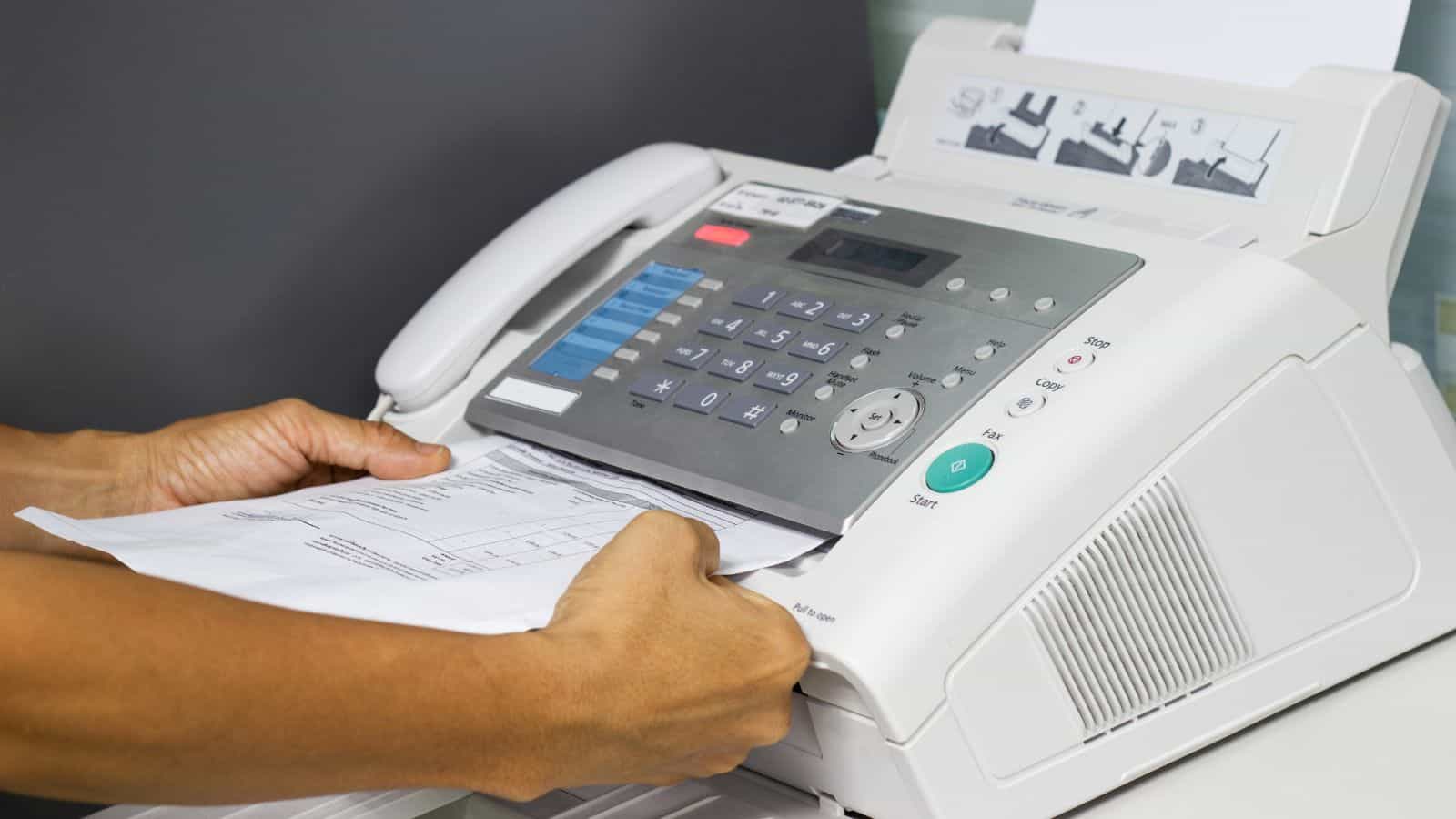
Not too long ago, fax machines were a staple in offices, used for sending documents quickly over a phone line. But with the rise of email, digital signatures, and cloud storage, faxing is no longer necessary.
Government agencies and some industries still require faxing for legal purposes, but even they are slowly transitioning to digital alternatives.
Physical Checkbooks

Once upon a time, checkbooks were a daily necessity where people used them to pay rent, bills, and even for groceries. But with online banking, mobile payments, and direct deposits, writing checks is becoming a rare habit. Some businesses no longer accept personal checks, and younger generations rarely even learn how to write one.
Cable TV

There was a time when flipping through channels to find something to watch was a normal part of life. With streaming services, fewer people are paying for cable TV and cord-cutting is on the rise. The convenience of on-demand content, fewer commercials, and lower prices make streaming the obvious choice.
CD and DVD Players
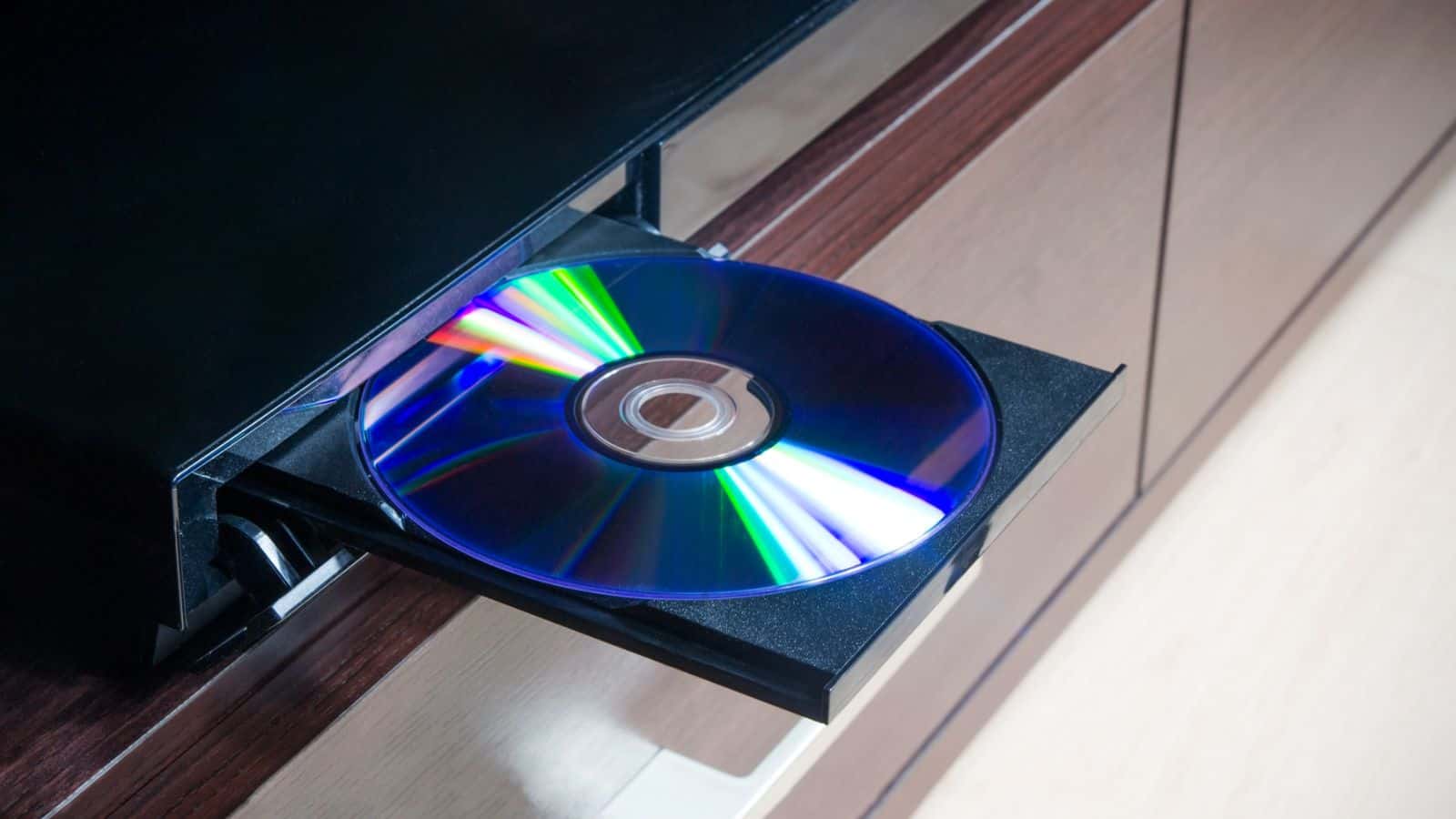
Remember the excitement of buying a new CD or DVD, carefully placing it in the player, and enjoying your favorite music or movie? Well, that experience is quickly disappearing. With the rise of streaming services, physical media has become nearly obsolete.
Most new laptops don’t even come with disc drives, and stores that once dedicated aisles to CDs and DVDs are shrinking their inventory.
Pay Phones

At one point, pay phones were everywhere, such as street corners, in airports, and at gas stations. If you needed to make a call while out and about, you dropped in a few coins and dialed away. But now that nearly everyone carries a mobile phone, pay phones have become useless.
Handwritten Letters

A few decades ago, sending and receiving handwritten letters was one of the most meaningful ways to stay in touch. But in today’s world, emails, texts, and video calls have taken over.
While handwritten notes still have sentimental value, they’re no longer the primary way people communicate. The time and effort it takes to write, send, and wait for a response simply doesn’t fit into today’s fast-paced digital world.
Alarm Clocks

Back in the day, almost everyone had a digital alarm clock sitting on their nightstand and waking up to a loud buzzer or radio station was just part of the morning routine. But with smartphones offering built-in alarms, separate alarm clocks have become unnecessary.
Cash and Coins

There’s no denying that carrying physical money used to be the norm, but now, cash is slowly disappearing. Credit cards, mobile payment apps, and contactless transactions have taken over. Many businesses are even going cashless, and younger generations rarely carry bills or coins. Even vending machines, parking meters, and public transit systems are switching to digital payments.
Printed Newspapers

A while back, grabbing a newspaper in the morning was part of a daily routine. People would sit with their coffee, flipping through pages to catch up on current events. Now, digital news has taken over. With websites, social media updates, and mobile apps delivering real-time news, fewer people are subscribing to print editions.
Movie Rental Stores

A trip to Blockbuster or the local rental store used to be an exciting part of a weekend. But streaming services have eliminated the need for physical rentals. With thousands of movies available at the click of a button, video rental stores have no place in today’s world.
Paper Tickets

You might still be able to remember that holding a paper ticket in hand once felt like an essential part of attending concerts, movies, or sporting events. However, with mobile ticketing on the rise, paper tickets are becoming unnecessary. The transition to digital tickets reduces waste and speeds up check-ins, making it a more efficient system.
Standalone GPS Devices

Just a mere decade ago, standalone GPS devices like Garmin and TomTom were must-haves for drivers. They provided turn-by-turn navigation, helping people find their way without needing paper maps. But once smartphones added GPS capabilities, standalone navigation systems quickly became obsolete.
Public Libraries

The image of a quiet library filled with books, card catalogs, and study desks is slowly evolving. While libraries still exist, they’re shifting toward digital services, offering e-books, audiobooks, and online research tools instead of just physical books.
Many now serve as community centers with technology access, meeting spaces, and educational workshops.
Home Landfills and Trash Burning

It’s crazy to think that there was a time when people handled their own waste by dumping trash in personal landfills or burning it in their backyards. But with increased environmental awareness and stricter waste management policies, those practices are disappearing. Recycling programs, composting, and improved garbage collection systems are making old waste disposal methods obsolete.
Photobooths

Can you remember when photobooths were a staple in malls, amusement parks, and arcades? People loved stepping inside, striking poses, and walking away with a strip of printed pictures. But with smartphones and instant filters, there’s little need for traditional photobooths anymore.
Social media apps and high-quality phone cameras have made it easier than ever to take and share pictures instantly.
Traditional Mailboxes
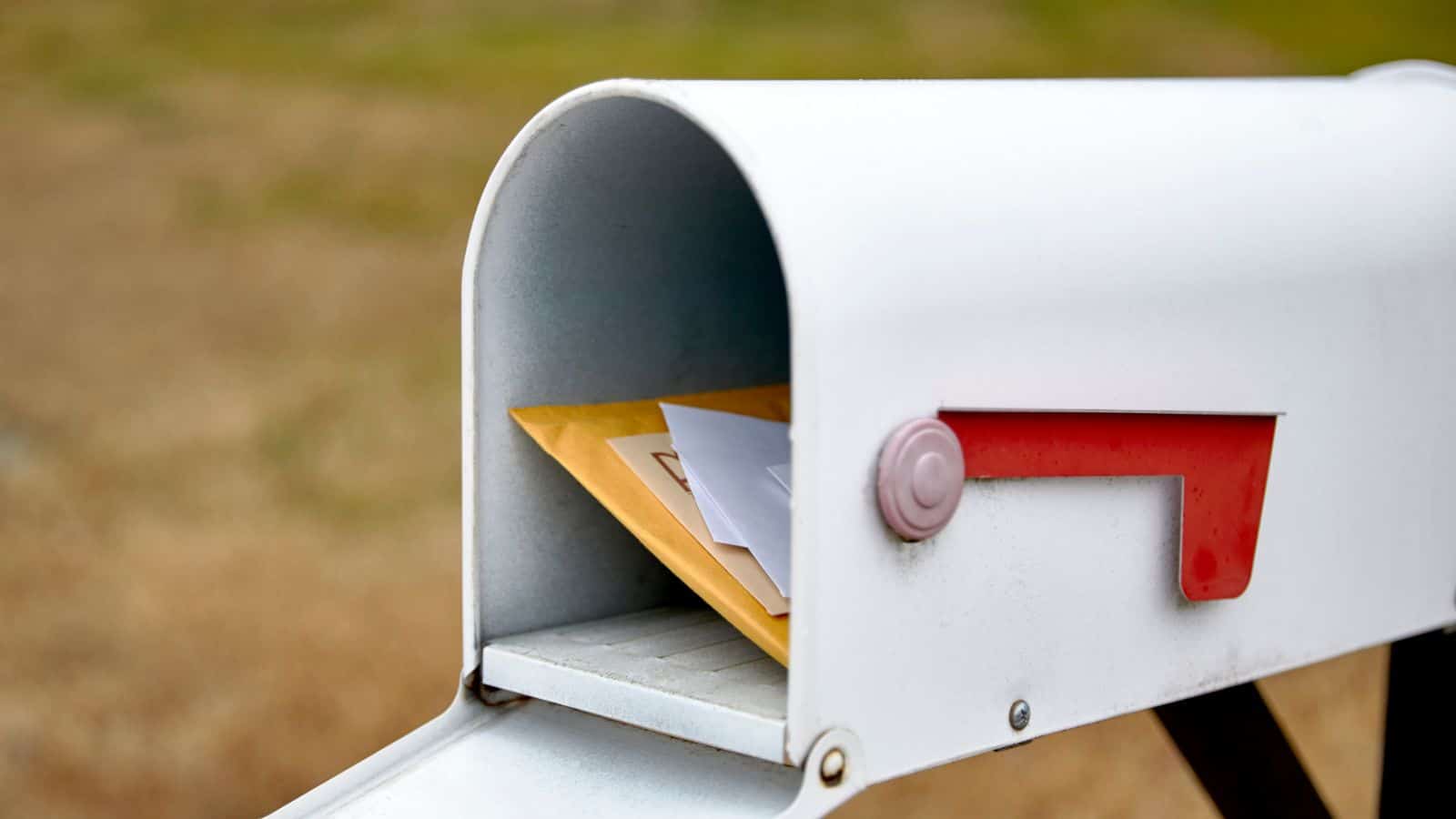
Today, most communication happens online, while the majority of mail is just junk ads. As electronic billing and paperless statements become the norm, fewer people rely on physical mail. Some communities are even eliminating personal mailboxes in favor of centralized parcel lockers for package deliveries.
Handwritten Signatures

You might not have done this in a while, but signing your name with a pen was required for almost everything back in the day. However, with digital signatures, fingerprint scanning, and facial recognition, handwritten signatures are quickly becoming unnecessary. While a few formal documents may still require ink signatures, they are slowly fading away.
Business Cards

Last but not least, exchanging business cards used to be a professional necessity. But in today’s digital world, business cards are becoming less relevant. LinkedIn profiles, QR codes, and digital contact sharing have made physical cards unnecessary. Professionals now prefer to connect instantly online rather than handing out paper cards that often get lost or thrown away.