
Unlike previous generations, millennials prioritize sustainability and affordability, which have a massive impact on what they choose to buy. As a result, many traditional products and brands are now struggling to attract millennial buyers. Here are 17 products that millennials are actively boycotting and why.
Cable TV

For years, cable TV was an essential part of American households. Not so much anymore as traditional cable is expensive, filled with commercials, and requires long-term contracts, three things millennials strongly dislike. With high-speed internet making streaming seamless, millennials see no reason to pay for hundreds of channels they don’t watch.
Diamond Engagement Rings

The long-standing tradition of spending three months’ salary on a diamond engagement ring is no longer resonating with millennials. Many see diamonds as overpriced and ethically questionable, with concerns over blood diamonds, exploitative labor practices, and unsustainable mining operations.
Instead, millennials are opting for alternative gemstones, lab-grown diamonds, or skipping expensive rings altogether.
Fast Food Chains

For decades, fast food chains were staples of American dining, but that’s no longer the case for many millennials. They’re turning away from traditional fast food in favor of healthier, fresher alternatives. Many millennials also boycott fast food due to concerns about unethical labor practices, excessive packaging waste, and artificial ingredients.
Traditional Gym Memberships

Older generations will agree that having a gym membership was the go-to way to stay in shape, yet millennials are ditching traditional gyms in favor of more flexible and convenient options. Millennials prefer the flexibility of digital workouts that fit their schedules without the hassle of paying expensive gym membership fees, dealing with crowded spaces, or committing to long-term contracts.
Paper Napkins
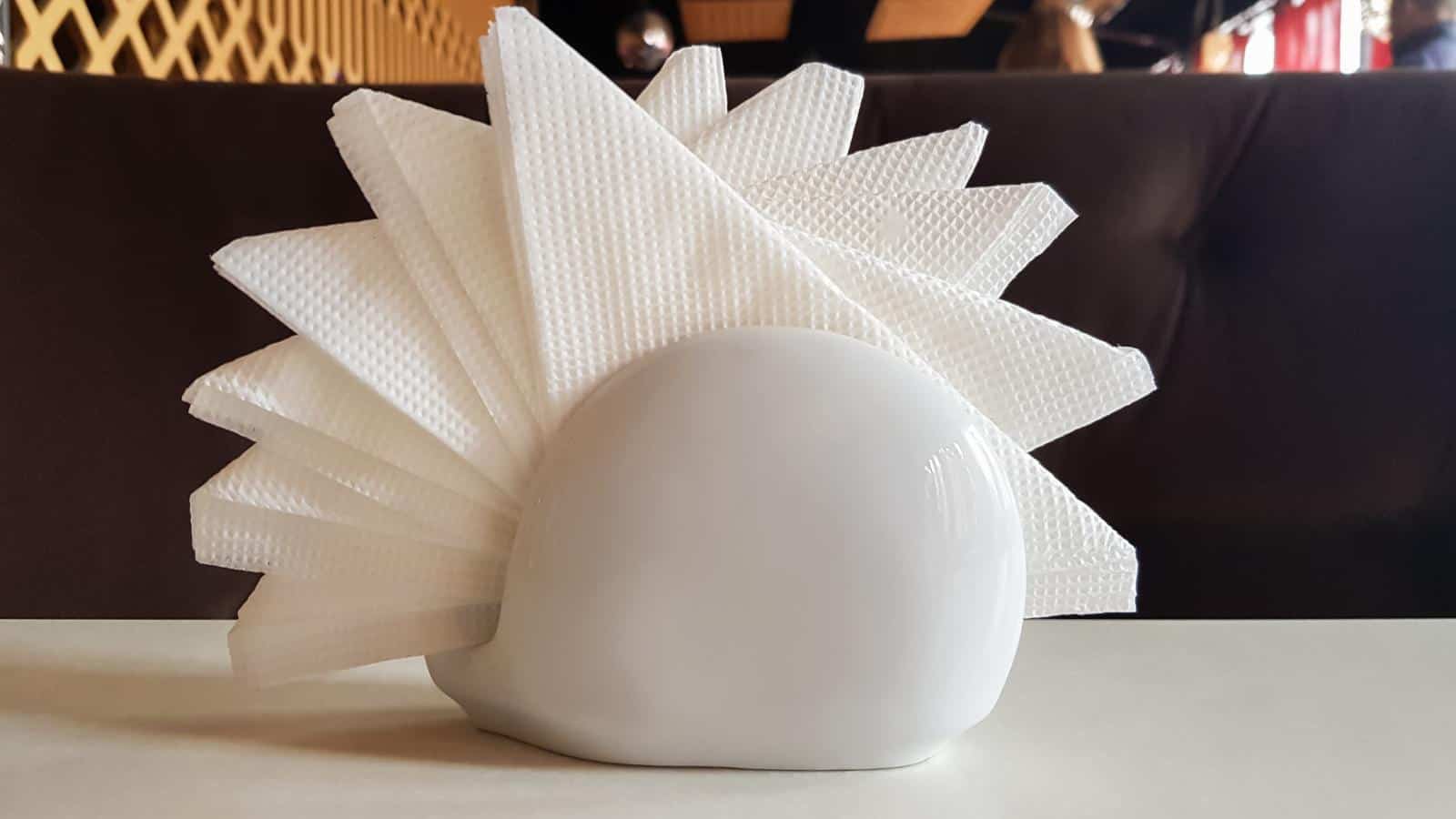
At first glance, it may not seem like a big deal, but millennials are buying far fewer paper napkins than previous generations. Instead, they’re using paper towels, cloth napkins, or skipping them altogether. Many millennials see paper napkins as wasteful and unnecessary, preferring more sustainable options like reusable kitchen towels.
Bottled Water

Concerns over plastic waste and environmental sustainability have led many millennials to boycott single-use plastic water bottles. Instead, they’re choosing reusable bottles and filtered water as their go-to hydration choices.
The bottled water industry is being forced to innovate, with some brands introducing biodegradable bottles or boxed water options, however, millennials remain skeptical of single-use packaging.
Bar Soap

In the past, bar soap was a bathroom staple, but millennials are largely avoiding it in favor of liquid soap, body wash, and foaming cleansers. Many see bar soap as unsanitary since it can collect bacteria, dissolve into a mess, and leave behind residue in the shower. The convenience of liquid soap, along with the variety of scents and skin-friendly formulas, has made bar soap feel outdated.
Fabric Softener

If we’re being honest, the decline of fabric softener sales is another surprising trend, as millennials have largely opted out of using the product altogether. Younger consumers see it as an unnecessary expense and an extra step in laundry that doesn’t add much value. Instead, millennials are turning to wool dryer balls, vinegar, or skipping fabric softener entirely.
Luxury Handbags

For previous generations, owning a designer handbag was a major status symbol, yet millennials aren’t as interested in splurging on luxury accessories. Instead of spending thousands, they opt for secondhand fashion, minimalist brands, or practical backpacks and tote bags. As a result, luxury brands have had to rethink their marketing strategies to appeal to a generation that prioritizes practicality over prestige.
Traditional Razors
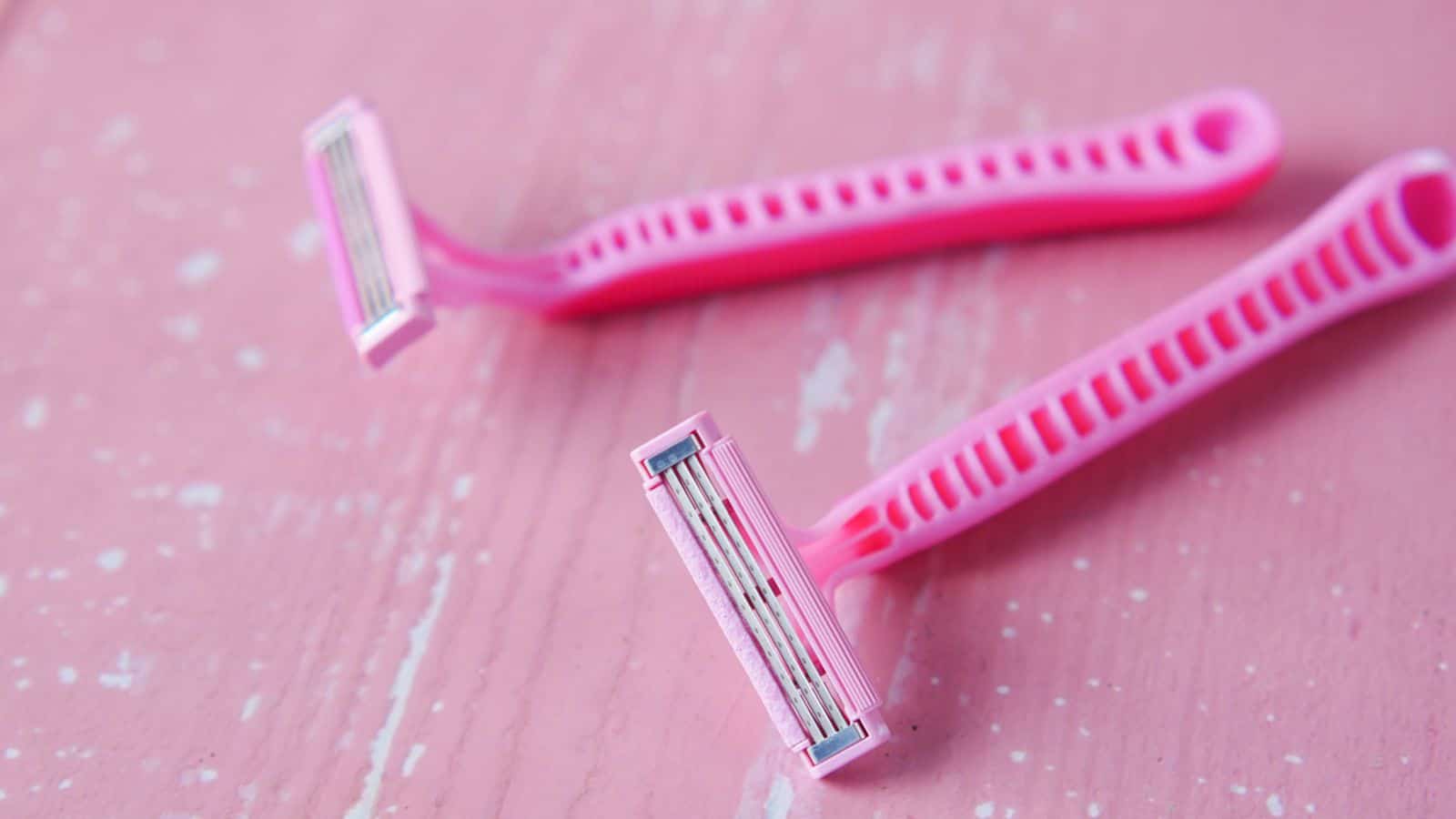
The days of expensive razor cartridges and shaving creams are fading as more millennials embrace natural grooming trends. Many are choosing to shave less frequently, switch to electric razors, or use safety razors instead of disposable ones. Some women are even rejecting shaving altogether, embracing body hair as a form of self-expression and rejecting the beauty standards.
Cable News Subscriptions

As you know, older generations still rely on cable news networks like CNN, Fox News, and MSNBC for daily updates, but millennials are getting their news from social media, independent news websites, and podcasts. They prefer on-demand access to news rather than sitting through hour-long broadcasts filled with ads, political bias, and repetitive commentary.
Wedding Industry Traditions

When you think back, the wedding industry thrived on extravagant ceremonies, expensive venues, and lavish receptions. Nowadays, though, millennials are opting for simpler, more affordable weddings. Some are even skipping weddings altogether, choosing to invest their money in travel, buying a home, or paying off debt instead.
Lottery Tickets

For sure, buying lottery tickets was seen as a fun, low-risk way to dream about striking it rich. But millennials aren’t buying into the hype. Many see the lottery as a waste of money, preferring to invest their savings in stocks, cryptocurrency, or retirement accounts instead.
With rising living costs and financial insecurity, younger generations are more cautious about how they spend their money.
China and Fine Dinnerware

For boomers and older generations, receiving a set of fine china as a wedding gift was a cherished tradition. But millennials aren’t interested in delicate, high-maintenance dinnerware that sits in a cabinet collecting dust. Instead, they prefer everyday dishes that are durable, dishwasher-safe, and fit their minimalist lifestyles.
Traditional Credit Cards

One thing we’re all aware of is that credit cards were once seen as a convenient way to build credit and make big purchases. After witnessing the 2008 financial crisis and dealing with record-high student loan debt, younger consumers are more cautious about using credit.
Instead, they prefer debit cards, mobile payment apps, and buy-now-pay-later services like Klarna and Afterpay.
Processed Cereal
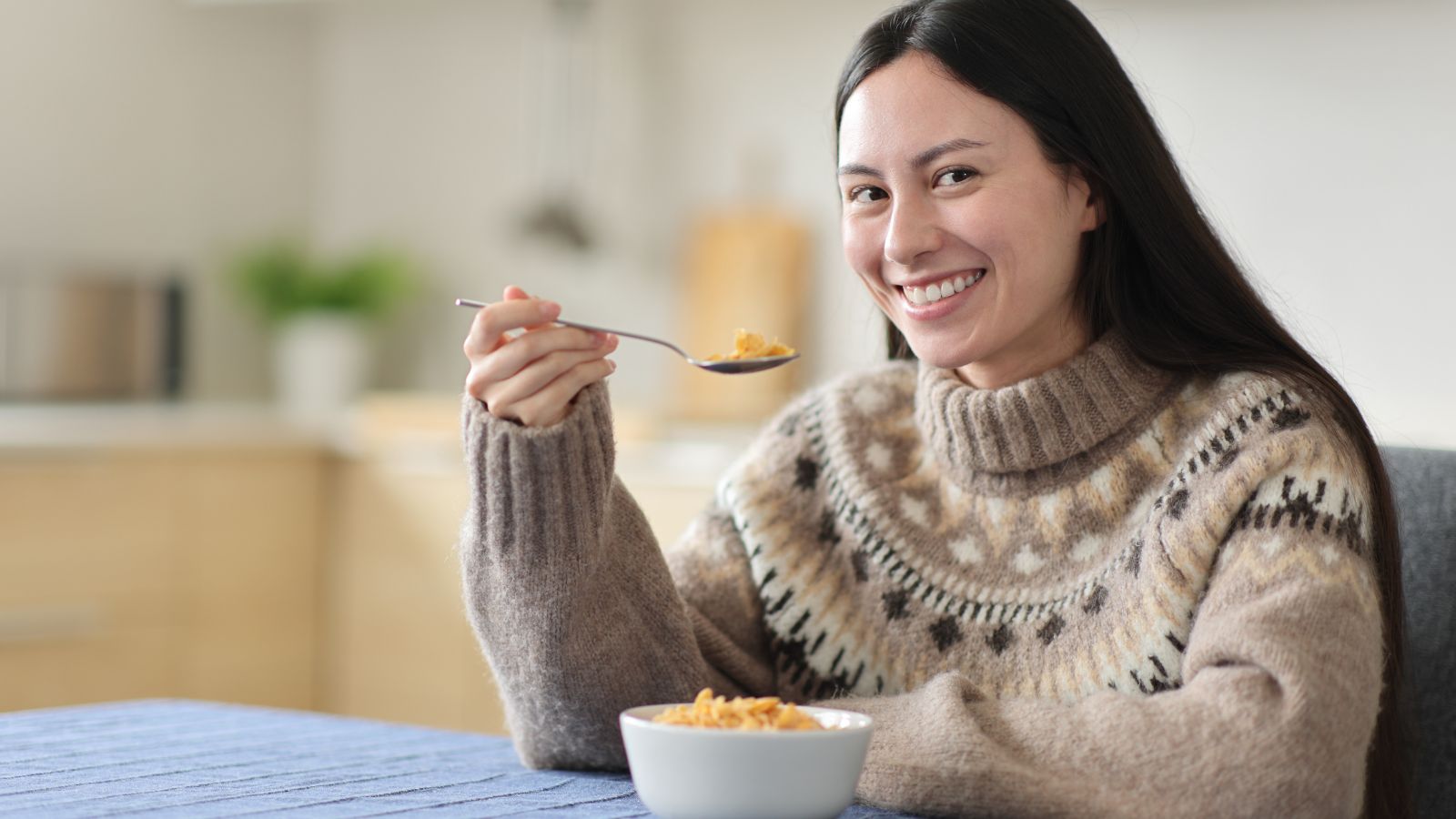
If you grew up in America, then sugary breakfast cereals were a staple in most households. The same can’t be said for today, as many younger consumers view cereal as overly processed, loaded with artificial ingredients, and lacking in real nutritional value. Instead, they prefer protein-packed breakfasts, smoothies, avocado toast, or overnight oats.
Traditional Department Stores

Lastly, department stores were the go-to place for shopping, but millennials are skipping these brick-and-mortar giants in favor of online shopping and direct-to-consumer brands. With the rise of Amazon, fast fashion websites, and subscription services, younger shoppers prefer the convenience of having items delivered to their door rather than spending hours browsing in-store.