
As baby boomers move further into retirement, financial challenges are becoming more apparent. Rising costs, inflation, and shifts in economic structures mean that many will find it harder to afford everyday expenses. Some will have substantial savings, but many others will be forced to make difficult choices regarding their lifestyle, healthcare, and basic needs.
Here are 18 things Boomers will struggle to pay for in the coming decade.
Healthcare Costs

Medical expenses are already a major financial burden for retirees, and they’re only going to increase. Even with Medicare, out-of-pocket costs for prescription drugs, long-term care, and specialized treatments will continue to rise.
Many may find themselves unable to afford necessary procedures or medications, forcing difficult decisions about their health and well-being.
Long-Term Care

Assisted living facilities, nursing homes, and home healthcare services are expensive, and prices are expected to climb in the next decade. Many boomers lack the necessary savings or insurance to cover long-term care costs. Without proper planning, they may have to rely on family members or government assistance, both of which may not provide the level of care they need.
Prescription Medications

The cost of prescription drugs has been increasing for years, and this trend shows no sign of slowing. Even with insurance, many retirees struggle to afford necessary medications. Some may have to choose between paying for prescriptions or other essential expenses like rent and food.
It’s a dilemma that will only become more common as they age.
Housing Costs

Some of the older generation are still paying off mortgages, and for those who rent, rising rental prices pose a serious financial challenge. As property taxes and maintenance costs continue to rise, even those who own their homes outright may struggle to keep up with expenses. Downsizing or moving to a more affordable area may become a necessity for many retirees.
Property Taxes
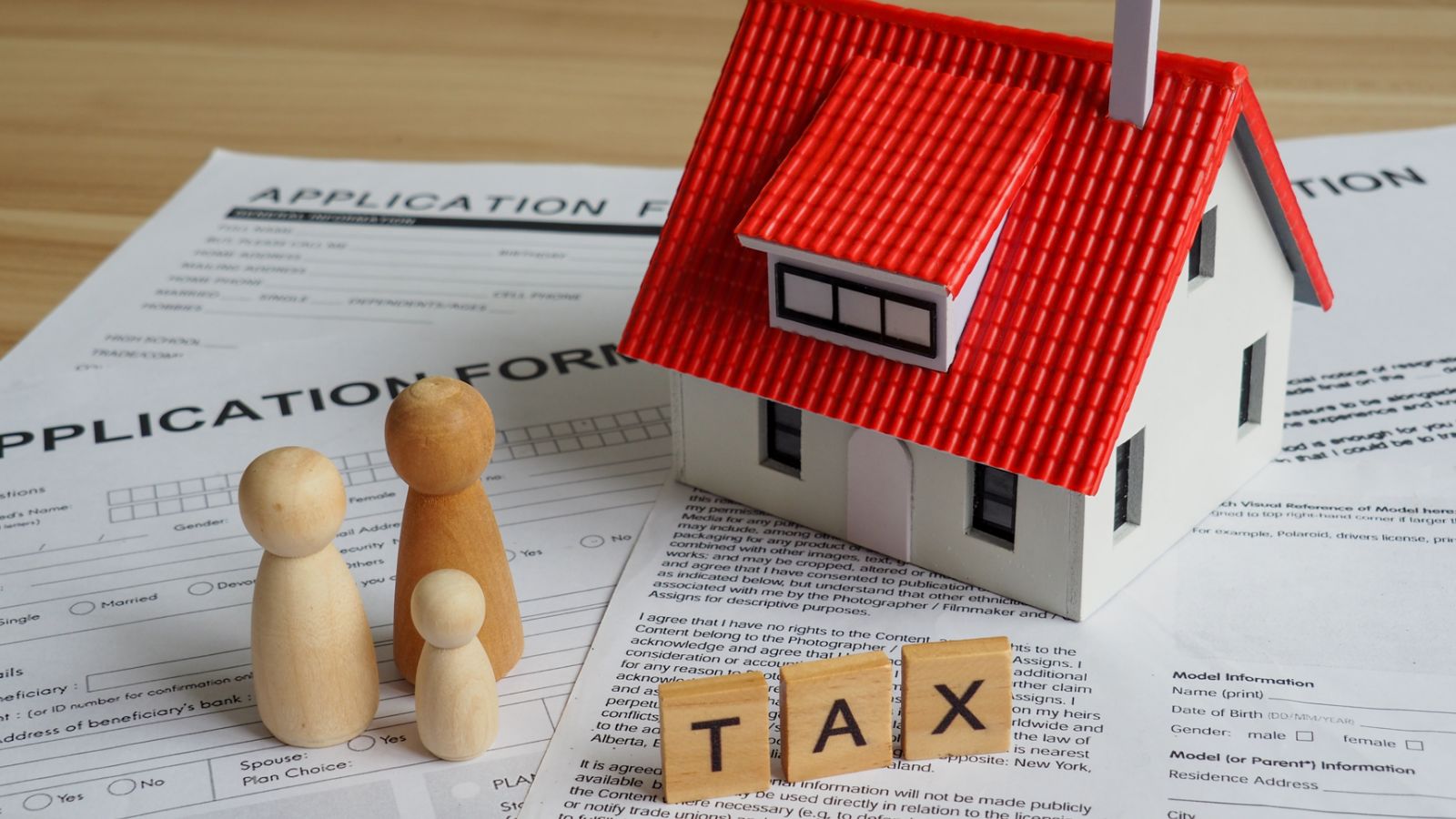
Even homeowners who have paid off their mortgages aren’t free from financial worries. Property taxes tend to increase over time, and in some areas, they’ve skyrocketed. Retirees on fixed incomes may find themselves struggling to keep up with these payments, forcing them to consider selling their homes or appealing their tax assessments.
Utility Bills
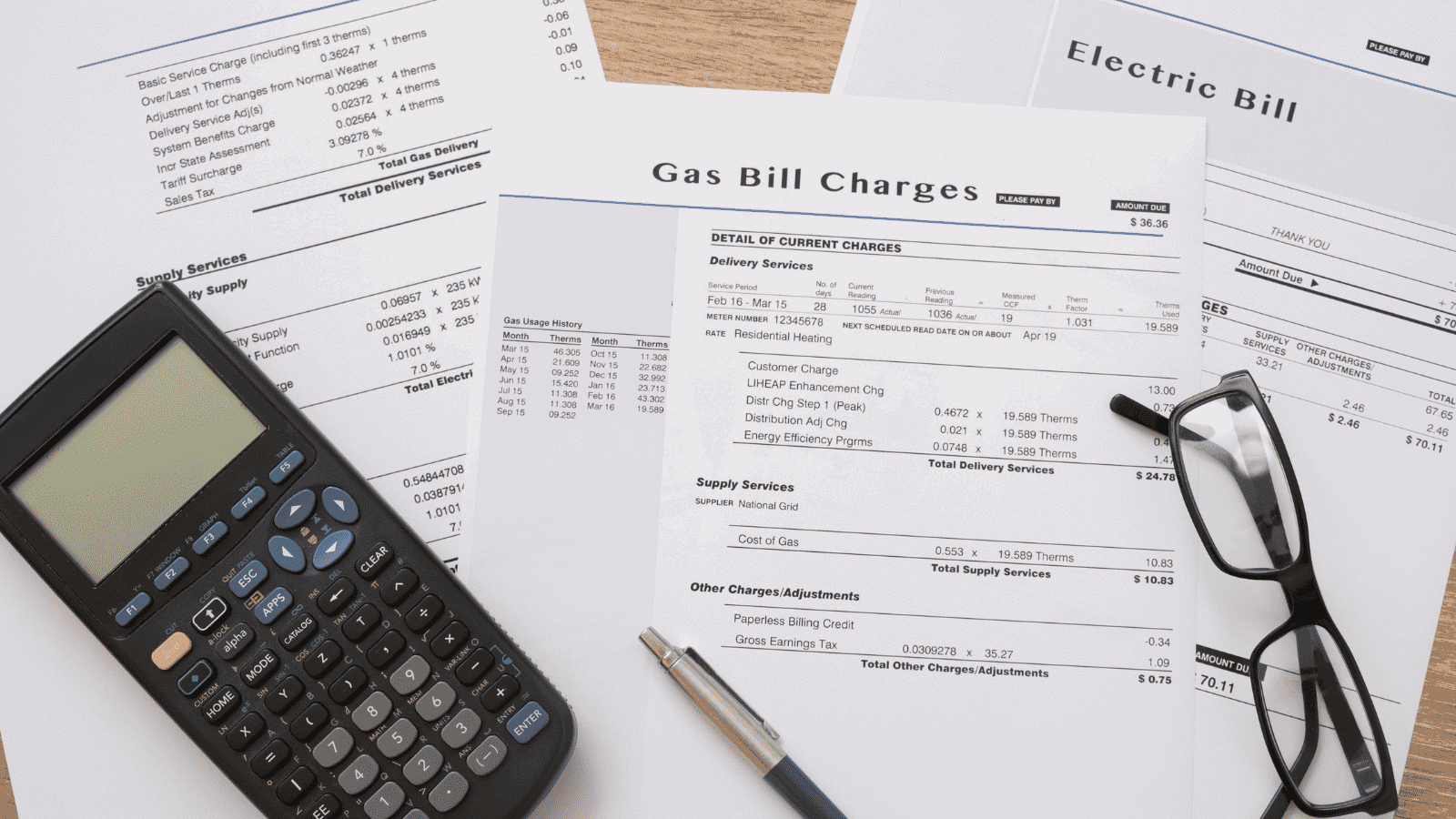
Electricity, water, and heating costs continue to rise, making it harder for the older folk to manage monthly expenses. Fixed incomes don’t always keep pace with inflation, and sudden, unexpected rate hikes can throw budgets off balance.
Energy-efficient upgrades may help, but they require an upfront investment that many simply can’t afford.
Groceries and Food Costs

Food prices have been steadily rising, and retirees often have to stretch their grocery budgets further than before. Fixed incomes and increasing prices are forcing baby boomers to make tough choices about nutrition and affordability.
Eating out or purchasing high-quality, fresh food may become a luxury they can’t sustain in the coming years.
Travel and Leisure

Many of the post-war generation dreamed of spending their retirement traveling, but rising costs may put those plans on hold. Airfare, hotels, and entertainment expenses are expected to increase, making it harder to afford vacations. Even local travel, such as road trips or visits to family, may become too expensive due to rising gas prices and lodging costs.
Auto Expenses

Car payments, insurance, maintenance, and fuel costs add up quickly, and many will struggle to afford them as they get older. Some may even have to give up driving altogether, relying on public transportation or family for mobility.
The shift to electric vehicles may also create new challenges, as older cars become more expensive to maintain and new models remain out of reach financially.
Home Maintenance and Repairs

Home ownership comes with ongoing maintenance costs, from plumbing and electrical work to roof repairs and landscaping. These expenses can be unpredictable, and many of the senior generation may not have enough savings to cover major repairs. Neglecting maintenance can lead to even bigger problems down the road, forcing difficult choices about selling or downsizing.
Internet and Technology Costs

Staying connected is more expensive than ever, with rising costs for internet service, smartphones, and streaming subscriptions. Many boomers rely on technology for communication, entertainment, and even healthcare. Keeping up with new devices and increasing service fees may become a financial burden, leading to difficult choices about cutting back on connectivity.
Insurance Premiums

Health, home, and auto insurance premiums continue to rise, putting a strain on retirees’ budgets. As they get older, some may be forced to choose between carrying adequate insurance coverage or cutting back on other expenses.
In some cases, some may take the risk of going uninsured, which could have devastating financial consequences.
Credit Card Debt

Many of the baby boom generation carry significant credit card debt, and high interest rates are making it difficult to pay off. With fixed incomes, paying down balances may become a challenge, leading to financial stress and potential default. Some may rely on credit cards to cover basic expenses, only worsening their financial situations in the long run.
Taxes on Retirement Income

Social Security and pension income can be subject to taxation, and many of the older generation don’t factor this into their retirement budgets. Rising tax rates or changes in federal or state laws could further impact retirees’ ability to afford their lifestyles.
Without proper planning, these tax burdens may eat into their already limited income.
Medical Equipment and Accessibility Modifications

As they get older, many boomers will likely need medical equipment like walkers, hearing aids, and mobility scooters. Home modifications such as wheelchair ramps and stair lifts may also be necessary. These expenses are often not fully covered by insurance, making it difficult for retirees to afford the necessary adaptations to maintain their independence.
Assisted Living or Independent Retirement Communities

Some of the senior generation want to maintain their independence, but may not be able to afford the high cost of assisted living communities. With monthly fees ranging from thousands to tens of thousands of dollars, these facilities are out of reach for many older folk. As a result, some may have to rely on family care or move into less desirable living arrangements.
Funeral and Burial Costs

End-of-life expenses are often overlooked, but they can be a significant financial burden. Funeral services, burial plots, and cremation costs continue to rise. Many boomers may not have prepaid arrangements, leaving their families with the financial responsibility.
Planning ahead for these expenses can help alleviate stress, but many simply won’t have the funds to cover them.
Pet Care Costs

As they get older, many will struggle to afford the rising costs of pet care. Veterinary bills, medications, special diets, and grooming services don’t come cheap – and can add up quickly. Routine check-ups and emergency medical treatments are especially costly, making pet ownership increasingly difficult on a fixed income.
UP NEXT:
If These 15 Items Are Still in Your Home in 2025, It’s Time to Ditch Them
20 Low-Class Habits That Instantly Reveal a Lack of Manners
16 Jobs That Will Hire Retirees Quickly And They Even Pay Well Too
This article includes content generated by AI.