
When you think about it, life over 50 isn’t what it used to be, and that’s mainly thanks to so many different rising costs that it’s becoming hard to survive. More recently, many older Americans are tightening their belts, especially as retirement is just around the corner. Here are 16 everyday expenses that they now have to say no to.
Casual Dining Out

A lot of folks over the age of 50 are eating out way less than they used to. That’s because rising menu prices are turning what used to be a fun night out into a budget-buster. Instead of grabbing dinner at a sit-down chain or their favorite local spot, many are cooking at home.
Subscription Services

It’s surprising to hear that many older adults are ditching subscription services. We’re not just talking about streaming, either. Meal kits, beauty boxes, magazines, and even fitness apps are getting the axe.
Monthly charges add up fast, and people are finally taking a hard look at what they actually use. Companies that rely on auto-renewals and passive monthly billing are starting to lose long-time subscribers.
New Clothing Purchases

To be honest, the days of shopping just because are winding down for this group. Older Americans are spending less on new clothes, especially trendy or seasonal items. Comfort and durability are now the top priorities, not labels or style cycles. It means that retailers, especially department stores and fashion chains, are seeing a dip in sales from this demographic.
Cable and Satellite TV

For sure, cable bills that used to be a monthly norm are now seen as overpriced and unnecessary. With streaming options and antennas offering cheaper alternatives, more and more people over 50 are switching or just turning the TV off altogether. It means cable providers are seeing a drop in loyal, long-term customers.
Home Renovations
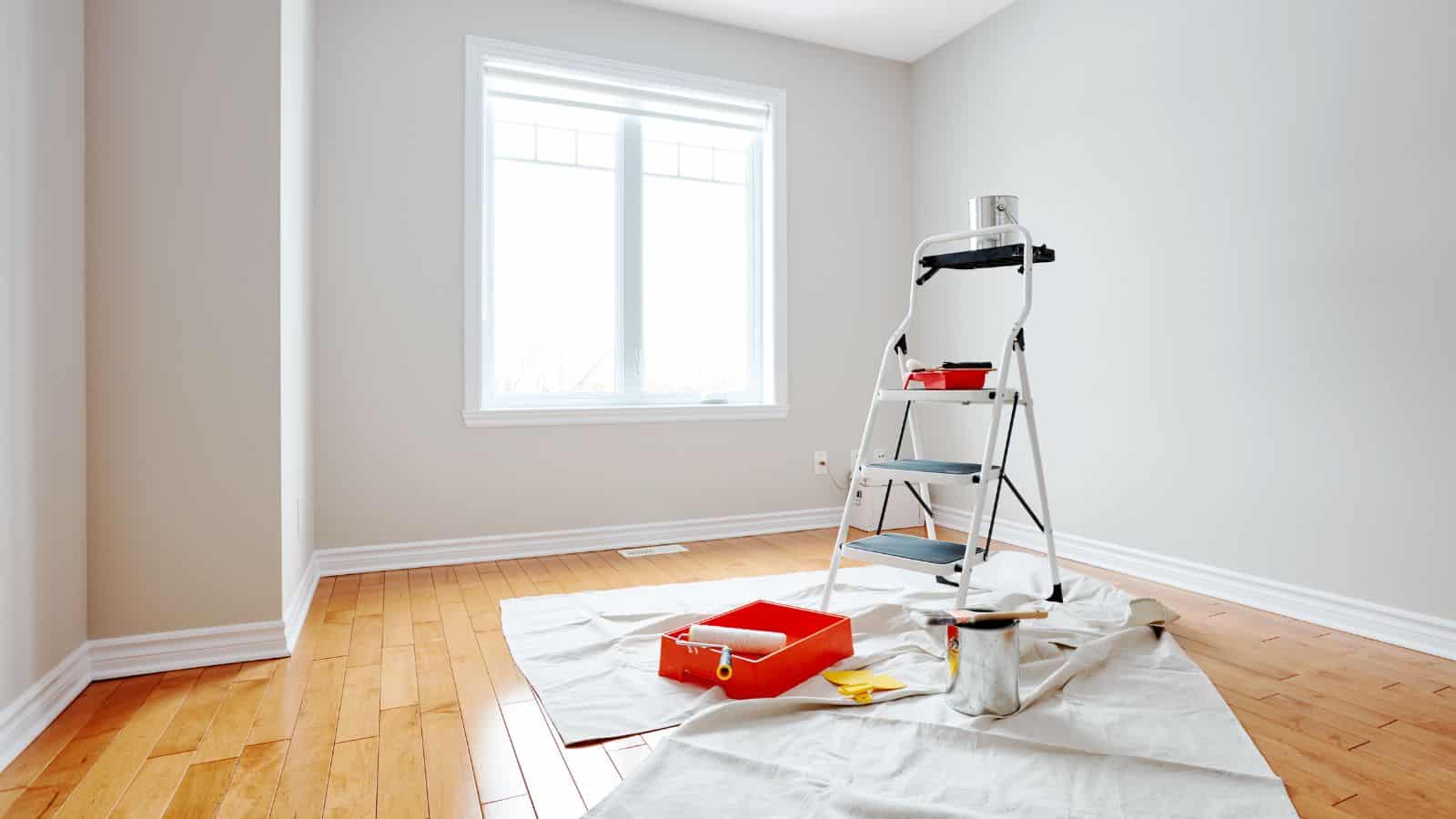
Once a top spending category for empty nesters, renovations are now being pushed to the back burner. If it’s not absolutely necessary, then the work’s not getting done. That’s a big shift for an age group that often invested in their forever homes. Now, the priority is saving for health care and retirement instead of granite countertops.
Travel and Vacations
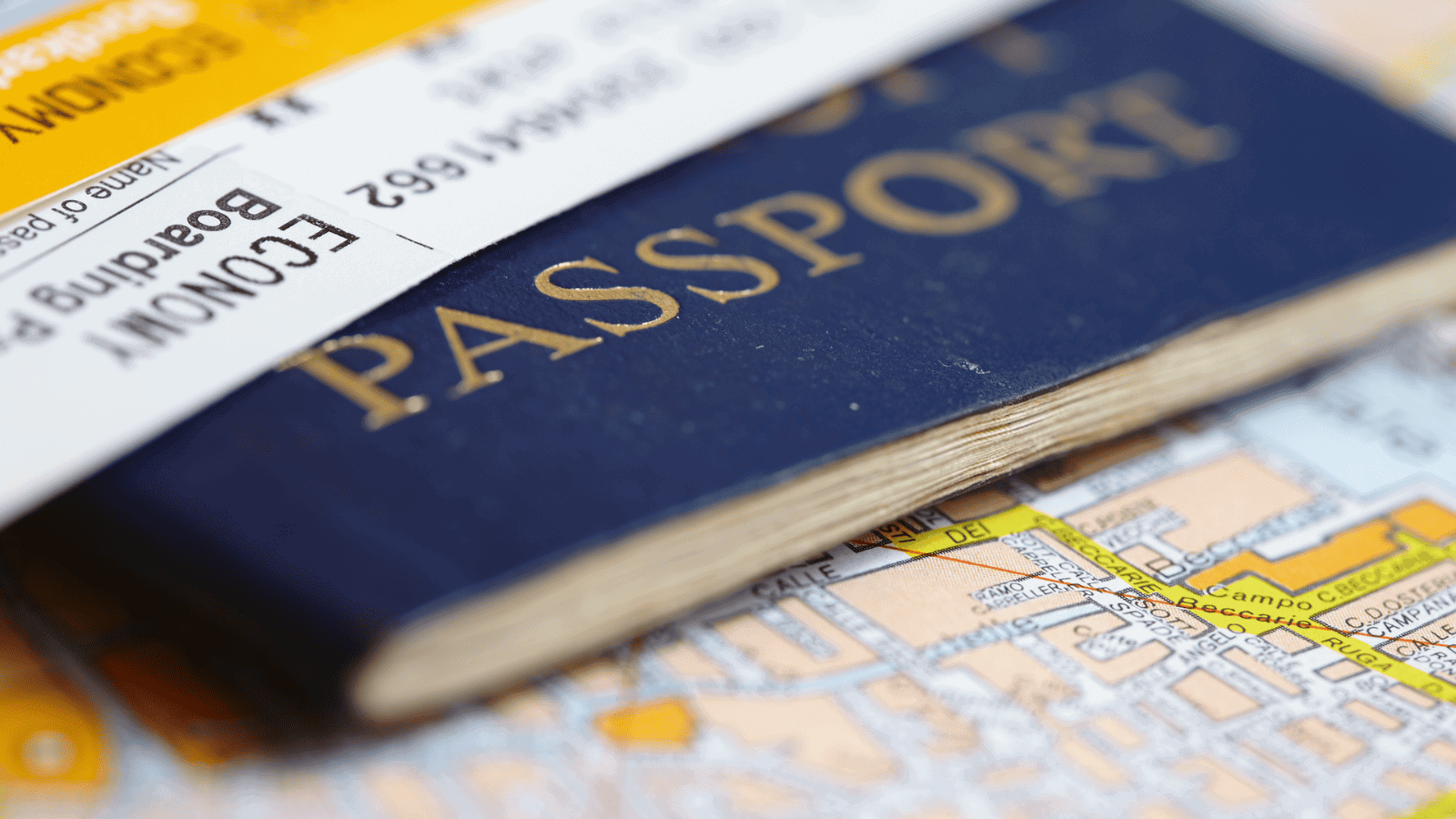
To put it simply, travel just isn’t the priority it once was. Airfare is up, and hotel prices are through the roof. Many older folks are trading overseas adventures for road trips or visiting family. And even those with retirement savings are thinking twice before booking anything.
Travel has always been a reward for years of hard work, but now, many are deciding the expense just isn’t worth it.
New Cars

To be fair, a shiny new car used to be a common retirement treat. However, with interest rates up and sticker prices higher than ever, older buyers are holding onto their current vehicles longer. Over 50s are skipping upgrades and avoiding car payments when they can.
Beauty and Salon Services

Let’s not forget the self-care cuts. Hair color, manicures, facials, and spa treatments are getting pushed aside for more budget-friendly routines. Older Americans are skipping pricey appointments and choosing at-home solutions instead. Salons and spas were once considered essentials for many in this age group, but salons are noticing empty chairs.
Gym Memberships

Believe it or not, many over-50 adults are cancelling gym memberships. Some are now walking outside more, or dusting off old equipment in the garage. Gym chains that rely on this steady demographic are seeing drop-offs, especially as people look for ways to stay active without spending monthly fees.
Gifting and Holiday Spending

Maybe you’ve already noticed that this one is affecting both families and retailers. Folks 50 and over are scaling back on holiday gifts and birthday spending. Grandkids might get fewer toys, and adult children are hearing that things are being kept simple year after year.
When everything costs more, giving also has to be adjusted. Sentiment still matters, but the spending behind it is getting trimmed.
Restaurant Takeout

There used to be something comforting about grabbing takeout after a long day. But now, even that’s getting cut. Older people are realizing that delivery fees and inflated menu prices turn a $12 meal into $25 real fast. Instead, they’re having to make do with what’s at home.
Premium Groceries

No doubt about it, grocery bills are painful right now, and the over-50 crowd is feeling it. High-end items like organic meats and imported snacks are being left on the shelf. It means budget-friendly brands and store-label options are now getting tossed in the cart instead.
Tech Upgrades

Not every new gadget is a must-have, and Americans that are older are delaying phone upgrades and skipping out on the latest tablets or wearable tech. If what they’ve got still works, they’re keeping it. Big tech companies that rely on yearly upgrade cycles are seeing slower adoption rates among the over-50s.
Entertainment Outside the Home

Another area taking a hit? Events and entertainment. Live shows and even concerts are seeing fewer ticket sales from the over-50 demographic.
Many older adults are staying home, watching movies on streaming, or spending quiet nights in, and that drop in attendance is being felt across entertainment industries, especially in smaller venues.
Impulse Buys

Little buys can add up fast, and the older generation knows this. Impulse buys like candles and small gadgets are taking a backseat. Folks are thinking twice before tossing something extra into their cart, as they start asking themselves if it’s something they really need.
Now, retailers who count on spontaneous purchases at checkout or online are seeing those numbers dip.
Pet Spending

While they still love their furry companions, many are rethinking the extras. That means premium food, specialty treats, monthly toy boxes, and designer accessories are getting trimmed from the budget. Vet visits and essentials still come first, but the non-essentials have just become the odd treat.
Parts of this article were developed using AI assistance.