
Before digital coupons and curbside pickup, grocery shopping meant a deliberate trip that carried its own rhythm and charm. Stores had a sensory pull that mixed the smell of fresh bread with the hum of neon lights overhead. Here are 14 ways grocery shopping in the ’60s created a world that feels almost impossible to imagine today.
S&H Green Stamps at Every Checkout

Customers collected green stamps the way people now collect reward points, pasting each one into thick booklets at home. A full book meant you could pick out something tangible from a catalog, from toasters to bicycles.
The ritual of saving them gave every purchase an extra layer of satisfaction. Families kept stacks of stamp books in kitchen drawers, dreaming about what the next redemption would bring.
Store Managers Who Knew Every Customer

During this decade, walking into a neighborhood market felt like stepping into familiar territory. Managers greeted regulars by name and sometimes slipped kids a piece of penny candy. Grocery shopping back then moved at a human pace, built on recognition and routine, where transactions blended into conversations and errands felt neighborly instead of anonymous.
Meat Cut Fresh by the Butcher

Customers in the 1960s would describe exactly what they wanted to the butcher behind the counter, and cuts of beef or pork soon appeared wrapped in thick butcher paper. That direct exchange gave dinner a certain gravity, as if the care put into the selection carried through to the meal. It created a trust in the food, anchored in the simple confidence of seeing it prepared before your eyes.
Hand-Written Price Tags on Every Item

Before barcodes, every can, box, and jar carried its price in neat marker or grease pencil. Shoppers scanned the shelves visually, spotting bargains by the bold scrawl of a number. Clerks tallied totals with swift key presses, punching each price into the register by hand.
The process added a satisfying precision to the experience, built around visible numbers and the quiet certainty of paying for exactly what you picked up.
Carts Built Like Tanks

Wire carts of the ’60s rolled through aisles with a kind of heft that made them feel nearly indestructible. Their wide frames rattled across tiled floors, loaded with paper bags stacked high. They didn’t nestle neatly together or glide silently – instead, they clanged and bumped with an honest sturdiness.
Music from Crackling Overhead Speakers

Every store had its own soundtrack piped through tinny speakers that gave even the brightest song a slightly fuzzy edge. Popular tunes mixed with occasional store announcements that broke through in that unmistakable echoing tone.
It didn’t aim to create an atmosphere so much as it simply filled the air, turning every trip down the baking aisle into a small private movie scored by whatever was playing above the cereal boxes.
Clerks Who Bagged Everything for You

At the end of the checkout lane, bagging was a service baked into the experience. Clerks packed heavy glass bottles of milk next to sturdy cans and tucked fragile items gently on top. This small touch of efficiency gave customers a moment to pause and gather their things without juggling every detail themselves.
Seasonal Displays That Felt Like Events

Stores in the 1960s leaned into seasonal changes with displays that towered like monuments. Watermelons were stacked into pyramids in July, while Thanksgiving brought sprawling tables of pumpkins and sweet potatoes. Those displays turned shopping into something playful, even theatrical, where a trip for bread might detour into a cascade of citrus or a sea of red apples.
No Plastic Bags in Sight

Paper ruled every checkout back then, each bag firm enough to stand on its own in the backseat of a car. Their heft became part of the ritual, that satisfying crinkle as the clerk folded the top over or doubled one up for heavier loads.
Carrying groceries home felt grounded in the texture and sound of those bags, which seemed to hold more than food – they carried a small piece of the store with them.
Aisles Without Endless Options
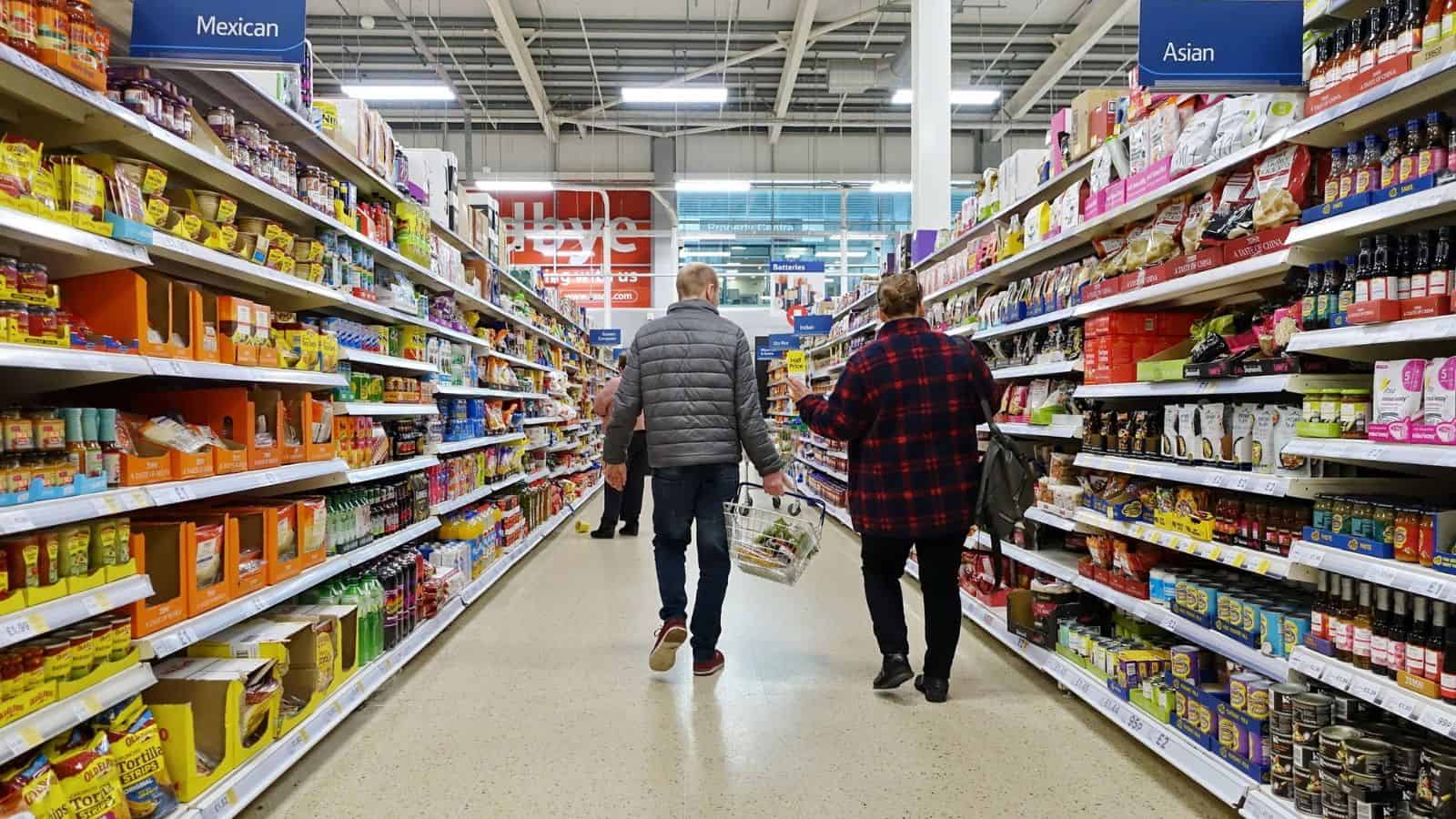
Shelves held a practical range of products, with a single ketchup brand anchoring its space instead of a dozen competing versions. That focus made decisions simpler and faster, giving shopping a steady pace. People rarely lingered long comparing labels, because the store presented what it trusted, turning selection into something streamlined.
Weekly Ads That Landed on Doorsteps

Before digital deals, printed circulars arrived with the newspaper and painted a clear picture of what the store offered. Bold headlines shouted prices for coffee and sugar. Families circled items in pencil and planned trips around those pages. Those ads shaped the rhythm of the week, tying the kitchen table directly to the grocery aisles.
Soda Displays That Felt Monumental

This was a time when glass bottles of soda arrived in wooden crates, and stores built them into towering displays that drew the eye from across the room. Lifting a case carried a certain weight, both literal and ceremonial. You felt the clink of glass against glass and the satisfaction of setting it down in the cart.
Employees in Crisp White Uniforms

Store employees often wore starched white shirts or smocks that made them look almost clinical in their precision. Their attire signaled competence and care, whether they were slicing deli meats or sweeping the floor. That visual consistency added to the sense of order inside the store, reinforcing the idea that grocery shopping was a ritual handled by people who approached it with visible pride.
Prices That Changed on Metal Tags

Instead of digital signage, prices rested on little metal rails that clerks updated by hand. The numbers clicked into place one by one, creating a quiet sense of permanence until the next adjustment. Shoppers noticed those updates, a subtle reminder that prices moved with the seasons and the market itself.
This article may include content generated by AI and has been reviewed and edited by our editorial team for accuracy and clarity.