
It doesn’t come as a surprise that a lot of things boomers grew up using wouldn’t make it past a modern safety board. Back then, regulations were looser, and people didn’t question ingredients or side effects the way we do now. Some of the products in this article seemed harmless at the time, but looking back, it’s wild they were ever sold at all – especially without warning labels.
Let’s take a look.
Lawn Darts

Lawn darts looked innocent enough – just a backyard game for kids. But those heavy metal tips could pierce a skull. And sometimes, they did. There were dozens of serious injuries and even a few deaths before the U.S. government finally banned them in 1988.
Today, there’s no chance a toy like that would even get through basic product testing. If anything similar hit shelves now, the lawsuits would start immediately.
Asbestos Insulation

You couldn’t see it or smell it, but it was in the walls of homes across the country – and in some floor tiles, roofing, and even hair dryers. Asbestos was cheap, fire-resistant, and everywhere. Builders trusted it completely. The problem? Inhaling those tiny fibers could cause deadly diseases like mesothelioma. It took decades for health warnings to catch up, and now asbestos is banned or heavily restricted in many products.
Leaded Gasoline
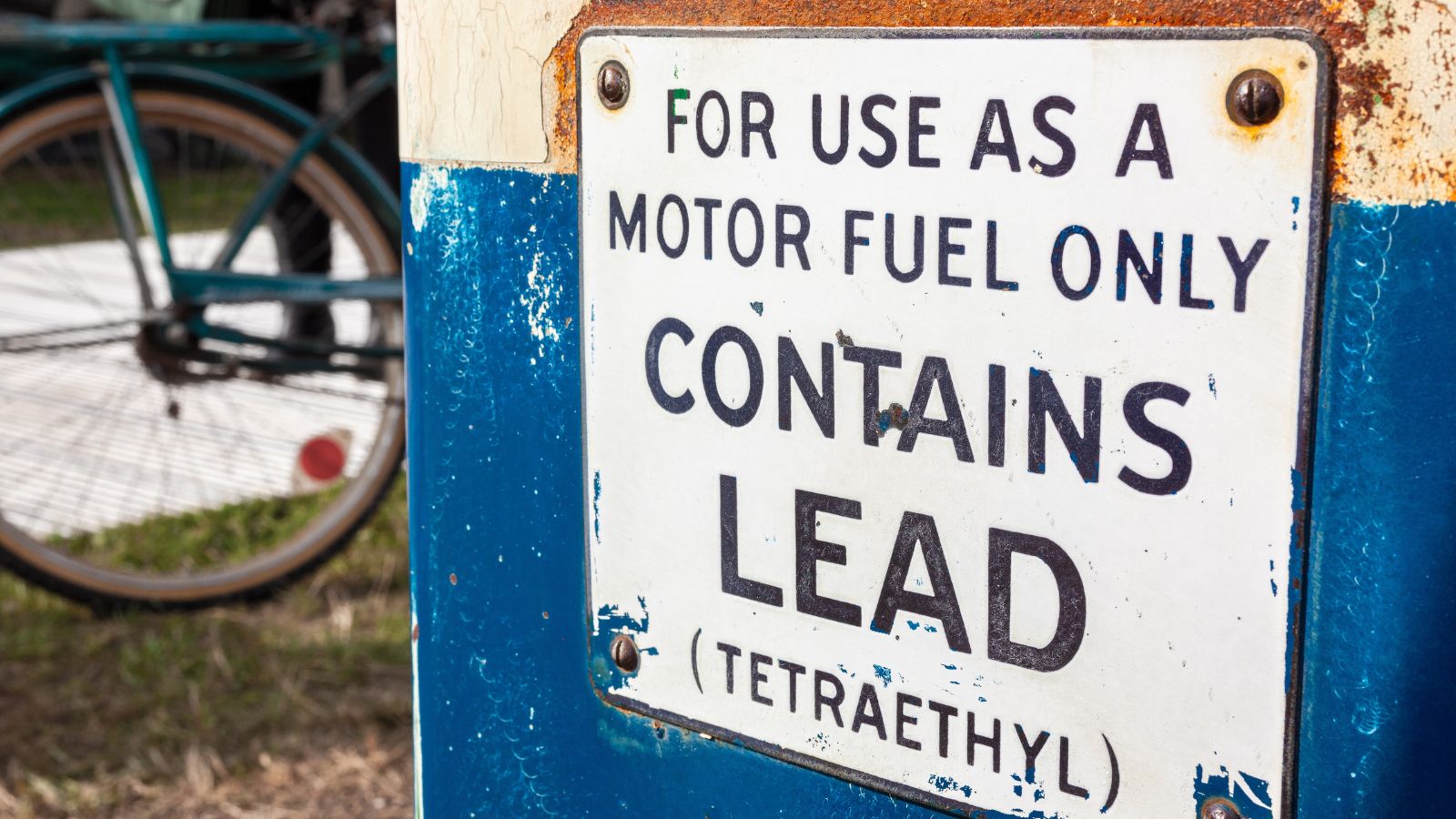
There was a time when every gas pump in America dispensed leaded fuel – and people filled their tanks without thinking about the fumes. Lead was added to improve engine performance, but it didn’t stay in the car. It got into the air, the soil, and eventually people’s bloodstreams.
It wasn’t until the ’70s and ’80s that the government started phasing it out.
Mercury Thermometers

Mercury exposure can harm the brain, lungs, and kidneys, especially in children. Back in the day, every house had one – a slim glass thermometer filled with silvery liquid. These thermometers have mostly been replaced with digital ones, and the old-school kind are no longer sold in most stores.
Radium Watches

In the early 20th century, glow-in-the-dark watches were all the rage – and radium made it possible. Even decades later, some boomers grew up with older clocks or watches still using the stuff. It glowed green and seemed harmless. But radium is radioactive, and workers who handled it developed horrific illnesses. Some were even buried in lead-lined coffins.
The practice of painting radium onto consumer goods eventually stopped, but not before it left a toxic legacy.
Candy Cigarettes

The older generation grew up pretending to smoke candy cigarettes, often mimicking the adults around them. The problem wasn’t just the candy; it was the normalization of smoking. Studies later showed that kids who used candy cigarettes were more likely to try the real thing. Eventually, manufacturers faced public pressure, and some countries banned them outright. In the U.S., they’re still around in some stores, but no responsible brand would launch them today.
Hair Relaxers with Lye

In the ’60s and ’70s, straight hair was in – and lye-based hair relaxers were everywhere. Boomers didn’t think twice about using them, even though the chemicals were harsh enough to burn skin and damage scalps. Lye (sodium hydroxide) can cause chemical burns if misused, and people using these products often dealt with blisters, hair loss, or worse.
Baby Oil Sunbathing

For some reason, slathering yourself in baby oil and lying out in the sun for hours was considered totally normal. The older generation chased that golden tan without sunscreen, and baby oil was the secret weapon. The result? Serious sunburns and long-term skin damage.
SPF is considered a daily essential now, and tanning oils are mostly used with added protection.
DDT Insect Sprays

And finally, boomers might remember trucks spraying clouds of mosquito repellent down neighborhood streets – and kids running right through them. That chemical fog was often DDT, a pesticide now banned in many countries. It was used in homes, gardens, and even on crops, long before people realized how dangerous it could be. DDT doesn’t break down easily and builds up in the environment, causing harm to wildlife and possibly humans.
By the time scientists raised concerns, it had already spread everywhere. It’s one of those chemicals that was trusted too much, for too long. You won’t find it on shelves anymore – thankfully.
Some content in this article was generated with the help of AI and has been carefully edited by our team to meet our editorial standards.