
While you’d hope that modern food regulations wouldn’t let unsafe ingredients slip through the cracks, that hasn’t always been the case. Thankfully, science caught up, health concerns grew, and eventually, governments stepped in. Now, these 13 ingredients are either banned completely or restricted in multiple countries. The only concerning part is that a few of the culprits on this list are still perfectly legal in the U.S.
Artificial Trans Fats
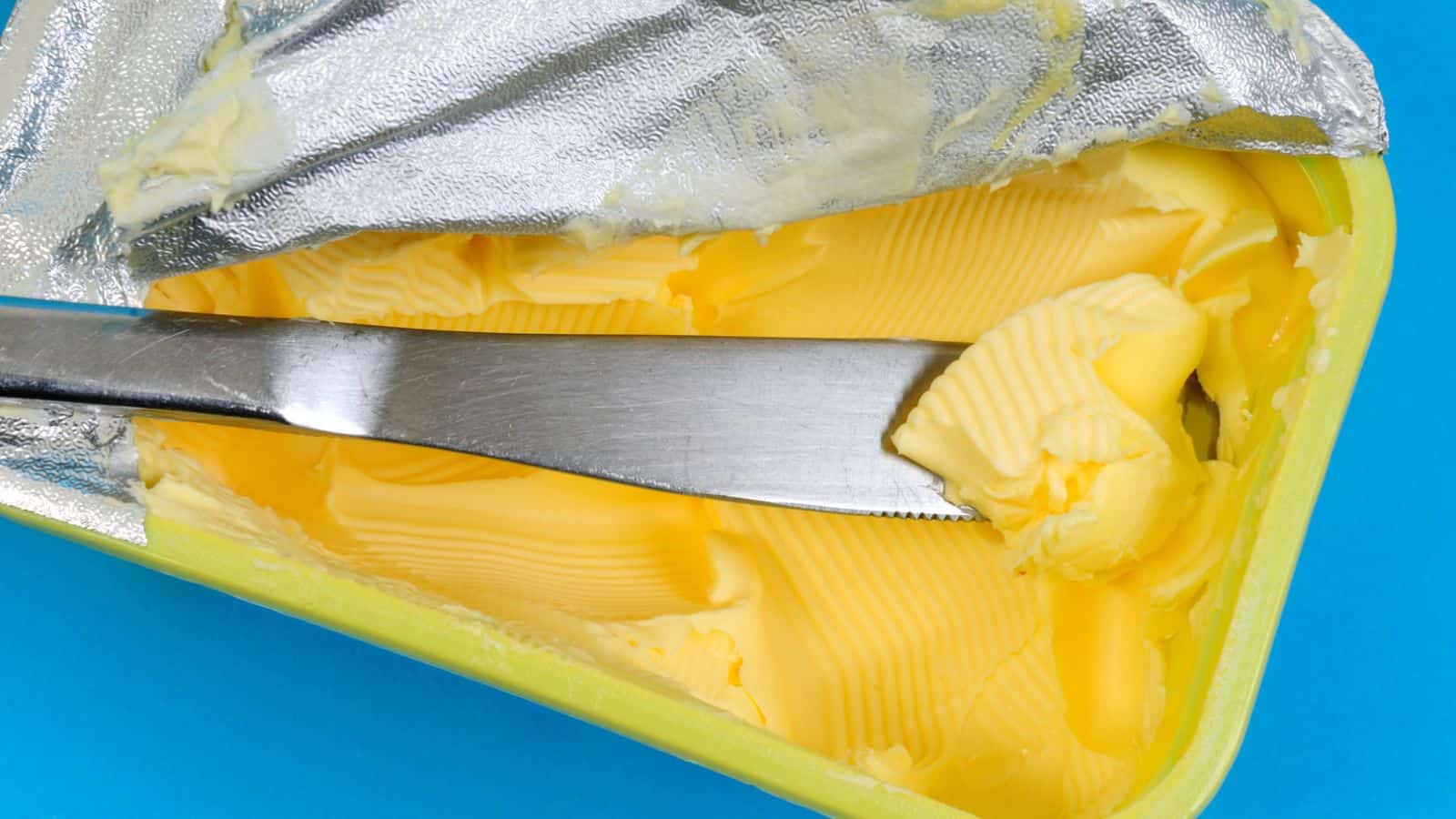
It used to be in everything – margarine, microwave popcorn, even pie crusts. Artificial trans fats gave food that perfect texture and a longer shelf life. But over time, studies linked them to heart disease and bad cholesterol.
The U.S. banned them in 2018, following other countries that had already phased them out. They’re considered so harmful now that even trace amounts raise eyebrows. Some brands still try to sneak around it, but rules are tight for a reason.
Potassium Bromate

Here’s something wild – this chemical was once added to bread to help it rise and stay fluffy. It sounds harmless, but it’s actually been linked to cancer in animal studies. That’s enough for over 60 countries, including the UK, Canada, and most of Europe, to ban it outright.
Rhodamine B

This bright pink dye made food look extra appealing, especially candies and colorful drinks. But underneath that glow was a serious health risk. Rhodamine B is toxic and has been shown to cause liver damage and cancer in lab animals. It’s been banned in the U.S. and most of the world for decades, yet it still pops up illegally in some imported foods.
Red Dye No. 2

Back in the ‘50s and ‘60s, this was the go-to food coloring in the U.S. It made everything from candy to sausages look more vibrant. Then research linked it to tumors in rats, and public concern skyrocketed.
By 1976, the FDA banned it. Other countries had already taken similar steps. Even now, people remain wary of artificial dyes, especially those that haven’t been thoroughly tested. It’s a reminder of how quickly food trends can flip when health is on the line.
Olestra
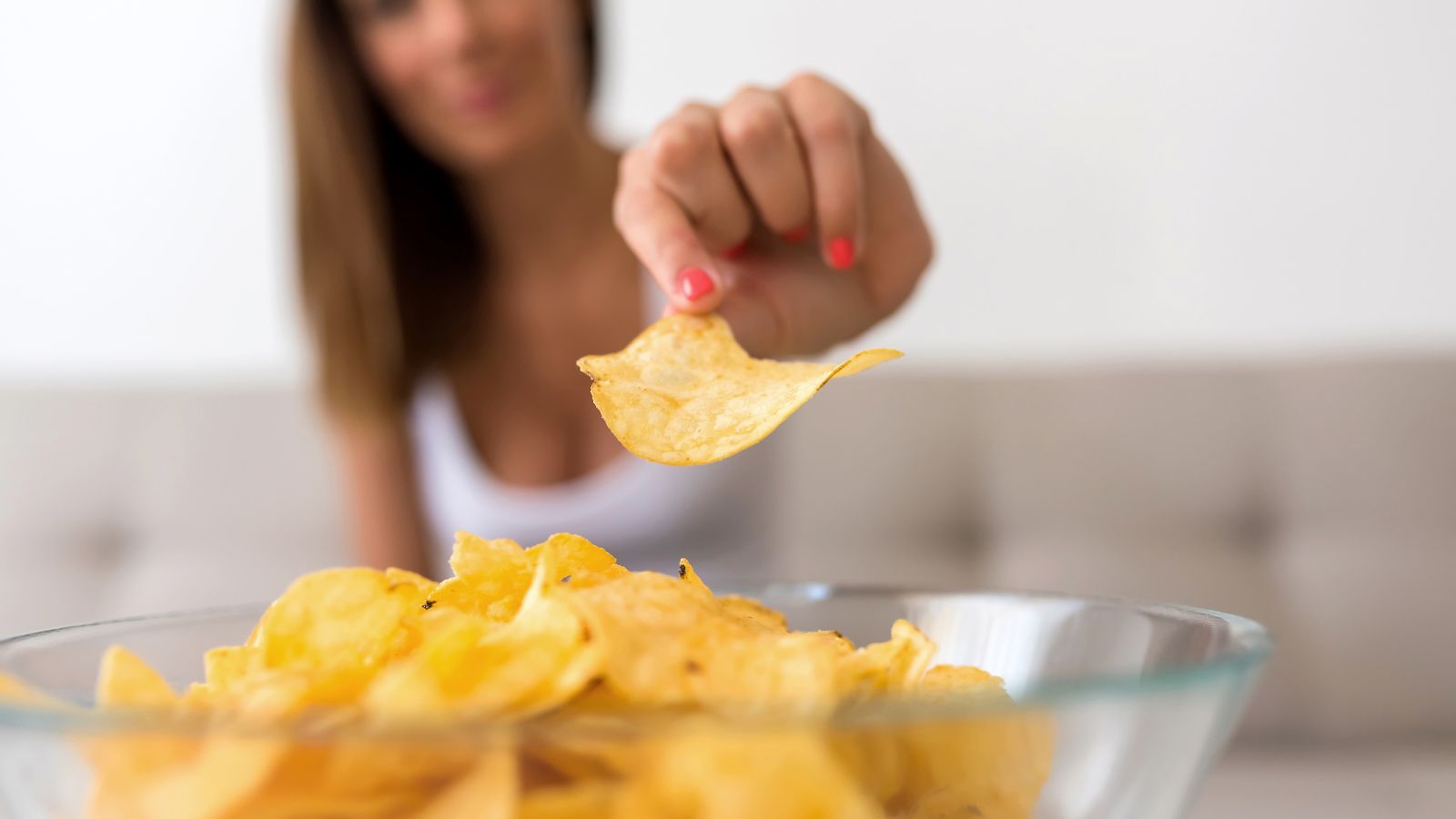
Those tasty, fat-free chips that hit shelves in the ‘90s sounded too good to be true – and they kind of were. The synthetic fat substitute Olestra caused major digestive issues, including cramps and, famously, “anal leakage.” It was banned in Canada and the EU, but the U.S. kept it around under strict labeling rules. While it’s technically still legal here, most brands stopped using it due to backlash and bad PR.
Azodicarbonamide

This one made headlines when people realized it was also used in yoga mats. In baking, azodicarbonamide helps bleach flour and improve dough texture. But health officials raised concerns after it was linked to asthma and potential carcinogens when heated. The EU and Australia soon decided to ban it. The U.S. still allows it, though many fast-food chains ditched it under public pressure.
BVO (Brominated Vegetable Oil)

Once common in citrus-flavored sodas like Mountain Dew, BVO helped keep the drink’s flavor evenly mixed. Problem is, it contains bromine, which is also used in flame retardants. Some heavy soda drinkers reported memory loss, skin rashes, and even nerve problems.
It was banned in Europe and Japan a long time ago. The U.S. FDA finally proposed a ban in 2023, but many companies had already removed it by then. It’s not an ingredient people are eager to defend.
Ractopamine

Used to bulk up pigs and cattle, ractopamine helps animals gain muscle fast. That’s great for meat producers, but it’s been linked to heart issues, tremors, and behavioral changes in animals – and possibly humans. More than 160 countries have banned it, including China, Russia, and the EU.
Sudan Dyes

These bright red dyes aren’t food-grade at all – they’re meant for coloring leather and industrial materials. Still, they’ve been found in spicy powders and chili oils, especially in illegal or poorly regulated products. They’ve been banned in dozens of countries, including the U.S., for being cancer-causing.
Coumarin

This naturally occurring chemical gives a sweet vanilla-like smell and was once used in baked goods and candies. But it’s toxic to the liver in high amounts, and some people are more sensitive to it than others. Germany and the U.S. banned synthetic coumarin in food, though it’s still used in perfumes. Tonka beans, which are high in coumarin, are also banned from being sold for consumption in the U.S., even though chefs in other countries still use them in gourmet dishes.
Sassafras Oil

Believe it or not, old-school root beer used to get its flavor from real sassafras. But the plant’s oil contains safrole, a chemical shown to cause cancer in lab animals. The FDA banned it in the 1960s. These days, most “root beer” is artificially flavored, and sassafras is off the table. It’s still legal in tiny amounts if the safrole is removed, but that’s rare.
Formaldehyde

Used as a preservative in some fish, noodles, and tofu in parts of Asia, formaldehyde is a well-known embalming chemical. It keeps food looking fresh longer, which makes it appealing for sellers – but not for consumers. Long-term exposure can increase cancer risks and damage internal organs.
Skunk Cabbage

Skunk cabbage is a wild plant that was once used in teas and herbal remedies, but it’s toxic if not prepared exactly right. Native American tribes used it carefully, but the margin for error is razor-thin. The roots contain compounds that can irritate the throat, cause nausea, and even paralyze the vocal cords. Due to the health risks, many countries now regulate or ban its sale.
Some content in this article was generated with the help of AI and has been carefully edited by our team to meet our editorial standards.