
Let’s be honest. We’ve all spent money on things that seemed useful at the time but ended up collecting dust or just being tossed. Some of these purchases feel small, but over time, they quietly drain your bank account. If you’re trying to save a little more, here are some everyday culprits to watch out for.
Bottled Water

It’s easy to grab a bottle of water on the go, but that convenience comes at a steep markup. Bottled water can cost hundreds of times more than tap water, and most of it is just filtered tap water anyway. Carrying your own reusable bottle is better for your wallet and the environment.
Extended Warranties

Retailers love to push these at the checkout. They sound reassuring, but most extended warranties are redundant or come with fine print that makes them hard to use. Many products already come with a decent manufacturer’s warranty, with the extended one being flogged just by preying on your fears.
Trendy Kitchen Gadgets

Single-use kitchen gadgets seem fun at first, supposedly offering a solution to some finicky task. Think avocado slicers, electric quesadilla makers, or banana storage containers. They look helpful, but after a few uses, they often end up shoved in a drawer.
Multi-functional tools or basics like a sharp knife and cutting board are almost always more useful and versatile for daily cooking. There’s a reason professional chefs don’t use these gimmicky items.
Greeting Cards
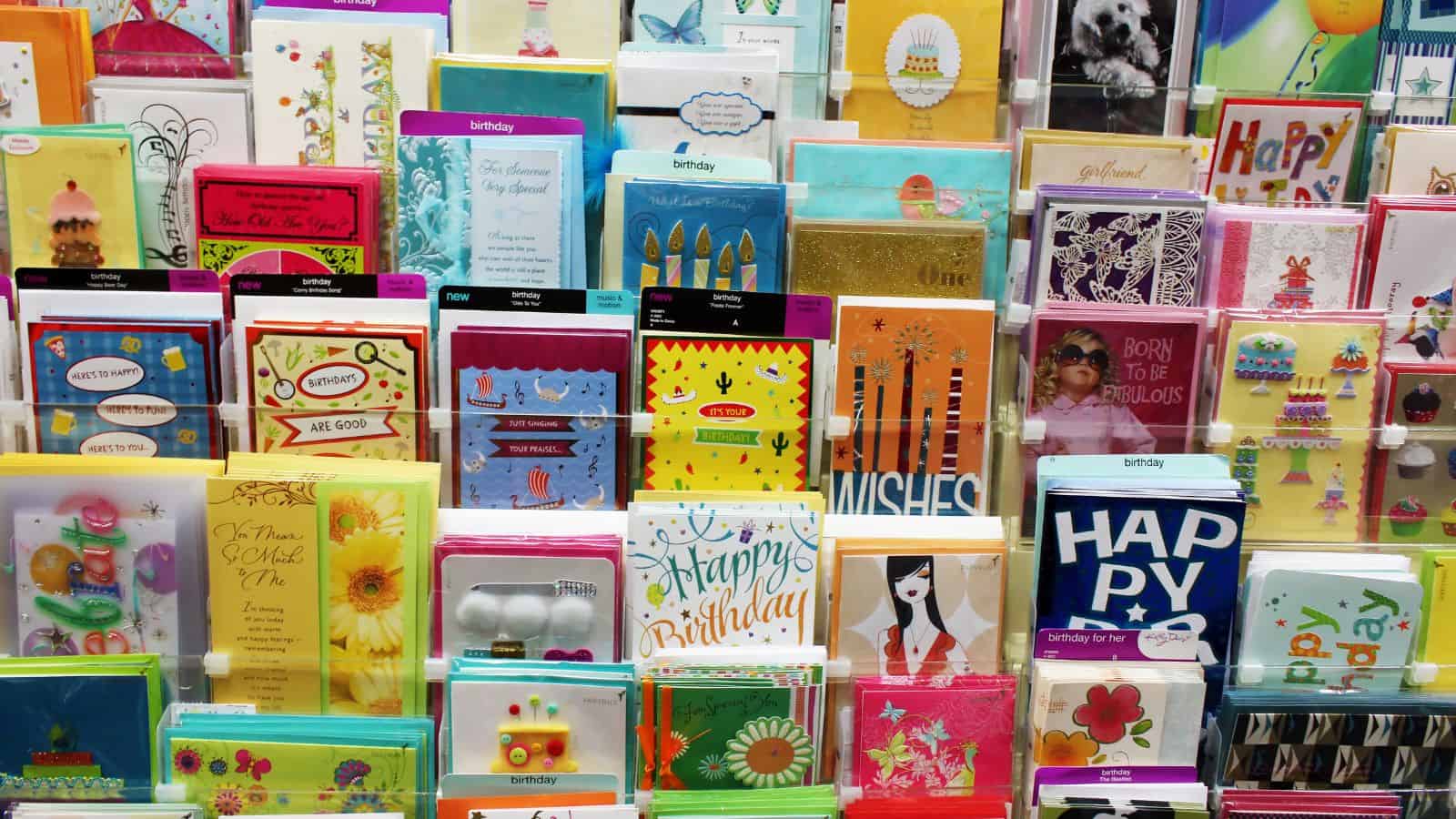
While it’s nice to include a card with a gift, spending $5 to $10 on something that will be read once and then tossed is hard to justify. It adds up fast, especially during holidays or birthdays. These days, sending someone a message or even having a quick video chat can be just as meaningful.
Name-Brand Cleaning Products

So many people default to name brands, but generic or store-brand cleaners often work just as well. Marketing really is just a ploy to get you to pay more for the same thing. When it comes to chemicals, what they are and the specific ratios of active ingredients are tightly regulated. In many cases, the generic is just as good.
Cable TV Packages

With so many streaming options available, paying for a bulky cable package doesn’t make much sense anymore. TV has so many more disadvantages than streaming but fails to make up for them by being cheaper. Most people can get by with one or two subscriptions to their preferred streaming service instead.
Decorative Storage Bins

They’re sold as an easy solution to clutter, but too often they just become part of the clutter. If your house is overflowing with miscellany, cleaning things out rather than introducing new things is the solution you need. Look at the things you own and ask yourself if you really need or use them: if the answer’s no, throw them out.
Scented Trash Bags

They smell nice for about five seconds, until they’re overpowered by lightly fermenting banana peels. Scented trash bags can cost significantly more than unscented ones, but the difference in experience is negligible. A trash can with a lid goes much further in reducing unpleasant odors.
Cheap Tech Accessories

It’s tempting to grab a $3 charging cable or a discount pair of earbuds. But these often break quickly, meaning you’ll spend more replacing them again and again. While it seems counterintuitive in the short term to splurge on an expensive item, the long-term savings speak for themselves.
Air Fresheners
While devices like sprays and plug-ins all promise a fresher home, most just mask odors and need to be replaced constantly. A chronic smell issue requires you to tackle the root cause. If you just want to freshen up your house’s aroma, consider something natural like fresh flowers.
Fast Fashion

Trendy clothes that fall apart after a few washes might feel like a bargain, but over time, they cost more than quality basics. Constant turnover also encourages overbuying, impacting your long-term finances and wreaking havoc on the planet. Look for better quality and more durable pieces, and learn how to patch up small tears.
Pre-Cut Fruits and Veggies
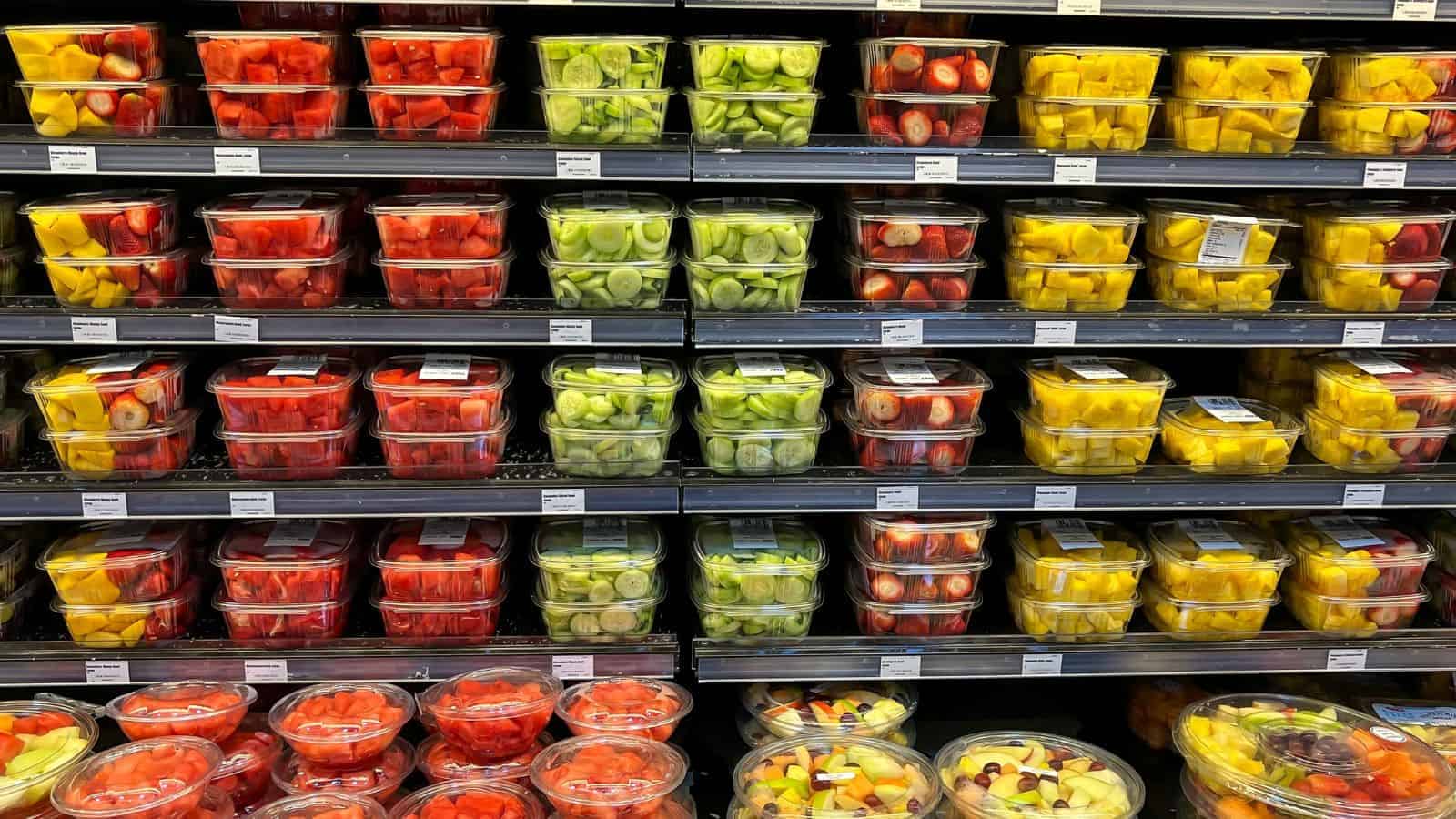
Buying pre-cut produce saves time, but you pay heavily for that convenience. The markup is steep, and the quality tends to drop fast, as pre-cut vegetables lose their freshness faster. With a good knife and a little practice, it doesn’t take much time at all to prep your own meals.
Subscription Boxes

They promised excitement and discovery, and delivered it, too. At least, at first. However, many people eventually get bored, no longer interested in using the things inside. If you find yourself tossing half the box each month, it might be time to cancel and spend that money more intentionally.
Fancy Coffee Drinks

A $6 latte here and there doesn’t seem like much until you realize how fast it adds up. Buying coffee out every day can cost over $1,000 a year, a fairly hefty sum just for getting caffeinated.
You don’t have to give it up entirely, but learning to make a good cup at home can save serious cash. Splash some money on a good-quality thermos, and you’ll be able to enjoy your coffee on the morning commute without breaking the bank.
Designer Baby Clothes

Babies outgrow clothes in weeks, sometimes days. Spending big on tiny outfits might feel special, but it’s rarely worth it. Most parents find that affordable basics get the job done just fine, without having to constantly buy the next size up for the better part of three years.
Gym Memberships You Don’t Use
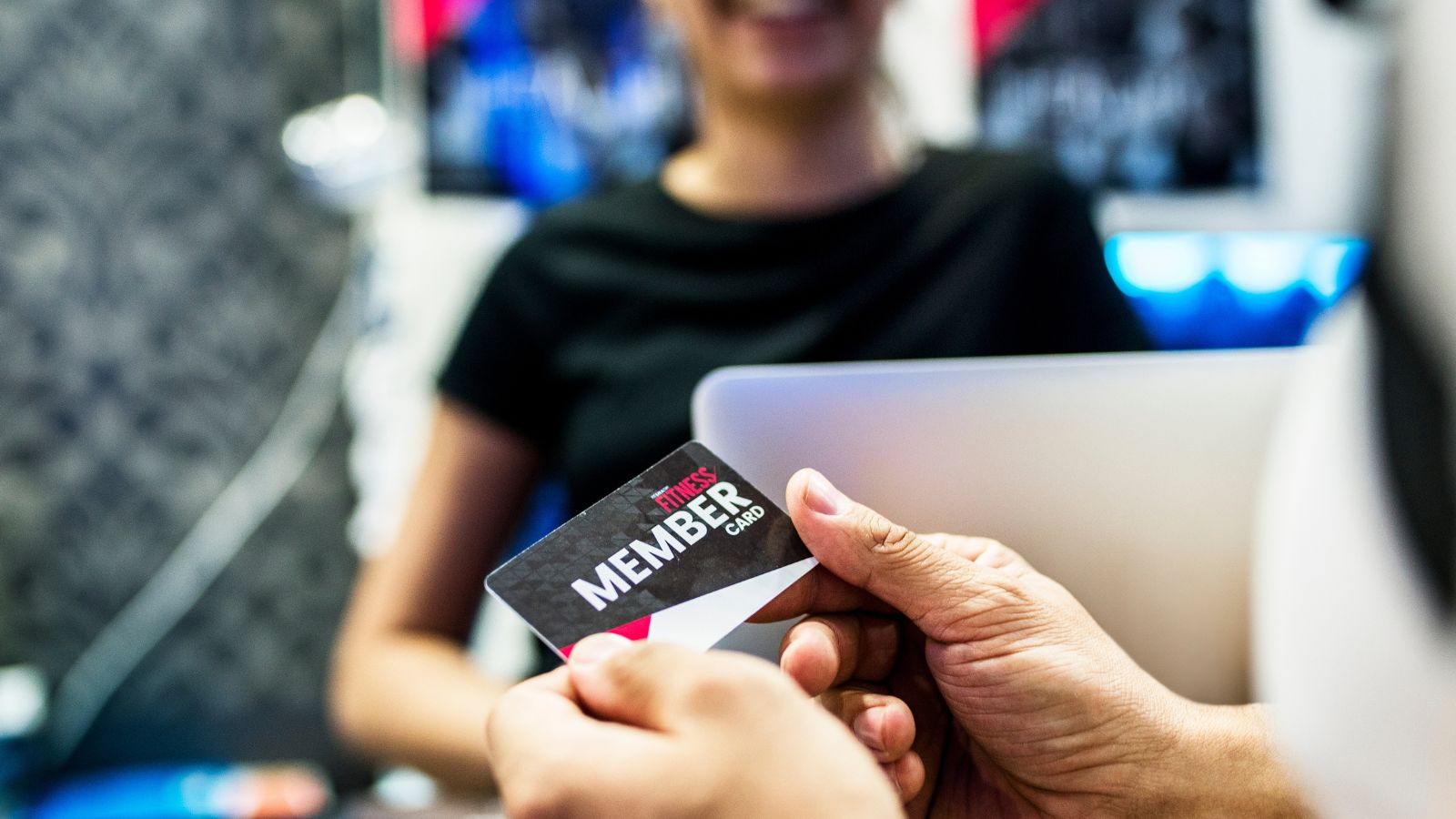
That monthly fee might motivate you for a few weeks, but unused memberships are one of the biggest silent expenses. More often than not, people who aren’t going to the gym really don’t have the time. But you don’t have to give up on your fitness goals: home workouts can be just as effective and far more manageable, without the exorbitant fees.
Diet Fads and Supplements

From detox teas to fat-burning pills, most of these products don’t live up to their promises. You’re left with an emptier wallet and zero lasting results, frustrated at getting burned by another self-proclaimed TikTok guru. Though it might not be novel, exercise, lots of whole foods, and sleeping well form 90% of a healthy lifestyle. Focus on the basics.
Souvenirs

Tourist shops are full of mugs, magnets, and T-shirts that rarely survive more than a few months at home. There’s nothing wrong with wanting to preserve some memories from a trip, but making it more personal can be more meaningful. Consider taking a few photos with a disposable camera or buying items that are locally made.
This article may include content generated by AI and has been reviewed and edited by our editorial team for accuracy and clarity.