
We all know tossing stuff out is part of life, but it’s surprisingly easy to get it wrong. Plenty of everyday items aren’t meant for your regular garbage bin, yet they somehow end up there anyway. However, many of these things are bad for the environment and potentially illegal. Let’s take a closer look at the 16 most common culprits and what to do instead.
Batteries

Old batteries may seem harmless, but they can leak chemicals that pollute soil and water. Car batteries especially contain lead and acid that need proper disposal. Even household AA and AAA batteries can release harmful metals like mercury, which are highly dangerous for animal and plant life.
Instead, many hardware stores offer collection boxes, and some local councils run recycling programs. Some states will even offer you a few cents back for each one you recycle, potentially netting you enough money for a couple of cups of coffee for something you were going to do anyway.
Paint

Leftover paint is one of the worst things to pour down the drain or toss in the trash. Oil-based paints are considered hazardous waste, and even latex paint can contain chemicals that cause long-term environmental harm. While there are collections for disposing of it safely, it’s also worth looking into any charities or community centers that might appreciate some free paint as a donation.
Electronics

While you’d never guess it based on how often people dump old phones or broken headphones into the bin, electronics don’t belong in the trash. These gadgets contain heavy metals like cadmium and lead, and throwing them out contributes to the growing e-waste crisis.
Fluorescent Bulbs

These aren’t like regular light bulbs, which can typically be recycled more easily. They contain small amounts of mercury, which is toxic and must be kept out of the environment. Breaking one in the trash can pose a health risk and create a mess that’s hard to clean.
Medications

An under-discussed but surprisingly pressing problem is the issue of people flushing expired pills or throwing them out. Testing on water supplies in some regions has found not insignificant quantities of medications have built up in the water supply, which could have far-reaching health consequences for those relying on it.
Cooking Oil

Pouring oil down the sink or dumping it in the trash might seem convenient, but it can clog pipes and cause sewer blockages. Instead, let it cool, store it in a sealed container, and take it to a recycling facility. Better still, some areas even offer collections for used oil, where it’s turned into biodiesel.
Aerosol Cans

That half-full can of hairspray or bug spray is among the most hazardous waste. Pressurized cans can explode under heat or pressure, making them a danger in landfills. Even when they’re empty, the residual chemicals inside can still harm the environment.
Thermometers
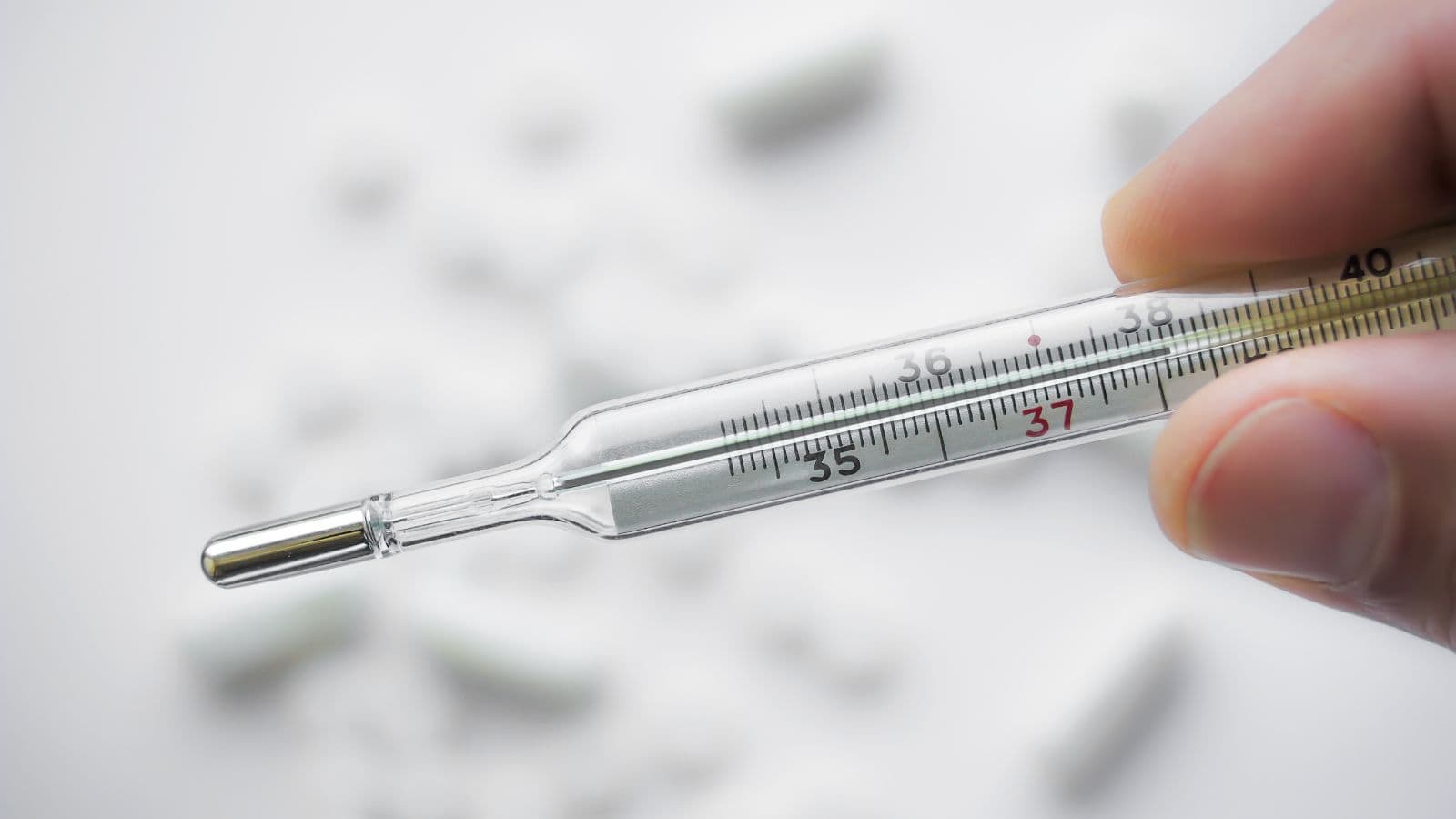
Old-school thermometers, especially the mercury kind, should never go in the trash. Mercury is toxic, and even a small amount can contaminate large areas if it leaks. The problem with heavy metals is how they build up in organisms, affecting every creature on the food chain, including us.
Compact Discs and DVDs

You probably have a stack collecting dust somewhere, and when the time comes to declutter, it’s tempting to just toss them. However, these discs are made from materials that don’t break down easily and release toxins when incinerated. Unfortunately, such dated tech is difficult to donate, as there’s pretty much no demand for it, so look for recycling centers instead.
Pesticides and Herbicides

Those half-empty bottles in the shed aren’t just unsightly – they’re also dangerous. Tossing them in the trash puts sanitation workers at risk and can leak chemicals into the ground. Local hazardous waste centers typically accept these, and some even offer pickup services.
Cleaning Products

Not all cleaning products are harmful, but many contain bleach, ammonia, or acids that should never go into general waste. If mixed, these chemicals can react and release toxic gases. When they are tossed away, the possibility for spills and accidental mixing increases.
Pouring them down the drain isn’t a safe solution either, as they’re then liable to contaminate local water sources. Try to use them up or donate what’s left to a local shelter. For partial containers, your city’s hazardous waste program is your best bet.
Car Fluids

Motor oil and antifreeze are both toxic and flammable. You may not realize it, but chucking them in the trash or tipping them down the drain is illegal in much of the country. As with any such substance, look for a specialist who can accept them for proper recycling.
Ink Cartridges

Most people toss used cartridges without thinking, but they’re filled with leftover ink and non-biodegradable plastics. The good news is, nearly every major printer brand has a recycling program, often giving you back a little money or a discount on your next purchase in return.
Tires

Abandoned tires can become breeding grounds for mosquitoes and are a huge fire hazard. They’re also notoriously difficult to decompose, taking literally hundreds of years to naturally break down. Tire shops usually accept old ones when you buy replacements, and some recycling centers accept them year-round. If you’ve got more than a few, call ahead.
Power Tools

While you might see them as only junk cluttering up your garage, broken drills and saws contain rechargeable batteries and metal parts that shouldn’t be thrown away. These can be recycled at special e-waste collection events or taken to hardware stores that will take them off your hands.
Mattresses

Finally, there’s the dreaded old mattress. They’re bulky, heavy, and filled with materials that don’t compact well in landfills. Next to impossible to donate, as no one wants someone else’s crusty old mattress, they’re always a pain to deal with. Your best bet is to check if your city has a pickup program.
This article may include content generated by AI and has been reviewed and edited by our editorial team for accuracy and clarity.