
As people get older, their social circles often shrink, and they might seem less interested in engaging with others. While it can seem puzzling or even sad, there are a variety of reasons why older individuals may pull back from conversations. Understanding these reasons can help us approach the situation with empathy and insight. Let’s explore some of the common factors behind this shift in behavior.
They Value Their Peace

As people age, they often crave peace and quiet more than anything else. Life can become overwhelming, and with fewer responsibilities, the desire for calm becomes stronger. This shift leads them to prefer solitude over social interactions, which might once have been enjoyable.
Health Issues Make Communication Harder
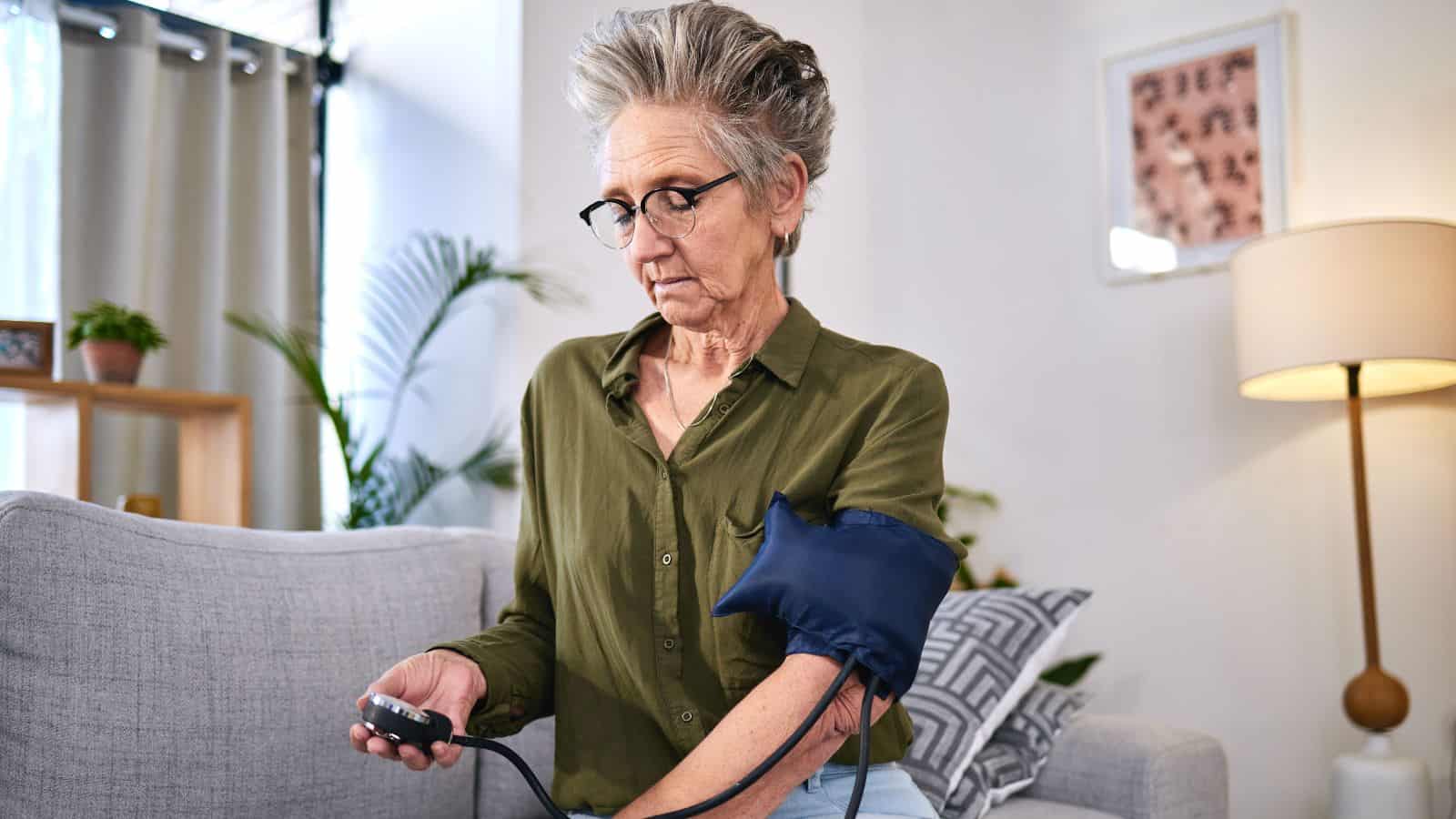
Chronic illnesses or physical limitations are some of the primary reasons why older people retreat from socializing. Even something like minor hearing loss can make conversation a frustrating experience, causing some older people to shy away from it.
In addition, conditions like arthritis can make it physically difficult to engage in long discussions or even use the phone. When the effort to speak no longer feels worth it, many withdraw from trying.
Social Fatigue Sets In

The older we get, the more we realize that not every conversation is worth having. For older individuals, years of socializing can lead to a feeling of exhaustion. After living a life full of new acquaintances and old friends, it eventually feels like the world just runs out of things to talk about. Simply put, they’ve heard it all.
The Need for Mental Space

Mental health also plays a key role in an older person’s desire to disengage. Anxiety, depression, or cognitive decline can reduce the energy required to interact with others. Many mental health issues cause the sufferer to pull away from others, whether consciously or unconsciously.
They Feel Misunderstood

Sometimes, the gap between generations can feel vast, and older people may find it difficult to relate to or communicate with younger generations. There may also be a perception that younger people do not understand the complexities of their experiences or struggles. And on the flipside, some younger people can be dismissive of older people, believing them too stuck in their ways and unable to adapt to a new world.
Technology Makes Things More Complicated

In today’s world, technology can be an obstacle for older individuals trying to stay connected. As we’re all acutely aware, the mediums we use to have conversations can heavily influence how we converse. Nowadays, when everything is digital, communication can feel strangely impersonal to those used to meeting face to face.
They No Longer Feel the Need to Please

Perhaps one of the greatest blessings of aging is the diminishing need to please others. Older individuals, who may have spent much of their younger years trying to be agreeable or fit in, might start to focus on what truly matters to them. Keeping up with the latest fashions and worrying about what everyone thinks just loses importance in the grand scheme of things.
Fewer Opportunities for Socializing

Retirement or a reduction in social events can limit the opportunities older individuals have to interact with others, isolating them from others. As friends pass away or become ill, it can feel as though there’s no one left to connect with. With fewer invitations to gatherings or events, they might simply stop making an effort to speak to others.
This can be something of a vicious cycle, too. A shrinking social circle often leads to less communication and, in turn, a growing desire for solitude.
The Impact of Loss

The tragedy of a long life is outliving many of the people who have been long-term companions. Losing loved ones can deeply affect an individual’s willingness to speak to others. Grief is isolating, and many older individuals may withdraw after the loss of a spouse, friend, or family member.
They’ve Had Their Fill of Drama
In their later years, many people simply don’t want to engage in drama or unnecessary conflict. The older generation tends to value stability and peace over the complexities of modern life, where trivial issues often take center stage.
Physical Changes Lead to Withdrawal

Aging can also bring about changes in physical appearance that affect self-esteem. Older individuals may feel less confident about how they look or sound, especially if they experience difficulty with speech or mobility. When feeling self-conscious, it can be hard for some to engage fully in social situations.
They May Be Feeling Lonely but Don’t Want to Admit It

Loneliness becomes a silent companion for some older people, but they may not express it. Not knowing how to broach the topic, they might stop speaking to others, largely out of fear of expressing their struggle. It’s a complicated feeling that isn’t always easy to talk about.
It’s Easier to Disconnect Than Deal with Rejection
Unfortunately, not everyone looks back on their life fondly. Those who have faced rejection or exclusion throughout their lives may withdraw from social interactions as a defense mechanism. Rather than risk being disappointed again, they choose to stop reaching out.
They Don’t Want to Be a Burden

As they age, some individuals feel like a burden to their loved ones, especially if they rely on others for assistance. Instead, they choose to quietly step aside and let younger family members live without them. In a way, they see it as preserving their dignity and avoiding making others uncomfortable.
This article may include content generated by AI and has been reviewed and edited by our editorial team for accuracy and clarity.