
When you’re a kid, your imagination is vast enough that you could believe just about anything. The world seemed full of magic, and if an adult said something, we took it as fact, no questions asked. Now that we’re older, it’s fun (and kind of embarrassing) to look back at these 15 things we once swore were true.
Swallowed Gum Stays in Your Stomach for Seven Years

Spit it out or you’ll regret it for nearly a decade – that’s what we were told. Most of us grew up believing that if you swallowed gum, it would just sit there in your stomach for seven years, like a sticky time bomb.
In reality, gum doesn’t break down like other food, but your body knows how to move it along. It travels through your digestive system and exits the normal way, usually within a few days. Crisis avoided.
Cracking Your Knuckles Will Give You Arthritis

This one made a lot of kids flinch mid-pop. The moment your knuckles made that satisfying snap, someone nearby – probably a grandparent – warned you about getting arthritis when you’re older. But studies haven’t found any solid link between cracking your knuckles and developing joint problems. What’s actually happening is a gas bubble popping in your joint, not damage being done.
If You Cross Your Eyes, They’ll Get Stuck That Way

Parents had this one locked and loaded every time we pulled a goofy face. You’d go cross-eyed to make your friend laugh, and someone would immediately say, “Stop that or your eyes will stay like that forever!”
It sounded scary enough to stop you in your tracks. But here’s the truth: your eye muscles are flexible, and crossing them briefly doesn’t cause permanent damage. They’re just doing what muscles do – moving around when you tell them to.
Eating Pop Rocks and Drinking Soda Will Make You Explode

Back in the day, this one felt oddly specific – and terrifying. Some kids were absolutely convinced that mixing Pop Rocks with soda would make your stomach blow up. There was even a rumor that a kid on a commercial died from it, which only made the myth more believable. The truth is, both Pop Rocks and soda release carbon dioxide, but not nearly enough to cause harm.
Touching a Toad Will Give You Warts

Toads had a bad rap thanks to this myth. Any time we saw one in the yard, someone would warn us not to touch it unless we wanted warts all over our hands. The idea stuck because toads have bumpy skin, but warts are actually caused by a virus, not frogs or toads. Unless a toad is carrying HPV (which it isn’t), your skin is safe.
If You Swallow a Seed, a Plant Will Grow in Your Stomach

It’s the kind of thing that sounds just real enough to scare a kid. You’re munching on a slice of watermelon, accidentally swallow a seed, and then you’re convinced a whole vine is going to start growing inside your belly. Of course, seeds need sunlight, soil, and the right conditions to grow – none of which exist in your digestive system.
Lightning Can Strike You If You Use Electronics During a Storm

As soon as thunder rolled in, you were told to unplug everything and get away from the TV. The warning made it sound like lightning was just waiting to zap you through your Nintendo.
While lightning can travel through wires and plumbing, modern houses are grounded pretty well. It’s smart to be cautious during a storm, but the odds of your Game Boy attracting lightning were basically zero.
Shaving Makes Hair Grow Back Thicker

No matter what part of your body it was, someone always said, “Don’t shave it or it’ll come back thicker!” That warning had a lot of kids holding off on razors. What actually happens is that shaving cuts hair at the surface, leaving behind a blunt edge that feels thicker, but it’s not. Hair growth is controlled by your follicles and hormones, not by your razor.
Santa Is Always Watching

There was something oddly unsettling about being told Santa was watching you all the time. He sees you when you’re sleeping and knows when you’re awake? Sounds more like a stalker than a jolly gift-giver. But that myth worked like a charm, and kids shaped up fast during December.
You Have to Wait an Hour After Eating Before Swimming

Everyone heard this one at the pool. You’d finish lunch and dive toward the water, only to be pulled back with, “You’ll cramp and drown!” The idea was that your body would send all its energy to digestion, leaving your muscles helpless in the water. In reality, mild exercise like swimming after eating is totally safe for most people. If anything, the only real risk was getting a side stitch, not sinking to the bottom.
If You Tell a Lie, Your Nose Will Grow

Thanks to Pinocchio, this one had us checking the mirror every time we bent the truth. Kids got nervous that even the tiniest fib would cause their nose to grow right there on the spot. The story was meant to teach honesty, but the image stuck. Of course, lying doesn’t trigger any physical change in your face – just your conscience.
Goldfish Only Have a Three-Second Memory

This myth gave goldfish a reputation for being adorably clueless. Drop food in the tank and people claimed they forgot about it three seconds later.
But goldfish are a lot smarter than they get credit for. Studies have shown they can remember things for weeks, even months. They can recognize their owners, learn feeding schedules, and even do simple tricks. So no, they’re not just swimming around in a fog – they know what’s up.
Sitting Too Close to the TV Will Ruin Your Eyes

Parents shouted this one across the room constantly. Sit too close and you’d go blind – simple as that. It turns out, sitting close to the TV might make your eyes work harder, but it doesn’t cause permanent damage. Back in the ‘60s, some TVs did emit harmful radiation, but that’s ancient history now.
Your Tongue Has Different Zones for Different Tastes
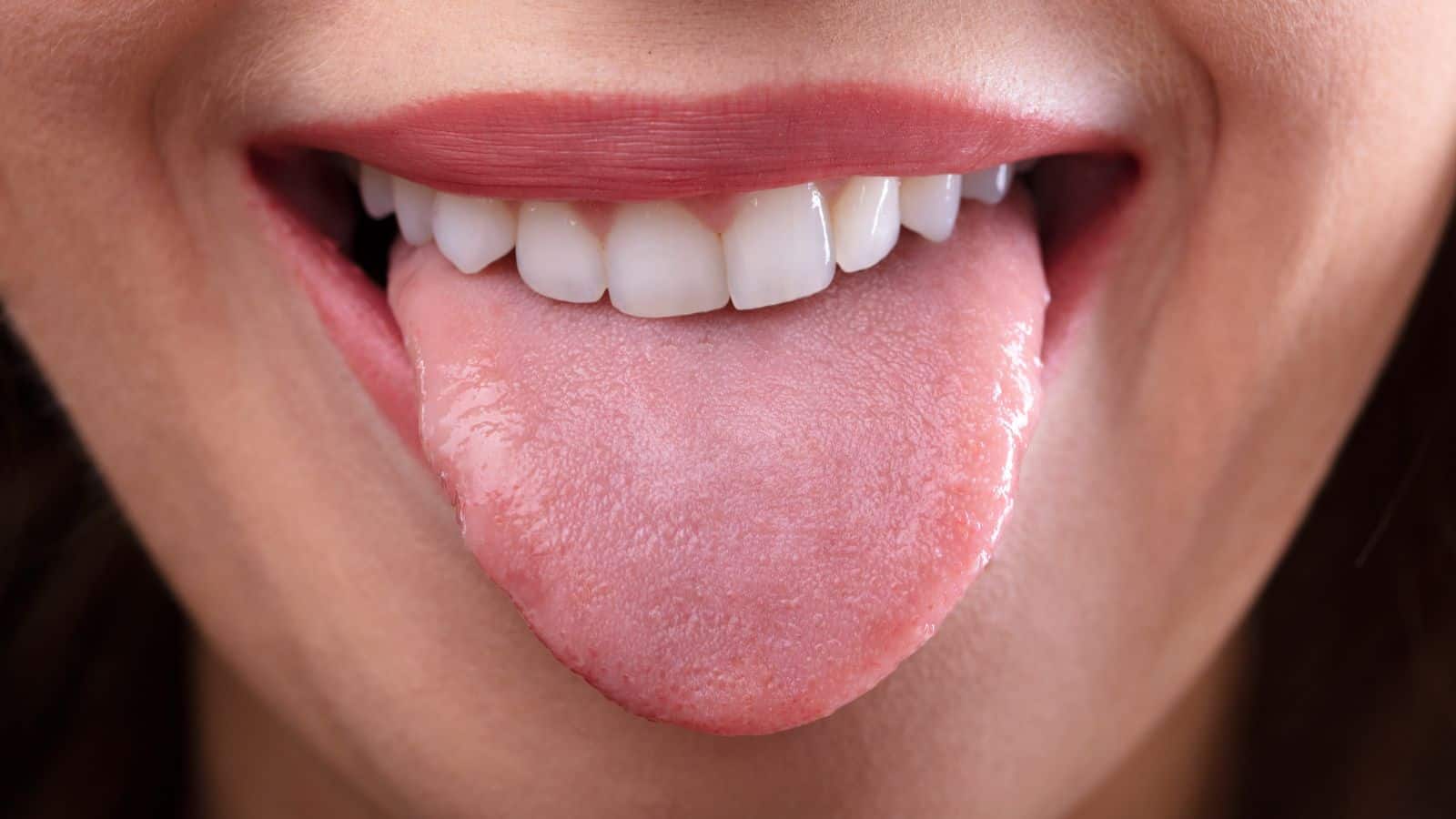
Science class even backed this one up with diagrams. Sweet at the tip, bitter at the back, sour on the sides – it was all mapped out. But that’s not how taste actually works. While some areas are slightly more sensitive to certain flavors, your entire tongue can detect all tastes. The idea came from a misinterpreted study in the 1900s that somehow made its way into textbooks.
If You Pee in the Pool, It’ll Turn Blue

The fear of being outed by a giant blue cloud kept many kids from testing the waters. Supposedly, pools had a special chemical that would react to pee and expose the culprit instantly. That myth worked so well because no one wanted to be humiliated mid-cannonball. In truth, no such chemical exists – at least not one commonly used. Pool chemicals kill germs, but they won’t rat you out with a dye.
Some content in this article was generated with the help of AI and has been carefully edited by our team to meet our editorial standards.