
Millennials are reshaping how we shop, and their choices are changing the way businesses operate compared to older generations. They’re spending less on traditional items and focusing more on convenience and sustainability, meaning these 14 items just don’t hold the same appeal for younger buyers anymore.
Cable TV

Traditional cable TV used to be the go-to way to watch shows and catch the news, but today, millennials are all about flexibility and streaming what they want, when they want. The idea of paying a hefty monthly bill for hundreds of channels, most of which never get watched, just doesn’t make sense anymore.
Landline Phones

Once considered essential in every household, landline phones have lost almost all relevance for younger generations because smartphones handle everything including calls, texts and even banking and grocery shopping. This means a wired phone that stays in one room just seems unnecessary, and most people under 40 have never even set up a home phone in their adult lives.
Fine China Sets

Something you pulled out for special occasions or proudly displayed in a dining room cabinet was a set of fine china, yet due to the fact that many young adults live in smaller spaces, they just don’t have the room or desire to haul around a box of fragile dishes.
Plus, most don’t see the point in having separate “fancy” plates they use once a year when they prefer everyday dinnerware that looks good and works well without the fuss.
Fabric Softener

This old-school laundry staple is falling out of favor, and fast, when younger people are increasingly skipping fabric softener entirely. They’re citing concerns about environmental impact and unnecessary spending, with the majority feeling that detergent alone gets the job done just fine.
Napkins

The humble paper napkin is quietly disappearing from kitchens, too, and it’s largely because people these days just don’t see the need. They’re more likely to use reusable dish towels for quick clean-ups and meals, and since so many people eat on the go, traditional napkins at home feel unnecessary.
Bar Soap

Body washes come in a wider variety of scents and formulas, and the pump or squeeze bottles are often seen as more convenient than bar soap, particularly when sharing a bathroom.
Plus, the packaging is often more appealing to younger adults who care about branding and design, and who feel that bar soap is messy and unhygienic.
Doorbells

Everything is connected to smartphones now, therefore it’s no surprise that the traditional doorbell is being pushed aside when you’re much more likely to install a smart doorbell or rely on motion alerts from camera systems. Some people just skip it altogether, preferring a text message or call to let them know someone’s at the door.
Cereal
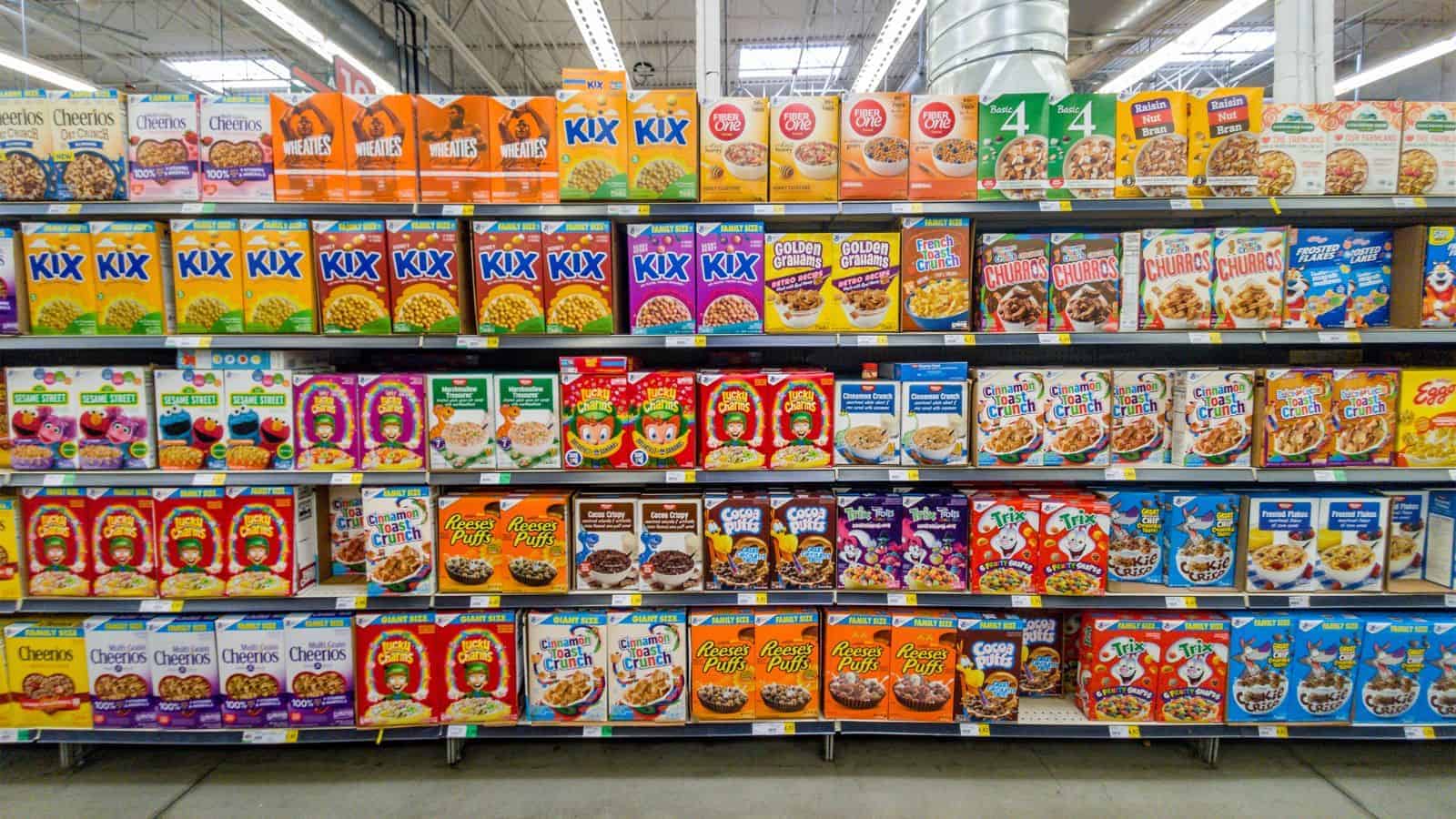
Believe it or not, the breakfast cereal aisle isn’t as busy as it used to be, and more conscious younger adults see it as too sugary or just inconvenient compared to quicker options. Things like smoothies and overnight oats are on the rise, especially for busy mornings, so cereal has become more of a snack than a breakfast staple.
Department Store Credit Cards

For younger shoppers, flexibility and financial security matter more than a one-time discount at checkout, despite the fact that back in the day, getting a store credit card felt like a rite of passage. The reality is that young shoppers are way more cautious with credit when they’re managing student loans and rent, so cash back across all purchases is preferable.
Alarm Clocks

Traditional alarm clocks used to sit proudly on nightstands, didn’t they? However, these days, younger generations don’t really see the need for one when their smartphone does everything and more – bonus, phone alarms can be customized, repeated, snoozed, and linked to apps that track sleep.
Single-Use Cameras

Having their heyday in the ’90s and early 2000s, single-use cameras have now been rendered almost obsolete thanks to smartphones. Young people love taking pictures, sure, but they want instant results and the ability to share them online right away, so the idea of waiting days to develop a roll of film is a no-go.
Patterned China Figurines

Once-beloved collectibles often get passed down and end up boxed away or donated because no one really knows what to do with them. Delicate ceramic figurines that used to be a popular gift or collector’s item now take up too much space and collect dust, as well as failing to match the modern, minimalist aesthetic many younger people prefer.
Magazines

Why wait for a monthly issue when the same content is available online, updated daily, searchable, and free? Print magazines are facing a serious decline, and more recent generations are a big reason why, when they’ve grown up with digital content – so flipping through glossy pages feels outdated at best.
DVD and Blu-ray Discs
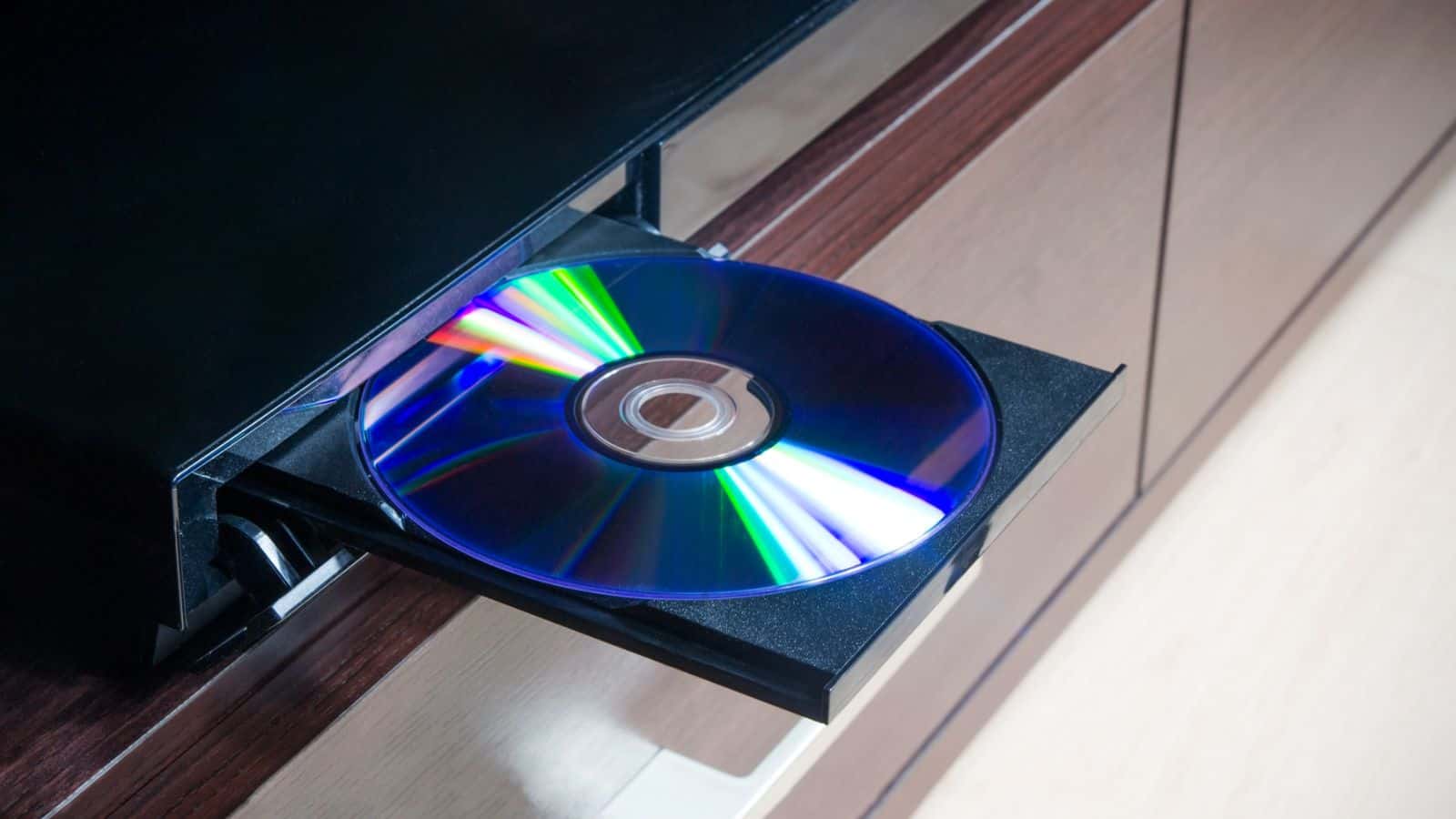
For this generation, convenience and instant access far outweigh the nostalgia of physical formats like DVDs and Blu-rays, which are quickly becoming relics of the past. To keep physical media, you need to store bulky cases or even owning a dedicated player, which feels unnecessary when nearly everything is available at the click of a button and where digital downloads take precedence.
This article may include content generated by AI and has been reviewed and edited by our editorial team for accuracy and clarity.