
It’s funny how quickly everyday things can go from “must-have” to totally forgotten. As technology evolves and lifestyles shift, plenty of items that were once part of daily life have quietly disappeared from homes across the country. Most of us don’t even realize these 15 things have gone until we pause and think, “Wow, when’s the last time I used that?”
Landline Telephones
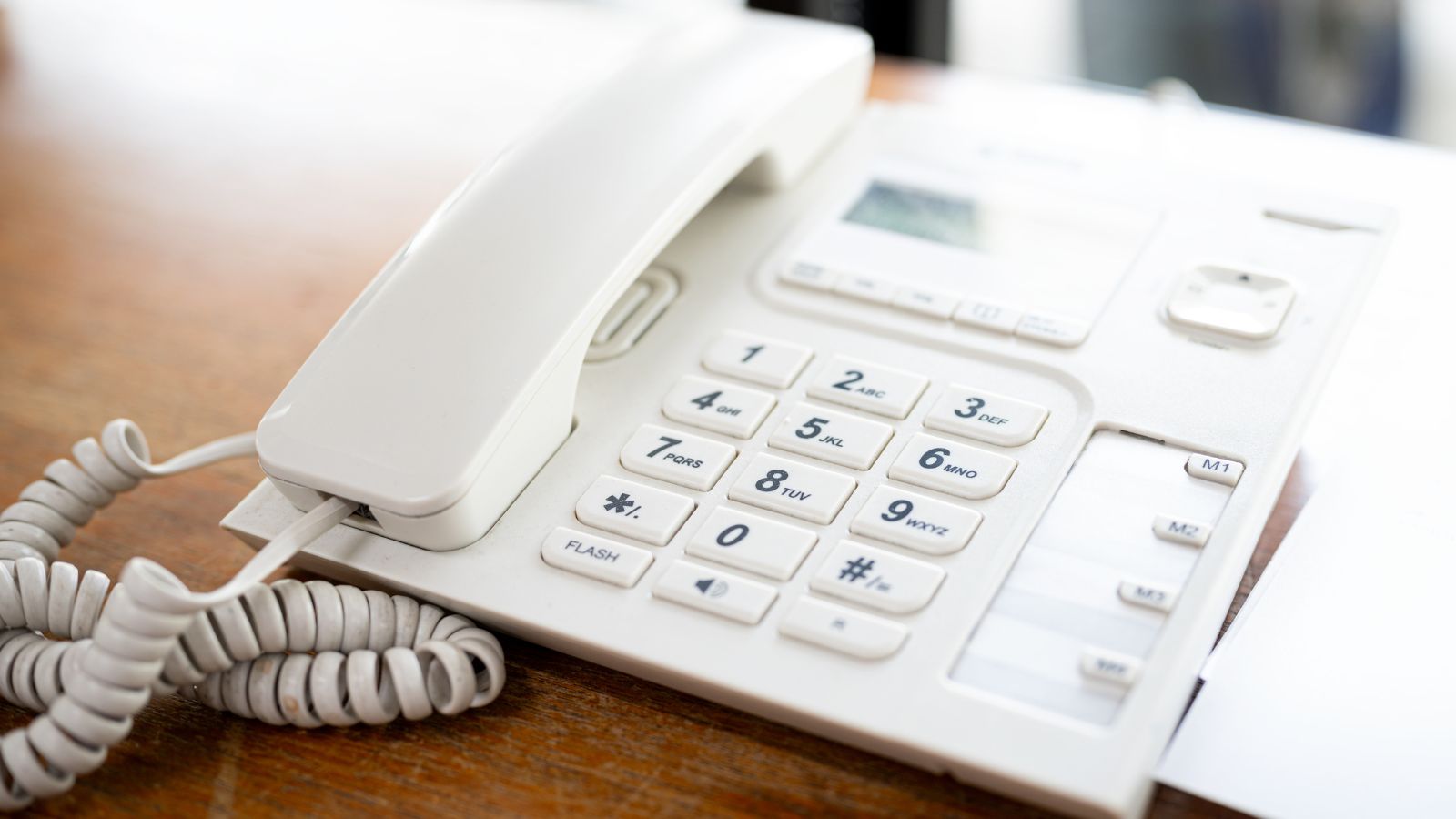
Do you remember a time when the home phone was the hub of household life? Picking up a ringing landline or memorizing phone numbers felt normal, even essential, but the rise of smartphones has changed all that. These days, it’s rare to see anyone under 40 with a landline, and many households have ditched them altogether.
Answering Machines

Let’s be honest, hearing that familiar beep followed by someone’s recorded message used to be a daily routine. Now, voicemail has moved into the digital age and is built right into our phones and accessible from anywhere.
Those bulky little machines with blinking lights have been unplugged and boxed away for good. And honestly, with transcribed messages and push notifications, there’s nothing we really miss about them.
Yellow Pages
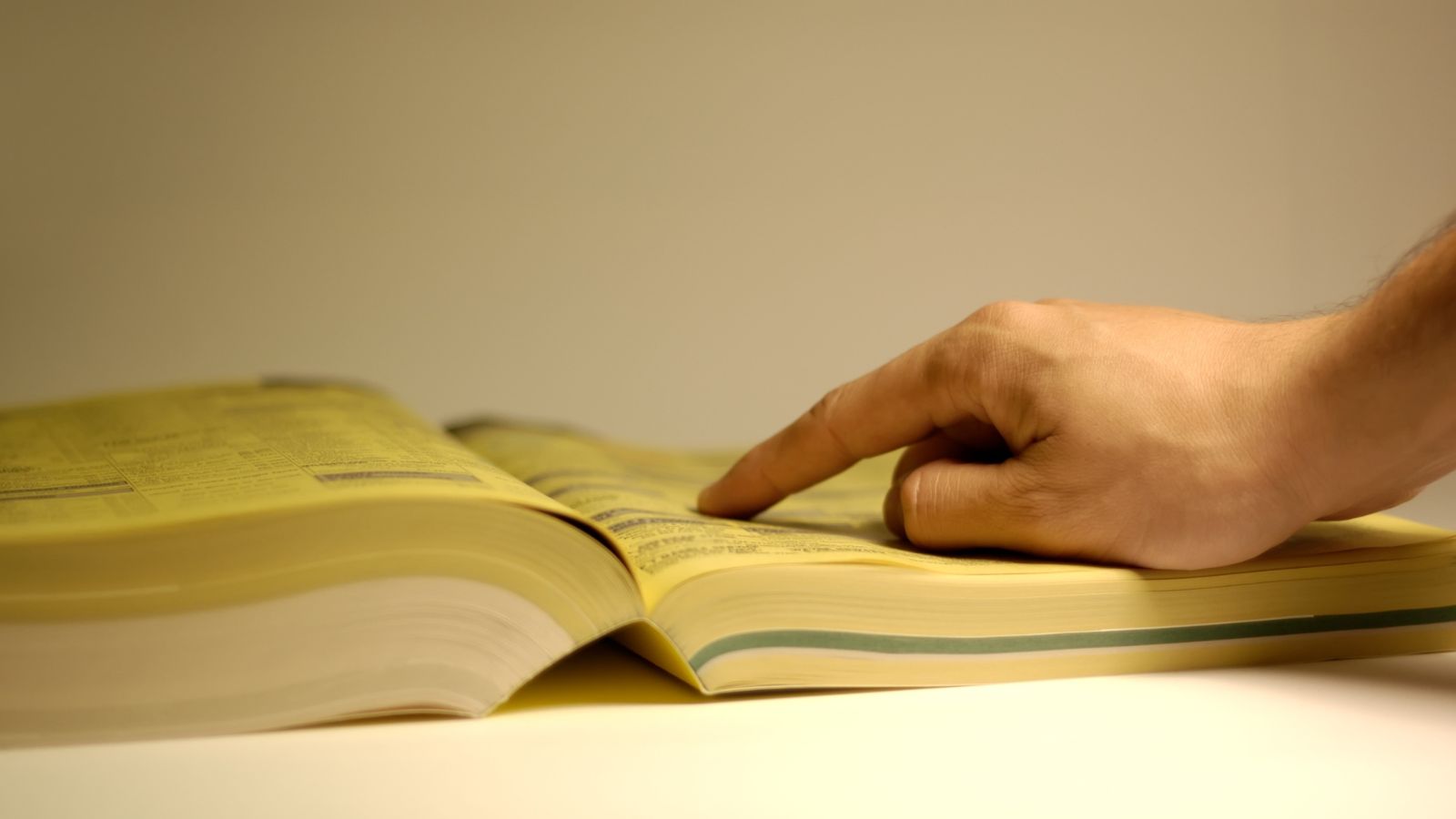
It was never a surprise to find that hefty, yellow-brick phone book on your doorstep, but these days, they are few and far between. With Google and Yelp just a tap away, the Yellow Pages have lost their relevance and their usefulness now, and most households breathe a sigh of relief when they don’t see it clogging the mailbox. In a world where digital search is faster and more accurate, the once-essential directory has been downgraded to clutter.
Paper Maps

What used to be considered a road trip essential has mostly disappeared from daily use. GPS and phone apps now guide us turn by turn and keep us out of traffic jams, and compared to the convenience of digital directions, those oversized maps just feel clunky and outdated.
Rolodexes

You’d think that some offices would keep these handy little gadgets on their desks, because after all, they were packed full of business cards and handwritten contacts. These days, all of that information lives in our phones or email platforms, searchable and synced to the cloud, and there’s simply no need to flip through cards when a name or number is just a few keystrokes away.
VCRs and VHS Tapes
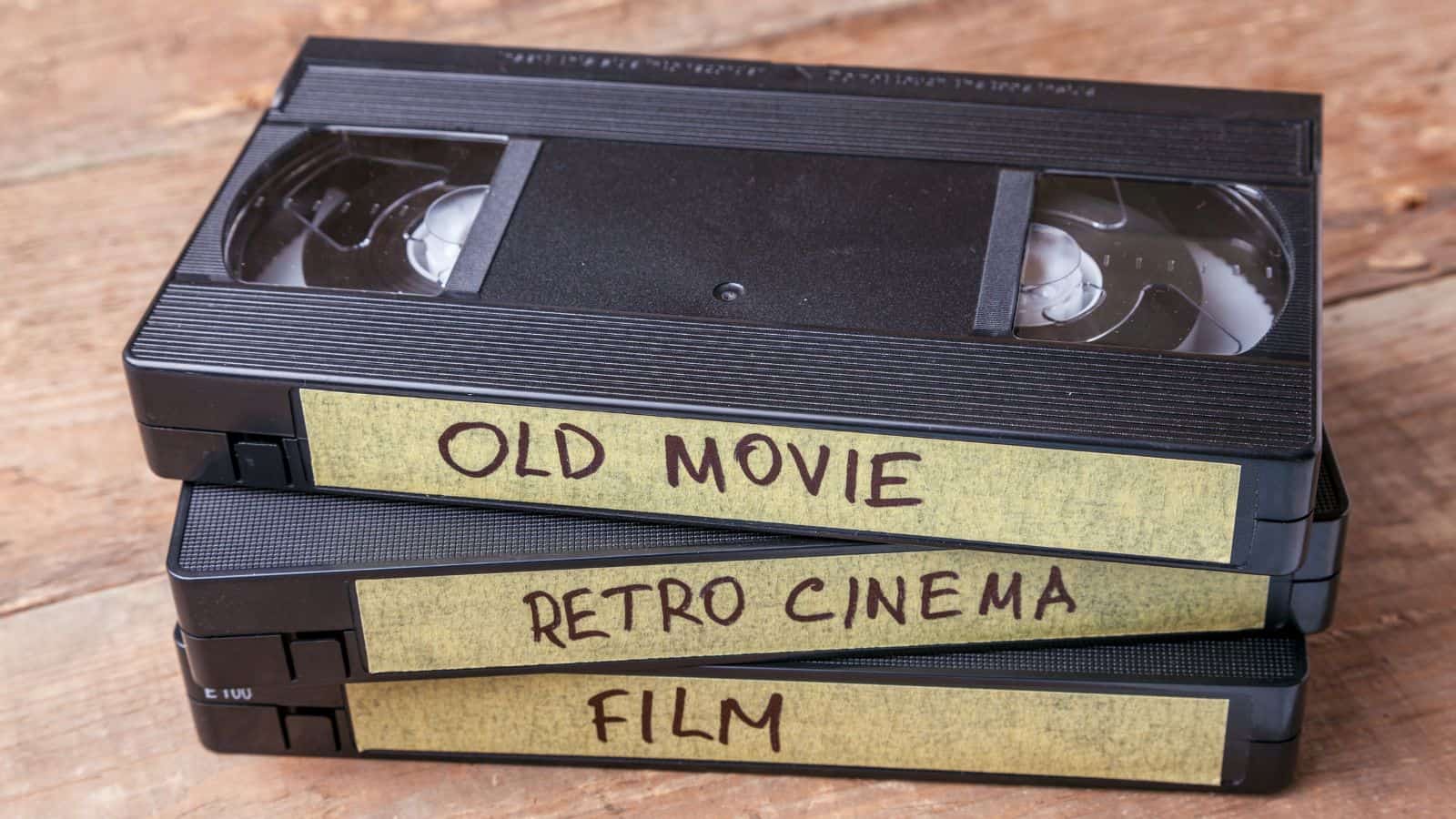
Most people can remember when movie nights used to mean sliding a VHS tape into the VCR and hoping it didn’t need to be rewound. Today, between streaming services and digital libraries, watching a film is as simple as hitting “play.”
Checkbooks

What was once a common sight at checkout counters is now almost a novelty. Few people rely on checkbooks for everyday transactions anymore, and some haven’t written one in years. With mobile banking and automatic bill pay, money moves faster and easier than ever, and for most Americans, checks have quietly become part of the financial past.
Alarm Clocks

A lot of young people won’t remember this, but there was a time when a buzzing alarm clock was the first, and most dreaded, sound of the day. Smartphones have since taken over, replacing radios with sleek devices that handle everything.
As people lean into tech-driven morning routines, traditional alarm clocks have been left behind, unplugged and collecting dust. What was a bedroom staple is now just another casualty of our all-in-one devices.
Typewriters
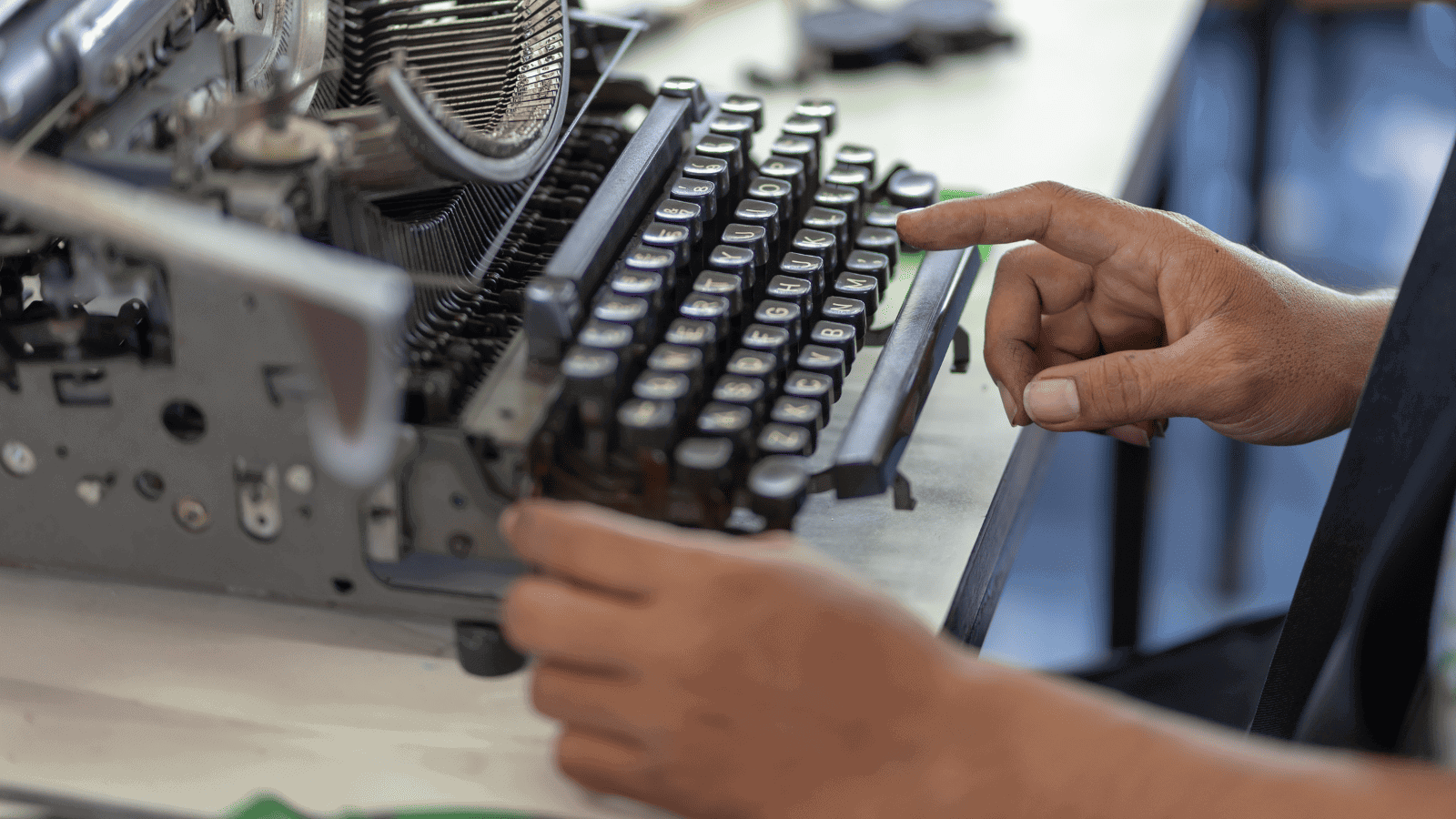
Long before the age of screens, the click-clack of typewriter keys filled offices and classrooms, but their charm couldn’t compete with the convenience of computers and digital editing tools. With no backspace key and no room for error, even the most disciplined typists welcomed the shift. Now, typewriters are more about vintage vibes than practical use, admired by collectors and hipster cafés.
CD Collections

It wasn’t that long ago that shelves full of CDs were the hallmark of a true music lover, and you’d flip through jewel cases and craft the perfect mix. But those stacks have now been boxed up or donated, replaced by streaming services offering millions of tracks at your fingertips, and even new cars are ditching CD players for Bluetooth and USB support. Digital platforms have successfully rendered CDs obsolete, turning once-prized collections into little more than storage space hogs.
Film Cameras

At one time, snapping a photo was a thoughtful act of loading the film and hoping you got a good shot. You had to wait days for the prints, and then hoped for the best but lived with the results. Now, smartphones let us shoot and share in seconds, and while film still finds fans among artists and purists, the average person has traded darkrooms for cloud storage.
Fax Machines

You may not realize that fax machines once held their ground, even as emails and PDFs took over the office world. For decades, industries clung to them out of habit, but eventually, the tide turned. Scanning and emailing documents became the norm, and now, the sight of a fax machine sparks confusion more than nostalgia.
Encyclopedias
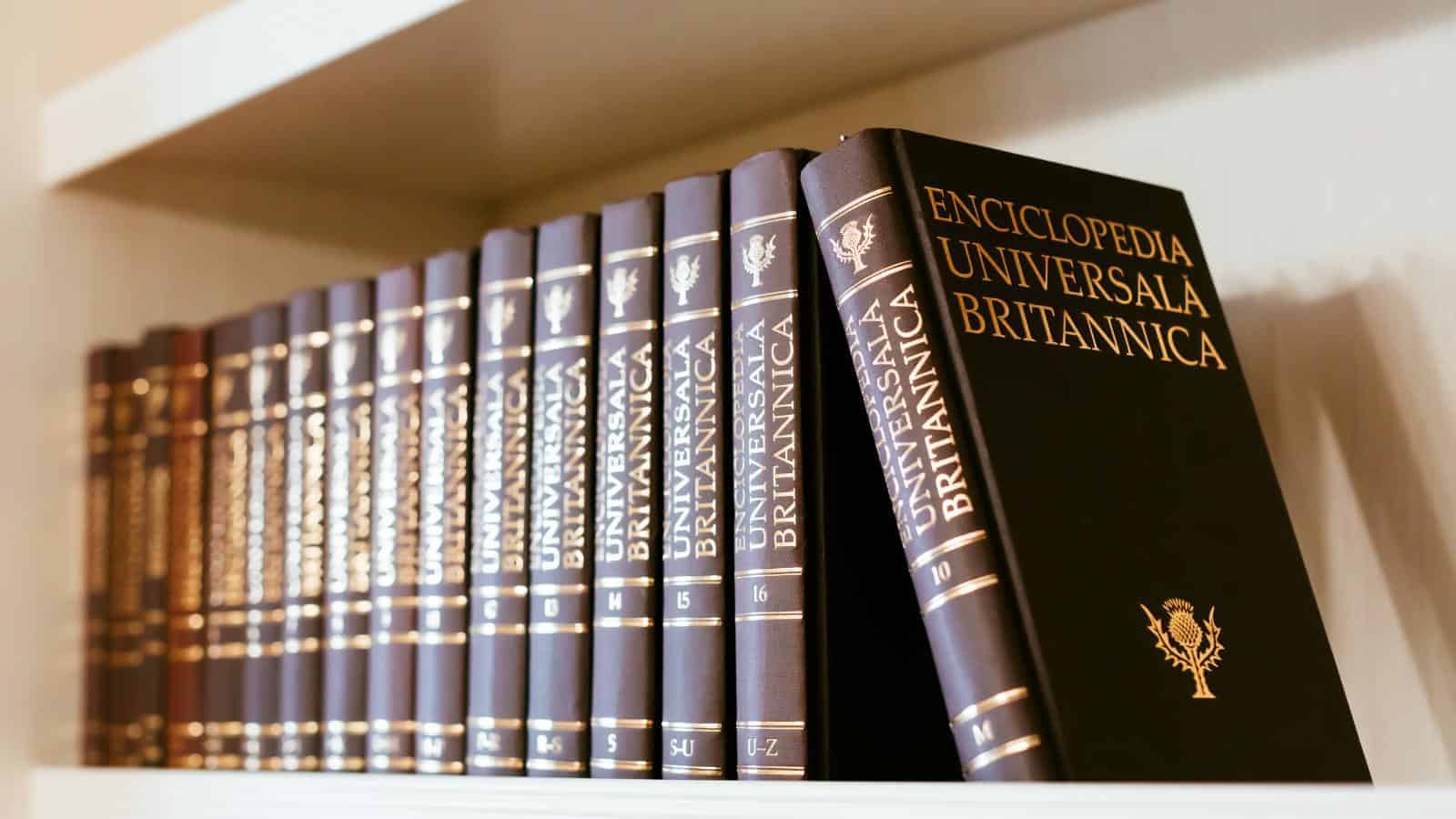
It might come as a shock to modern folks, but encyclopedias were how families learned about everything from volcanoes to Van Gogh. Owning a full set was a source of pride, and flipping through those glossy pages felt like a journey.
But the internet changed everything, and now, we can access constantly updated, hyper-specific information in seconds. While some still admire their beauty and heft, encyclopedias now collect dust more than curious minds.
TV Guides

It’s no secret that flipping through a printed TV Guide used to be a weekly ritual, and your evenings would be planned around primetime lineups. But with digital cable and streaming platforms, the idea of checking a paper schedule is now ancient, and built-in channel guides have made printed guides irrelevant. What was once an essential household item has quietly disappeared from coffee tables, and the modern viewer simply clicks and watches.
Carbon Paper
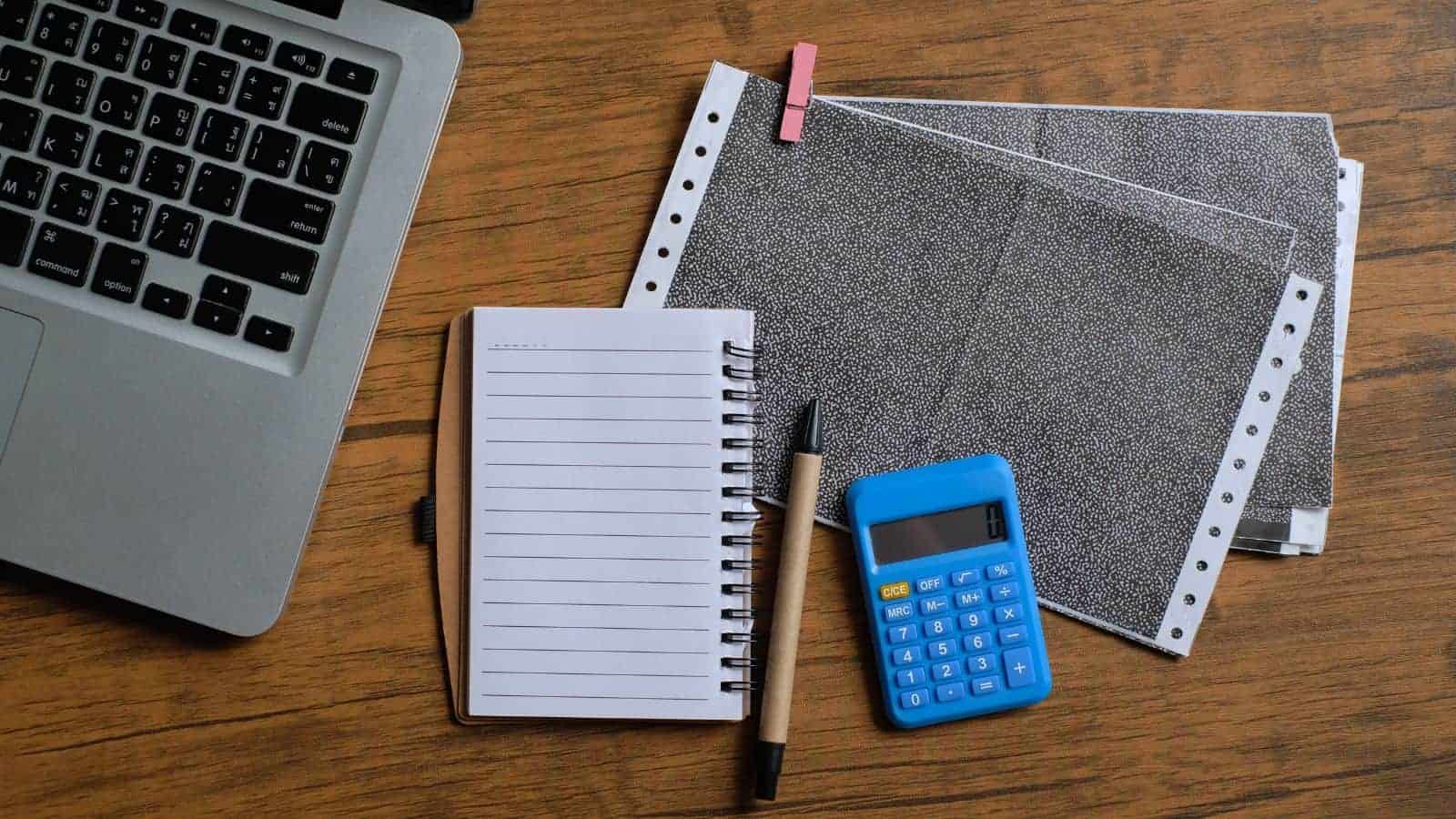
Last but by no means least, long before PDFs and cloud storage, making a duplicate meant carbon paper. You probably won’t remember those blue-tinged sheets that left smudges on your hands and needed perfect alignment to work, but in those days, filling out forms was a messy, error-prone process, little like the efficient, digital process we use today.
This article may include content generated by AI and has been reviewed and edited by our editorial team for accuracy and clarity.