
Let’s be honest: tossing stuff in the trash is easy. But some things don’t belong there, and throwing them out the wrong way can cause way more harm than you’d think. It’s not just about being eco-friendly, either. Plenty of items can leak chemicals, damage equipment, or even break the law if you don’t handle them right.
Here’s a list of 13 everyday things you should not be tossing in your regular garbage bin.
Batteries

Old batteries are packed with stuff that can seriously mess up the environment. Tossing them in the trash might be convenient, but once they break down, the chemicals inside can leak into soil and water, which nobody wants. Local recycling centers usually accept them, and some auto stores have drop-off bins.
Paint

Half-empty paint cans are kept “just in case” and tend to sit in garages until someone gets tired of looking at them. But dumping them in the trash is not the way to go. Paint contains chemicals that can seep into landfills and cause real problems for groundwater. Most towns have hazardous waste collection days, and that’s the perfect time to get rid of old cans.
Electronics

Electronics like old phones, laptops, or chargers contain metals and toxins that shouldn’t end up in landfills. The good news is that they can often be recycled or refurbished. Many retailers accept e-waste, and some even offer trade-in deals. There’s a good chance your old tech still has some value, even if it’s not working anymore.
Light Bulbs
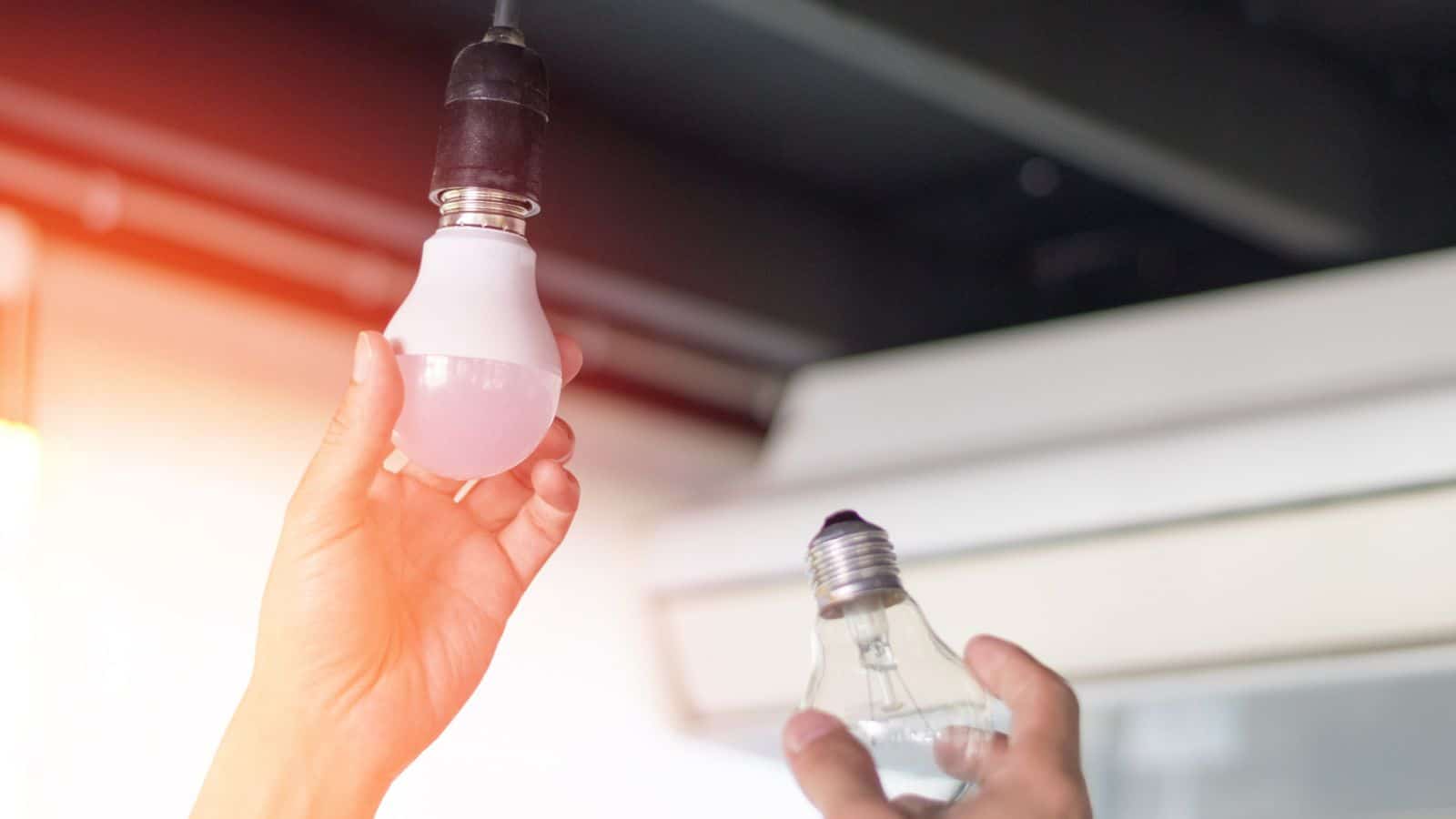
Certain light bulbs, especially compact fluorescent ones, contain small amounts of highly toxic mercury. Broken bulbs can release harmful substances into the air and ground, causing problems for both people and wildlife.
Plenty of hardware stores or recycling centers accept them, so it’s worth checking locally. It may take an extra step, but it’s better than risking pollution from something so small.
Prescription Medications

As you may know, flushing pills down the toilet or tossing them in the trash can seriously contaminate water supplies. Leftover medications should always go to a proper drug take-back location. Pharmacies often participate in safe disposal programs, and there are national take-back days each year. This also keeps old meds out of reach, thus helping to prevent possible misuse.
Cooking Oil

Did you know that used cooking oil can clog pipes and pollute water systems? That’s why it doesn’t belong in the sink or the trash. Some cities offer drop-off sites for used oil, and certain recycling centers will even turn it into biofuel. Pouring it into a sealed container and saving it until your next trip to a collection site makes a huge difference – and helps the planet.
Aerosol Cans

It may be surprising, but aerosol cans are pressurized – and that makes them dangerous to toss in regular trash. If there’s anything left inside, it can cause fires or explosions at the landfill.
Most recycling centers accept empty cans, but check the label and your city’s rules first. Letting them run completely empty is key before recycling, preventing serious problems later on.
Thermometers

Old-school thermometers with mercury inside are nothing to mess around with. If they break, that silver liquid is hazardous and tricky to clean up. Trash bins and landfills are not safe places for these items. Many local hazardous waste facilities accept mercury thermometers, and there are kits to help you pack and ship them safely.
Ink and Toner Cartridges

More often than not, most office supply stores accept used cartridges – and some even give discounts for recycling. That’s because tossing printer cartridges into the trash wastes plastic and chemicals that can be reused. The materials inside are harmful to the environment and don’t break down easily. A little effort here really adds up over time.
Motor Oil

Used motor oil should never go in the trash or get dumped down a drain. That oil contains toxins that can contaminate water and soil fast. Most auto shops or service stations accept it for recycling, and many towns offer collection spots. Pouring it into a sealed container and taking it to the right place is simple and way better for the environment.
Pesticides

Those old pesticides so many of us have sitting on a garage shelf shouldn’t end up in the regular trash bin. These chemicals are meant to kill pests, and that makes them dangerous to people, pets, and wildlife when they’re chucked away carelessly. Hazardous waste facilities know how to handle them safely. Keeping them out of the trash helps prevent serious environmental issues down the road.
Power Cords and Cables
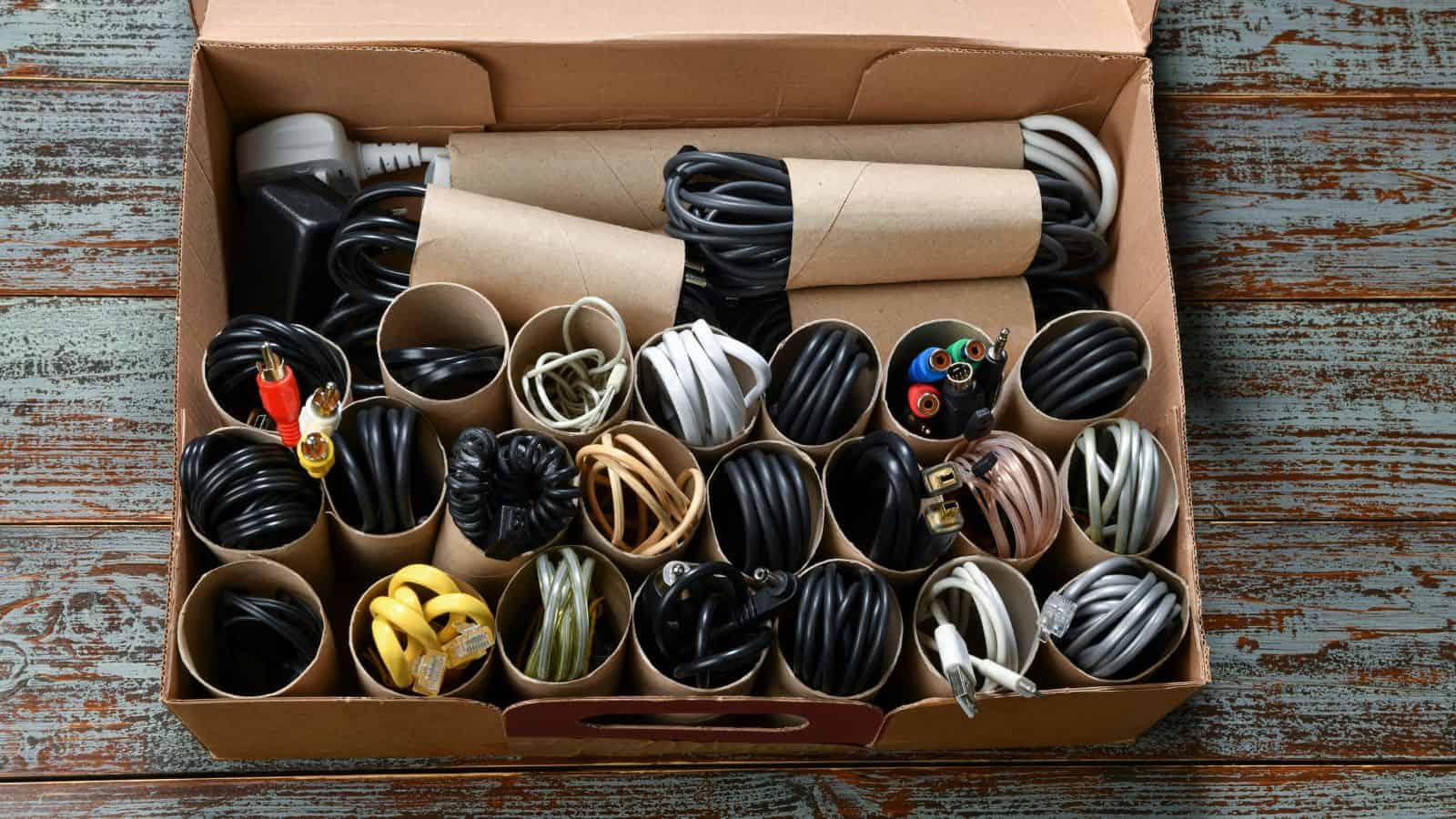
So many of us have a drawer full of tangled cords and chargers, dating back years. One of these days, you’ve promised you’ll sort them out, but don’t dump them all in the trash. Wires are coated in plastics and contain metals that shouldn’t go to the landfill.
Electronics stores and recycling events often accept cords, and some places even specialize in wire recycling. Instead of tossing them, giving those cables a second life through recycling is a smarter choice all around.
Nail Polish and Remover

You’d think that those tiny bottles of color and remover are no big deal, but they’re full of flammable and toxic chemicals. Landfills aren’t built to handle that stuff safely. Local hazardous waste programs usually accept them, especially if you’ve got a few saved up. Storing them safely until proper disposal is available is your best bet.
Some content in this article was generated with the help of AI and has been carefully edited by our team to meet our editorial standards.