
Millennials are making their voices heard with their wallets in response to outdated branding and rising prices, which means this generation is quietly stepping away from certain products – and businesses are definitely feeling it. Here are 16 things millennials just aren’t buying like they used to, and why.
Traditional Cable TV
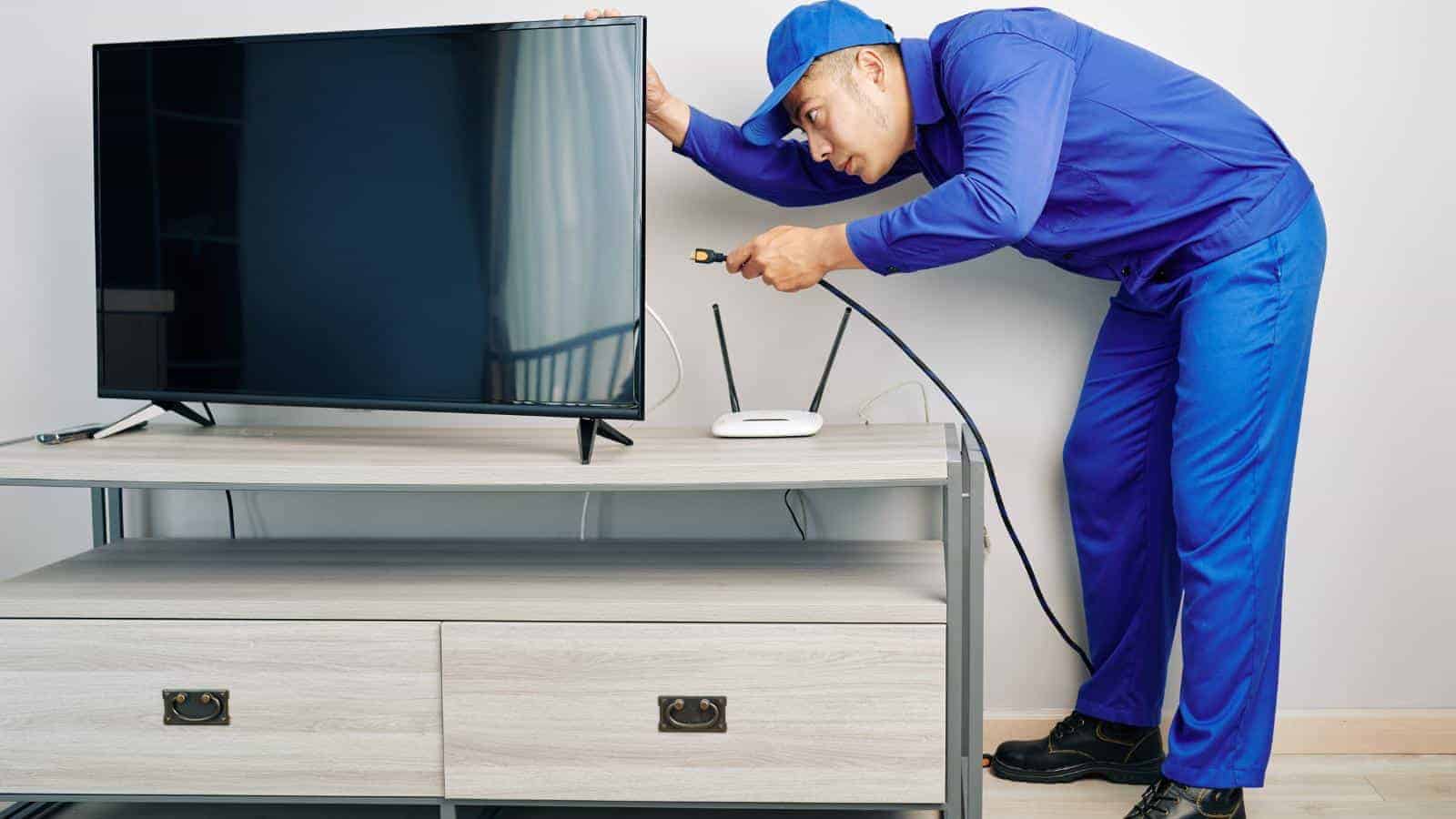
It’s no secret that cable TV has taken a major hit, and millennials are a big reason why because of streaming services offering more flexibility, fewer ads, and cheaper prices. Paying for hundreds of channels you don’t watch just doesn’t make sense when you’re a younger generation that values convenience.
Fabric Softener

A product their parents swore by, but for this generation, it feels unnecessary and outdated; as a result, sales have dropped, and manufacturers are noticing. It might sound surprising, but fabric softener is one of those products younger adults just don’t see the point in so many are skipping it entirely.
Chain Restaurant Sit-Down Meals

Spending an hour at a chain restaurant waiting for a pricey entrée that doesn’t quite live up to the hype? Yeah, that’s not really appealing anymore, and younger people are favoring local eateries or takeout over casual dining chains like Applebee’s or TGI Fridays.
Plastic Straws and Cutlery
There’s a growing awareness around sustainability, and that means traditional plastic just doesn’t cut it anymore, therefore brands that haven’t adapted or offered better eco-friendly alternatives are losing out.
It’s a small choice, but one that speaks volumes when the millennial generation is leading the charge when it comes to ditching single-use plastic.
Department Store Makeup

Big-box beauty stores like Sephora and Ulta have made department counters feel obsolete, and those brands that haven’t embraced social media or influencer culture are finding themselves left behind. Walking into a department store, getting spritzed with perfume, and shelling out $50 for a compact just doesn’t feel appealing to people in their 30s and 40s.
Diamonds

The idea that a diamond ring is the ultimate symbol of love is no longer applicable thanks to the rising cost of living and shifting priorities, therefore spending thousands on a rock doesn’t make too much sense. A lot of people are choosing alternative stones, or even skipping the tradition altogether.
Napkins
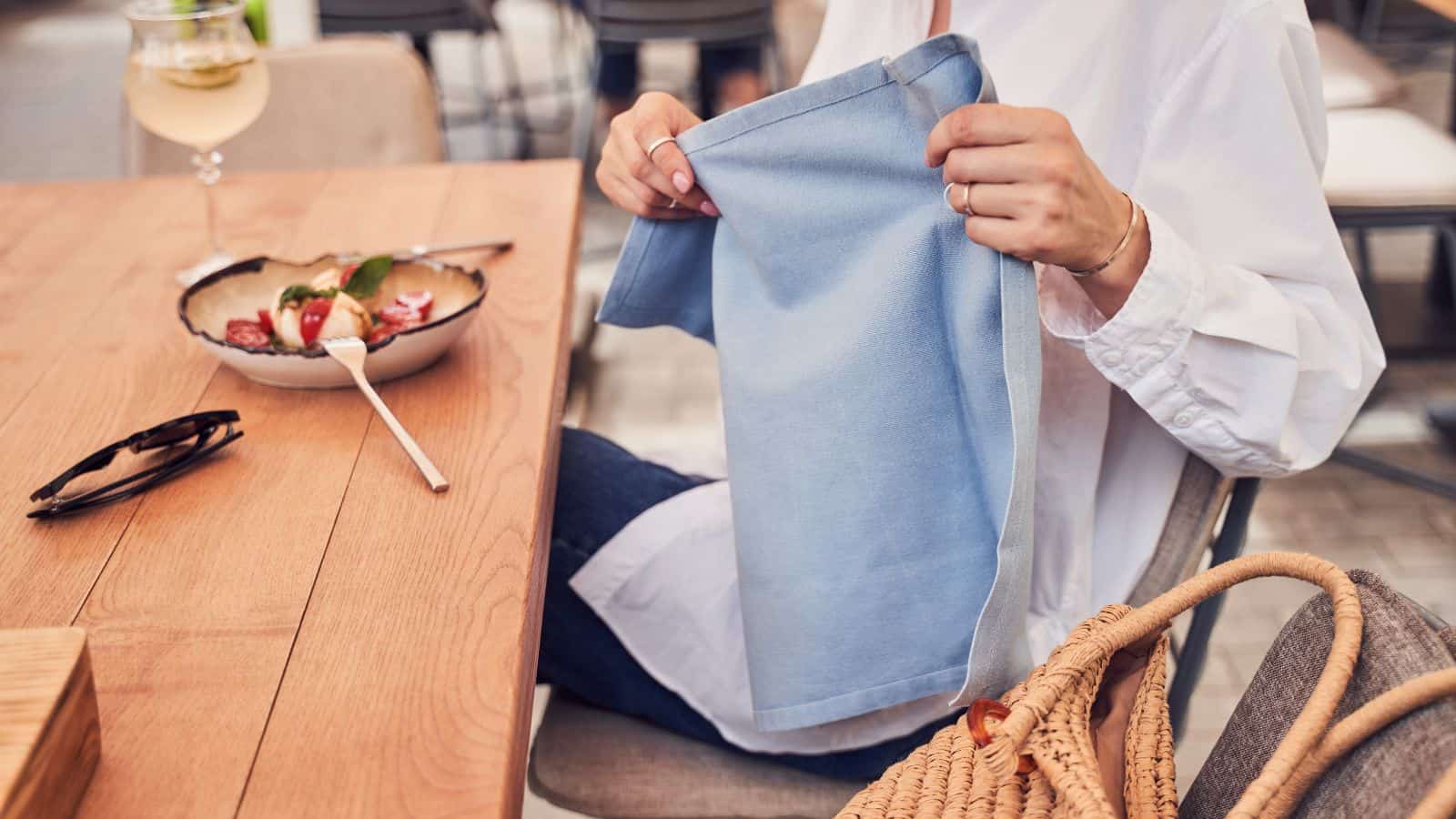
It sounds minor, but traditional paper napkins are one of those household items millennials are quietly phasing out, with cloth napkins or even reusable cleaning cloths often taking their place.
The millennial generation is asking itself why buy a separate product when something you already have does the job?
Canned Soup

Canned soup used to be a pantry staple, however it’s losing ground fast when it’s seen as overly processed and high in sodium. Younger generations are more likely to make soup from scratch or grab fresh options from the deli or freezer section when they’re more health conscious.
Traditional Razors

The glossy ads and flashy packaging don’t work the way they used to, especially when newer brands offer better value and a cleaner conscience – and that’s a cut traditional companies didn’t see coming. Whether it’s to reduce plastic waste or avoid gendered pricing schemes, they’re pushing back on the old-school razor market.
Home Phone Lines

As more millennials become homeowners, landline usage continues to plummet, and telecom companies are shifting their focus accordingly. It’s another sign of how tech habits are reshaping the basics, when the idea of having a landline at home feels almost prehistoric to younger individuals.
Processed Cheese Singles
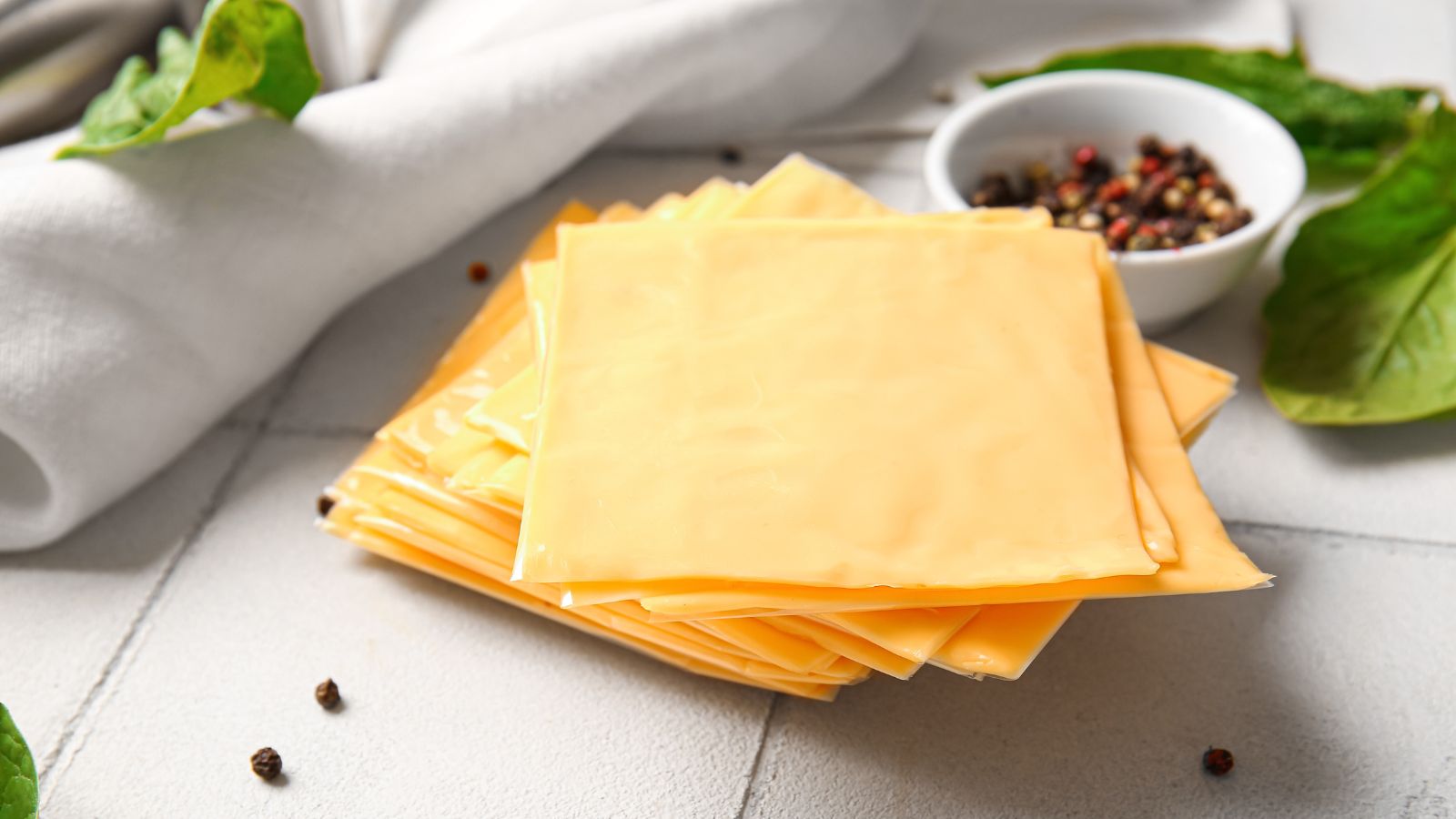
Those individually wrapped cheese slices that were a lunchbox staple for years? Yes, young adults are leaving them behind, too, because of the switch toward whole foods and more natural options, meaning processed cheese just doesn’t have the same place it once did.
Motorcycles

Sure, motorcycles still have their fans, yet the millennial crowd isn’t exactly fueling the industry thanks to concerns about safety and high insurance costs. A lot live in urban areas where a car, let alone a motorcycle, isn’t even necessary, with many leaning into public transit.
Cable News

Viewership is dropping among this key demographic, so legacy news networks are trying to adapt, but so far, the shift has been tough to work through. Those in their 30s and 40s are major news consumers, but traditional cable news isn’t where they’re getting it, as they’re turning to podcasts or social media for information.
Dryer Sheets
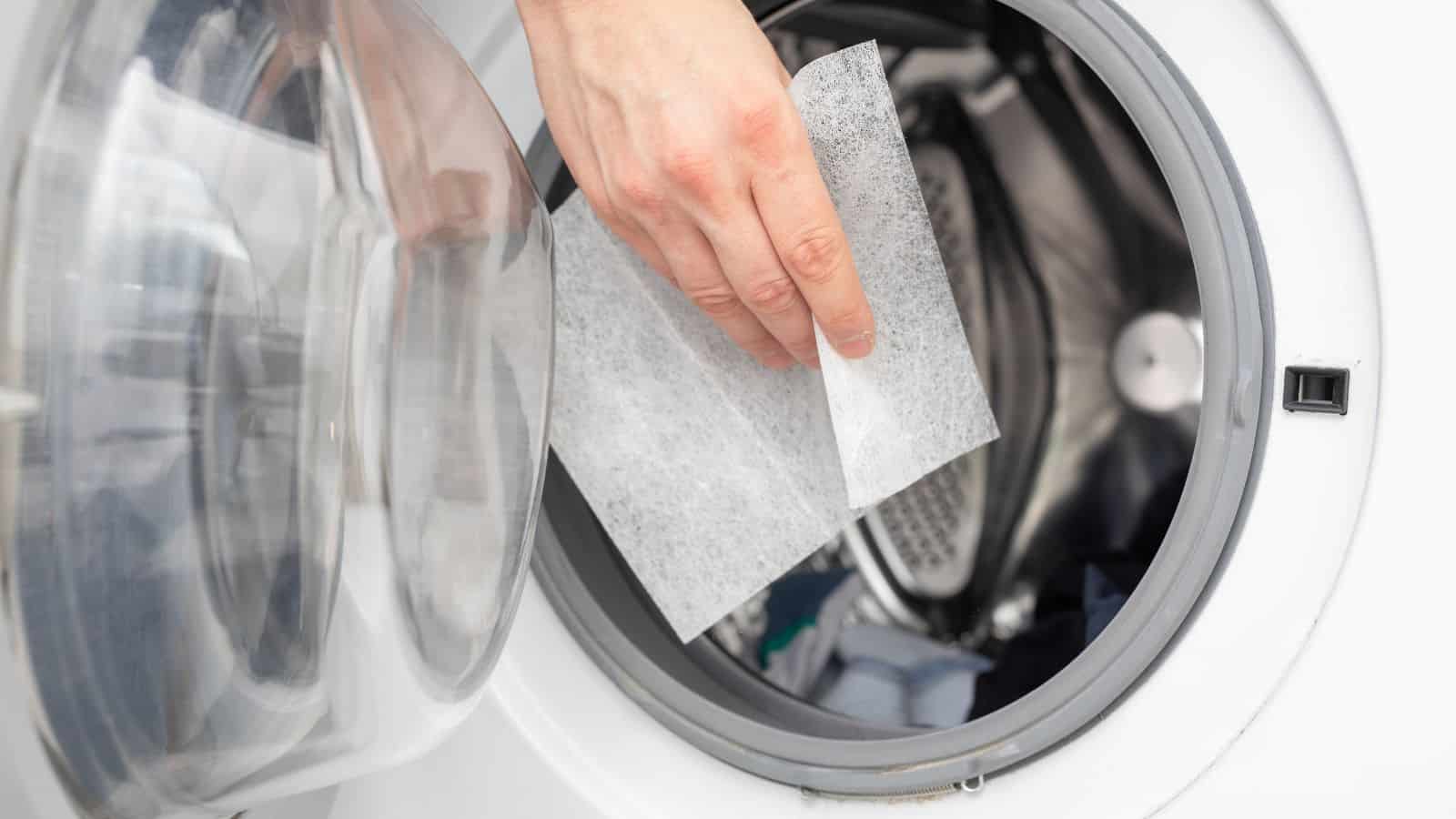
Open access to DIY hacks and alternative solutions online means that it’s easier than ever to replace these traditional products with something better for your clothes, your skin, and the environment. Once a laundry room staple, dryer sheets are another product millennials are quietly ditching with concerns about chemicals and single-use waste.
Gym Memberships

Modern fitness culture now lives online as much as it does in person; while some still love group classes or boutique studios, big-box gyms are struggling to bring the millennial generation through the doors consistently.
Yes, young adults love staying active, but they’re not loving traditional memberships or the idea of paying a monthly fee to go to a crowded gym.
Big-Brand Beer

Younger drinkers are more adventurous, reaching for local brews, or even skipping alcohol entirely in favor of non-alcoholic alternatives. Loyalty to big beer labels has faded fast, and for many, it’s all about trying something new, and supporting smaller businesses while they’re at it.
This article may include content generated by AI and has been reviewed and edited by our editorial team for accuracy and clarity.