
Love it or loathe it, a lot of the things we used to see as staples are slowly vanishing. As younger generations take control of the market, they’re making different choices – prioritizing convenience, values, and digital lifestyles over old habits. Here are the products younger people are walking away from.
Landline Phones

When was the last time you saw a twenty-something with a landline? Most can’t imagine a reason to get one when their smartphone is always nearby. Paying for a home phone feels like throwing money away, especially when texting and FaceTime do the job better.
There’s also the issue of clutter. Younger people value minimalism and don’t want cords, phone jacks, or answering machines around. It’s no surprise landlines are fading fast; they just don’t fit modern life anymore.
Cable TV
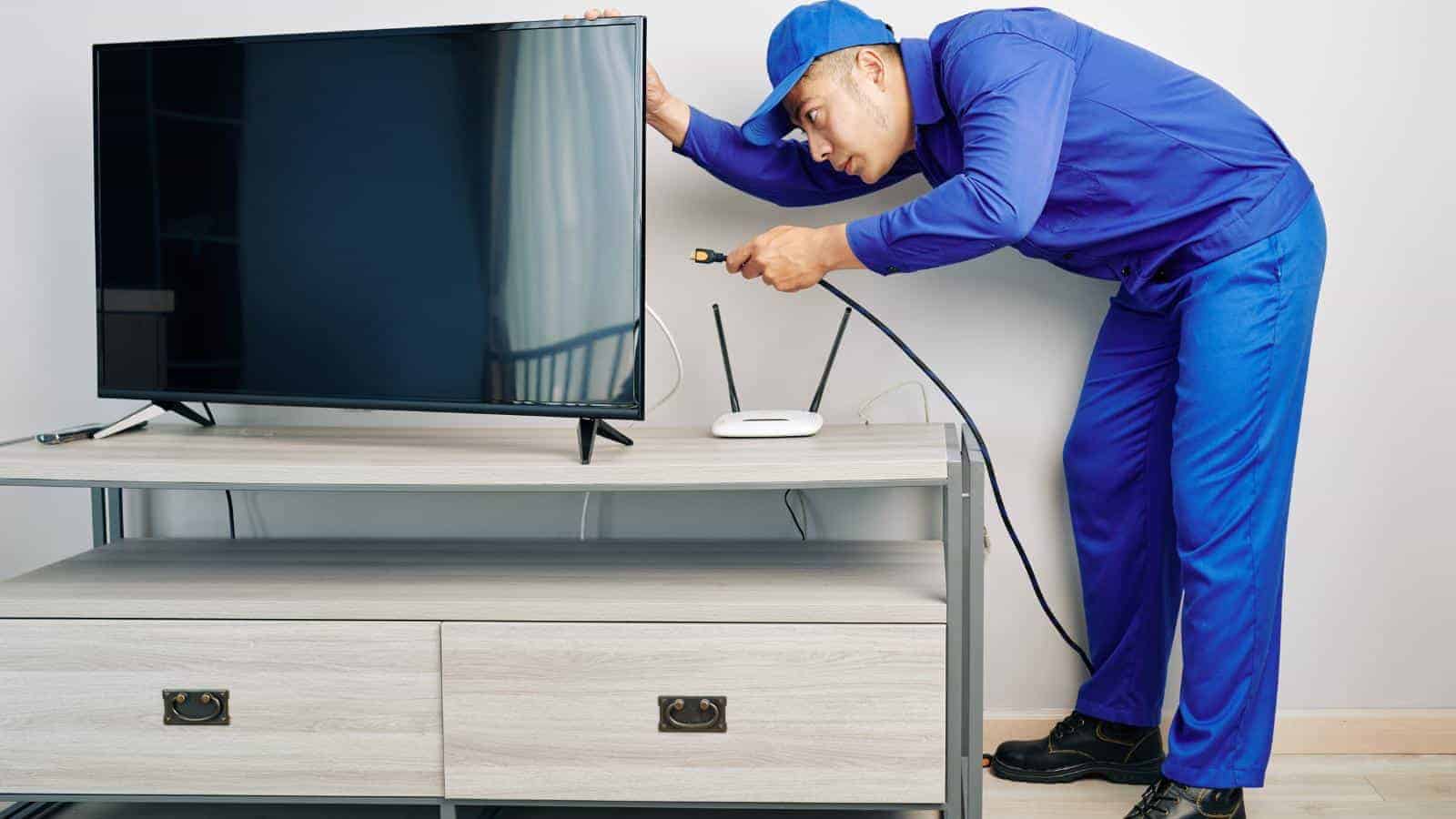
Back in the day, cable was a must-have. No anymore, though. Younger viewers are all about streaming, where they can pick what they want, when they want, without sitting through ads or flipping channels. Paying over $100 a month for a bloated channel package feels like a rip-off to them. Platforms like Netflix, Hulu, and YouTube offer more flexibility, better content, and no long-term contracts.
Paper Napkins

Here’s one that might surprise you. Paper napkins are becoming less common, not because they don’t work, but because reusable alternatives are cheaper and greener. Younger folks often use kitchen towels, cloth napkins, or even just toilet paper when needed. It’s part of a broader push to reduce waste and shop smarter.
Alarm Clocks

Some still exist on nightstands, but most younger people just use their phones to wake up. There’s no need for a separate device when your phone has alarms, sleep tracking, and even gentle wake-up tones. Old-school alarm clocks feel clunky, take up space, and aren’t nearly as flexible. Plus, many folks are downsizing and simplifying their bedrooms.
Bar Soap

This one’s disappearing from more and more bathrooms. Liquid soap, especially in pump bottles, is often seen as cleaner, easier to use, and more hygienic. Bar soap can feel old-fashioned, especially when it leaves residue or gets mushy in the dish.
Younger consumers tend to favor sleek packaging and easy routines, and bar soap doesn’t always fit that vibe. On top of that, brands targeting younger markets are pushing foams, gels, and other fun textures instead.
Fabric Softener

It used to be a laundry staple, but these days, fabric softener is more likely to collect dust. Many younger people are skipping it altogether, saying it’s unnecessary, expensive, or bad for sensitive skin. Some even believe it damages clothes or the washing machine.
Doorbells

You might not think of doorbells as optional, but smart tech is changing the game. Many younger homeowners and renters are installing video doorbells or simply relying on text alerts from delivery apps. For apartment dwellers, they might not even have the option to install one. Traditional wired doorbells feel outdated next to motion sensors and smartphone notifications.
Greeting Cards
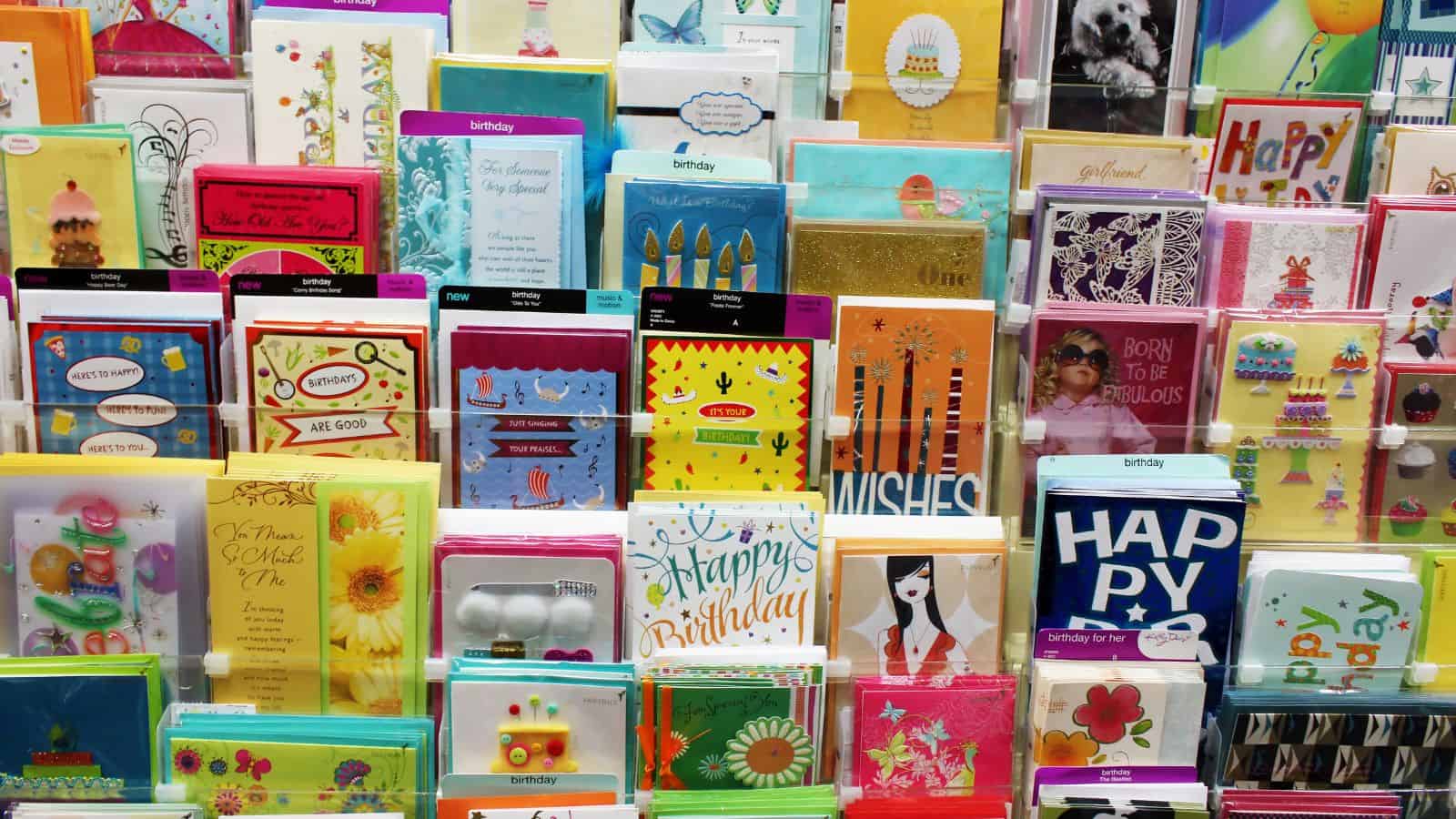
Handwritten cards still have charm, but most younger folks skip them in favor of digital messages, memes, or e-gift cards. Spending $5 to $8 on a paper card feels wasteful, especially when it often ends up in the trash after a few days. There’s also the awkwardness of writing something meaningful when a quick video message or emoji-filled text feels more natural.
Cigarettes
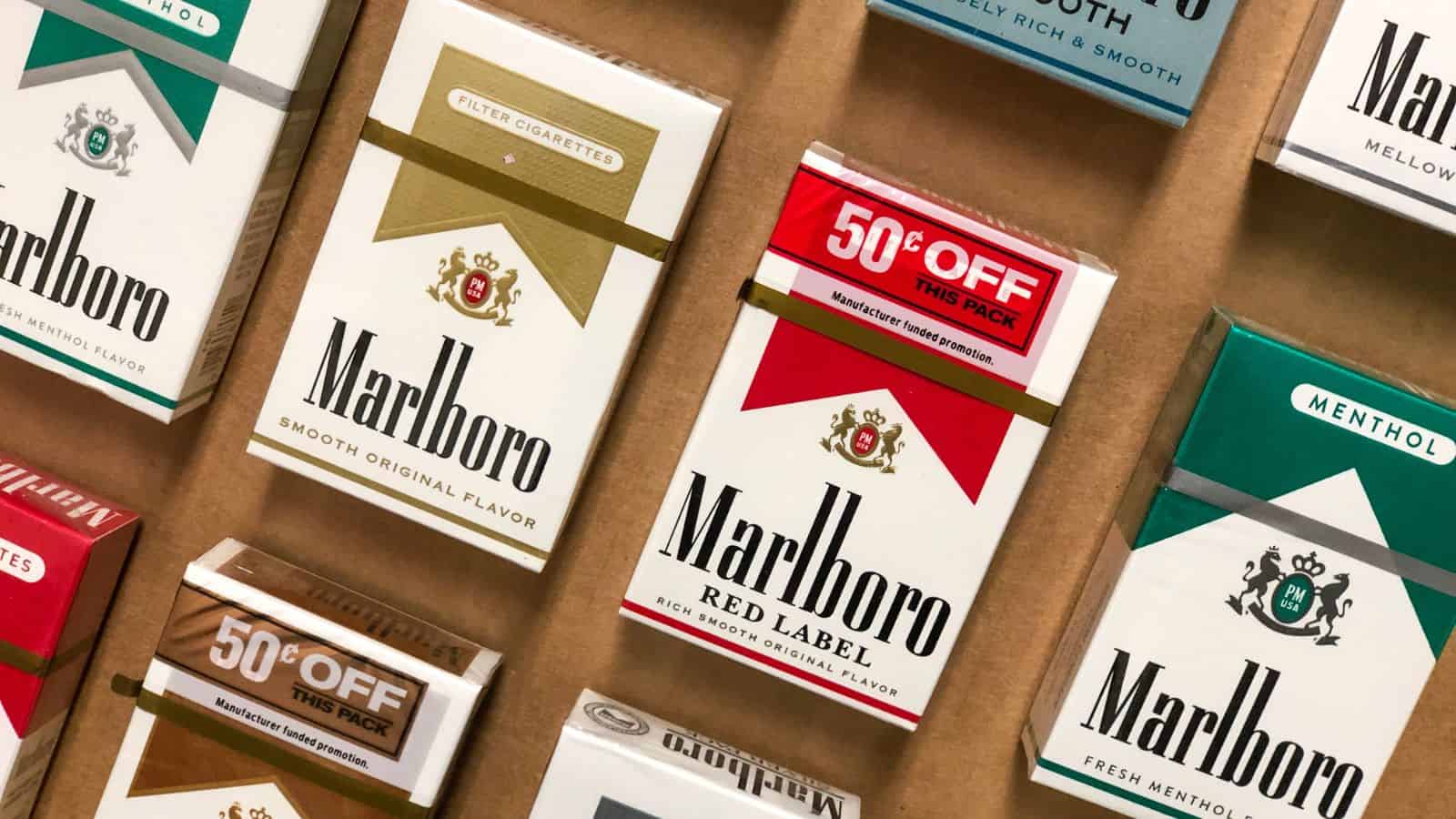
Younger generations are walking away from smoking in big numbers. Health concerns, high prices, and social stigma have all played a role. Smoking just isn’t seen as “cool” anymore either. Many have grown up with strict rules about tobacco and strong anti-smoking messages in schools and media.
Vapes and nicotine alternatives have taken over the space once ruled by cigarettes, and some young people avoid nicotine entirely. It’s one habit they’re glad to leave behind.
Fine China

Owning fancy dishware for “special occasions” just isn’t a thing anymore. Younger households want items that are durable, easy to clean, and used every day – not fragile plates that live in a cabinet untouched. Formal dining traditions are fading, and the idea of having dishes you can’t put in the dishwasher feels impractical at best.
Calculators

Basic math still matters – but not the gadgets. Phones now come with calculators built in, and most people just use Google for anything more complex. Younger students and professionals don’t see the point of carrying around a separate device for one task. In classrooms, apps and laptops are replacing traditional tools. Unless it’s for a specific exam that bans phones, there’s really no need to own a calculator anymore.
DVDs and Blu-rays

Physical media is in freefall, and discs are leading the drop. Younger folks stream everything – from movies and shows to games and music. Keeping stacks of DVDs or Blu-rays around feels bulky, outdated, and frankly annoying when you can just click and watch instantly.
Department Store Makeup

In the past, department store beauty counters were a big deal. Now, younger shoppers are turning to online brands, TikTok favorites, and affordable options at drugstores or specialty chains like Ulta. They want cruelty-free, vegan, and influencer-approved products – without the high prices or pushy salespeople.
Magazines

Waiting rooms still have them, but fewer people are buying magazines for themselves. Most younger adults scroll through articles on their phones or follow digital newsletters and blogs. Paying for a print subscription feels unnecessary when the same content, or better, is available for free online.
Plus, magazines don’t update in real time. Social media, on the other hand, never stops. In a world where everything is shared instantly, flipping through a printed issue feels slow and kind of pointless.
Canned Tuna

It’s still in stores, but it’s not moving like it used to. Younger consumers say they don’t like the smell, the texture, or the way it makes their lunchbox stink. Many also worry about mercury levels or the ethics of commercial fishing. Instead, they’re choosing fresh options, plant-based proteins, or skipping fish entirely.
Ironing Boards

Fast fashion, wrinkle-resistant fabrics, and busy schedules have made ironing boards nearly extinct in some households. Most younger folks don’t iron regularly – if at all. They might use a handheld steamer or toss clothes in the dryer for a quick refresh. Having a big board that takes up closet space feels unnecessary.
Hooters-Style Restaurants

Let’s wrap this up with something a little more cultural. Restaurants built around sexualized uniforms and flirty service are losing popularity fast among younger diners. Many feel the whole concept is dated and uncomfortable. They’re more likely to support places that value respectful service, good food, and inclusive vibes. The old-school “guys’ night out” feel doesn’t resonate anymore.
Some content in this article was generated with the help of AI and has been carefully edited by our team to meet our editorial standards.