
Most people can agree that owning a home comes with a certain sense of independence. But before you break out the sledgehammer or chainsaw, it’s worth knowing that your property rights come with a surprising number of limits. These everyday mistakes have tripped up plenty of homeowners.
Build a Fence Wherever You Want

A new fence might sound harmless, but neighbors and city officials may not agree. In many areas, putting up a fence without checking zoning rules can lead to citations or legal disputes.
Height restrictions, materials, and even color might be regulated. Some cities also require fences to be set back a certain number of feet from sidewalks or property lines. If you build too close to the boundary or encroach on someone else’s land, you might have to tear the whole thing down.
Cut Down a Tree
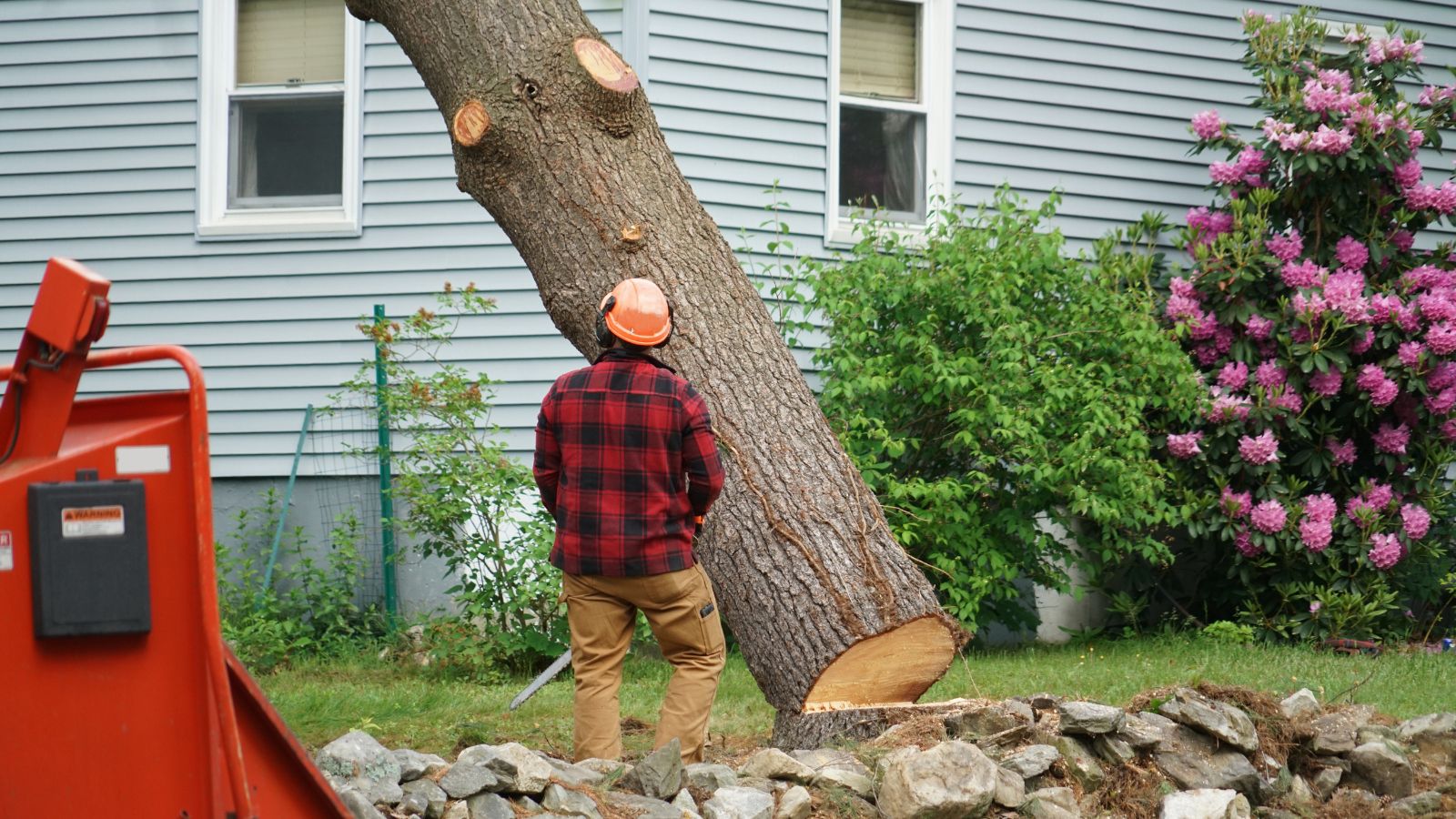
Not every tree on your land is fair game. Some local governments protect mature trees, heritage species, or anything within a certain size or diameter. Removing one without permission could get you fined thousands of dollars. In cities with strict tree preservation rules, you might need to plant replacements – or pay into a fund – if you take one down.
Add a Second Dwelling

A backyard guest house or in-law unit might seem like a good idea, especially if you’ve got extra space. But adding another place to live on your land – often called an accessory dwelling unit (ADU) – usually requires permits, inspections, and compliance with zoning laws. Some neighborhoods don’t allow them at all. Others restrict how big the structure can be or who can live in it.
Park an RV or Boat Long-Term

It might be your driveway, but long-term parking of big vehicles like RVs, boats, or trailers can be restricted. Homeowners associations often have rules against it, and many cities limit street or front-yard parking to avoid clutter and safety issues.
Just because your vehicle fits doesn’t mean it’s allowed to stay there for weeks. Violations can lead to fines or towing. If you need to store something oversized, it’s usually better to look into off-site storage options or check the city’s rules first.
Host Loud Events or Parties

Planning a blowout backyard party could bring you more than just noise complaints. Noise ordinances usually kick in after a certain hour, and disturbing the peace can result in a fine or even a visit from the police. Some cities also require permits for larger gatherings, especially if you’re setting up tents, sound systems, or expecting lots of cars.
Set Up a Backyard Business

Turning your garage into a side-hustle headquarters might seem harmless enough. But running a business from home – especially if customers are coming and going – can violate zoning laws or HOA agreements. Noise, traffic, and signage are usually the biggest issues.
Even online businesses that use heavy equipment or have regular deliveries can cause problems. Depending on where you live, you may need a home occupation permit or license to stay within the law. Otherwise, the city could shut it down with little warning.
Dig a Large Hole or Pond

Sometimes, landscaping gets a little ambitious. But digging out a large pond, pit, or trench could land you in trouble, especially if it affects water flow, drainage, or safety. Most cities have rules to prevent erosion, flooding, or hazards to neighboring properties. You might also need to check with utility companies to avoid hitting buried lines.
Install a Wind Turbine or Large Solar Array

More homeowners are going green, but slapping a giant solar setup or a backyard wind turbine on your land doesn’t always fly with the city. Many places regulate how these are installed, especially if they’re visible from the street or impact neighboring views. HOAs may ban them entirely. There are also safety rules tied to fire risk, glare, and wiring.
Put Up Signs or Flags Anywhere

Displaying a sign on your property might feel like free speech – but that doesn’t always protect you from local regulations. Most cities limit sign size, placement, and content, especially if they’re visible from the road.
Political signs, yard sale notices, and even flags can come under scrutiny. Some homeowners associations are even stricter. The problem usually isn’t the message – it’s the distraction, clutter, or potential to stir conflict in the neighborhood. Best to check the rules before planting that sign in your front yard.
Keep a Lot of Animals

Raising chickens or keeping a couple of goats may seem charming and practical, but urban and suburban zoning laws often say otherwise. Some areas limit how many pets you can have, or ban livestock entirely. Even if animals are legal, there are often rules about how far their enclosures need to be from property lines, and how much space they require. If the noise or smell bothers neighbors, you could get reported quickly.
Install a Pool Without Permits

A swimming pool might sound like the perfect summer upgrade, but it’s one of the most tightly regulated additions you can make. Many cities require permits for both in-ground and above-ground pools, and they almost always demand fencing for safety. There are also strict rules around electrical wiring and drainage.
Burn Trash or Yard Waste

Burning leaves or garbage used to be common, but now it’s illegal in many parts of the country due to safety and air quality concerns. Open burning often requires a permit, and it might be banned entirely during fire season or in certain zones. Getting caught lighting up a burn pile could cost you, especially if the fire gets out of control.
Use Fireworks Whenever You Want

Fireworks laws vary widely, but most places don’t allow them outside of specific dates like the Fourth of July or New Year’s Eve. Lighting them on your own property might seem harmless, but it’s still risky if your area has fire bans or local restrictions. Many states require certain types of fireworks to be licensed, and others ban them altogether.
Start Major Construction Without Approval

If you’re thinking about adding a sunroom or knocking down a wall, you should be aware that major renovations almost always need city approval. Permits make sure the work is up to code and safe for you and future homeowners. Home inspectors and appraisers can flag unpermitted work, which might lower your home’s value or delay a sale. Worst case, you could be ordered to undo the work or pay for expensive inspections and upgrades after the fact.
Let the Lawn Go Wild

Letting nature take over might sound relaxing, but your neighbors – and the city – may not agree. Overgrown lawns, tall weeds, or unkempt yards can violate local ordinances or HOA guidelines. These rules exist not just for looks, but also to prevent pests and fire hazards. If your yard becomes an eyesore, you could face daily fines until it’s cleaned up.
Some content in this article was generated with the help of AI and has been carefully edited by our team to meet our editorial standards.