
Every generation has its quirks, but boomers take the cake when it comes to sticking with purchases that have clearly outlived their usefulness. While younger folks are all about cutting clutter and streamlining everything, this generation remains loyal to the products of their time. Here are 16 things Boomers still spend money on that Gen Z and millennials wouldn’t take if you paid them.
Cable TV Packages

Scrolling through a TV guide packed with channels you’ll never use might feel normal to some, but for most younger people, it’s a waste of time and money. Older generations still tend to stick with cable, enduring commercials, fees, and clunky remotes out of habit. Meanwhile, streaming replaced all of that a decade ago.
Landline Phones

There’s a comforting predictability to a landline ringing in the next room, and for boomers, that’s worth keeping around. But younger people see landlines as mildly nostalgic, and completely useless.
Having a home phone number just to be spammed by robocalls feels like volunteering for a problem. No one under the age of 40 is rushing to plug in a landline when they don’t even answer unknown numbers on their cell.
Department Store Credit Cards

The JCPenney card lives on in this generation’s wallets, ready to earn points on chenille cardigans and curtain rods. For younger folks, store-specific credit cards feel like traps that offer nothing but rewards you’d rather not use. Most millennials and Gen Z are already juggling enough cards that offer travel perks or cash back without locking them into a store they only step into twice a year during the holidays.
Canned Vegetables
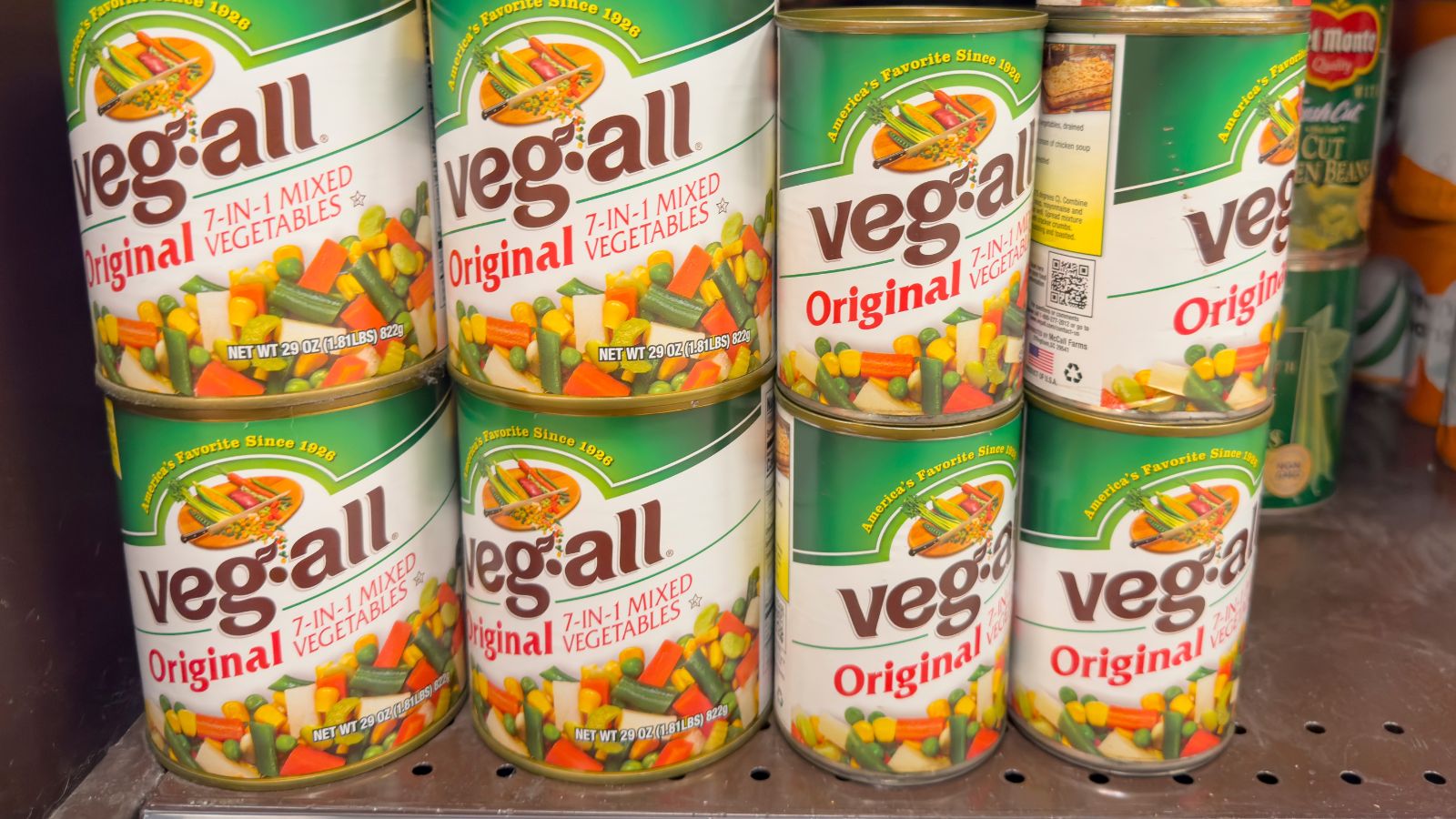
There’s a whole generation that swears by green beans swimming in sodium water. Canned vegetables were pantry staples for decades, but now they feel like a culinary downgrade. Shoppers from younger generations hit the freezer aisle or pick up fresh produce because the flavor and texture of canned peas are barely a step up from hospital food. Offer a Gen Z’er a can of wax beans and they’ll assume it’s part of a survival kit, not dinner.
Paper Bills and Checkbooks

Baby boomers still get electric bills by mail and write physical checks to pay them, complete with a little leather-bound register to balance everything out. To younger people, this ritual feels like time travel. After all, Venmo exists. So do apps that auto-pay and send alerts before anything’s due.
Collectible Figurines

Think porcelain angels or Civil War miniatures lined up on a mantel. Older adults have long treated collectible figurines as both decoration and investment. Meanwhile, younger generations don’t want the clutter, let alone the dusting responsibilities. Even if you gave your 30-something niece the entire Precious Moments catalog, odds are it’d end up on Facebook Marketplace or straight in a donation bin.
Diamond Jewelry

The diamond industry thrived on a boomer belief in tradition and value. Think big engagement rings and tennis bracelets. These days, younger buyers are far more likely to choose lab-grown gems, vintage pieces, or skip the rock entirely. Pass down a diamond and you might hear “thanks,” but also, “do you have the receipt?”
Fabric Softener

Laundry isn’t complete for some unless it smells like a floral chemical cloud. Many older adults still pour in fabric softener out of habit, chasing that fresh-out-the-dryer scent. In contrast, younger people have largely backed away, wary of buildup on clothes and ingredients that irritate skin. Most would rather go without than risk gummy towels.
Holiday Dishware

Cabinets full of Christmas-themed plates or floral-patterned Easter china still live rent-free in boomer homes. They break them out like clockwork, relishing the ritual. Not so with younger people, who are already short on space and patience for anything not dishwasher-safe and versatile. A plate that can only be used during one week of December is more annoying than charming.
Golf Club Memberships

Spending thousands a year just to play golf and eat chicken salad in a collared shirt no longer makes sense to adults under the age of 40. What was once seen as classy is now considered stuffy and out of touch, and younger generations would rather spend that money on experiences that don’t involve tee times or monthly dues.
Plus, even if the membership were free, it would still come with rules and a dress code no one asked for.
Fine China Sets

That towering wedding registry filled with delicate dinnerware still makes sense to boomers, many of whom still set a formal table. Younger adults, though, don’t want to hand-wash plates or reserve dishes “just for company.” Storing an entire set that can’t go in the microwave is a hard no.
Infomercial Gadgets
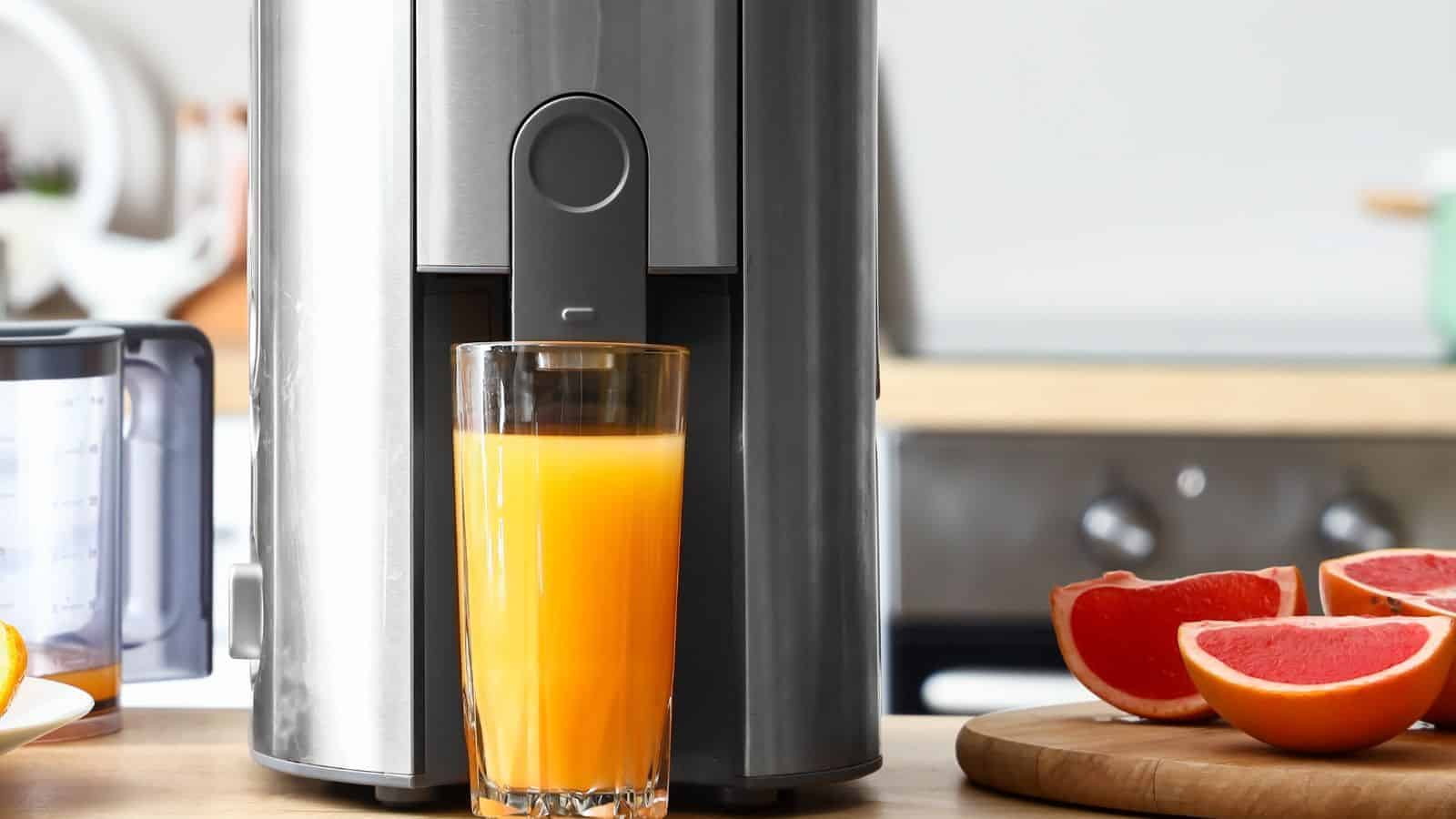
Late-night miracle gadgets still hold a certain charm for older generations, who remember when a good infomercial could sell anything. Novelties like ab rollers and countertop juicers once promised transformation with a single payment. But younger folks have seen how these gadgets usually end up collecting dust. The Snuggie or rotating hot dog cooker might earn a laugh, but even free wouldn’t make it a keeper.
Patterned Sofa Covers

The floral slipcover matched with matching armrest doilies still has a place in many boomer living rooms. They’re meant to protect the good furniture and add a homey feel. Younger folks, on the other hand, tend to prefer couches as they are. Give someone under 40 a pastel paisley sofa cover and they’ll look at it like a decorative punishment.
Magazine Subscriptions

Adults over 60 still enjoy the tactile experience of flipping through glossy pages each month, dog-earing articles and maybe clipping a recipe. For millennials and Gen Z, that stack of magazines just screams recycling chore. The same content – often better written and more timely – is available online, minus the pileup.
Hummel Figurines

There’s a very specific kind of boomer home that proudly displays tiny German children in pastoral scenes. Hummels were once collectible status symbols, passed down like heirlooms. To younger people, they mostly look creepy or sad, and they often end up in estate sale boxes labeled “Make Offer.” Free Hummels? No thanks. Maybe someone on Etsy wants them – for parts.
Phone Book Directories
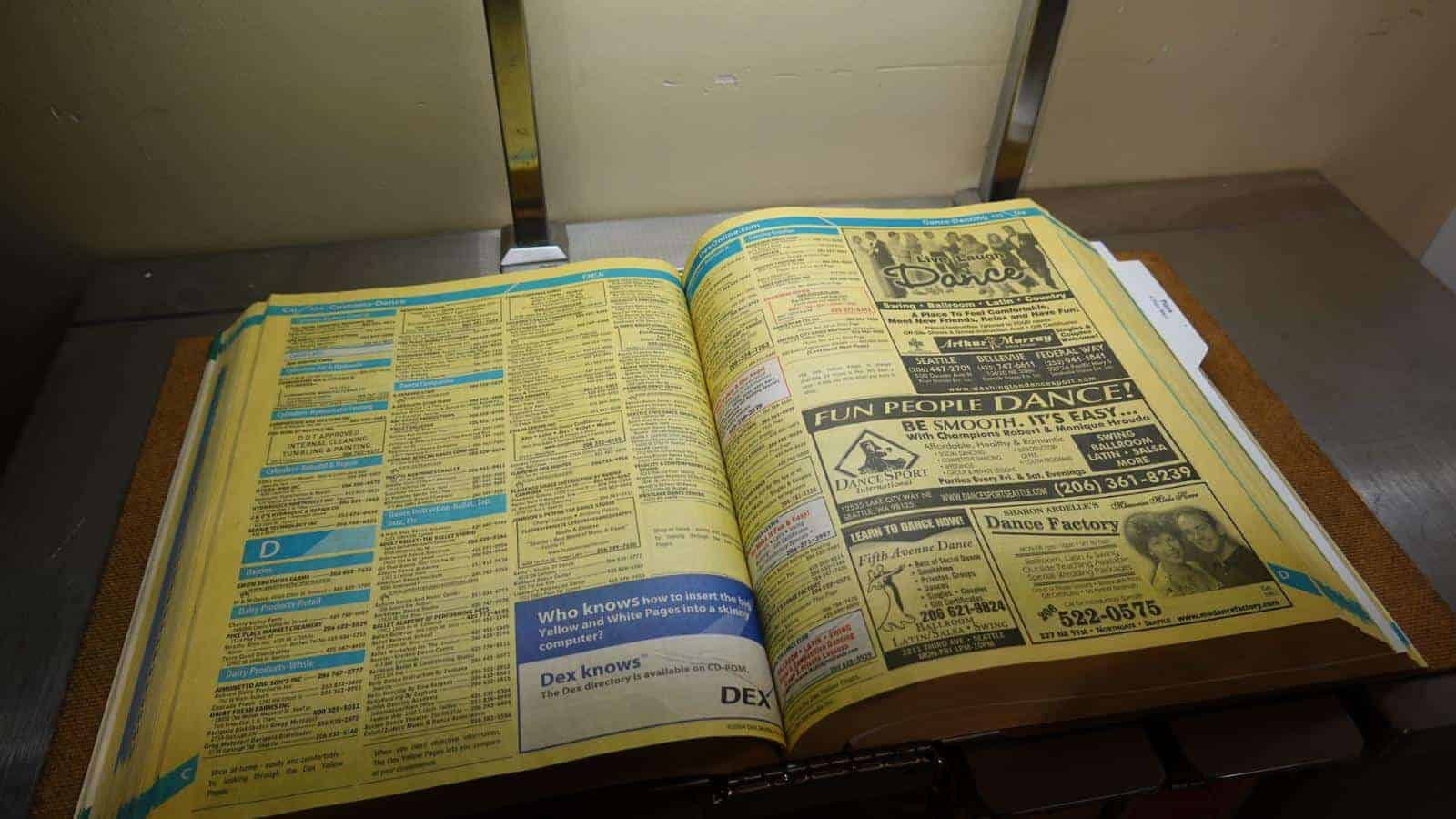
Some boomers still keep a physical phone book near the landline, just in case. There’s a sense of order to it, and maybe even a habit they haven’t questioned. But to younger people, flipping through thin yellow pages to find a plumber feels as absurd as using Morse code. Even if one showed up for free at the door, it’d go straight into the recycling bin, unopened and unread.
This article may include content generated by AI and has been reviewed and edited by our editorial team for accuracy and clarity.