
Church has always been about tradition, but not every tradition stands the test of time. As the world changes, some things that once felt natural leave people scratching their heads. Outdated rules, confusing customs, or attitudes that clash with modern life mean a lot of younger generations are questioning what was once considered normal.
It doesn’t mean people have lost their faith, but some of these old church habits just don’t make sense anymore.
Wearing Your “Sunday Best”

Many children were taught that attending church meant dressing to impress. Suits, ties, and fancy dresses were non-negotiable. Today, that idea feels outdated for most folks.
God probably isn’t judging your outfit, and focusing on fashion can make newcomers feel unwelcome or out of place. Plenty of churches now encourage casual dress, seeing faith as more about the heart than the wardrobe.
Guilting People About Attendance

Pastors used to stress the importance of showing up every Sunday without fail. Missing church was often met with guilt trips or stern lectures. Now, life is a lot more complicated, and people juggle demanding schedules. Pushing guilt about attendance often drives people away rather than pulling them closer to faith or fellowship.
Keeping Women Out of Leadership
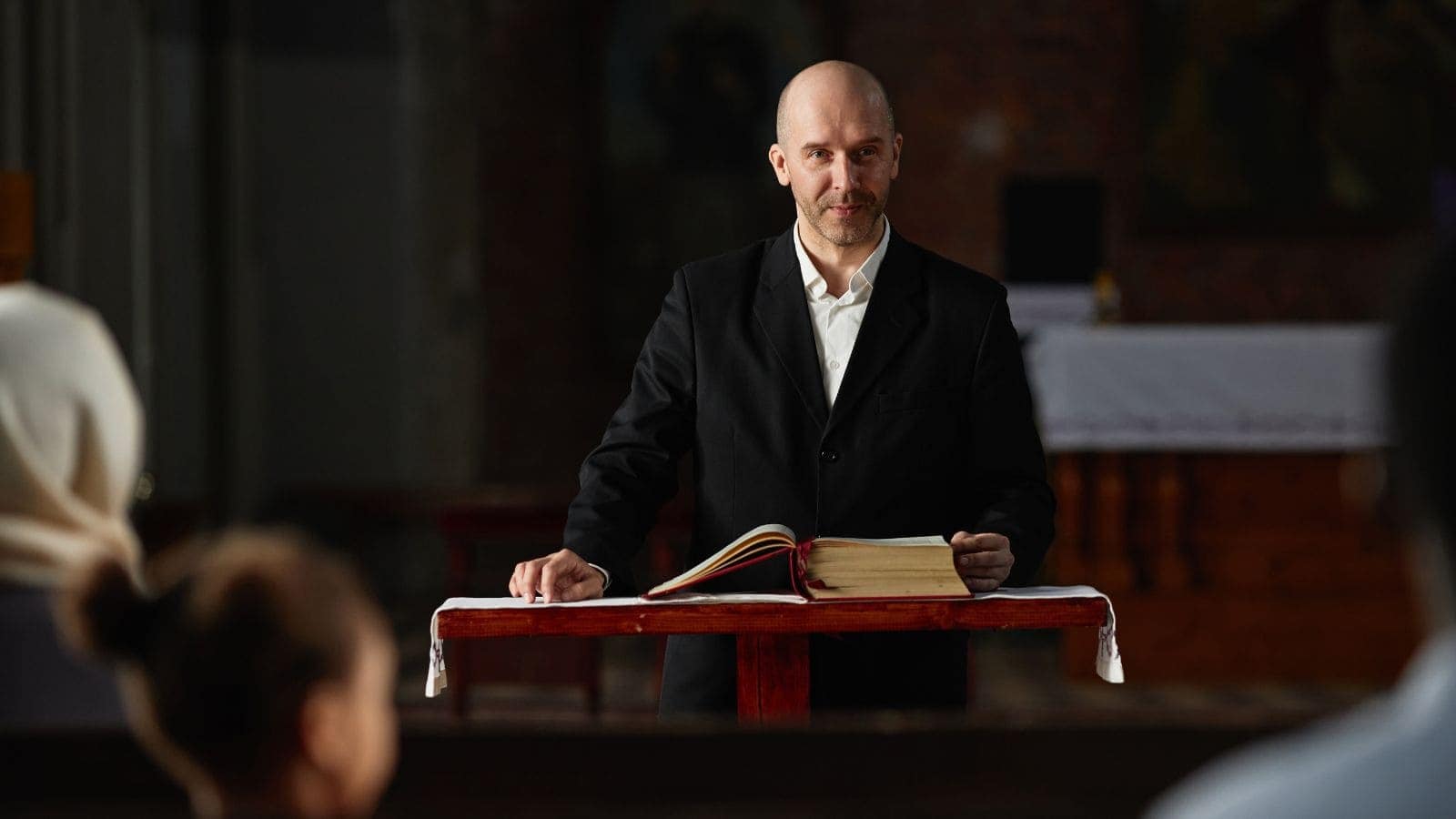
Not so long ago, many churches completely barred women from preaching or leading. Even today, some still stick to that rule. For a lot of modern believers, this just doesn’t make sense anymore. More churches are starting to embrace female leadership, realizing that faith is stronger when everyone’s gifts are welcomed.
Lengthy, Repetitive Services

An hour-long church service feels manageable, but dragging it out to two or three hours filled with long sermons and multiple offerings tests most people’s patience now. Life moves fast today, and attention spans are shorter than they used to be.
People want meaningful experiences, not marathons. Places of worship that keep things focused and purposeful usually find that people are more engaged and willing to return.
Shaming Doubt or Questions

In the past, questioning anything you heard at church was often seen as disrespectful or even sinful. Now, more people understand that faith grows stronger through honest doubt and real questions. Refusing to allow room for curiosity doesn’t protect belief; it weakens it. Those churches that encourage open dialogue tend to build deeper, more lasting communities rooted in genuine belief.
Treating Mental Health as a Lack of Faith

When someone struggled with depression or anxiety in the past, church leaders often said to “pray harder” or “trust God more.” This advice left many people feeling even worse. Mental health is now widely understood as a serious medical issue, not just a spiritual failing. Offering real support and compassion matters far more than offering clichés or judgment.
Focusing on Tithes Over Service

The importance of tithing – giving ten percent of your income to the church – was drilled into many believers for generations. While giving generously is still meaningful, an overemphasis on money can sour people’s view of faith. Constant reminders to donate feel pushy and even manipulative. Action speaks louder than collection plates for modern believers.
Separating Faith and Real-Life Issues

Some churches go out of their way to avoid talking about real-world problems like poverty, injustice, and inequality. Staying “neutral” may feel safe, but it can also seem disconnected and hollow. People today want their faith communities to be active in making the world better, not just preaching about heaven someday.
Outdated Music Styles

There’s nothing wrong with a classic hymn now and then, but clinging only to traditional songs can make church feel like stepping back in time. Music is how many people connect emotionally, and when the style feels stiff or disconnected, it’s harder to feel inspired.
Churches that mix modern worship music with traditional elements often create more welcoming atmospheres. Updating the playlist makes worship resonate today.
Teaching Fear Over Love
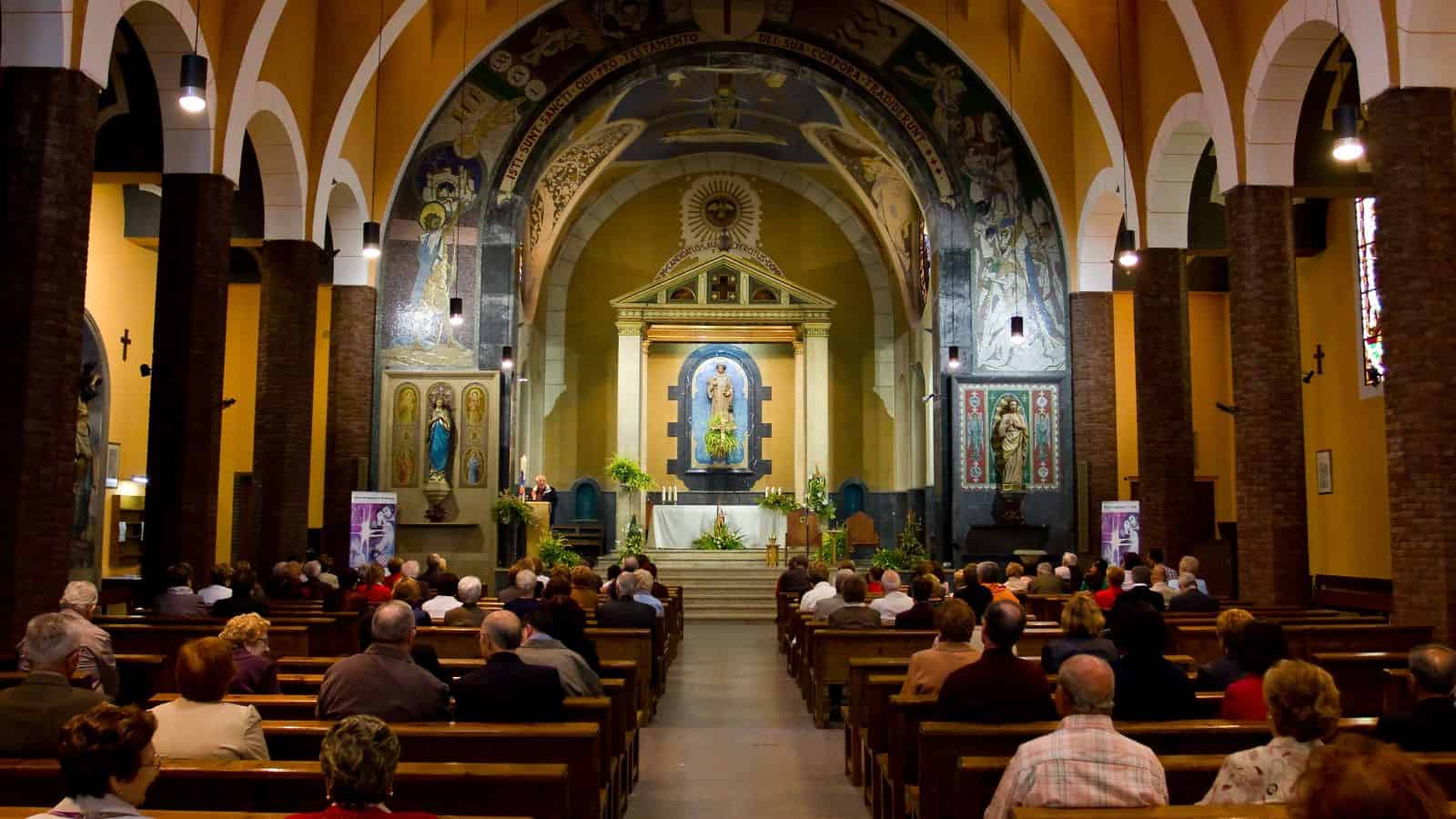
Messages that focus heavily on fear, like hellfire, punishment, and constant warnings, used to be common in sermons. Today’s believers are more drawn to messages of hope, grace, and love. Scaring people into faith is outdated. Building a relationship with God based on love and trust resonates far more in a world already full of anxiety and fear.
Rigid Dress Codes for Modesty

Many religions have long preached about modesty, especially when it comes to how women should dress. Some communities still hand out rules about skirt lengths, sleeve coverage, and neckline heights. These strict dress codes can feel more like control than faith.
In today’s culture, modesty is personal and should be about respect, not policing. Many believers now think clothing choices should be between the individual and God.
Pretending Everyone’s Life is Perfect

Church can sometimes feel like a place where everyone pretends they have it all together. Smiling through struggles, hiding failures, and acting flawless on Sundays creates a fake atmosphere. Modern believers increasingly want authenticity over appearances. Admitting struggles doesn’t make faith weak; it shows it’s real.
Lack of Diversity and Inclusion

A church where everyone looks, talks, and thinks the same way can feel strange in today’s diverse world. Many churches still struggle to be welcoming across lines of race, culture, and even political differences. Ignoring diversity doesn’t protect faith; it limits it. Congregations that embrace different backgrounds and voices often feel more alive and genuine.
Overemphasis on Politics

Mixing faith with partisan politics often leaves people feeling alienated and frustrated. Some churches have become so wrapped up in political messaging that it’s hard to tell whether you’re attending a service or a rally. Preaching politics from the pulpit doesn’t unite believers; it draws hard lines and drives wedges between them.
Saying Science is the Enemy

There are still communities where science is viewed suspiciously, as if learning about evolution, climate change, or the universe somehow weakens faith. This outlook feels ridiculous in a world where scientific understanding improves health, technology, and daily life.
Faith and science don’t have to be enemies. Rejecting knowledge often makes churches seem out of touch instead of spiritually wise.
Condemning People Instead of Welcoming Them

Sermons that condemn outsiders, sinners, or anyone who doesn’t fit a narrow mold feel harsher than ever today. Most people want a church that welcomes, supports, and loves first, not one that judges and scolds. Condemnation rarely changes hearts, but compassion often does. Religions that open their doors wide to all kinds of people tend to thrive.
Some content in this article was generated with the help of AI and has been carefully edited by our team to meet our editorial standards.