
Donating old stuff is a great way to help others, but it’s worth being honest – some things just shouldn’t be passed along. When items are broken, dirty, or not usable anymore, they become a burden for donation centers instead of a benefit. To keep things simple, here are some common donations that are better off in the bin.
Mattresses

Hauling away an old mattress is tough, so donating might feel like the easiest fix. But it usually isn’t. Most charities won’t accept mattresses because of health codes and liability issues. Even a decent-looking one might hide mold or allergens.
Try mattress recycling centers or council bulk waste collection services.
Damaged Furniture

Some furniture in good condition can be donated easily, but once it’s broken or missing parts, it becomes a problem. Donation centers aren’t likely to want something that needs repairs or can’t be sold. It’s smarter to send it to a recycling service that takes old furniture apart for materials.
Expired Food

Non-perishable items are welcome at food banks – but only when they’re still within their use-by dates. Expired food isn’t safe for others, even if it looks okay. Food banks follow strict health rules, so if something’s out of date, it belongs in your bin at home, not on their shelves.
Old Pillows

It’s easy to think someone else could use that pile of old pillows in your cupboard. Unfortunately, pillows wear down fast and become a home for dust mites and bacteria. That’s why most charities won’t accept used ones. If they’re past their best, dispose of them or recycle the filling if possible.
Broken Toys

Sorting through your kids’ old toys can bring up lots of memories, but not every toy is donation-worthy. If they’re missing pieces or not working properly, charities won’t take them. Children deserve toys that are safe and complete, so it’s best to toss the broken ones that can’t be fixed.
Recalled Items

Donating anything that’s been recalled for safety reasons is never a good idea. Items like faulty cribs, car seats, or dangerous electronics shouldn’t be passed on.
If you think something might have been recalled, check the Consumer Product Safety Commission’s site first – if it has, toss it instead.
VHS Tapes

Stacks of old VHS tapes might be cluttering up a shelf, but donation centers won’t want them. VCRs are outdated, so there’s little demand for tapes anymore. Unless they’re rare or hold personal memories, most are better off going straight into your bin or media recycling center.
Outdated Magazines

It’s easy to end up with piles of old magazines you no longer read. While it might seem helpful to donate them, most people aren’t looking for out-of-date issues. Thrift shops usually end up tossing them anyway. Recycling them at home is a cleaner and more responsible choice.
Used Makeup

Even makeup that’s been lightly used isn’t safe for someone else. Sharing cosmetics can pass on bacteria and lead to skin problems. That’s why donation centers won’t take it. Expired or half-used makeup should go in the trash – and if possible, recycle the containers based on local rules.
Opened Cleaning Products
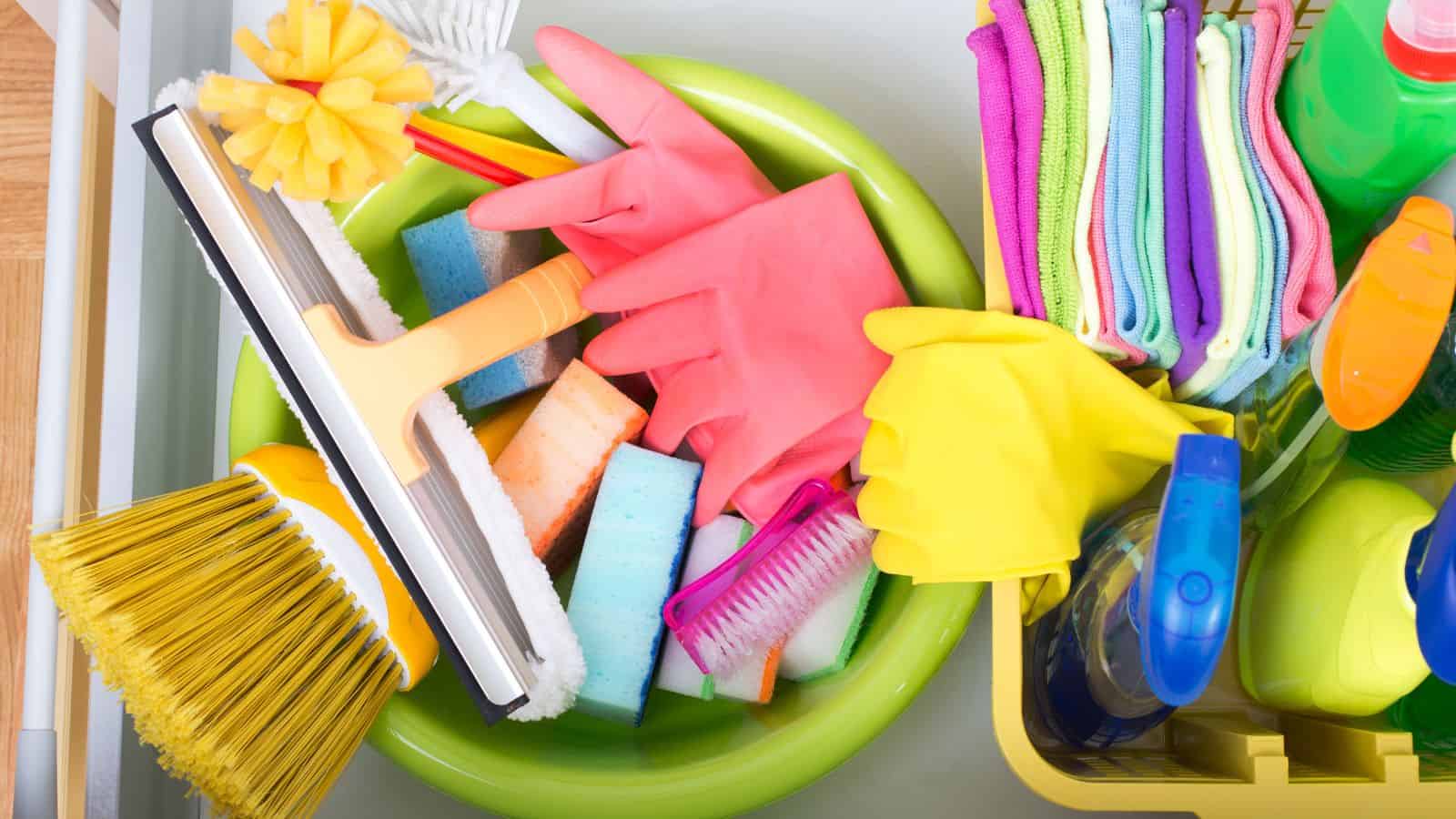
Half-used cleaning sprays or old detergents shouldn’t go into donation boxes. Opened containers might leak, degrade, or cause safety issues for staff. Most charities won’t take them. If you can’t finish them yourself, check how to dispose of them properly through your area’s hazardous waste program.
Broken Electronics
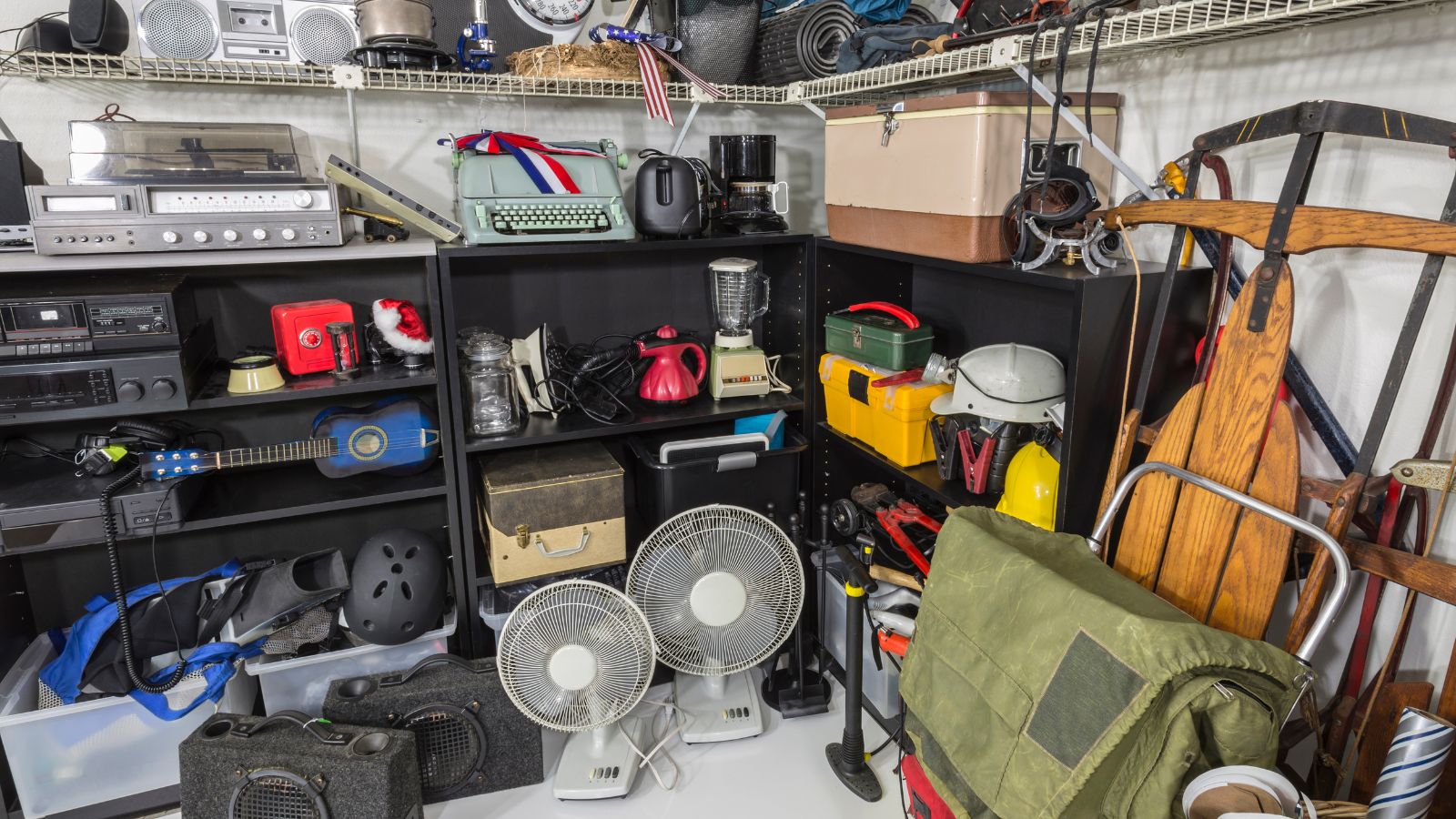
People sometimes assume charities could use electronics, even ones that no longer work. The problem is, most donation centers don’t have the staff or tools to repair them. A better option is to check for a local e-waste recycling program that takes apart or repurposes electronic devices safely.
Worn-Out Shoes

Footwear that’s falling apart, torn, or missing soles doesn’t belong in donation bins. Thrift stores will gladly accept gently used shoes, but if they’re too far gone, they won’t be reused. You’re better off tossing them or finding a shoe recycling program that can reuse the materials.
Old Underwear and Socks

It’s a common mistake to think all old clothes, even socks and underwear, can be donated. But most donation spots won’t take them – especially if they’ve been worn.
These are considered unhygienic unless brand new and still in packaging. If you can’t recycle them, it’s best to throw them out.
Old Towels and Sheets

While animal shelters sometimes want old towels or bedding, most donation centers do not. Items with holes, heavy stains, or too much wear can’t be resold. If shelters can’t use them, cut them into rags or toss them out if they’re too far gone for other uses.
Outdated Technology Manuals
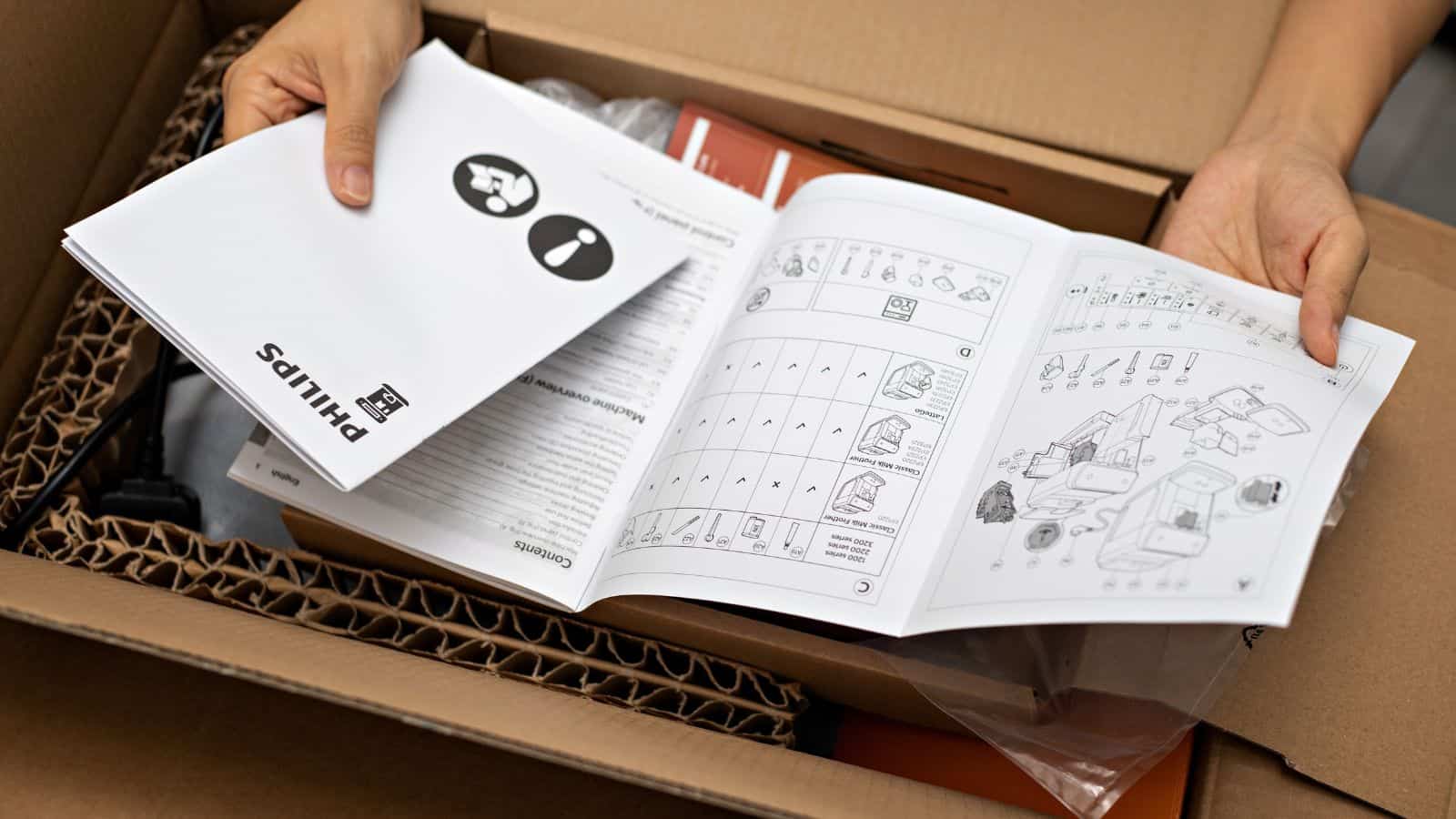
Stacks of user manuals for gadgets you no longer own are just taking up space. Without the original devices, they’re useless, and donation centers won’t have any use for them. You can toss them straight into your recycling bin to clear up space and reduce clutter.
Cracked or Chipped Dishes
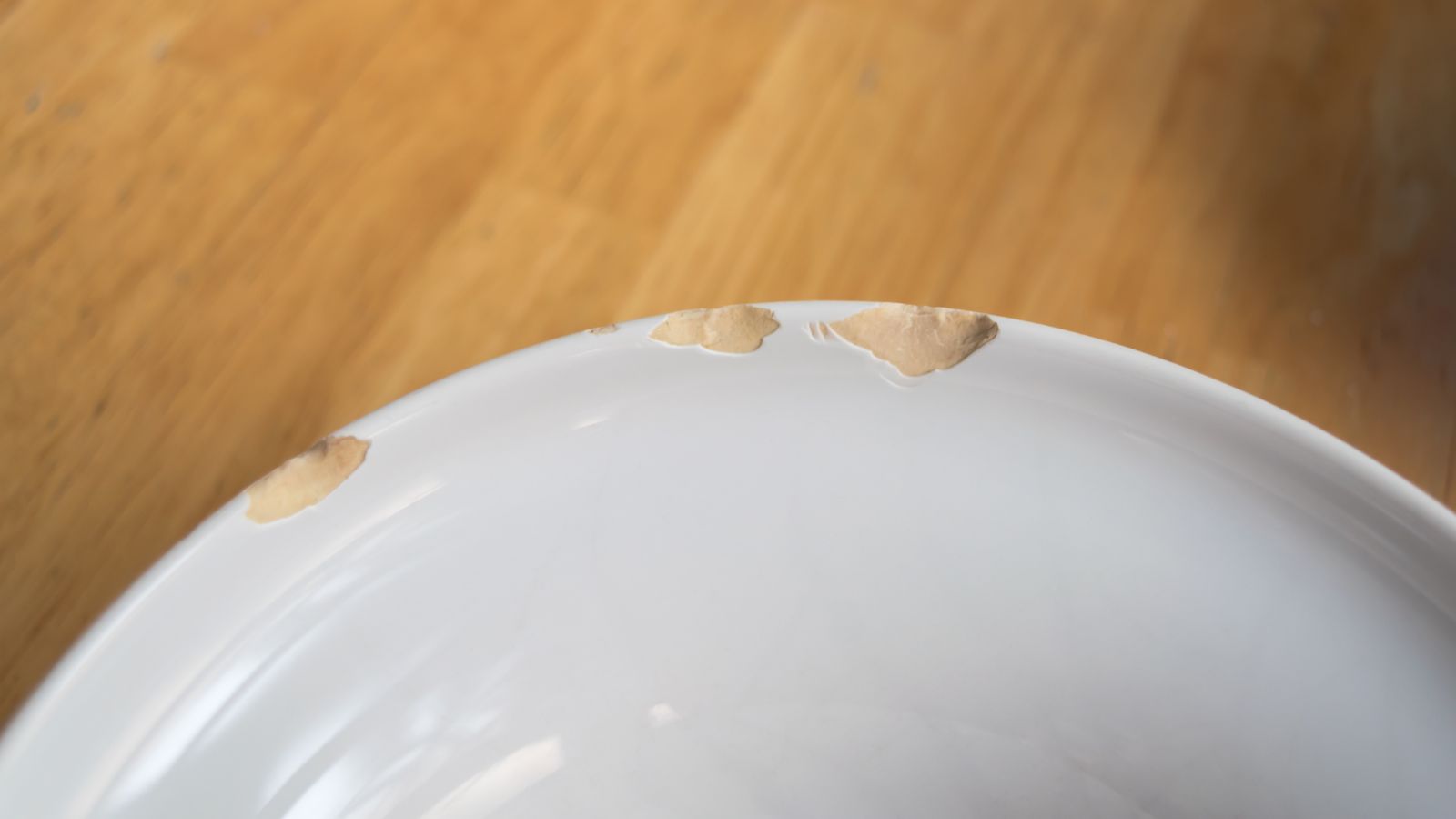
Dishes with chips, cracks, or obvious damage aren’t suitable for donation. They’re not safe to eat from, and nobody wants to buy broken crockery. Most organizations won’t accept them, so your best option is to recycle the pieces if you can – or throw them out responsibly.
Stained or Torn Clothing

Giving away old clothes is usually a nice gesture. That changes when they’re stained, ripped, or have holes. Most donation centers won’t accept damaged clothes and won’t put them out for sale. Instead of trying to donate them, turn them into cleaning cloths or drop them off at textile recycling spots.
This article includes content generated by AI.