
Having children to take care of has always been a tricky and expensive task, and that was definitely true in the ‘60s. Back then, moms always managed to find creative ways to make the most of every cent, feed a family, and keep their household running. Waste wasn’t an option, and sometimes, being frugal was necessary just to survive. Here’s how moms made their money go further back then.
Cooking From Scratch
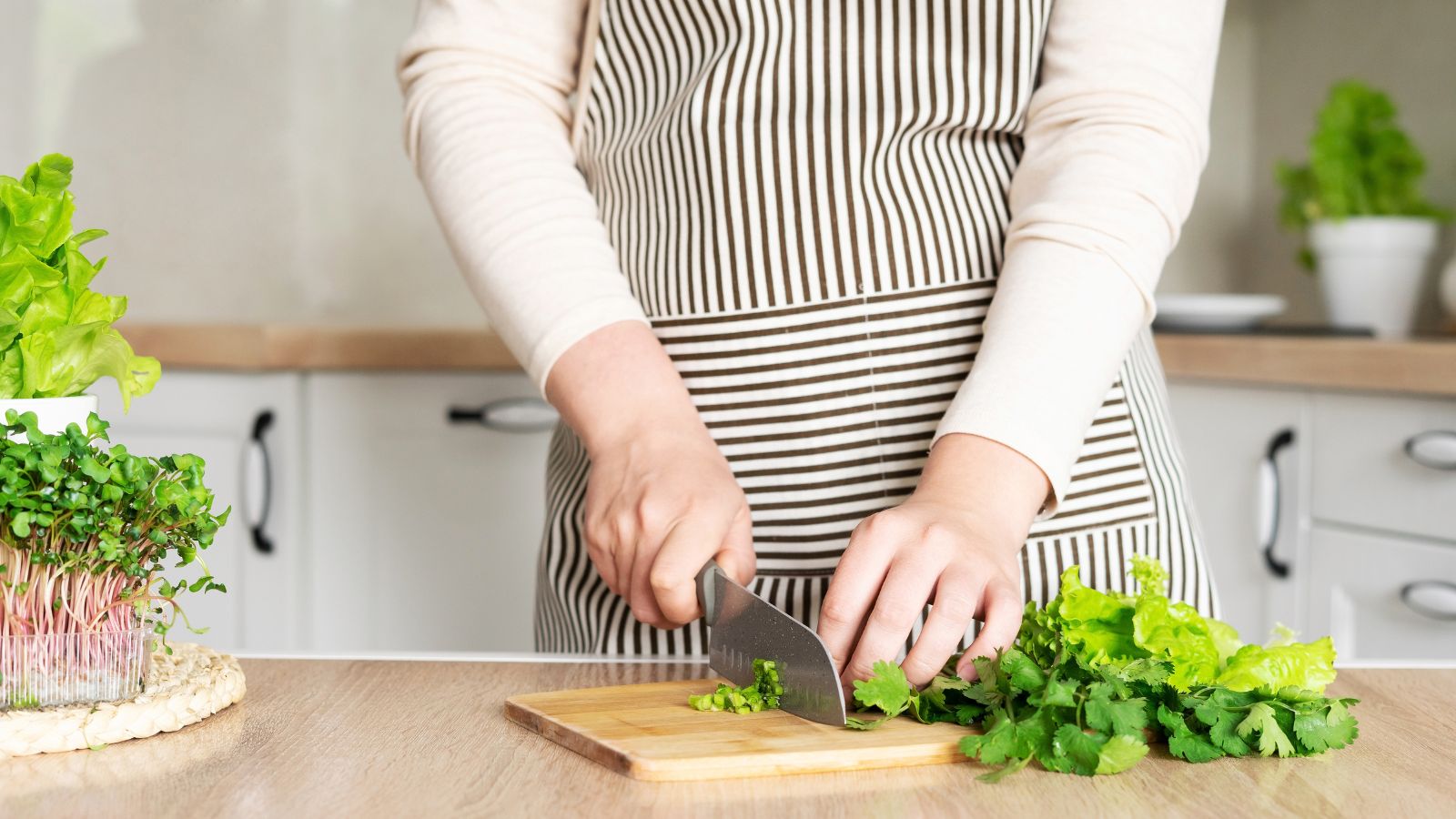
Prepackaged meals weren’t a regular part of grocery shopping. Homemade was the norm, with moms baking bread, making soups from bones, and whipping up meals from whatever was in the pantry. Processed food was expensive, so cooking from scratch was both a necessity and a way to ensure nothing went to waste.
Stretching Meat With Fillers

A pound of ground beef had to go a long way in those days. Moms added oatmeal, breadcrumbs, or even mashed potatoes to meatloaf and burgers to make it feed more mouths. Casseroles, stews, and soups were packed with vegetables and beans to make meat last longer without anyone feeling like they were getting less.
Using Leftovers Creatively
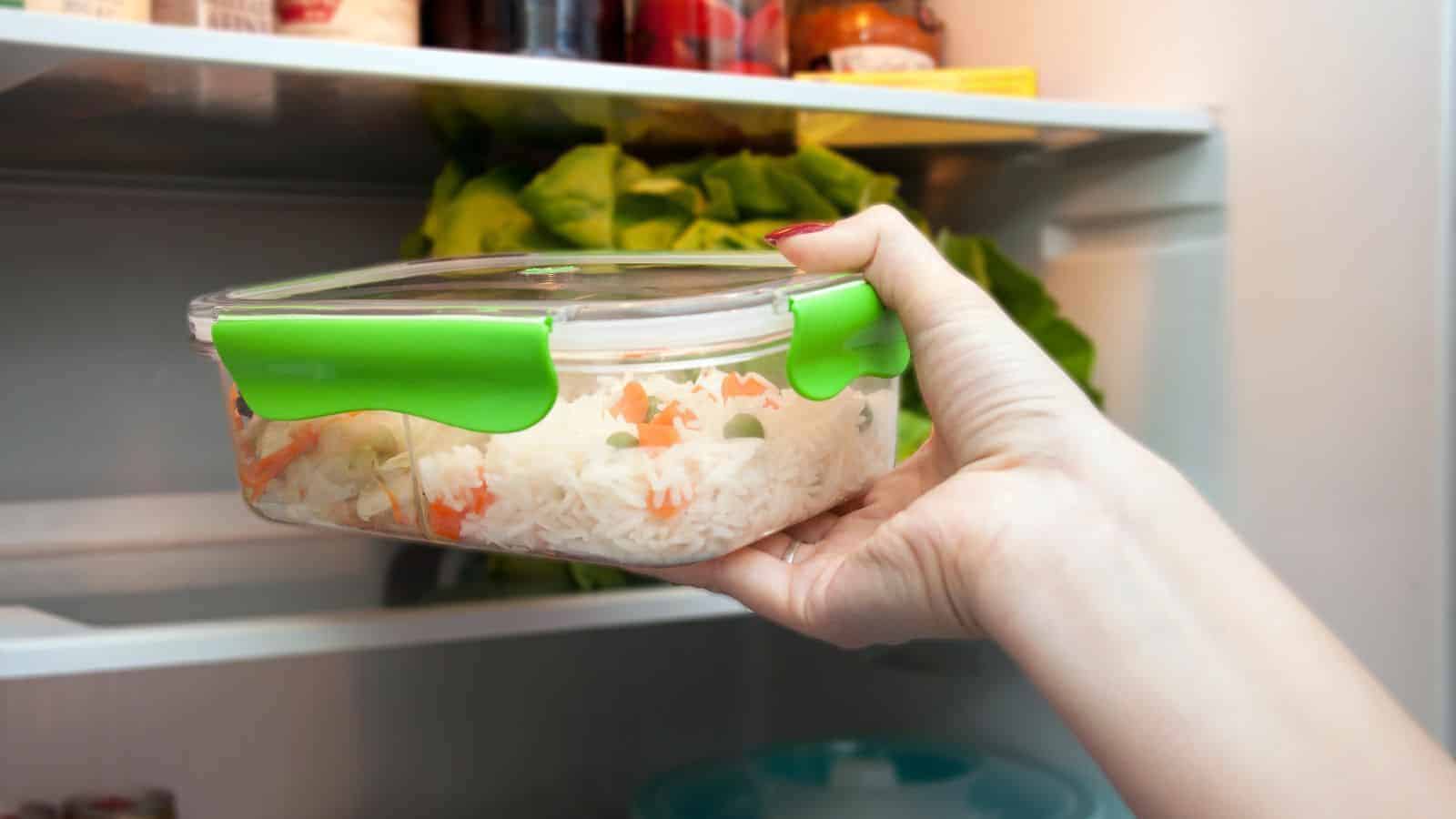
Nothing ever got thrown away without a second thought. Last night’s roast became today’s sandwiches, and vegetable scraps went into broth for soup. Cold mashed potatoes could turn into pancakes, and stale bread became croutons or stuffing. Moms made sure every bite of food was used in some way.
Shopping With a Strict List
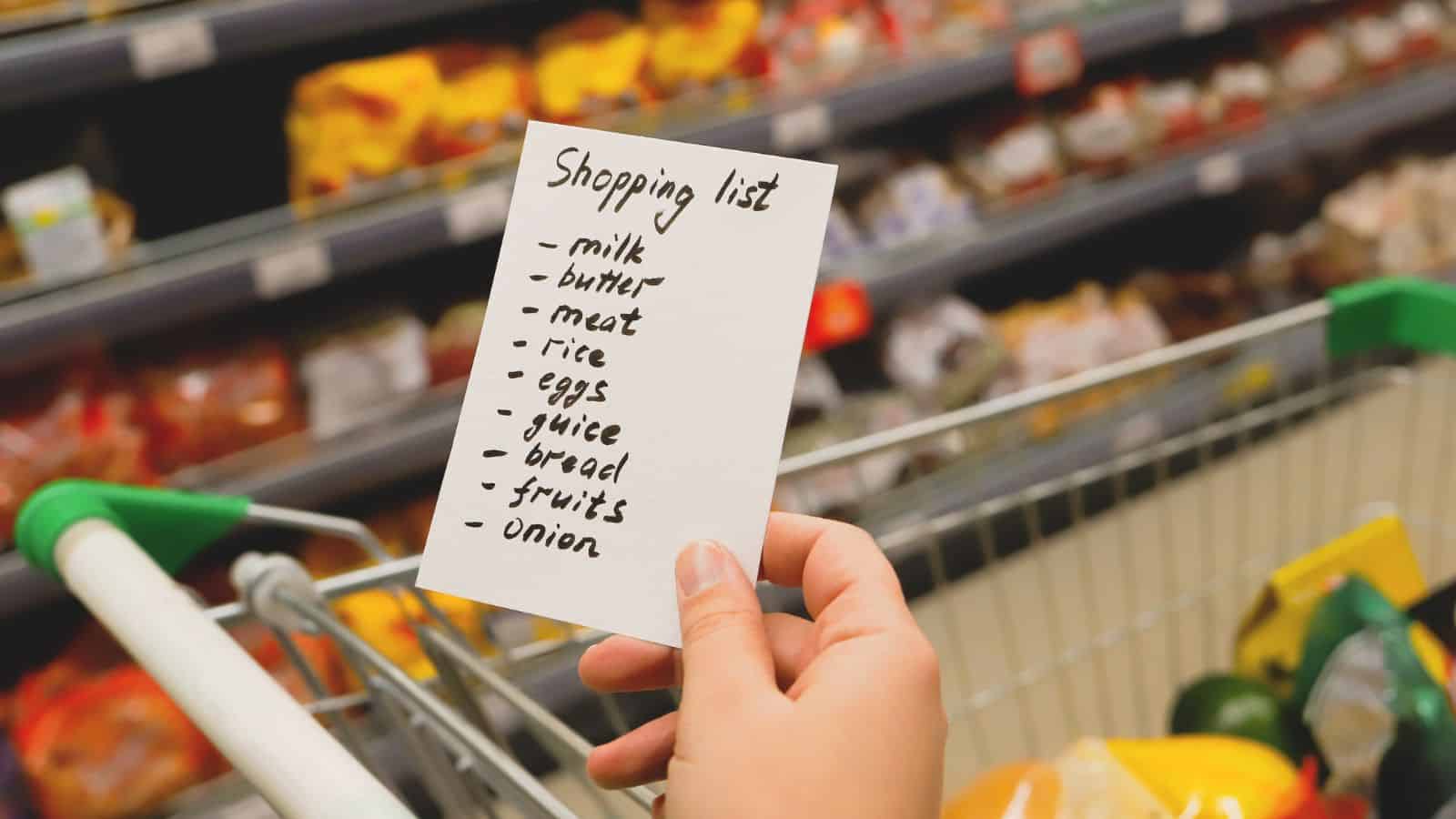
Impulse buying wasn’t in the budget. Grocery shopping was done with a carefully planned list, and sticking to it was key to keeping costs down. Coupons, store specials, and bulk buying for pantry staples helped stretch every dollar.
Buying Clothes a Size Too Big

Kids grew fast, and buying new clothes constantly wasn’t an option when you had a limited budget to work with. That’s why moms often bought shirts, jackets, and shoes a size bigger so kids could wear them longer. Hemlines could be adjusted, and hand-me-downs were a normal part of childhood. Clothes had to last, and a little extra room meant getting more wear out of them.
Sewing and Mending Everything
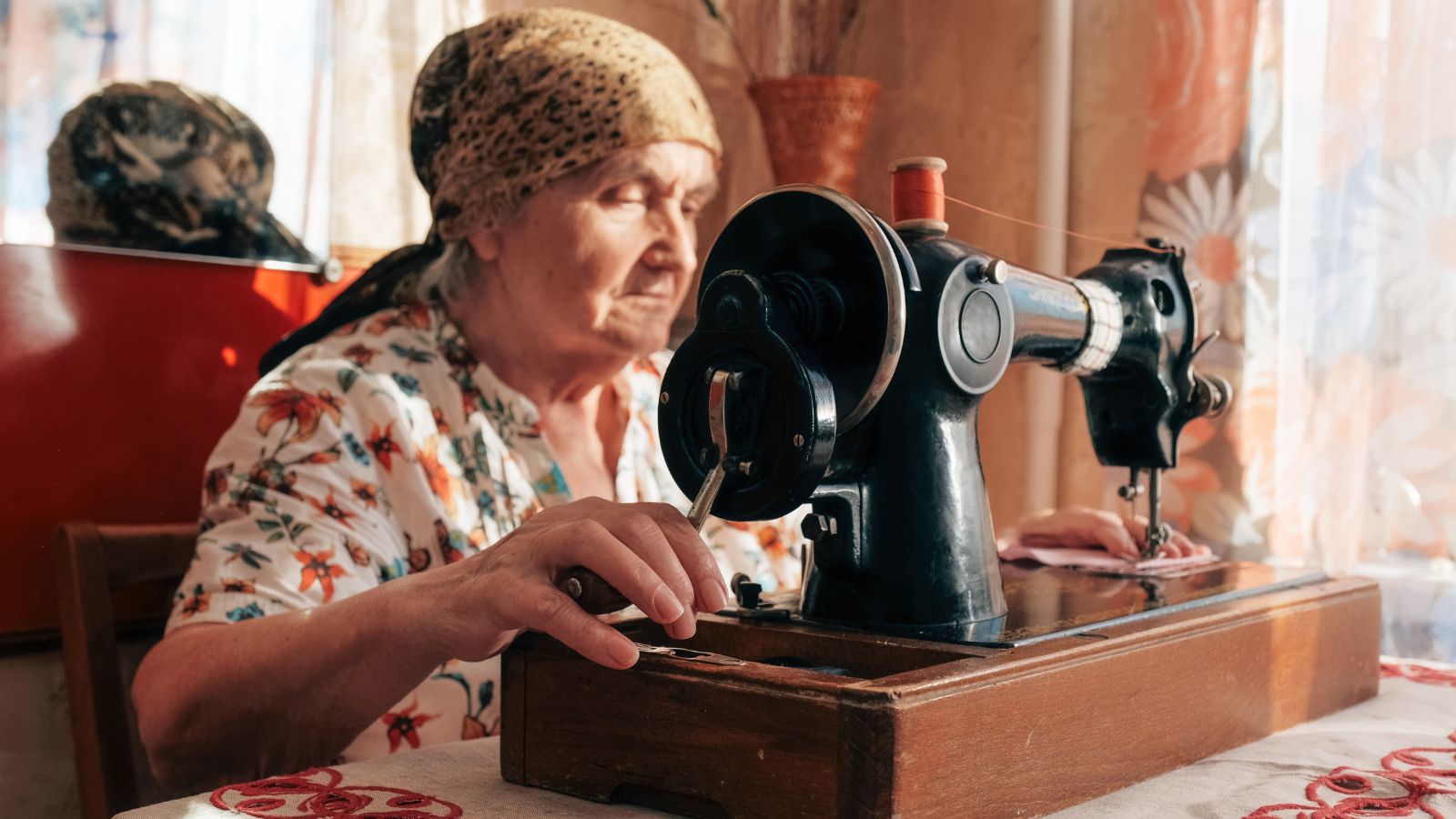
It’s hard to imagine with the culture of fast fashion we have today, but in the ‘60s, tossing out torn clothes wasn’t even a consideration. Moms patched holes in jeans, sewed buttons back on shirts, and even made clothes from scratch. If a dress was too short, fabric could be added. Hand-me-downs got freshened up with minor alterations so they felt new again.
Hanging Clothes on the Line
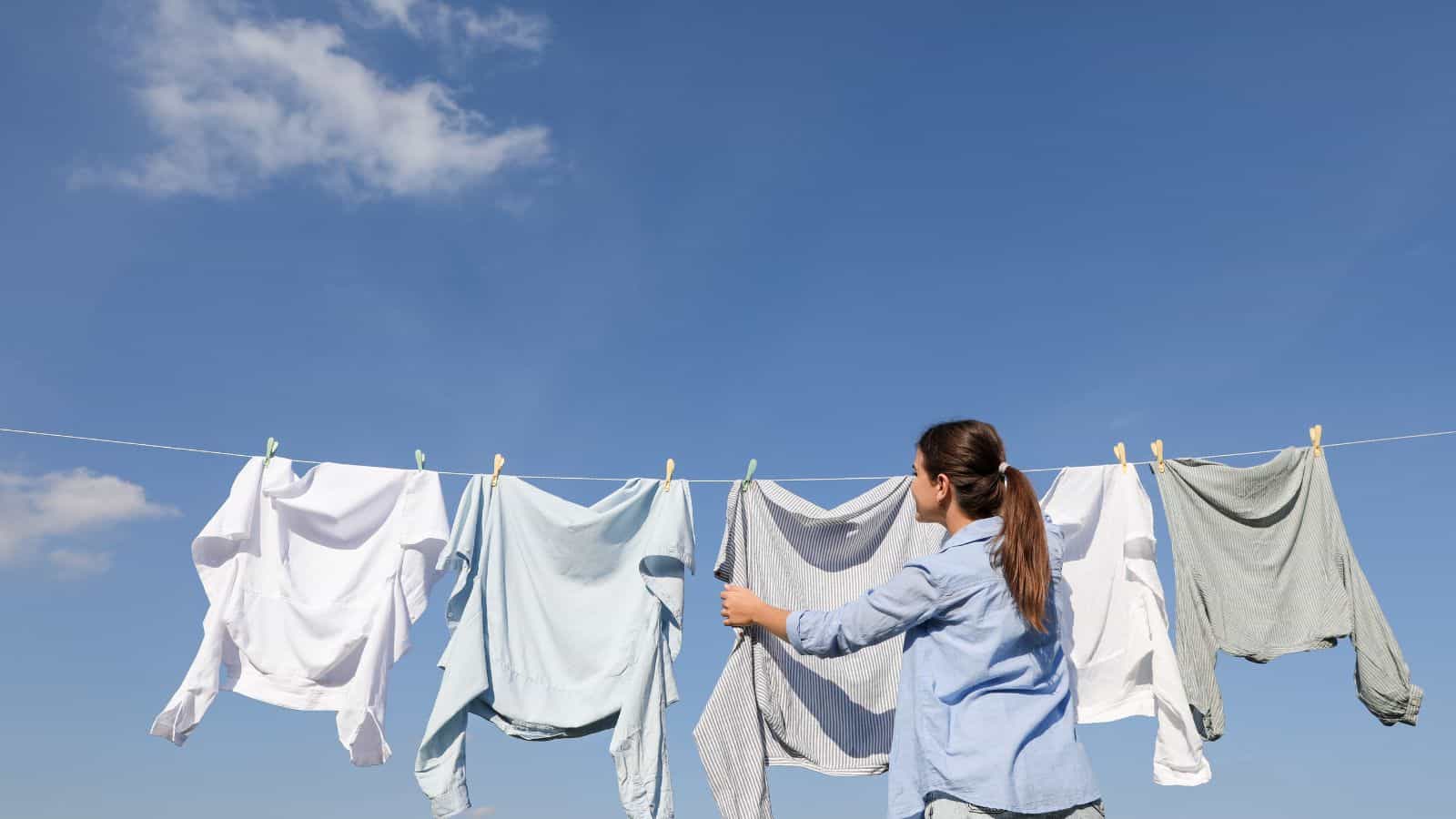
Dryers were a luxury, and using electricity for something that the sun could do for free didn’t make sense. Clothes were washed and hung on a clothesline to dry, saving money on energy costs. The fresh air gave laundry a crisp, clean scent – no fabric softeners necessary.
Making Homemade Cleaning Supplies
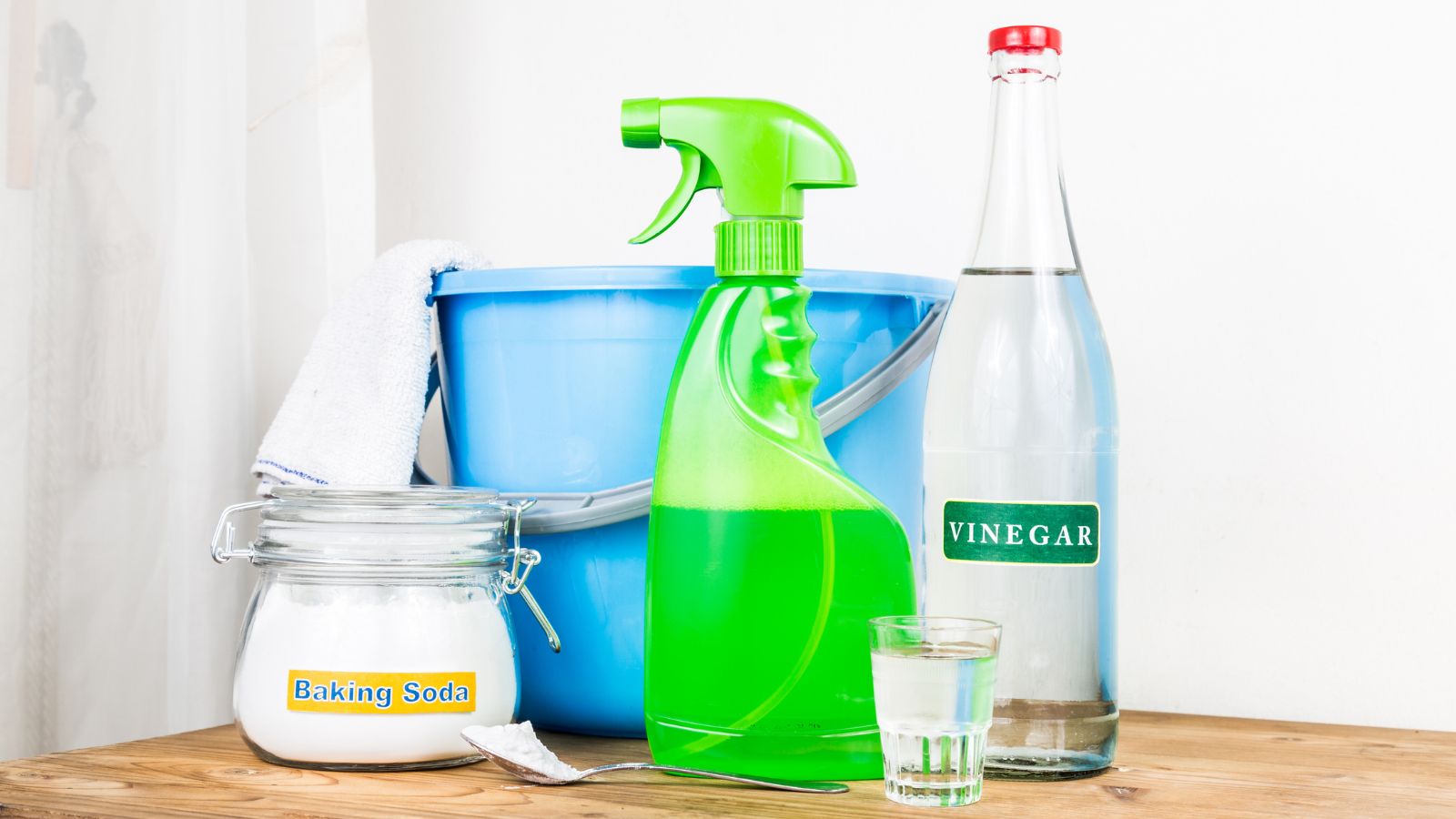
Store-bought cleaning products weren’t filling up the cabinets. Vinegar, baking soda, and soap handled almost every cleaning job in the house. Windows were wiped down with a mix of vinegar and water, and scrubbing paste was made from baking soda. Fancy products weren’t necessary when basic ingredients did the job just as well.
Repairing Instead of Replacing

Buying something new wasn’t always an option, so fixing what broke was a normal part of life. Shoes were taken to the cobbler, appliances were repaired instead of replaced, and furniture got a fresh coat of paint instead of being tossed. If something could be fixed, it was – no question about it.
Growing Fruits and Vegetables

Even a small yard could produce food. Gardens were common, with tomatoes, cucumbers, beans, and lettuce growing in backyards. Fruit trees provided fresh apples or peaches, and canning helped make the harvest last through the winter.
Making Homemade Baby Food

Jars of baby food weren’t a regular purchase in those days. Instead, moms mashed up vegetables, fruits, and grains to make their own purees. It was cheaper, healthier, and just part of raising a baby. There was no need for expensive store-bought options when a banana and a fork did the trick.
Hosting Potluck Dinners
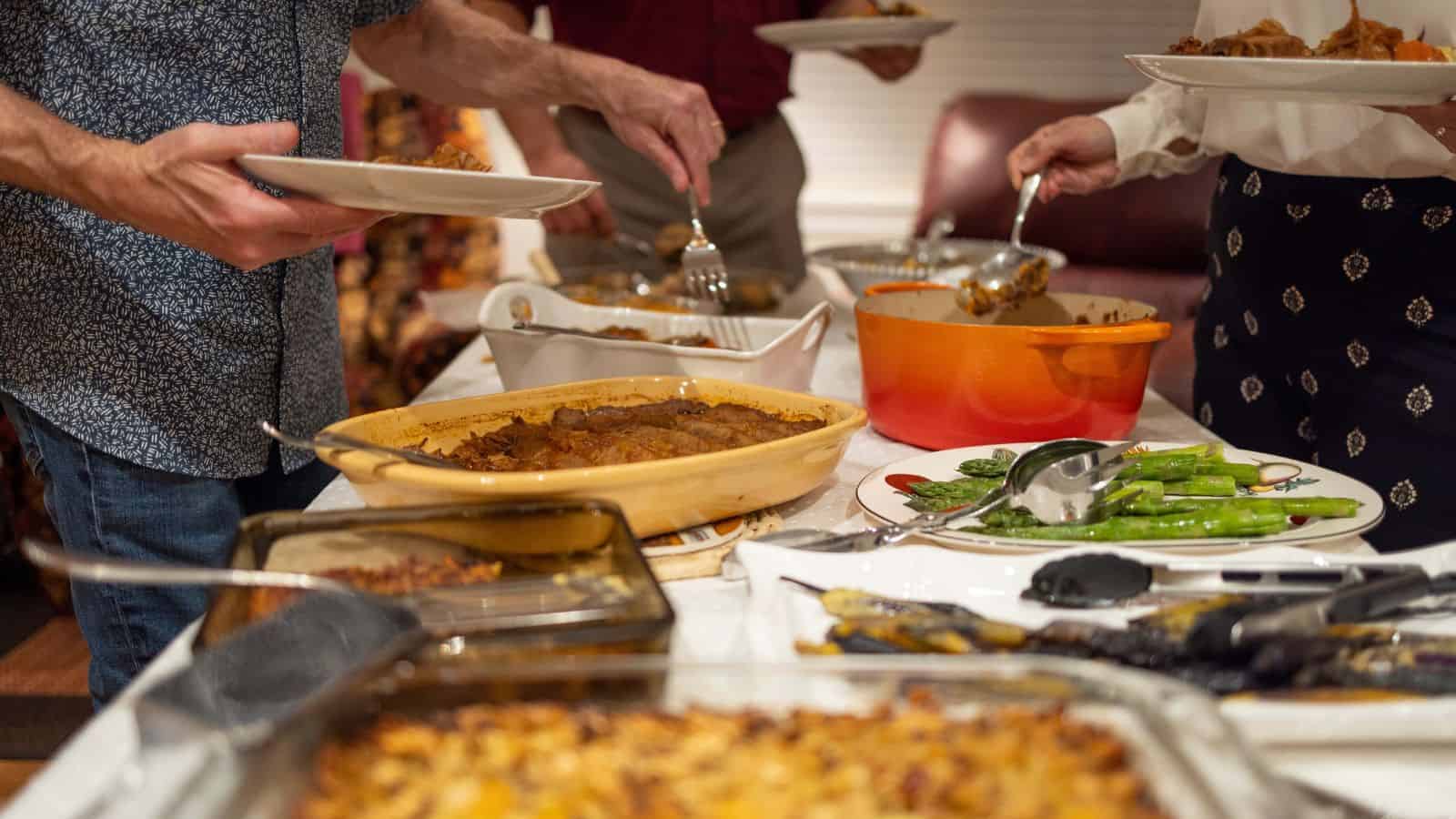
Entertaining on a budget meant sharing the cost. Potluck dinners allowed friends and family to come together without one person footing the bill. Each guest brought a dish, making gatherings affordable while still being a lot of fun.
Using Homemade Remedies

Doctor visits weren’t always the first solution. Moms had remedies for everything, from honey and lemon for sore throats to baking soda paste for bug bites. Epsom salts, Vicks VapoRub, and warm tea handled minor illnesses, and home cures were passed down through generations.
Reusing Everything Possible
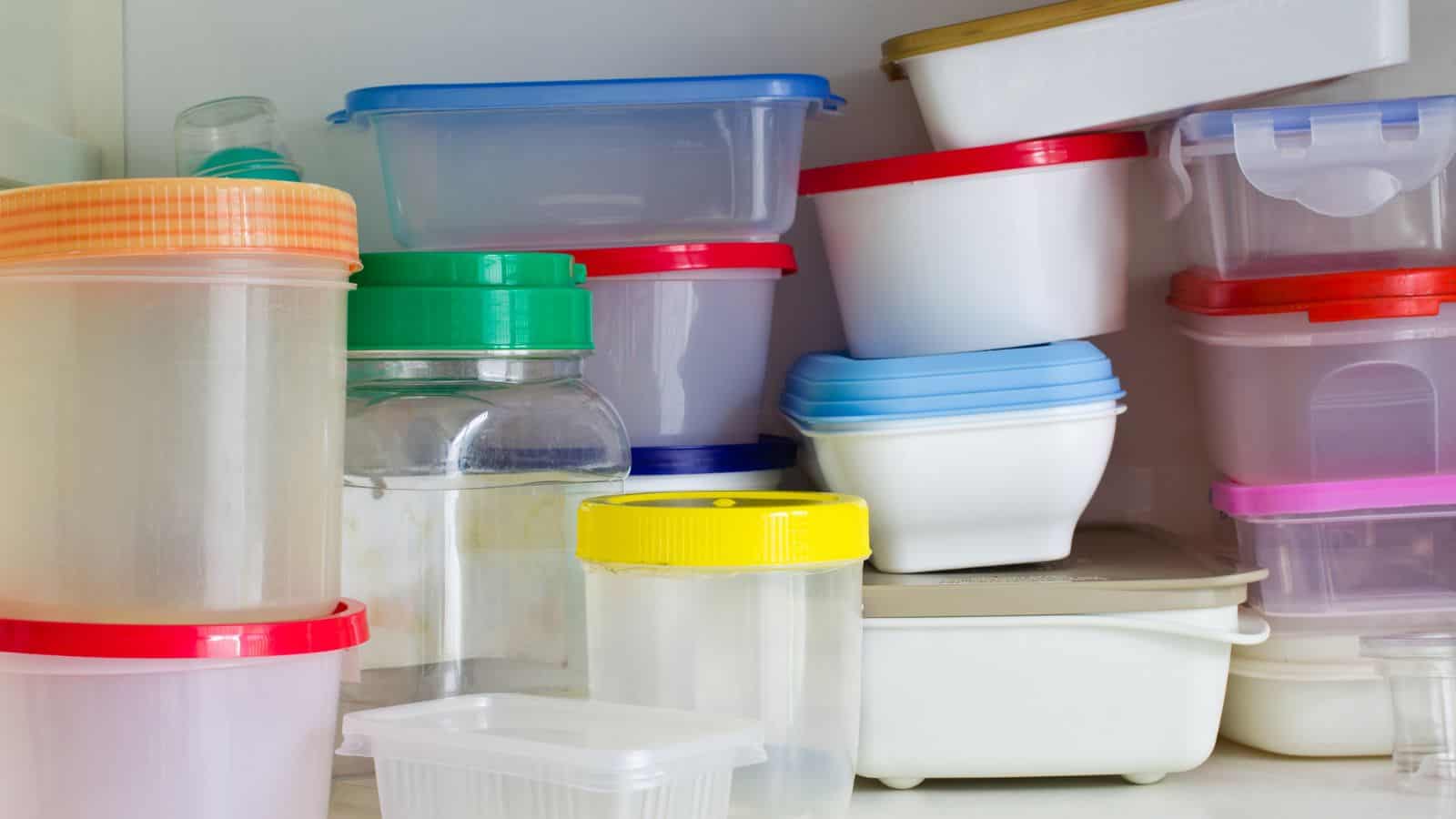
Nothing was thrown away without considering if it had another use. Butter tubs became food storage containers, glass jars were reused for canning, and brown paper bags got ironed and used again.
Walking Instead of Driving

Gas wasn’t wasted on short trips. Moms walked to the store, kids walked to school, and biking was a normal way to get around. Every mile driven was carefully considered because every gallon of gas mattered. If something was close enough to walk, that’s exactly what happened.
Finding Free Entertainment

Spending money on activities wasn’t always possible, so free entertainment was a must. Picnics at the park, playing outside until dark, and using the library for books and movies were regular pastimes. Kids didn’t expect constant paid activities – fun came from creativity, not a price tag.
Keeping the Heat and AC Low

When you had a big family to take care of, utility bills had to be managed carefully. During winter, sweaters and blankets helped keep warm instead of cranking up the heat. In the summer, fans and open windows provided relief instead of running the air conditioner all day. Every bit of energy saved was money that could be spent elsewhere.