
Our society and its needs, values, and traditions are always changing, and that’s especially true in this age of rapid technological advancements. It should come as no surprise, then, that Gen Z is flipping the script on how people spend their money.
In this post, we look at some of the things Gen Z just isn’t spending their money on anymore – and how it’s changing everything.
Fast fashion

Fast fashion once dominated the retail world, but Gen Z isn’t buying it – literally. They’re much more interested in sustainable clothing, preferring secondhand shops and thrift stores. Quality and ethics matter more than having a closet full of cheap, trendy pieces.
This generation cares about the planet, so they’re not willing to support brands with questionable labor practices or wasteful production.
Cable TV subscriptions

There are so many streaming options out there today that nobody really needs cable anymore. Paying for expensive cable packages seems outdated when you can binge-watch everything online. Gen Z prefers platforms like Netflix, Hulu, and YouTube, where content is on demand.
Luxury handbags

Flashy designer bags used to be the ultimate status symbol, but Gen Z isn’t so impressed. For them, practicality wins over logos. They’re more likely to spend on experiences or tech than drop thousands on a purse. Plus, many see luxury brands as out of touch with modern values like sustainability and affordability.
Diamonds and traditional jewelry

For Gen Z, jewelry doesn’t have to come with a big price tag – or from a mine. Ethical concerns around mining and high costs don’t fit with their values. Lab-grown diamonds are more affordable, sustainable, and virtually identical to the real thing.
Car ownership

Owning a car used to be a rite of passage, but Gen Z isn’t rushing to the dealership. They’re opting for ride-sharing services like Uber and Lyft, especially in urban areas where parking is expensive and traffic is a hassle. Environmental concerns also play a role – why own a car when you can save money and reduce your carbon footprint?
Traditional gyms

Big-box gyms aren’t as appealing to Gen Z as they were to previous generations. Instead, they prefer at-home workouts, outdoor activities, and boutique fitness studios. Apps and online subscriptions like Peloton and YouTube fitness channels offer convenience without long-term contracts.
Cable news subscriptions

Gen Z isn’t turning on the TV to watch the news. They get their updates from social media platforms like TikTok, Instagram, and Twitter. Traditional news sources feel slow and out of touch, especially when information spreads online instantly.
Trendy home decor

Minimalism and functionality have taken over. Gen Z doesn’t see the point in spending on trendy home decor that goes out of style in a year. Instead, they prioritize practical pieces, thrifted finds, and sustainable decor options. They want items that tell a story or serve a purpose, not just things that look good on Instagram.
Expensive college textbooks

Why pay hundreds for textbooks when cheaper, digital options exist? Gen Z is all about saving money where they can, and overpriced textbooks are an easy place to cut costs. They turn to rentals, digital versions, and open-source materials whenever possible.
Traditional phone plans

When it comes to phone plans, Gen Z prefers flexible, prepaid options that don’t lock them into high monthly fees. They value transparency and affordability, so they’re drawn to no-contract plans with data flexibility. This change is forcing big carriers to compete with more affordable, customizable options.
Bottled water

Bottled water is another thing Gen Z isn’t wasting money on. Not only is it bad for the environment, but it also doesn’t make sense financially when reusable bottles and filtered water exist. This eco-conscious generation is all about reducing plastic waste, so sustainable alternatives are a no-brainer.
Fast food chains

Fast food isn’t completely off the menu, but Gen Z is definitely spending less on it. They prefer healthier, fresher alternatives, and they’re willing to pay a little more for better ingredients. Plant-based options and ethical sourcing matter to them.
Traditional fast food joints are feeling the pressure, leading to menu changes and healthier offerings.
Print media

Magazines and newspapers aren’t on Gen Z’s shopping list. After all, why should they spend money on print when digital content is free and accessible? They prefer online articles, podcasts, and digital subscriptions that are cheaper and easier to access.
Subscription boxes

Minimalism and conscious consumption mean Gen Z only wants to pay for things they truly value. Subscription services are now being forced to prove their worth, offering more customization and flexibility to stay relevant.
Cable sports packages

Sports fans in Gen Z aren’t shelling out for expensive cable sports packages. They prefer streaming services that offer flexibility and lower costs. Highlights, replays, and live streams on social media provide instant access without the hefty price tag.
Traditional banking services

Gen Z is all about digital convenience, so traditional banks with high fees and limited mobile features don’t cut it for them anymore. This trend is forcing traditional financial institutions to innovate or risk losing the next generation of customers altogether.
Luxury watches

Luxury watches don’t hold the same appeal for Gen Z as they did for previous generations. When a smartphone can tell time and serve countless other functions, a pricey watch feels unnecessary. For those who do like watches, affordable and sustainable brands hold more appeal.
Traditional weddings

Weddings have always been expensive, but Gen Z isn’t about to blow their savings on a single day. They’re opting for smaller, more meaningful ceremonies that reflect their values. Think backyard weddings, destination elopements, or minimalist celebrations.
The wedding industry is already feeling this change, with vendors offering more budget-friendly and personalized options to appeal to this generation.
Cable landline phones
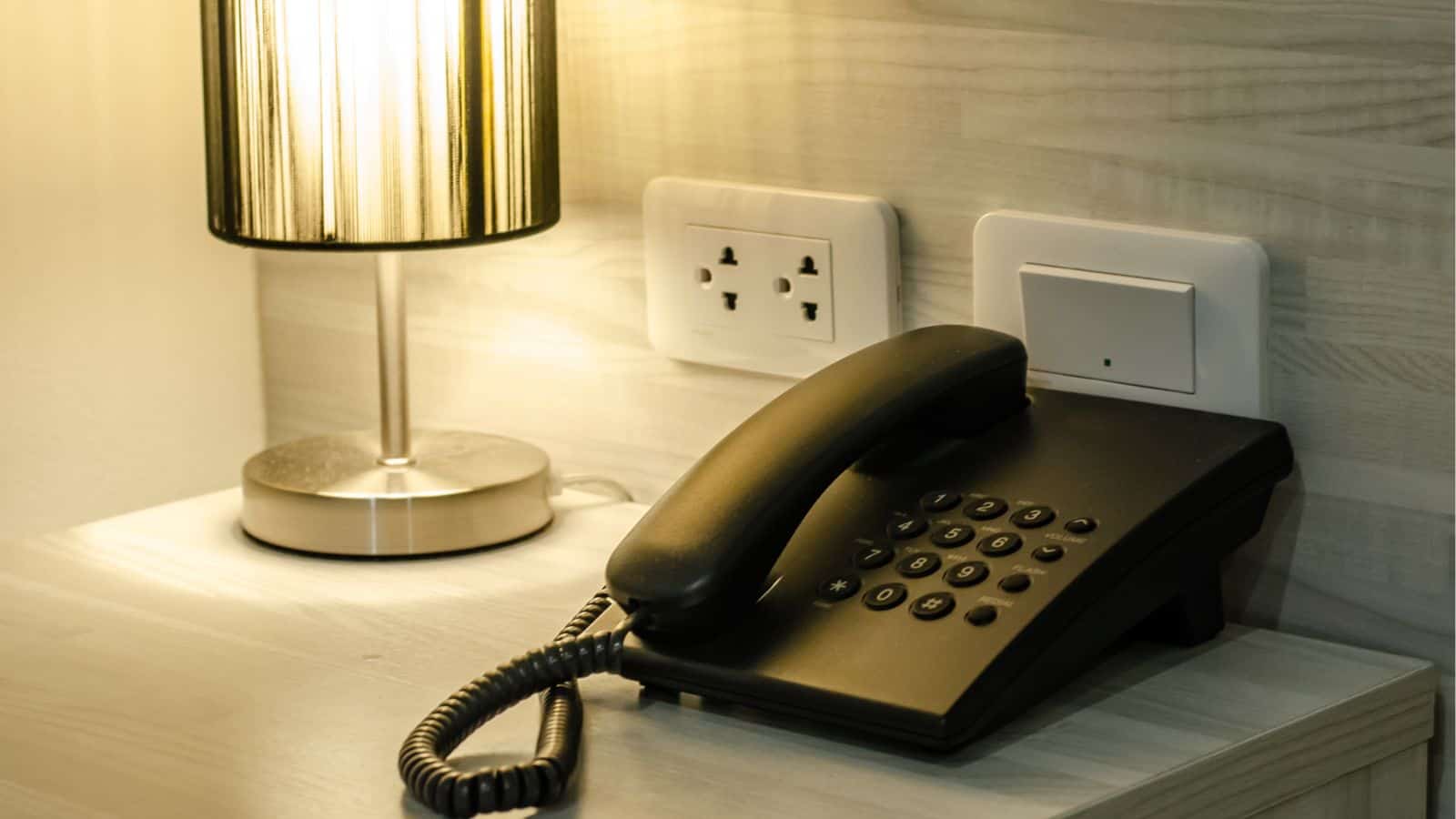
Landline phones have become practically obsolete for Gen Z. When smartphones offer everything from calls to streaming and social media, there’s no reason to pay for a landline. This shift is shrinking the landline market dramatically, with telecom companies focusing entirely on mobile services and internet-based communication options.
This article includes content generated by AI.