
Many people assume that everything they’ve paid for belongs to them outright, but that’s not always the case. Some assets and purchases come with strings attached, and they might not be passed down to your heirs the way you expect. It could be due to licensing agreements, legal restrictions, or financial obligations, but certain things simply don’t transfer the way traditional property does.
Here are some things you may not truly own and how that could impact your will.
Digital Music and Movies

You probably think that buying digital music or movies means they’re yours forever, but that’s not how it works. When you purchase content from platforms like iTunes or Amazon, you’re actually just buying a license to use it. This means that when you pass away, your heirs won’t be able to inherit your digital library.
These licenses are non-transferable, so all that money spent on digital media essentially disappears when you do.
E-Books

Just like digital movies and music, e-books are not truly owned in the traditional sense. Instead of buying a physical copy that you can lend or pass down, you’re purchasing the right to access it on a particular platform. Amazon Kindle and other e-book providers prevent users from transferring these digital files to another person, meaning your collection of e-books won’t be included in your will.
Social Media Accounts

Many people assume that their Facebook, Instagram, or Twitter accounts will remain accessible to their loved ones after they pass, but these accounts aren’t actually owned by the user. They’re governed by the platform’s terms of service, which usually prohibit transfer of ownership.
Some platforms allow for memorialization or limited posthumous access, but they do not permit full control or ownership to be transferred.
Email Accounts

Your email account is another digital asset that doesn’t technically belong to you. Services like Gmail, Yahoo, and Outlook have strict terms that often prevent ownership from being transferred. Once an account becomes inactive due to death, providers may close it or restrict access.
If important financial documents or sentimental messages are stored in your inbox, your heirs could struggle to retrieve them. Set up a contingency plan with a trusted individual to help avoid complications.
Software and Apps

When you buy software, you’re typically just paying for a license to use it rather than owning the program itself. This applies to everything from Microsoft Office to Adobe Creative Cloud. Since these licenses are usually tied to an individual user, they cannot be transferred in a will. Subscriptions, in particular, end once the original user is no longer alive.
Cloud Storage and Digital Files

The cloud might seem convenient for storing important documents and memories, but you don’t actually own that storage space, you’re renting it. Services like Google Drive, Dropbox, and iCloud operate on a subscription basis, meaning access ends when payments stop.
If you have valuable photos, legal documents, or other files stored online, your heirs may struggle to retrieve them unless you have a plan in place.
Streaming Service Accounts
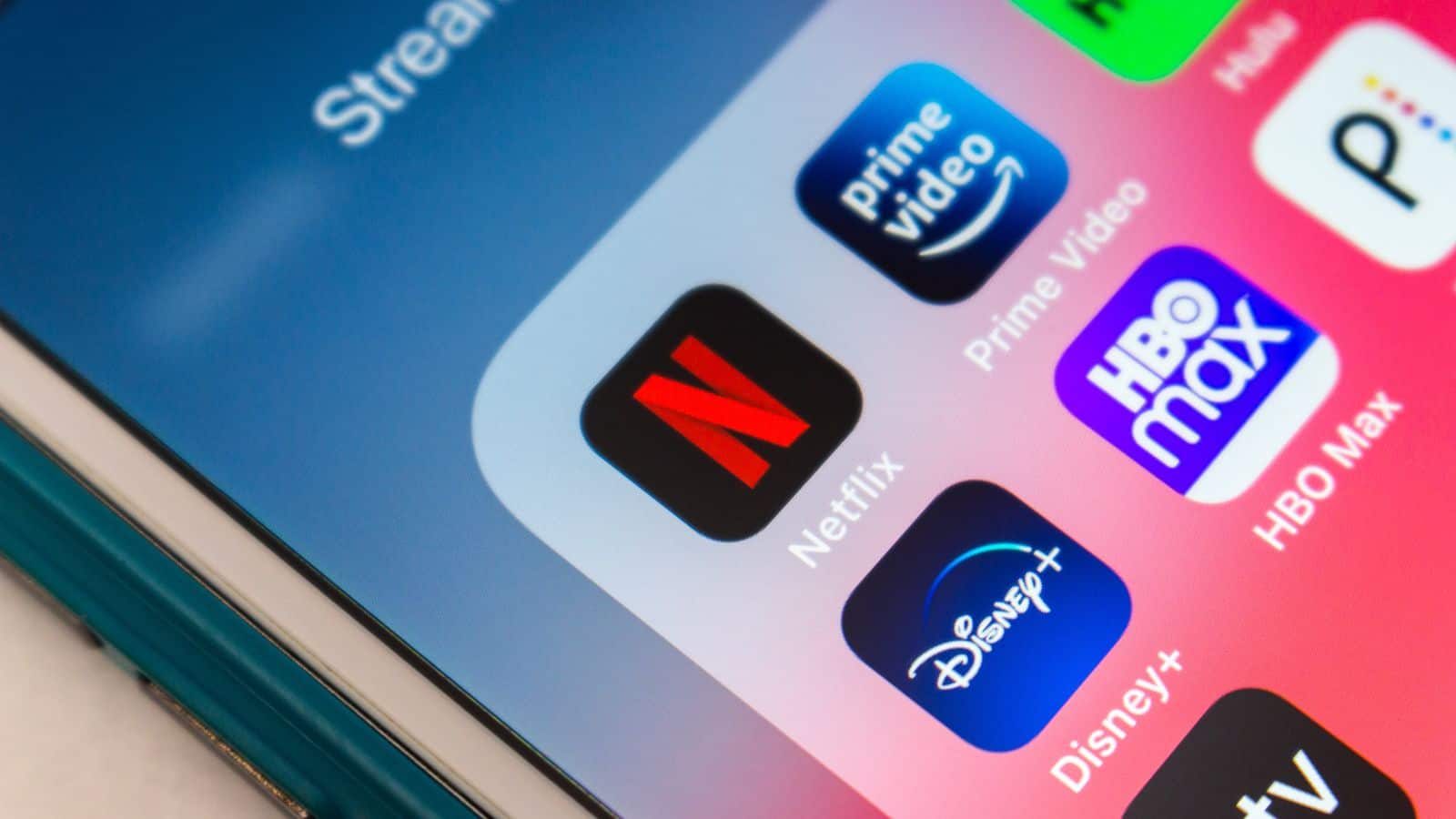
Subscriptions to services like Netflix, Hulu, and Spotify are non-transferable, meaning they can’t be left to anyone in your will. These accounts are tied to the original user and cease to function once payments stop. Even if your family members have been using your account, they’ll need to start their own subscriptions if they want continued access.
Frequent Flyer Miles and Reward Points

Airline miles, hotel points, and credit card rewards can be valuable, but they may not be part of your estate. Many loyalty programs explicitly state that points and miles are non-transferable upon death. Some airlines and credit card companies may make exceptions if heirs request them, but it’s not guaranteed.
Car Leases

Leasing a car may feel like ownership, but in reality, it’s more like renting long-term. If you pass away before your lease ends, your estate or next of kin may be responsible for either returning the vehicle or buying out the lease. Most leasing companies will not allow heirs to simply take over the lease without applying and being approved. Check the lease terms to understand your obligations.
Cemetery Plots

Most assume that purchasing a cemetery plot means they own it forever, but that’s not always the case. Some burial plots are leased for a specific period, after which they may be resold or reused if not renewed.
Laws vary by location, so it’s important to check the terms of ownership when making burial arrangements.
Business Licenses and Permits

You might think your heirs can simply take over your business, but many business licenses and permits are non-transferable. Some require a new application process, and others may not be reissued at all.
If your business depends on a specific license to operate, such as a liquor license or medical practice permit, your heirs may need to go through a legal process to continue operations.
Intellectual Property Without Proper Rights

If you’ve created something like a book, song, or invention, you might assume it automatically passes to your heirs. However, intellectual property laws can be complex, and ownership depends on copyright, trademarks, or patents being correctly assigned.
Safe Deposit Box Contents Without Proper Access

A safe deposit box may hold valuable items, but if your heirs don’t have the right documentation, they may not be able to access it. Banks require proof of ownership or a court order to grant access to a deceased person’s safe deposit box.
Life Insurance Without Named Beneficiaries

Many assume their life insurance policy automatically goes to their family, but if there’s no named beneficiary, the payout may be delayed or even lost to the estate settlement process. Without a clear designation, the funds may go through probate, which can take months or years to resolve. To ensure your policy benefits the right people, regularly review your beneficiary information and update it as needed.
This article may include content generated by AI and has been reviewed and edited by our editorial team for accuracy and clarity.