
Technology is advancing faster than ever, and many of the items we rely on today could be gone in just a few years. We have new ways of doing things, and while some people may not agree with how the world is developing, it’s clear that the following items are on their way out.
Paper Receipts

It’s becoming increasingly rare to see someone actually keeping a paper receipt. For decades, receipts were necessary for tracking expenses, returning purchases, and filing taxes. But now, thanks to digital payment systems, email receipts, and mobile banking apps, paper receipts are quickly becoming unnecessary.
Physical Credit Cards

You might feel that reaching into your wallet to pull out a plastic credit card is already outdated. With the rise of mobile payment systems like Apple Pay, Google Pay, and tap-to-pay technology, many people are making purchases without ever touching their physical cards.
In some places, cashless transactions have already become the norm, and businesses are encouraging customers to go fully digital.
Remote Controls
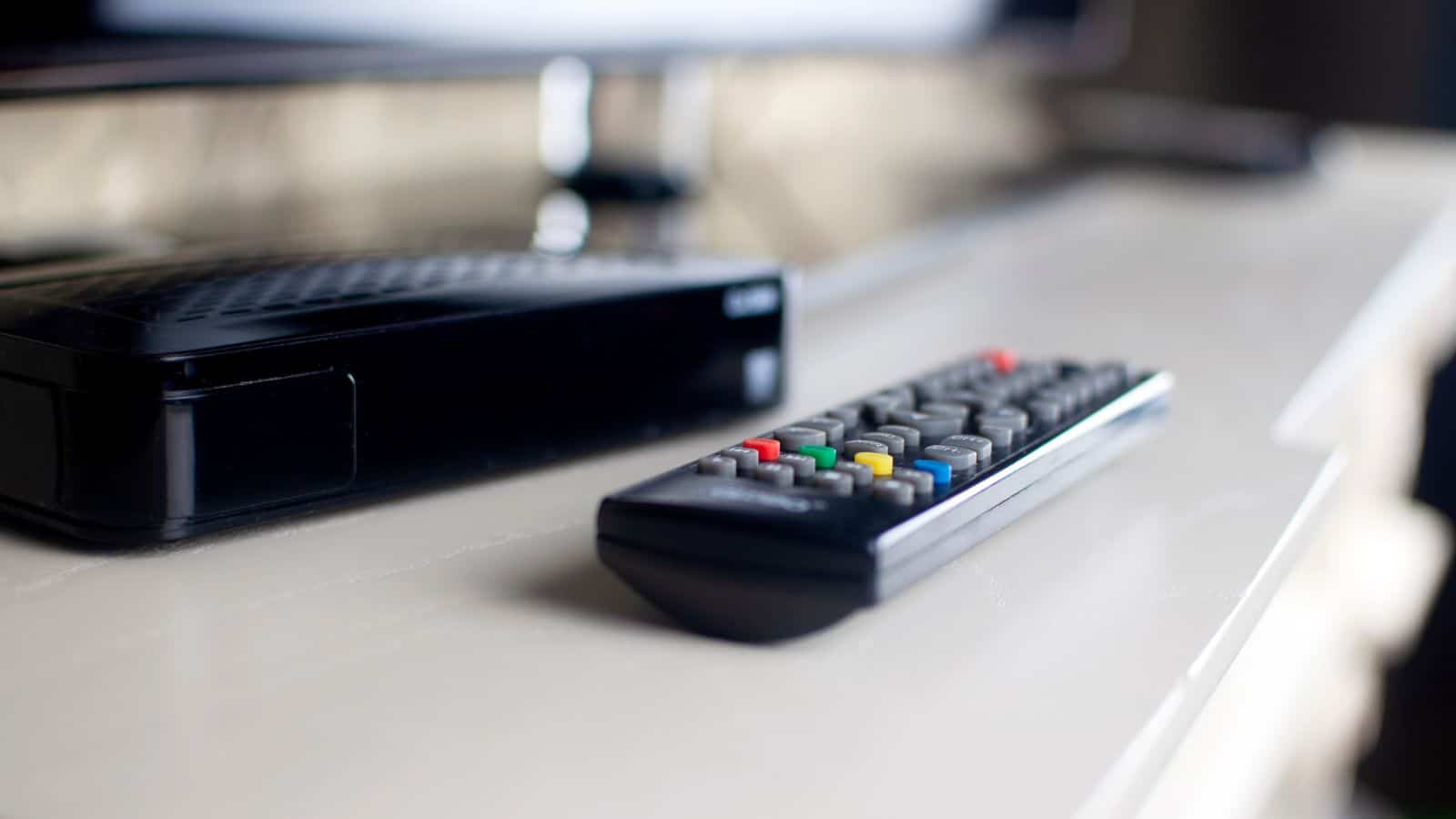
Of course, flipping through TV channels with a remote control has been a habit for decades, but that may not be the case much longer. As smart TVs, voice assistants, and mobile apps continue to evolve, physical remotes are becoming less necessary.
Some newer televisions and home entertainment systems already rely on mobile apps instead of remotes, giving users a more integrated way to control their devices.
Car Keys

It’s strange to think that physical car keys, especially those that you have to insert and turn, are becoming a thing of the past. Many modern cars now come equipped with push-to-start ignitions, keyless entry systems, and smartphone apps that let you unlock and start your vehicle remotely.
Printed Newspapers

As you already know, print newspapers have been struggling for years, and the rise of digital media has made them nearly irrelevant for most people. While older generations may still prefer a physical newspaper with their morning coffee, younger audiences consume news almost exclusively online.
Business Cards

You might still be able to remember when networking used to involve handing out business cards, but now, most professionals just exchange contact information digitally. As companies continue to move toward sustainable practices and paperless work environments, traditional business cards will likely fade away in favor of digital alternatives.
Physical SIM Cards

Those tiny plastic SIM cards that connect phones to mobile networks may soon be a thing of the past. More smartphones are switching to eSIM technology, which allows users to activate a new carrier or plan without needing a physical card.
Apple has already removed the SIM card tray from some of its latest iPhone models, signaling the beginning of the transition to fully digital SIMs.
Wired Earbuds

No question about it, wired headphones were once the standard, but they’re quickly being replaced by wireless alternatives. Bluetooth earbuds like AirPods and Galaxy Buds have exploded in popularity, offering convenience, freedom of movement, and improved sound quality.
Within the next decade, wired earbuds may become rare, with wireless technology fully taking over.
Home Printers
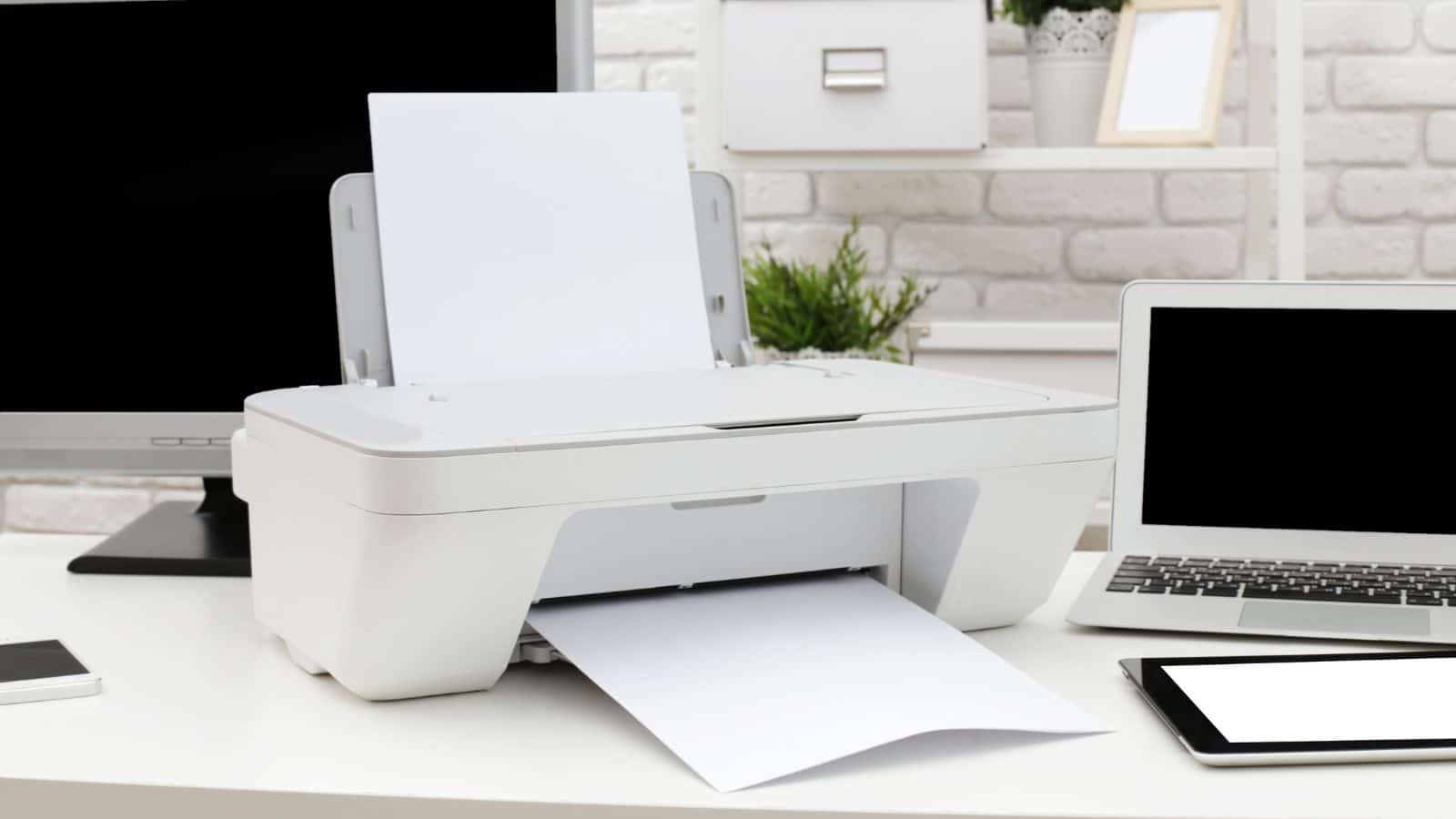
Certainly, personal printers used to be a household staple, but they’re becoming less essential as everything moves online. Many people now store and share documents digitally instead of printing them, reducing the need for home printers. With the high cost of ink cartridges and the hassle of maintenance, many users have already stopped replacing their old printers.
ATM Machines

Cash withdrawals from ATMs are becoming less frequent as digital payments take over. Fewer people are carrying cash, opting instead for mobile payments, credit cards, and contactless transactions. Many stores and businesses now operate as cashless establishments, further reducing the need for ATMs.
Physical Media (CDs, DVDs, Blu-rays)
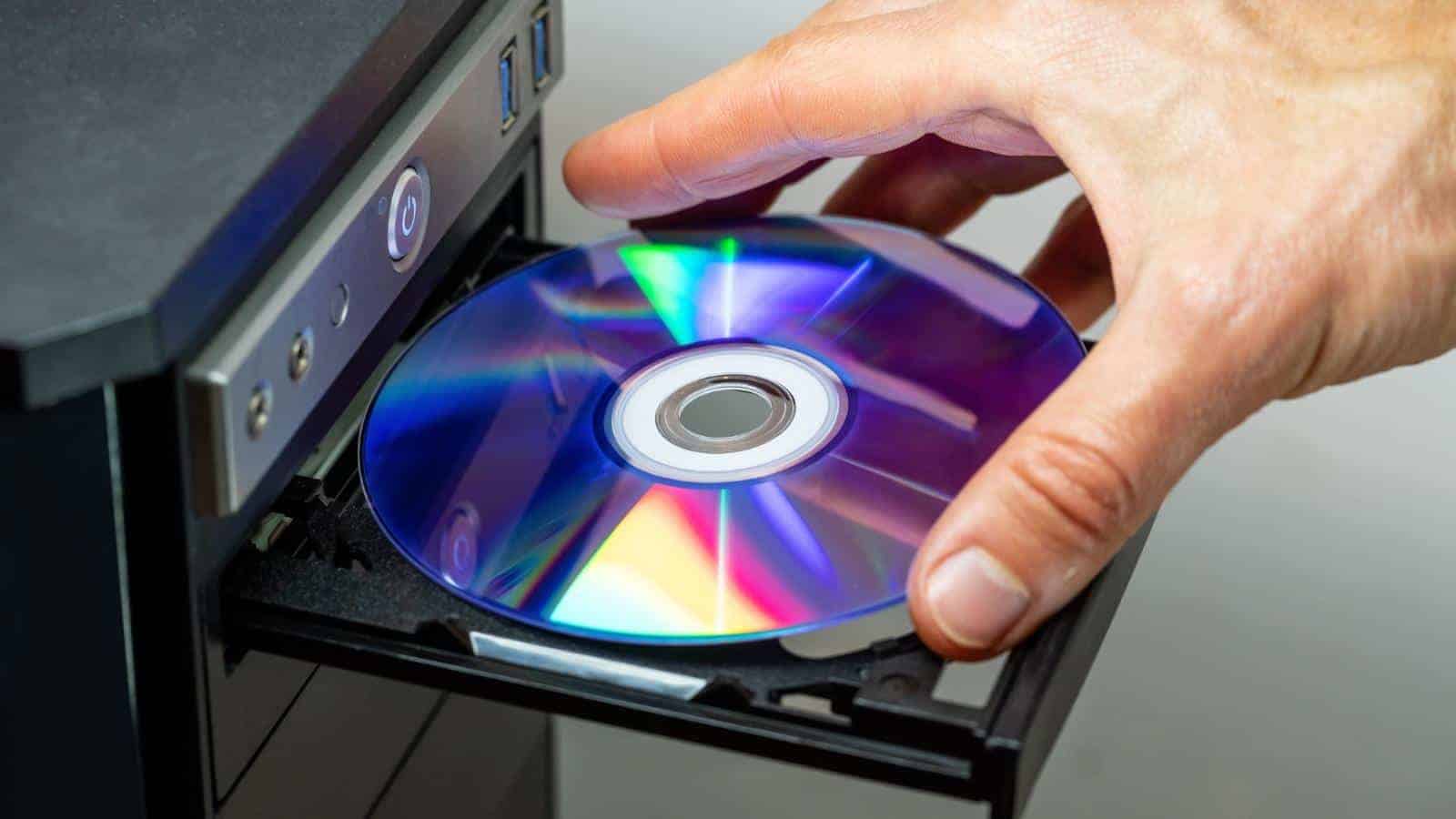
Once upon a time, having a massive DVD or CD collection was a sign of a true music or movie lover, but those days are fading fast. Streaming services like Netflix, Spotify, and Disney+ offer instant access to massive libraries of content, making physical discs unnecessary.
While collectors may keep physical media alive in niche markets, the general public is moving toward a fully digital entertainment experience.
Cable TV Boxes
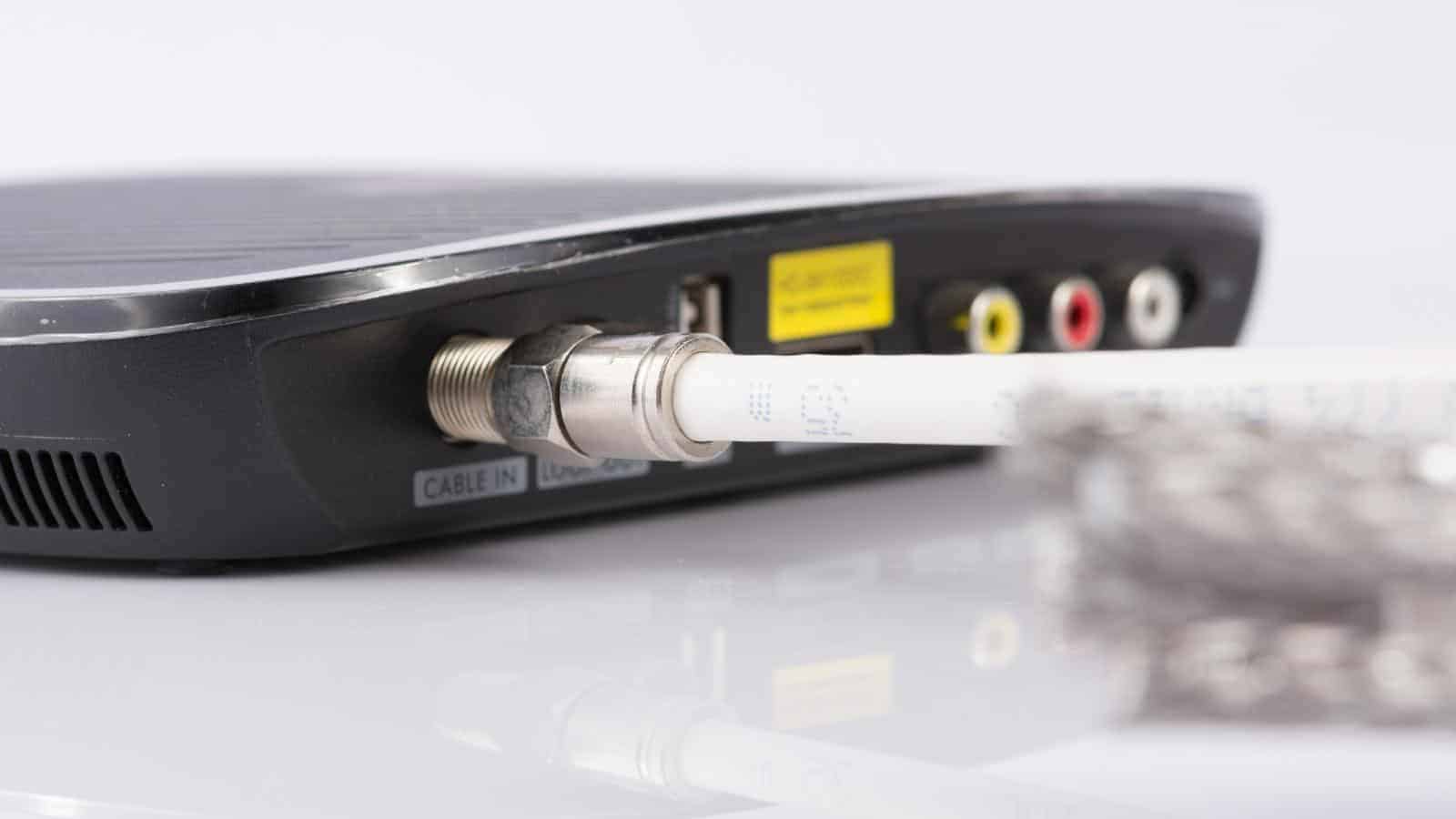
There was a time when cable TV was the only way to watch your favorite shows, but those days are long gone. With the rise of streaming services, more and more people are cutting the cord and ditching their cable subscriptions. Many networks are now launching their own apps, allowing viewers to watch content directly without needing a cable provider.
Passwords
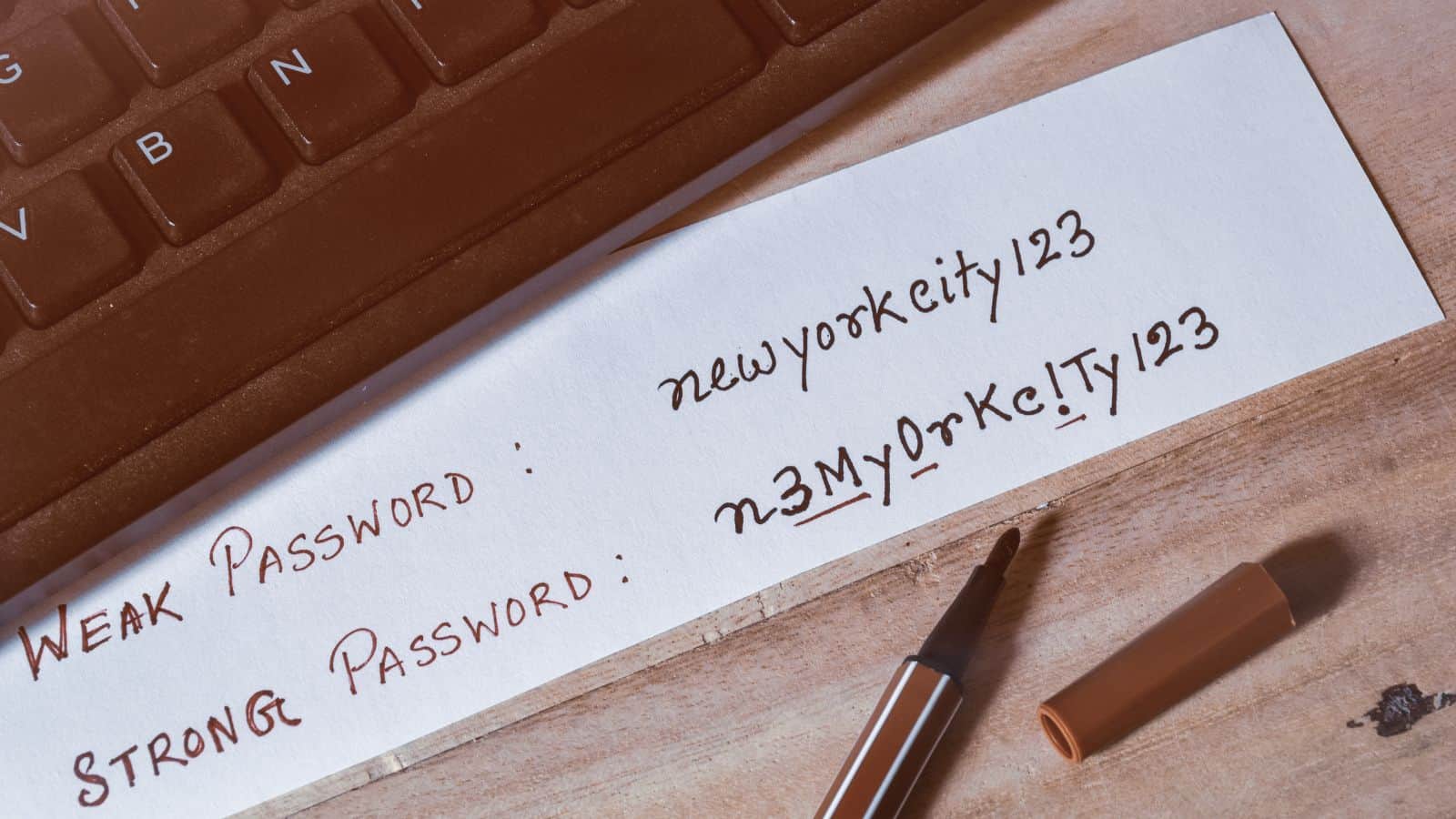
It might sound hard to believe, but passwords, as we know them, are on their way out. With security breaches becoming more common, companies are looking for safer alternatives. Biometric authentication, such as fingerprint scans, facial recognition, and voice I,D is becoming the new standard for logging into accounts and devices.
Traditional Light Switches

How strange to think that flipping a light switch on and off may soon be an outdated habit. Smart home technology is quickly replacing traditional switches with motion-activated lighting, voice-controlled assistants like Alexa, and mobile apps that let you control lights remotely. As home automation becomes more affordable and widely adopted, traditional light switches could become unnecessary.
Fax Machines
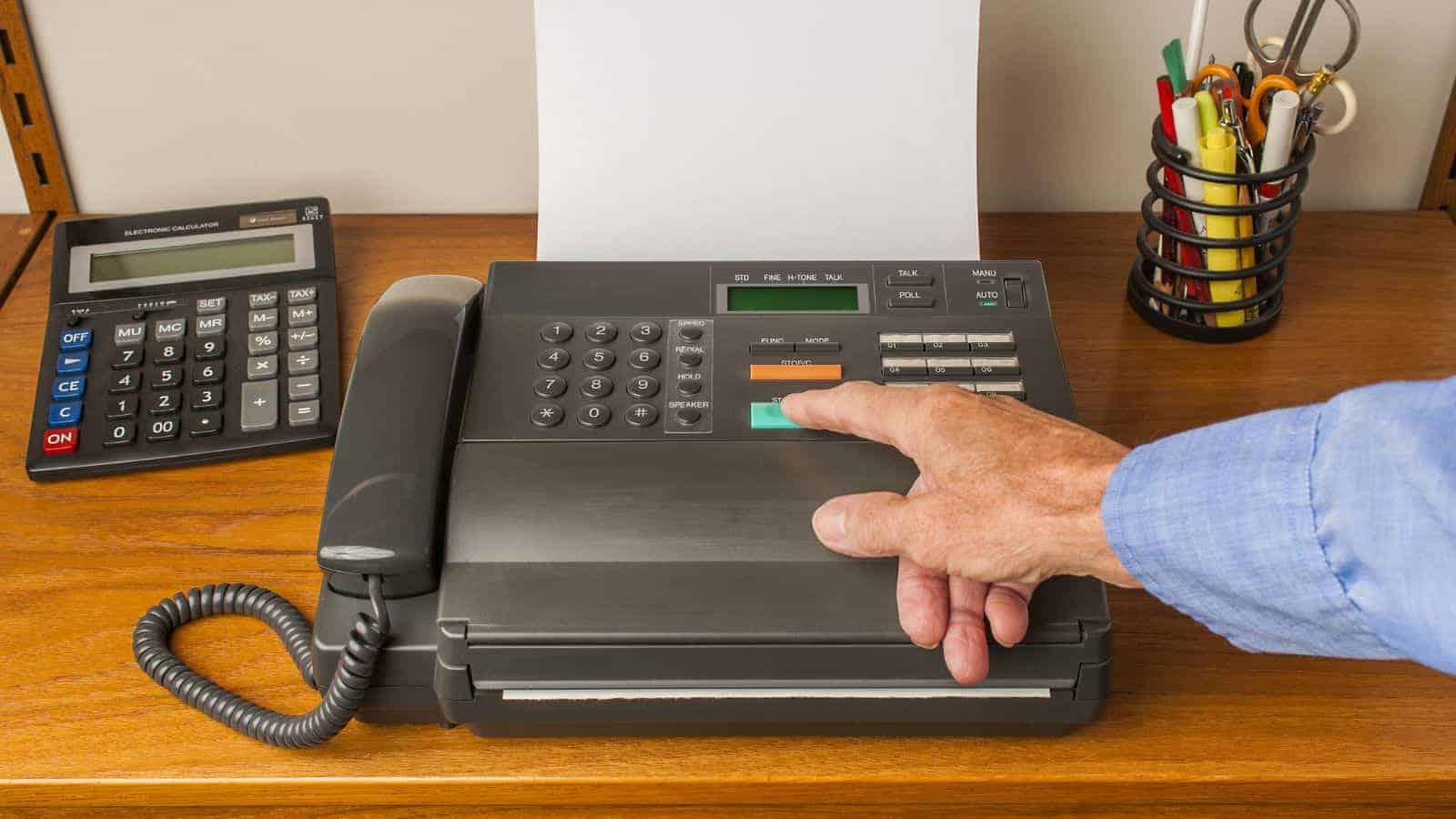
It’s amazing that fax machines are still in use, but their days are definitely numbered. Once a staple in offices, faxing has been largely replaced by email, cloud storage, and secure document-sharing services. While some industries like healthcare and law still rely on faxes due to privacy regulations, even these fields are shifting toward digital alternatives.
Printed Maps
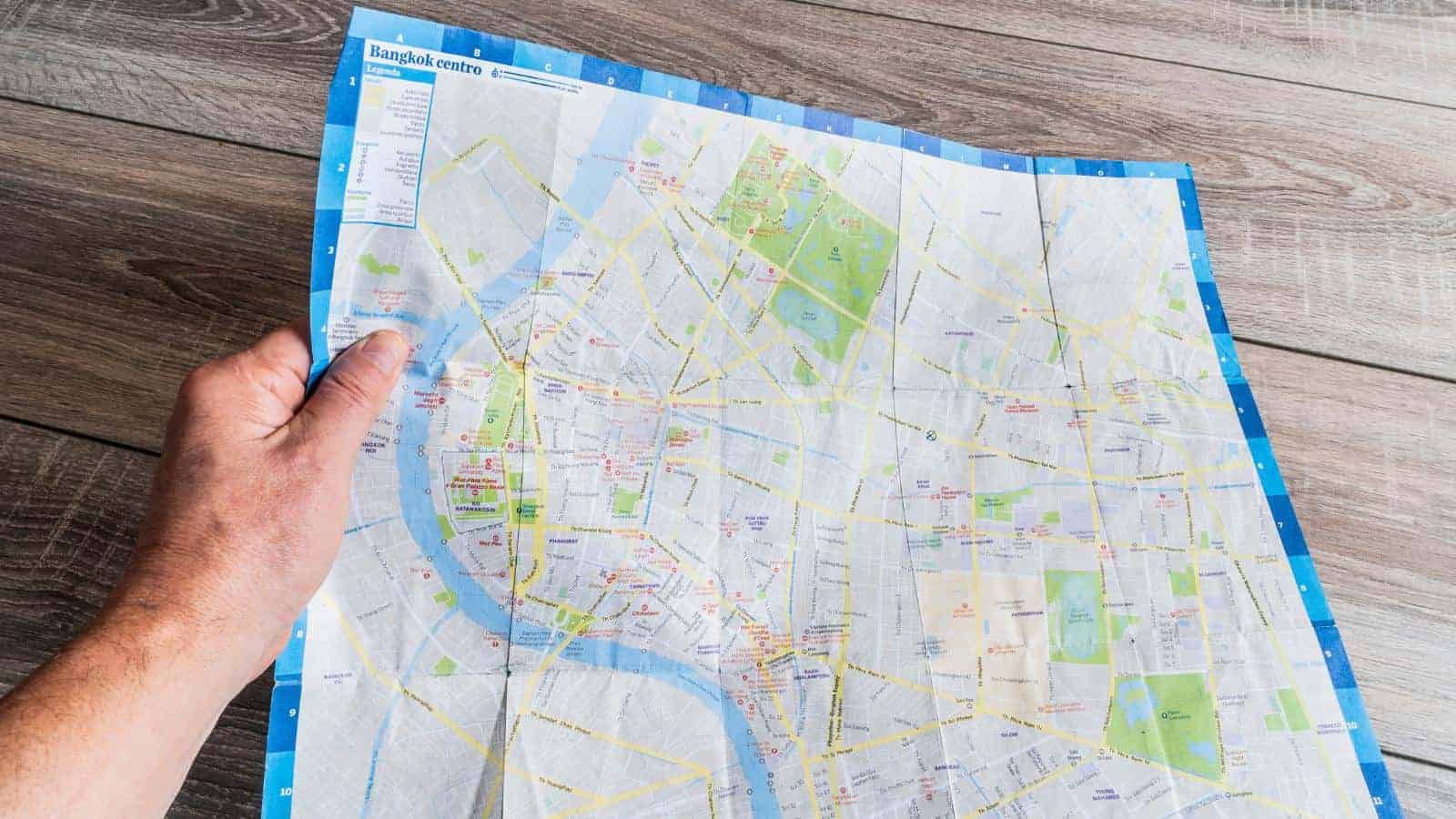
Not long ago, road trips meant unfolding a giant paper map and trying to work out unfamiliar roads. Now, with GPS apps like Google Maps, Apple Maps, and Waze, printed maps have become almost completely obsolete. These apps provide real-time traffic updates, turn-by-turn directions, and automatic rerouting, making traditional paper maps unnecessary.
Printed Event Tickets

Can you remember when going to a concert, sporting event, or even a movie used to mean holding onto a physical ticket, often as a keepsake? But with the rise of mobile ticketing, printed tickets are quickly becoming unnecessary.
Many venues and event organizers now require digital tickets that can be scanned directly from a smartphone, eliminating the need for paper stubs.
Toll Booths
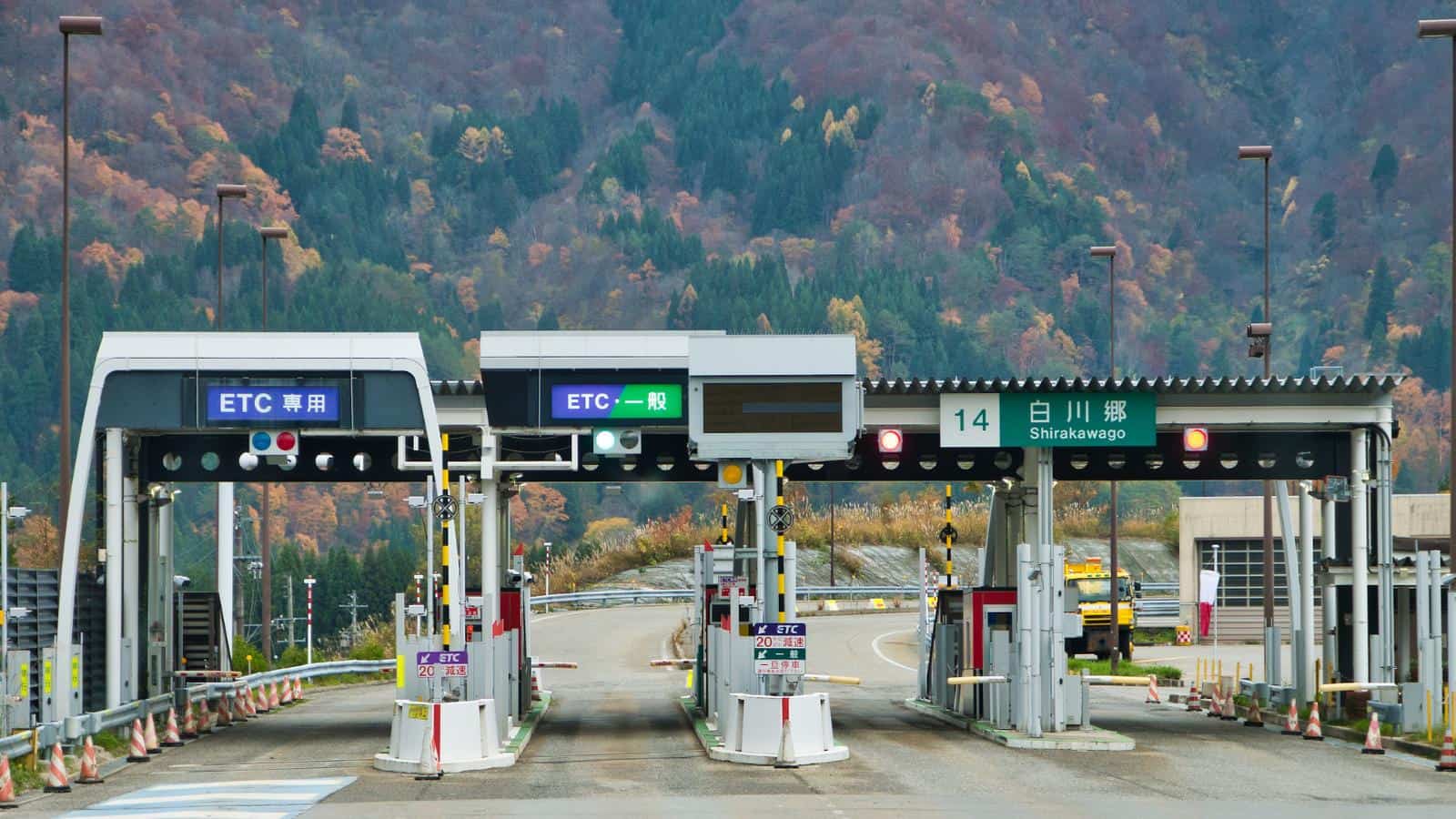
You might have already noticed that toll booths, once a common sight on highways, are disappearing rapidly due to electronic toll collection systems. Many states and countries have already implemented cashless tolling, where cameras scan license plates or toll transponders deduct payments automatically.
Public Payphones

It wasn’t too long ago that payphones were a necessity for travelers, people in emergencies, or those without a cell phone. But with nearly everyone carrying a smartphone today, public payphones have become almost completely obsolete. Many cities have already removed them, replacing them with Wi-Fi hotspots or emergency call stations.
Physical Gift Cards

Before you know it, buying a plastic gift card at the store may soon be a thing of the past. Many businesses are transitioning to digital gift cards that can be sent via email or stored in mobile wallets. Digital gift cards are easier to track, harder to lose, and reduce plastic waste, making them a more convenient and environmentally friendly option.
This article may include content generated by AI and has been reviewed and edited by our editorial team for accuracy and clarity.