
Let’s be honest, DIY projects can be fun and rewarding, but some repairs are just not worth the risk. This is especially true when your work can lead to fines, failed home inspections, or even having an insurance claim declined. You might want to think twice about carrying out the following home repairs yourself.
Electrical Panel Work
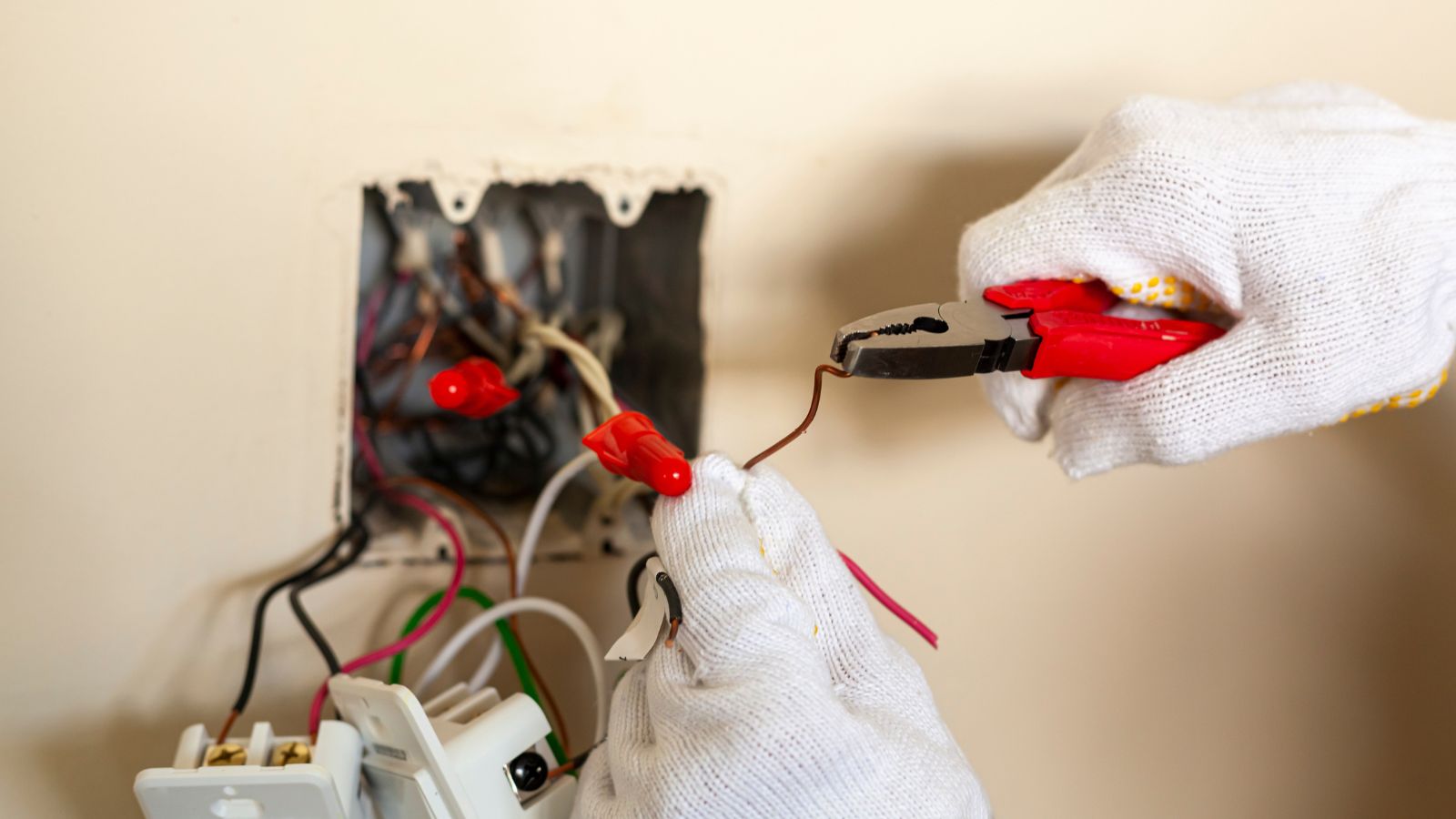
Of course, you might think that electrical work seems straightforward, but tampering with your electrical panel is a big no-no. Your home’s electrical system is highly regulated for safety reasons, and even a small mistake could cause a fire or serious injury. Many local building codes require a licensed electrician to handle panel work, including adding circuits or replacing breakers.
Gas Line Repairs
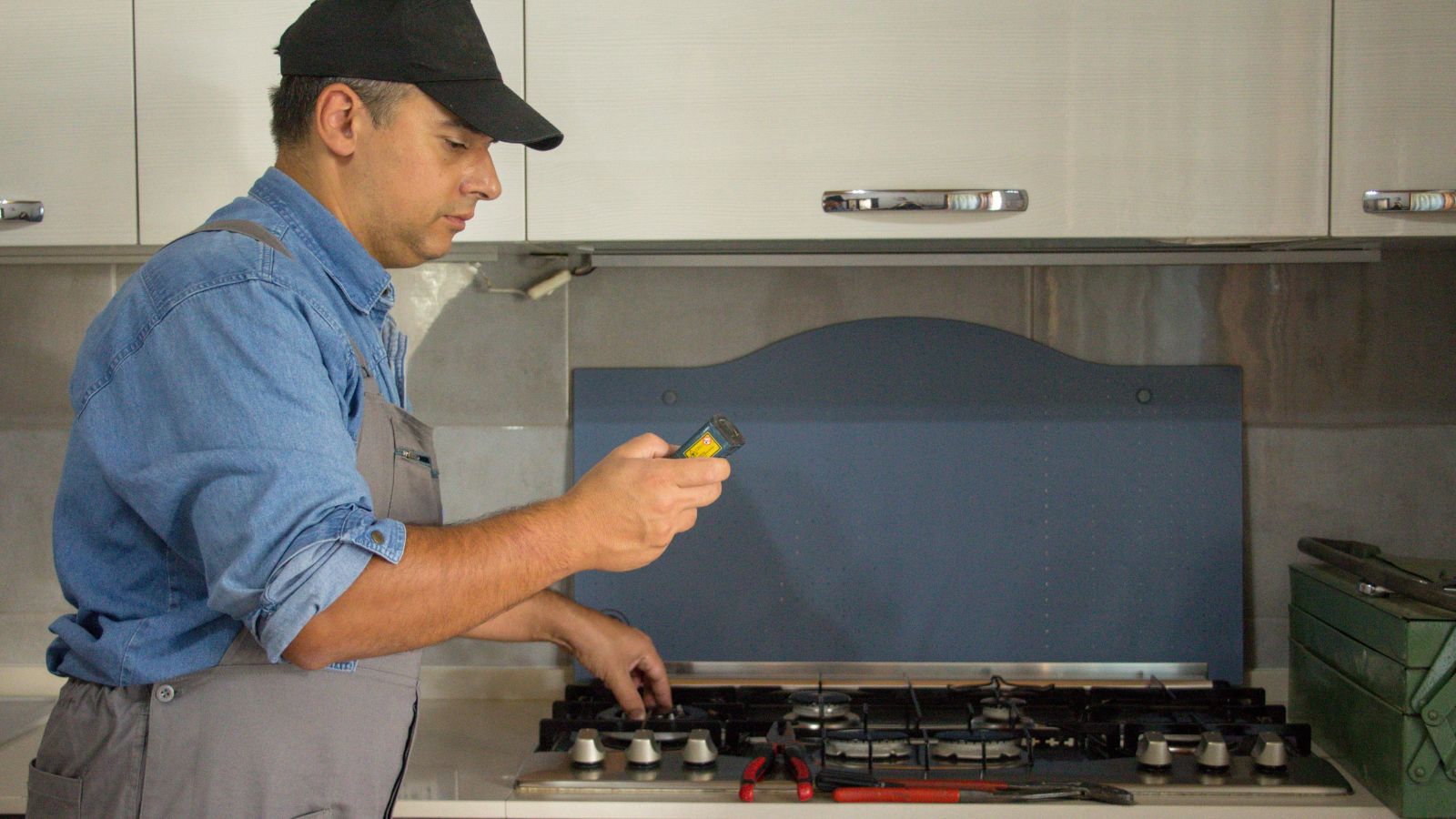
Believe it or not, gas line repairs are one of the most dangerous DIY jobs you can attempt. Even the smallest mistake can lead to a gas leak, which increases the risk of explosions, fires, and carbon monoxide poisoning.
Because of the potential hazards, most states require a certified professional to handle gas line work.
Structural Changes

It might sound like a great idea to knock down a wall for an open-concept living space, but be careful when removing or modifying a load-bearing wall without approval, as this can spell disaster. Many states require permits and inspections before any major structural work can be done.
Roof Replacement
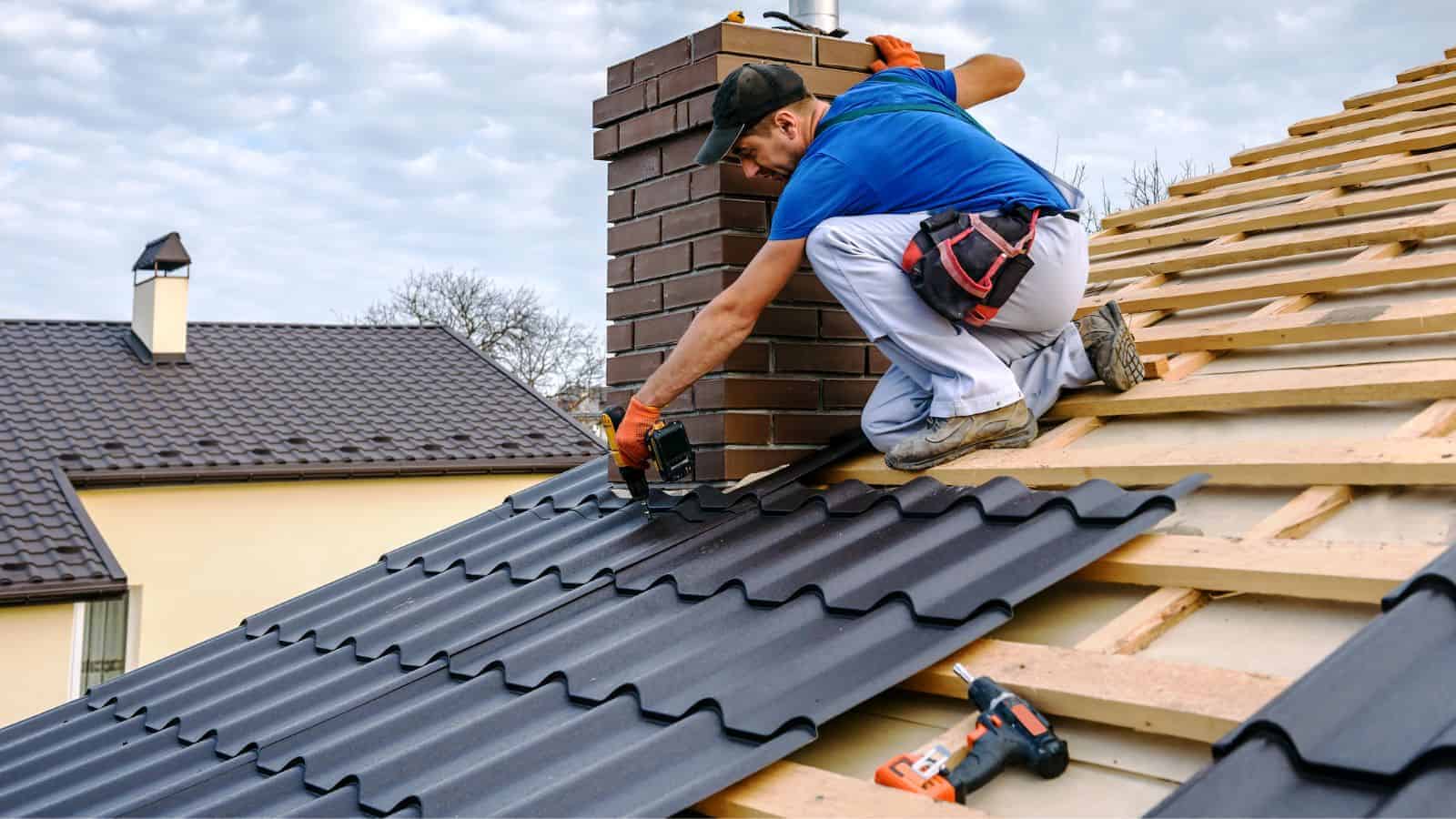
Are you thinking about replacing your entire roof yourself? Well, think again. Most cities and states have strict regulations when it comes to roof work, especially in areas prone to severe weather.
While replacing a few shingles is fine, tearing off and replacing a whole roof often requires permits and inspections.
Septic System Repairs
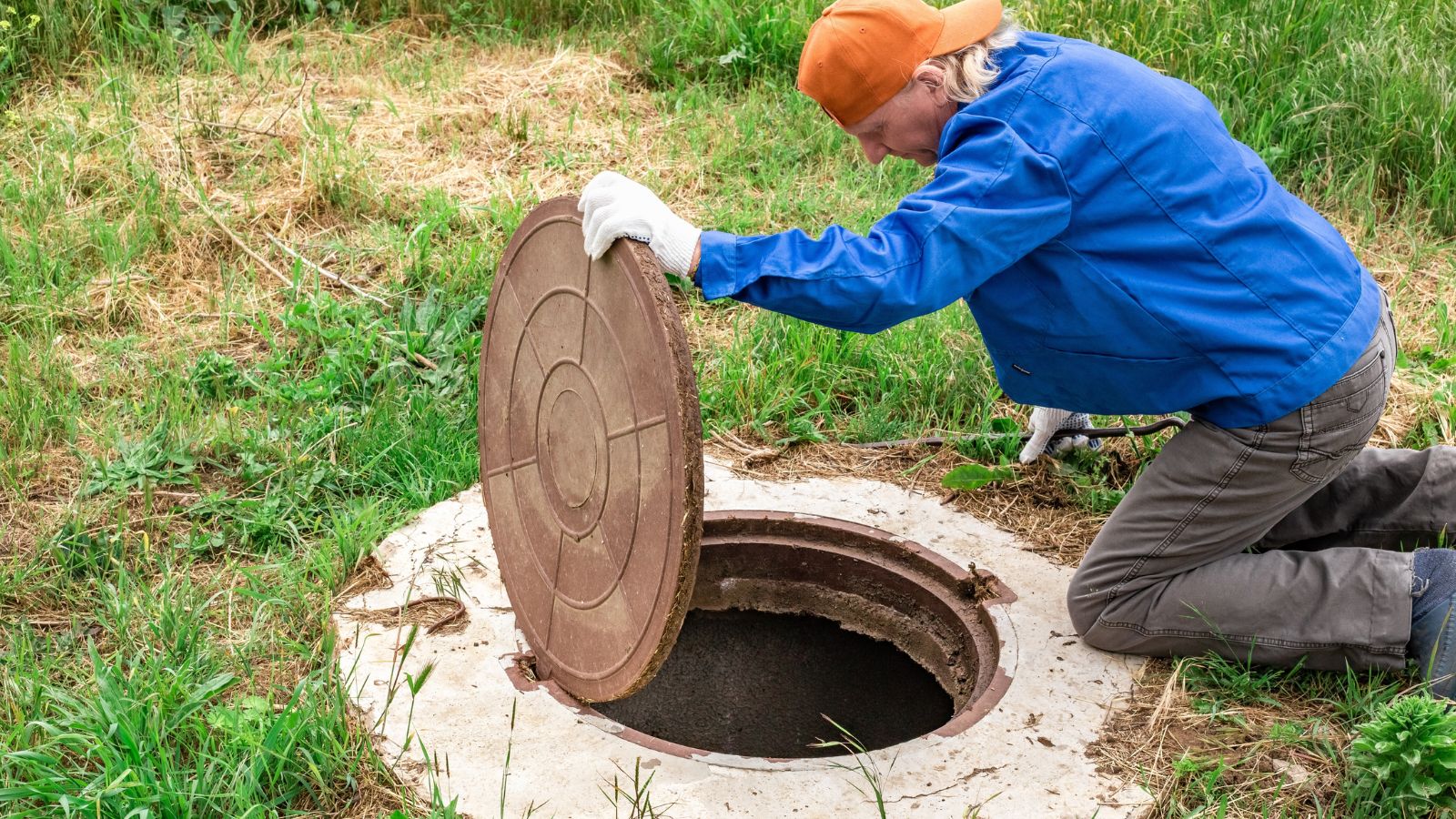
Most of us will agree that fixing a septic system might seem like a messy but manageable job, but in most places, it’s actually illegal to do it yourself. Septic systems are heavily regulated because improper repairs can lead to groundwater contamination and serious health hazards.
Plumbing System Modifications

It’s easy to assume that plumbing work is just about connecting pipes, but many plumbing modifications require permits and professional expertise. In many states, making changes to your home’s plumbing system without approval is against the law.
If an inspector finds out that you did illegal plumbing work, you might be forced to tear it out and have it redone by a licensed plumber.
Installing a Water Heater
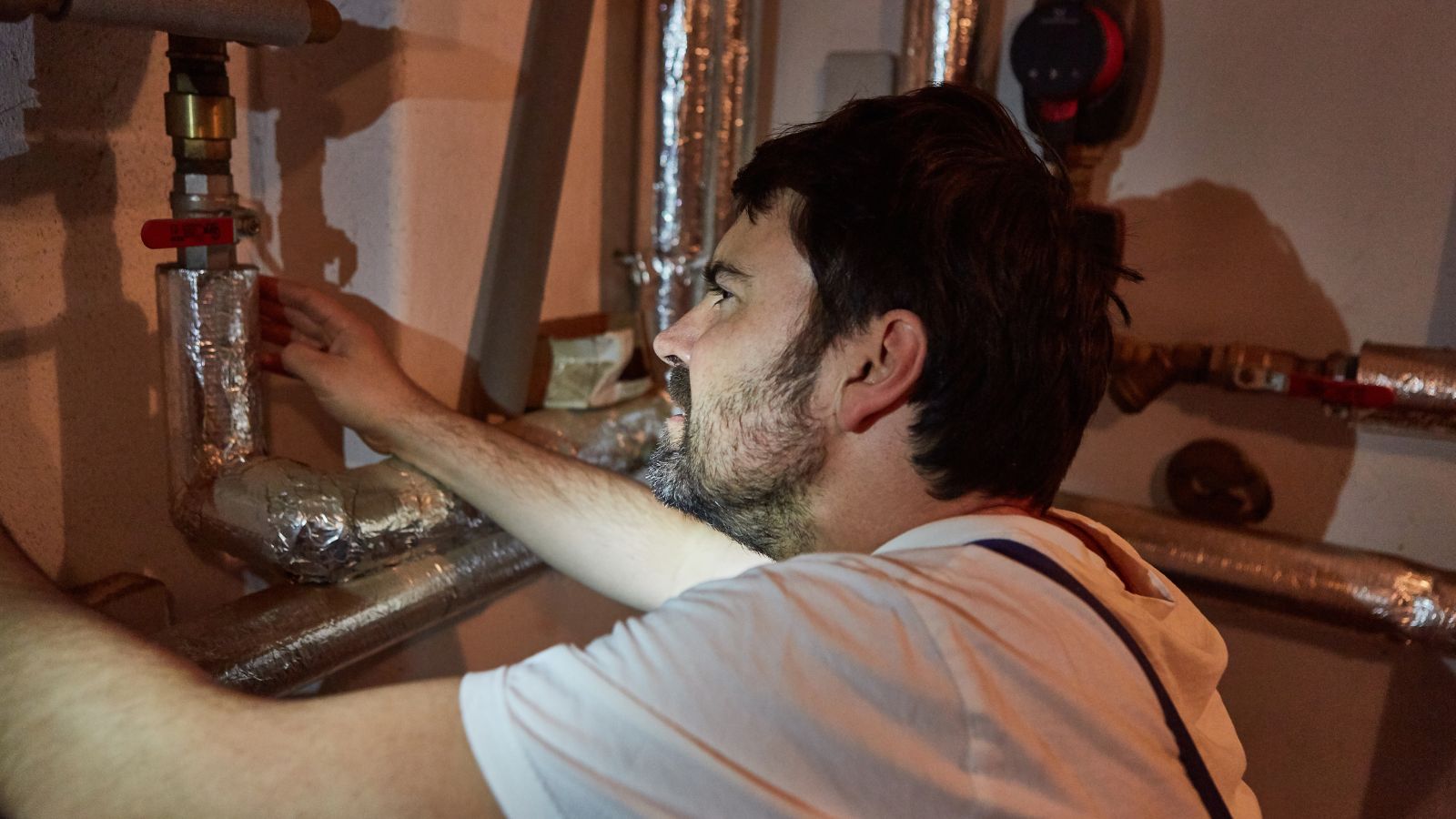
There’s no doubt that replacing an old water heater is simple, but doing it yourself could land you in legal trouble. Most areas require a permit and inspection for water heater installations because incorrect installation can lead to gas leaks, carbon monoxide poisoning, or even explosions.
Window Replacement
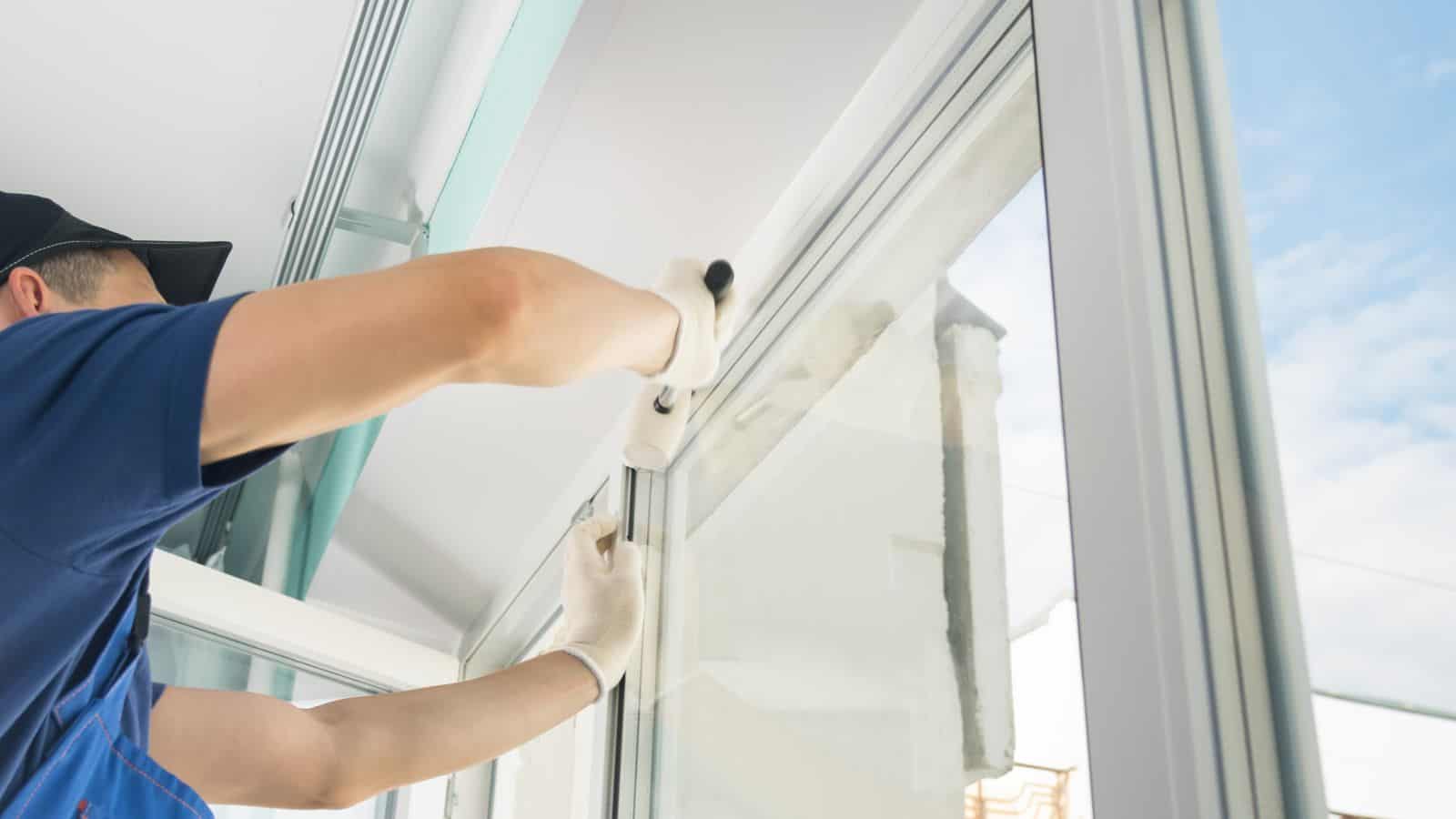
You might find it hard to believe but replacing windows isn’t always a simple swap. Many states require permits for window replacements, especially if you’re making changes to the size or style of the window.
If you install new windows without the proper permits, you could face fines or even be required to remove and replace them with professionally installed ones.
HVAC System Repairs
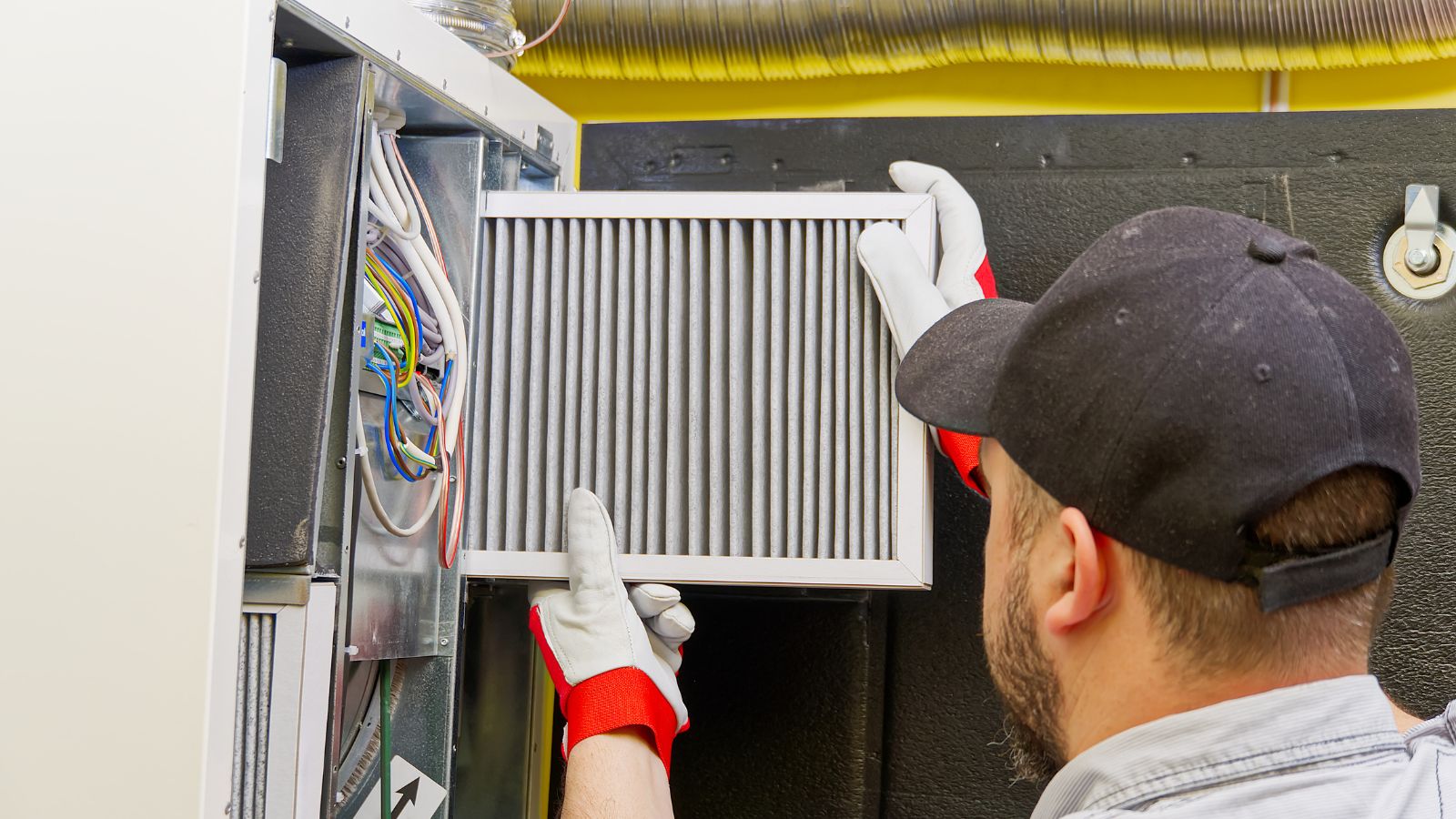
While trying to repair or install your own heating and cooling system might sound like a good way to save money, it’s a legal headache waiting to happen. HVAC systems are complex, and many states require licensed professionals to handle repairs, installations, and refrigerant refills.
Rewiring a Home
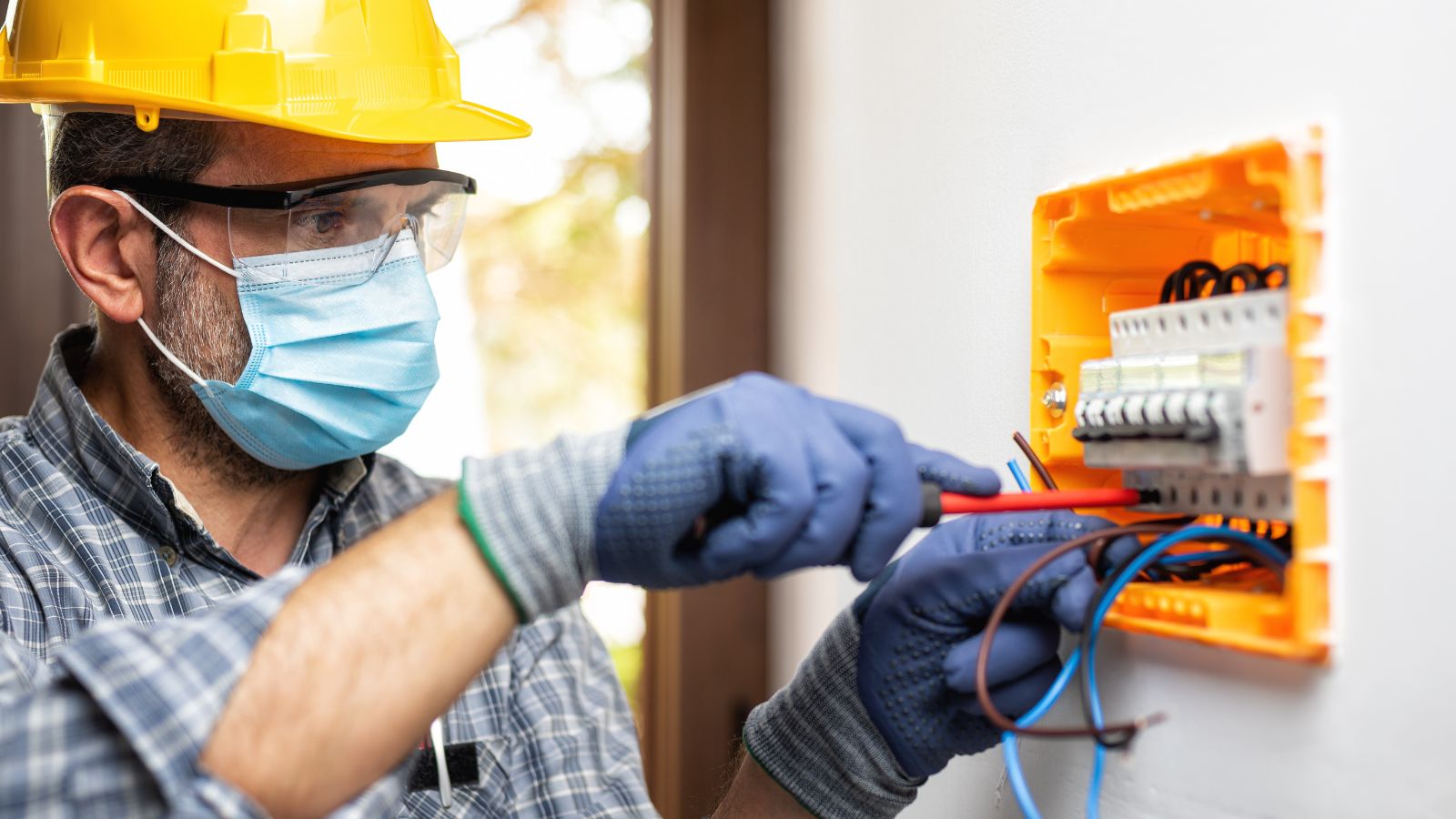
Electrical work comes with serious risks, and rewiring a home is no exception. Most states require permits for rewiring projects, and in many cases, the work must be done by a licensed electrician. If you attempt to do it yourself and make a mistake, you could create a fire hazard that puts your entire home at risk.
Converting a Garage into a Living Space
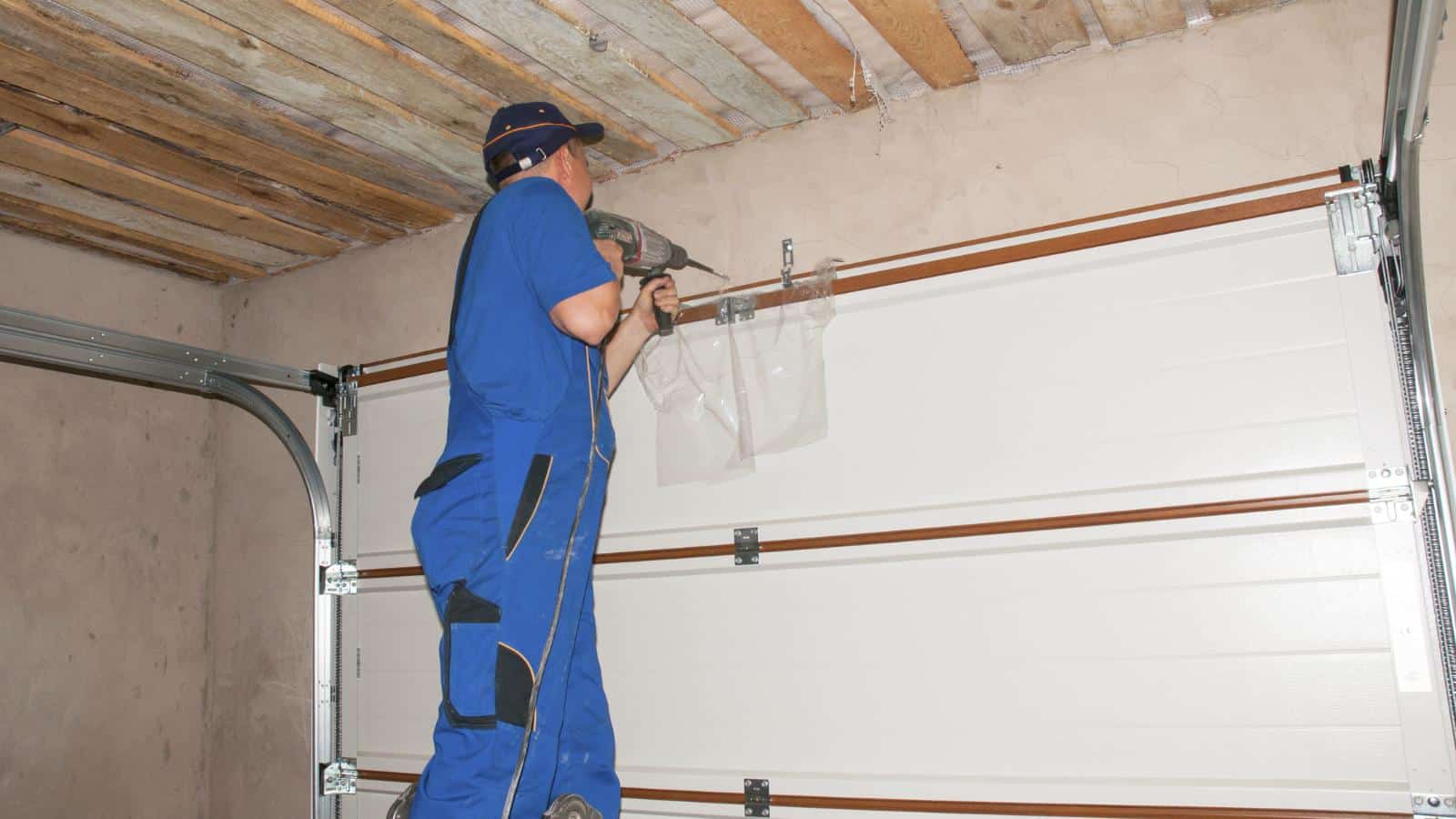
If you’re thinking about turning your garage into an extra bedroom or office, then keep in mind you’ll need permits for that. If you skip the permits and do it yourself, you could face fines and complications when trying to sell your home. In some cases, you may even be forced to return the space to its original condition.
Building a Backyard Deck

Without a doubt, adding a deck to your home might sound like a great DIY project, but don’t be too quick to grab that hammer. This job often requires permits, especially if it’s elevated or attached to your home. That’s because decks need to meet specific safety and structural standards to prevent collapses.
Installing a Fence

Don’t be fooled into thinking putting up a fence is straightforward, as it can quickly turn into a legal headache if you’re not careful. Many cities and neighborhoods have regulations about fence height, placement, and materials.
If you install a fence that violates these rules, you could be forced to take it down, and some areas also require permits for fences over a certain height.
Installing Solar Panels
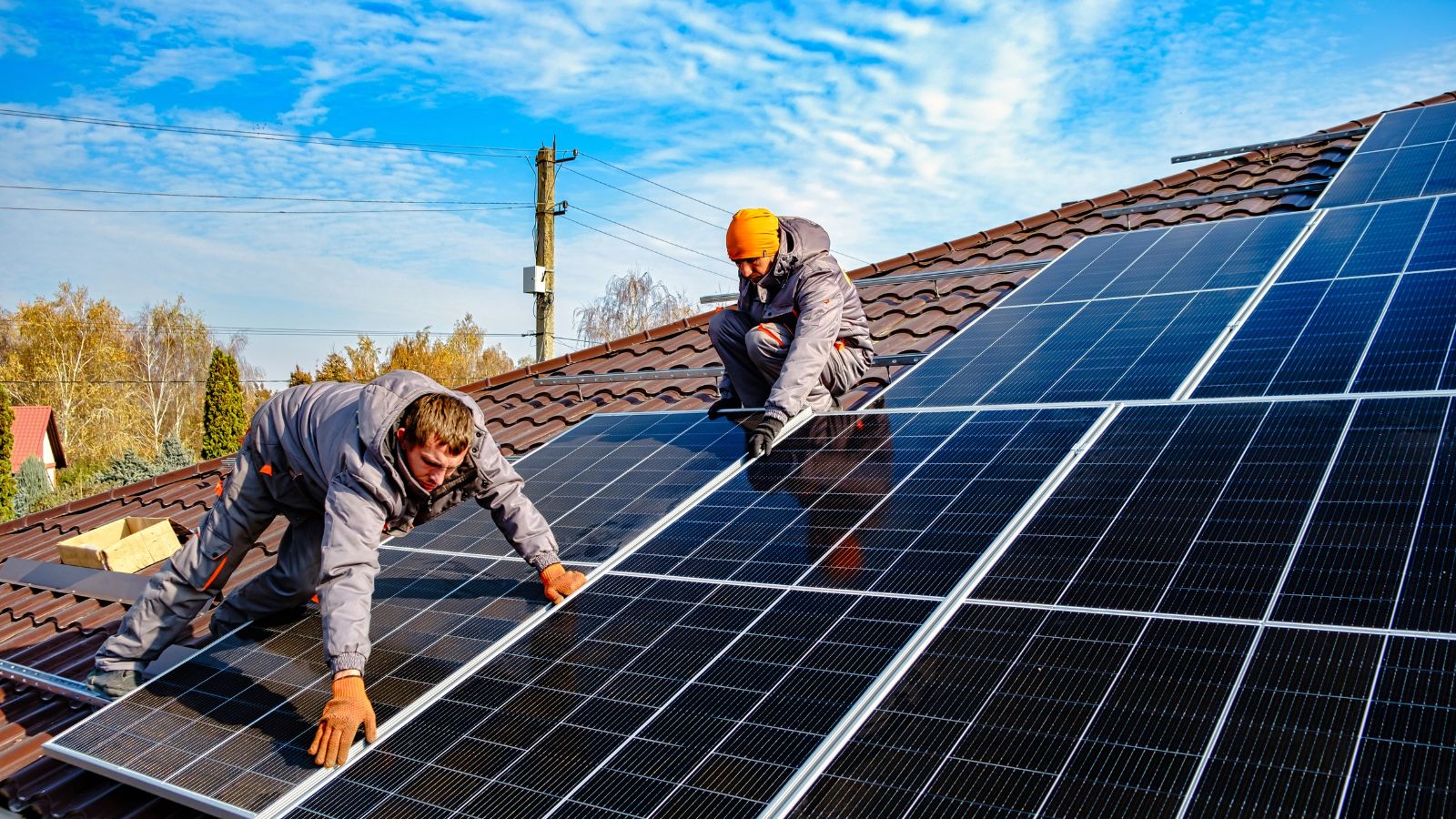
Even though solar panels are becoming more popular, installing them yourself isn’t always legal. Because solar panel systems connect to your home’s electrical grid, they need to meet specific safety and building code standards. Many areas require permits and professional installation to ensure everything is done correctly.
Adding a Bathroom
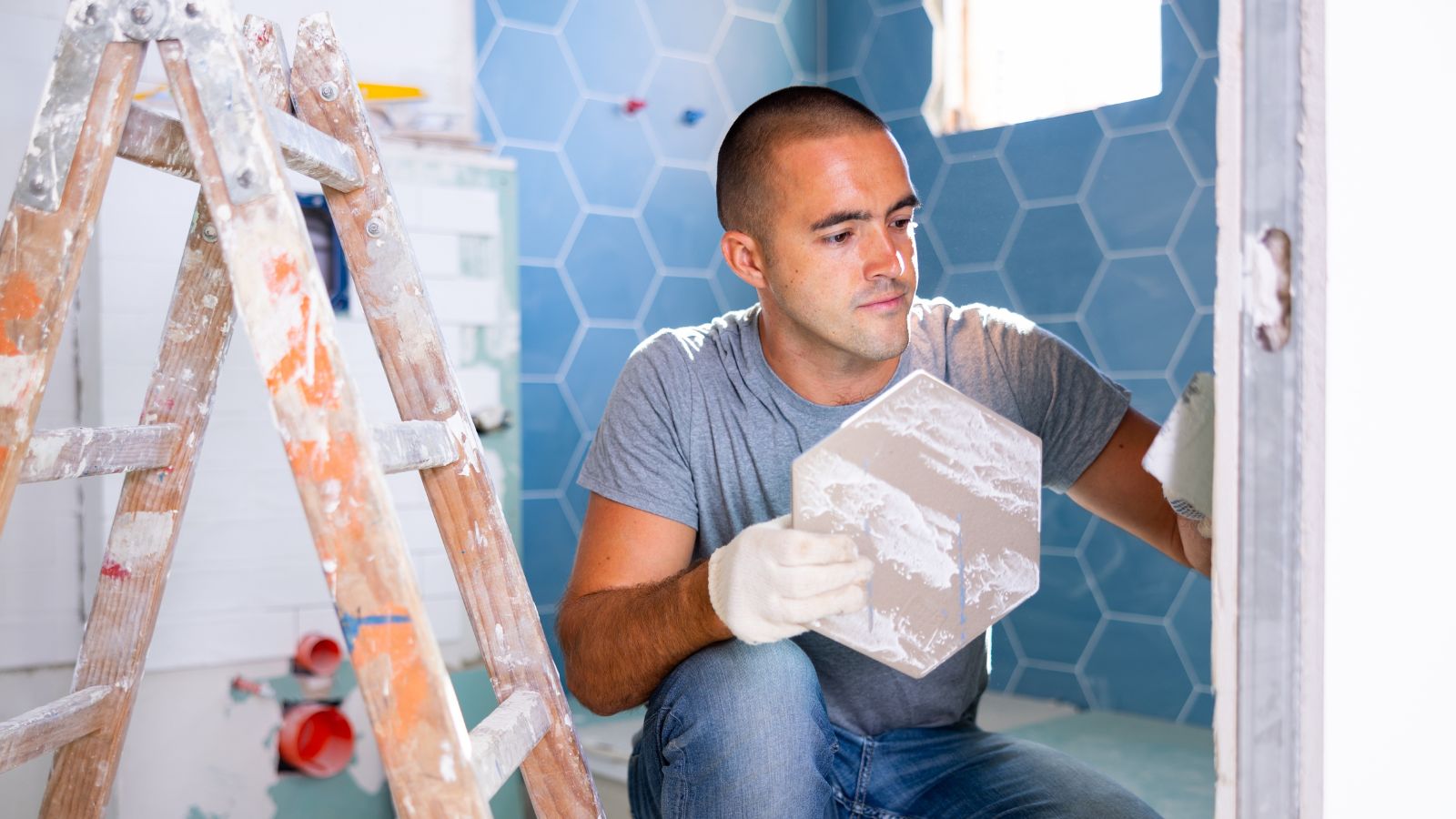
You’ll need more than just plumbing skills if you’re thinking of adding an extra bathroom to your home, as you’ll also need permits and inspections. This is because adding a bathroom often involves electrical, plumbing, and structural work, all of which are heavily regulated.
Demolishing an Old Shed

Yes, it might be tempting to tear down that old backyard shed on your own, but be careful as demolition work often requires permits.
Local authorities may also have rules about how and where you can dispose of debris. Before you grab a sledgehammer, make sure you’ve checked all the legal requirements.
Installing a Swimming Pool

There’s no way to get around it, adding a swimming pool to your backyard is a major project that comes with plenty of regulations. Most areas require permits for pool installation, along with inspections to ensure that the pool meets safety standards. This includes proper fencing, drainage, and electrical connections for pool equipment.
Tree Removal
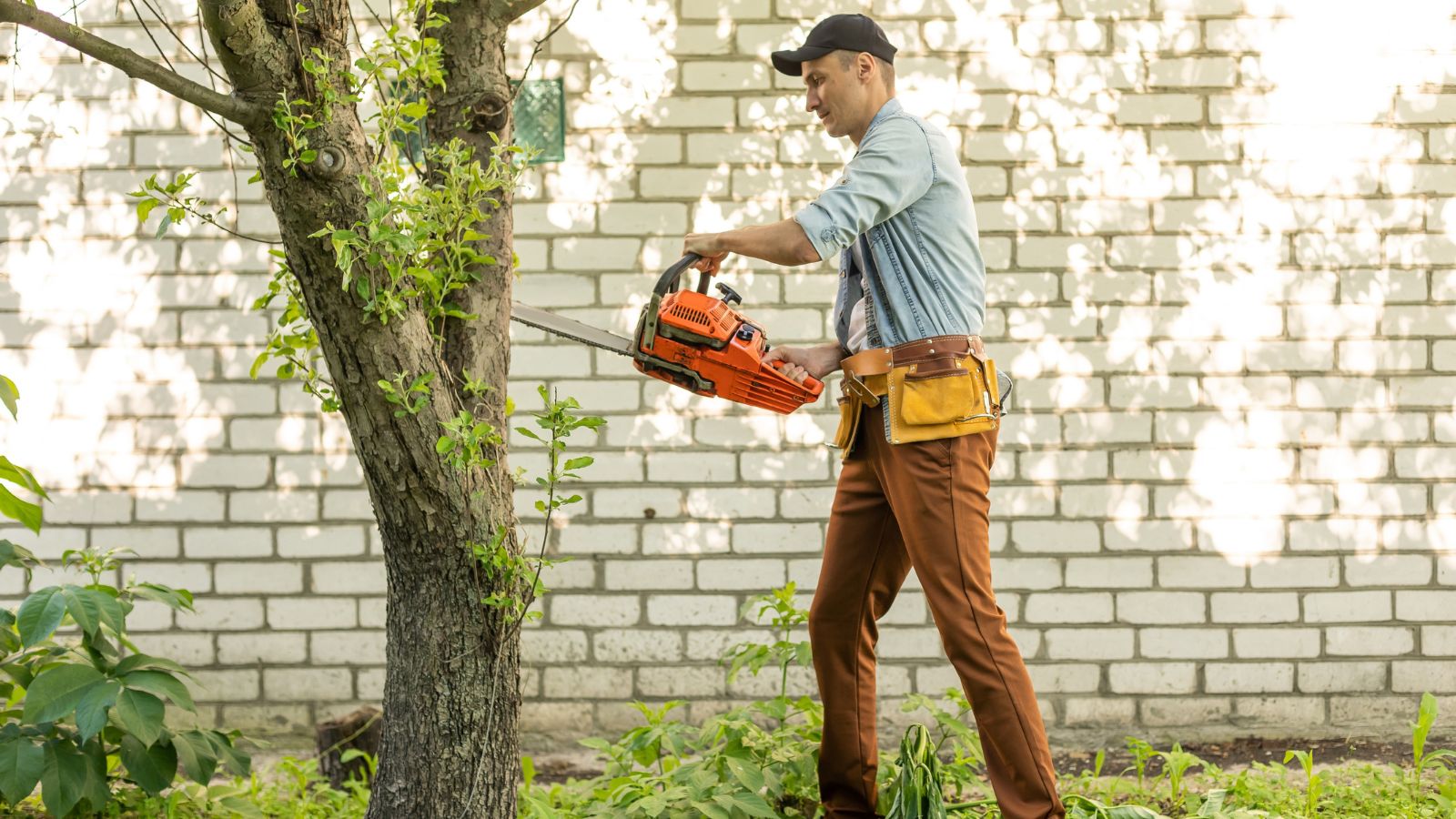
Many cities have strict rules about tree removal, especially for large or protected species. You may need a permit to remove a tree, even if it’s on your own land. If you cut down a tree illegally, you could face hefty fines or be required to plant a replacement.
Plus, tree removal is dangerous work that’s best left to professionals who have the right equipment and experience.