
If you’re over a certain age, there are probably many products you remember using all the time. Now for younger people, they’re completely unnecessary. It’s not that these products are useless, it’s the fact that technology keeps bringing out new developments. Here are 20 products that are becoming obsolete as young people want nothing to do with them.
Landline Phones

For decades, this was the primary way people stayed in touch, and memorizing phone numbers was a necessary skill. But with smartphones in every pocket, landlines are quickly becoming a thing of the past. Most young people have never had one in their home, and they see no reason to pay for one when their cell phone does everything.
Cable TV
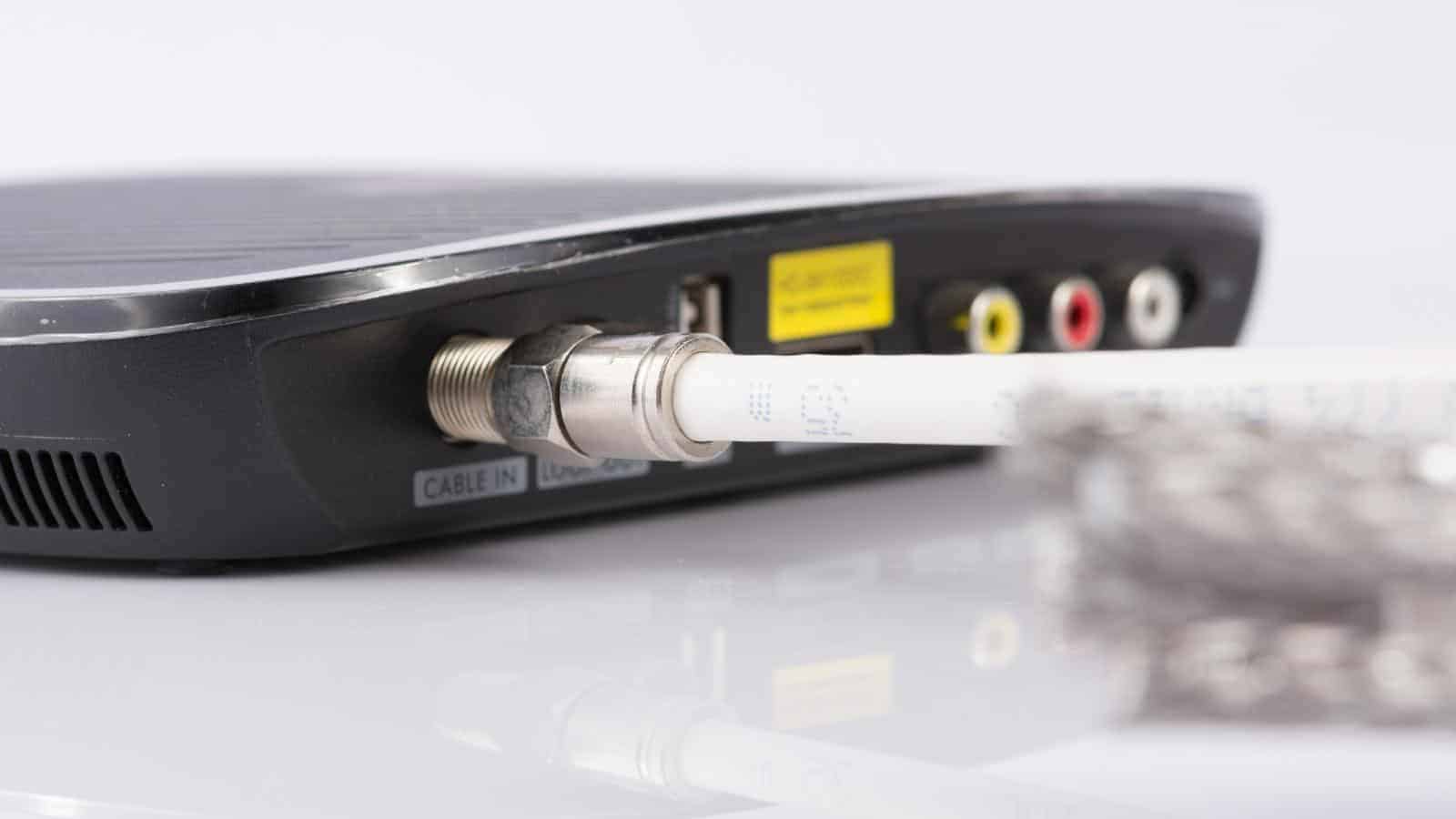
If you grew up before streaming services, you probably remember flipping through channels, waiting for your favorite show to come on, and sitting through endless commercials. Cable TV used to be the only way to watch television, but younger generations have completely moved on.
They prefer the freedom of watching what they want, when they want, without the hassle of a cable subscription.
Physical Newspapers

There was a time when getting the newspaper delivered to your doorstep was part of the morning routine. People would grab a copy with their coffee and flip through pages filled with news, sports, and classifieds. Today, young people get their news from social media, apps, and online articles.
Paper Checks

It wasn’t too long ago that writing checks was the standard way to pay bills, rent, or even buy groceries. But young people see them as outdated and inconvenient. With digital payment apps, credit cards, and online banking, there’s rarely a need to write a check anymore.
Fax Machines
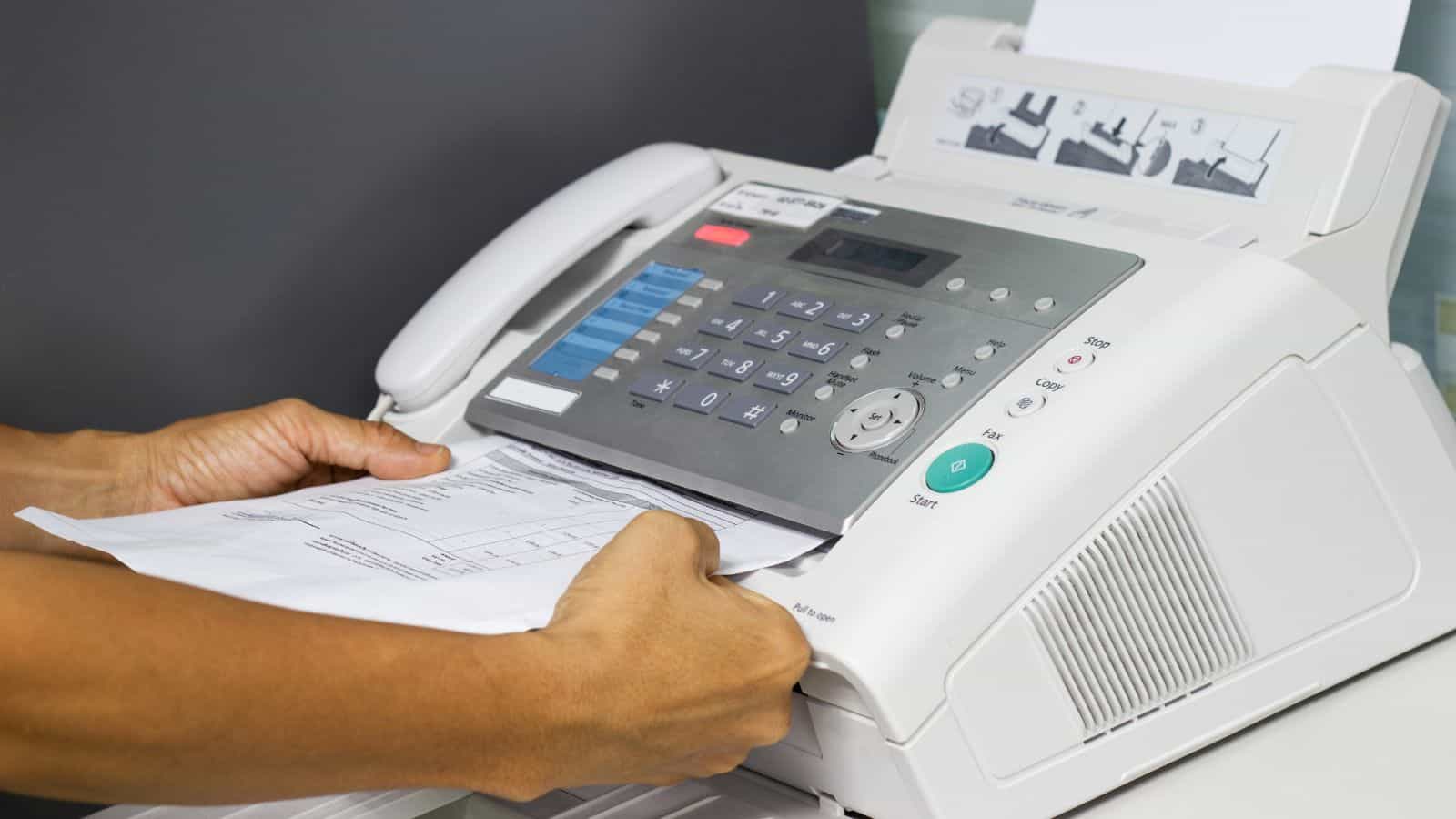
Believe it or not, fax machines were once considered high-tech and offices relied on them to send documents across the country. But now? Young professionals want nothing to do with them.
Offices that still require faxing are seen as outdated, and it’s only a matter of time before these machines disappear completely.
Alarm Clocks

Just a few years ago, alarm clocks sat on nightstands, waking people up for work, school, and important events. These days, smartphones have completely taken over this role. Young people prefer the convenience of using their phone for everything, including waking up in the morning.
Compact Digital Cameras

When you think back, compact point-and-shoot cameras were the best way to capture memories. But now, young people rely entirely on their phones for photos. With smartphone cameras offering better quality than most point-and-shoots, buying a separate camera seems pointless. The only people still using digital cameras are professionals or hobbyists who need advanced features.
GPS Devices
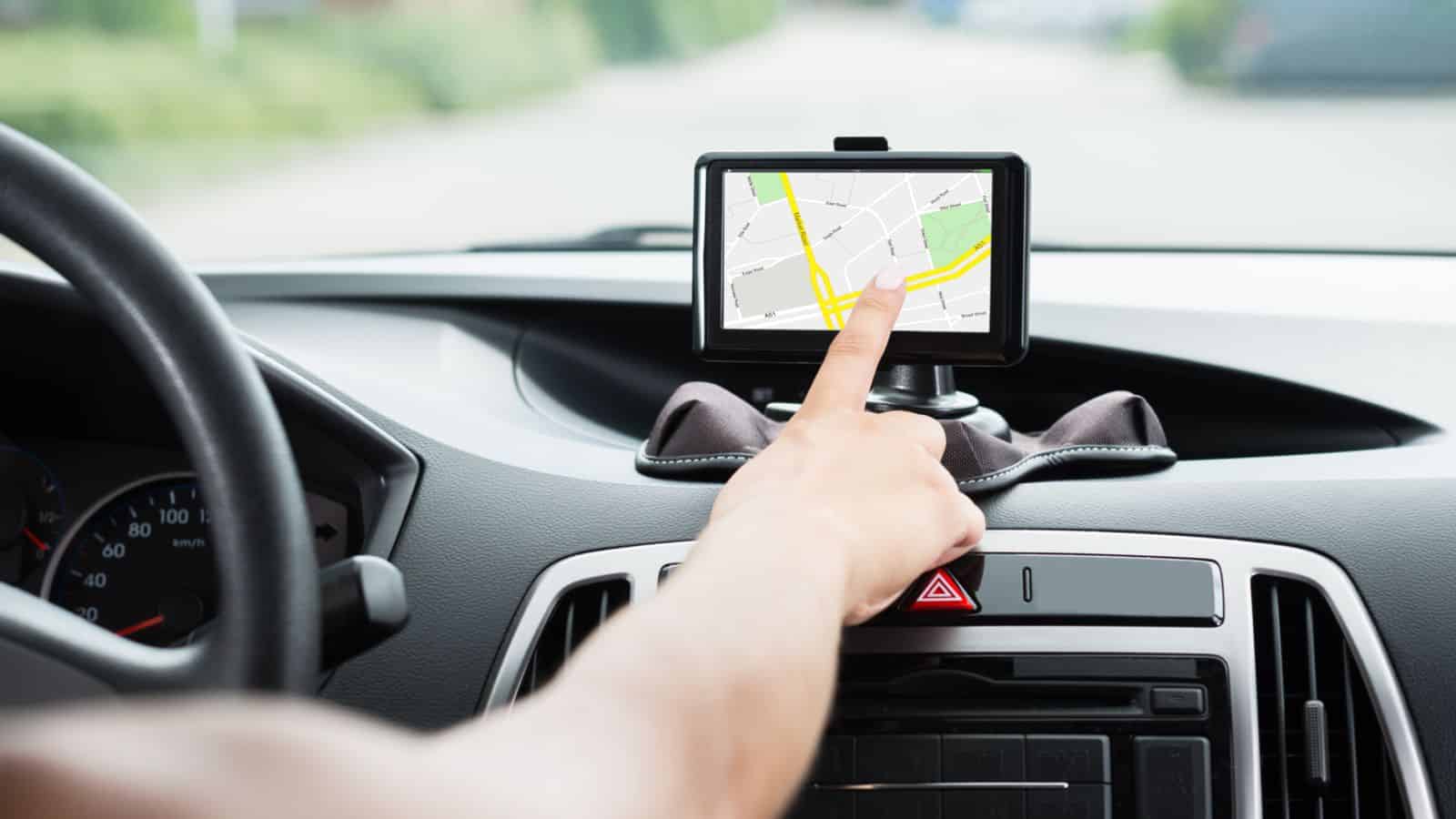
If you’ve ever used a standalone GPS device in your car, you know how helpful they once were. Before smartphones had navigation apps, these devices were a must-have for road trips and daily commutes.
Now, smartphones with built-in navigation apps have made them completely unnecessary. Young drivers would never think of buying a separate GPS when their phone does the same thing and more.
Business Cards

Once upon a time, professionals never left the house without a stack of business cards. But young people prefer digital connections, and instead of keeping a pile of business cards, they connect on LinkedIn, scan QR codes, or exchange contact info via smartphone.
CDs, DVDs, and Blu-rays
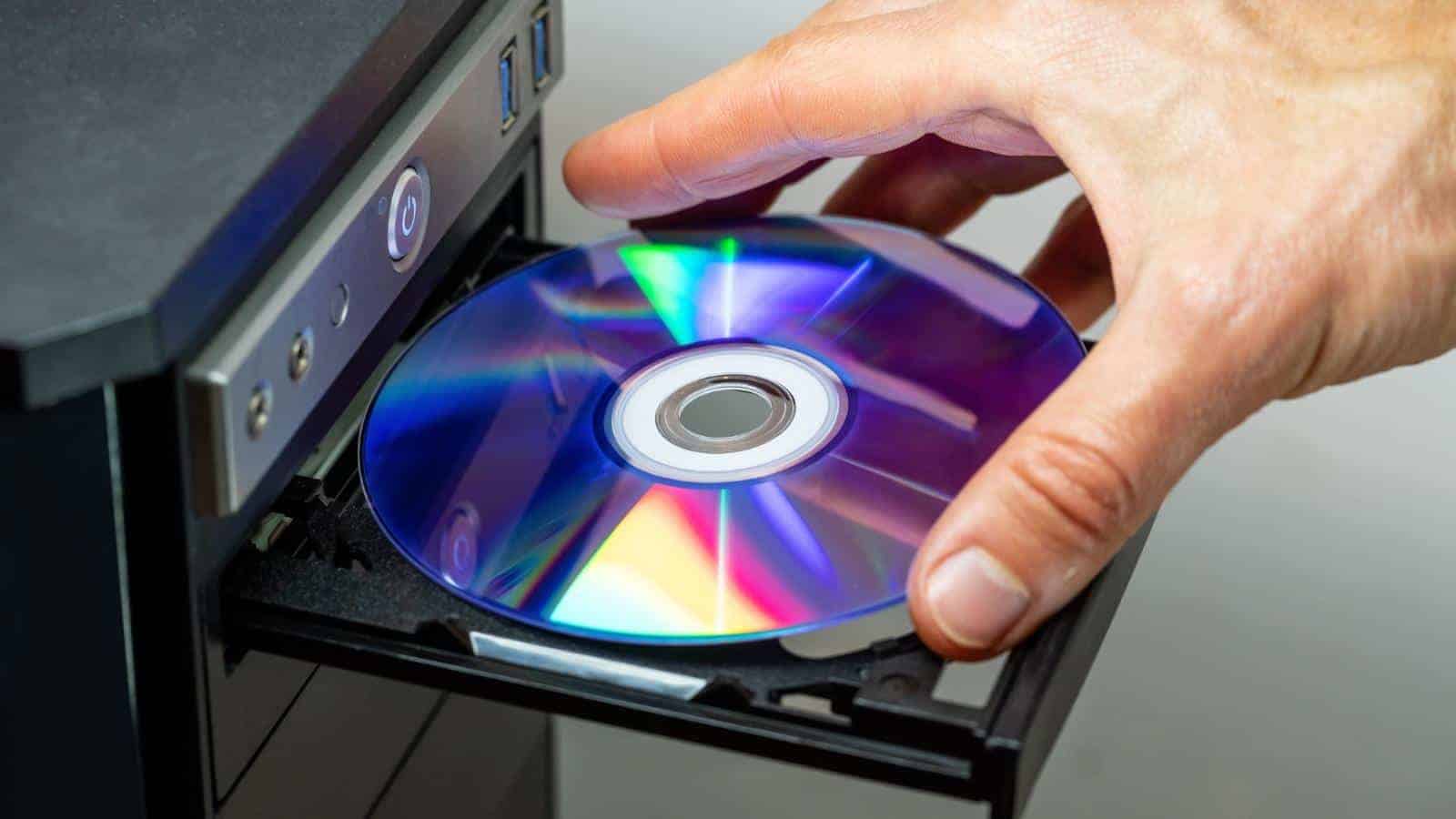
You might still be able to remember that people lined their shelves with CD or DVD cases, carefully organizing their favorites. But streaming services have made physical media almost irrelevant, and young people don’t want to deal with scratched discs, bulky storage cases, or waiting for a movie to ship.
Printed Maps

If you ever went on a road trip before smartphones, you probably remember pulling out a giant paper map and trying to figure out where you were. Gas stations sold them, and every car had at least one in the glove compartment. But with smartphones offering GPS navigation, printed maps are practically extinct.
Recipe Books

It comes as no surprise that a family’s recipe book was a prized possession. People carefully followed instructions, flipping through pages to make a perfect meal. But young people have moved on. Instead of relying on physical cookbooks, they simply Google recipes or use apps like Pinterest and YouTube for step-by-step videos.
File Cabinets

Offices used to be filled with rows of file cabinets, storing important documents, contracts, and business records. But with digital storage, there’s no need for bulky filing systems anymore. Young professionals prefer cloud storage, external hard drives, and online databases.
Many businesses are going fully paperless, and younger generations see no reason to keep physical copies of things that can be stored electronically.
Doorbells Without Cameras

It’s strange to think now that a traditional doorbell used to be a simple button that rang inside the house. It worked fine for decades, but young homeowners want something smarter. Video doorbells have taken over, allowing people to see who’s at their door from anywhere.
Coupon Clipping

People would spend hours clipping coupons from newspapers, organizing them in binders, and planning grocery store trips around the best deals. But young people prefer digital discounts. Most stores now offer coupons through apps, loyalty programs, or online promo codes.
While extreme couponing still exists, younger shoppers are far more likely to use digital tools for discounts rather than old-fashioned paper coupons.
Paper Calendars

Every home used to have a calendar hanging on the wall, filled with handwritten notes about birthdays, appointments, and events. People flipped the pages each month and crossed off important dates. But young people rely entirely on digital calendars. Apps like Google Calendar and Apple Calendar sync across devices, send reminders, and make scheduling easier.
Manual Can Openers
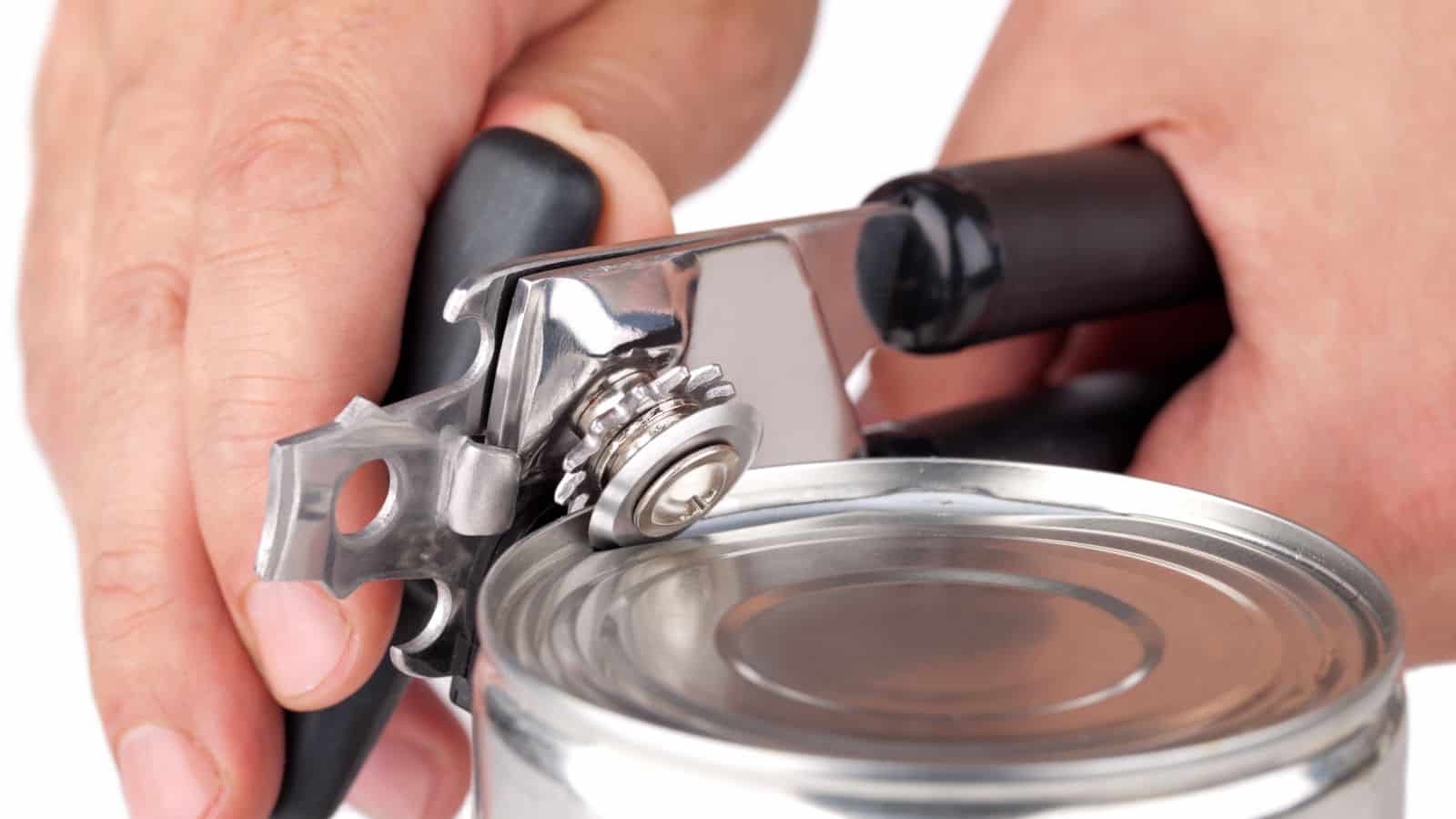
You may not have realized that young people are skipping manual can openers in favor of electric models. Many canned goods now come with pull-tab lids, eliminating the need for an opener altogether. Young people value convenience, and cranking a manual can opener just feels outdated.
Handwritten Letters

Back in the day, people wrote long messages to friends and family, carefully folding them into envelopes and sending them off in the mail. But today, young people rarely, if ever, write letters. While some still appreciate the sentiment of a handwritten note, most young people see letter writing as an outdated practice that belongs to the past.
Wristwatches

We can all still remember that wristwatches used to be a daily necessity, worn by everyone to keep track of time. But younger generations don’t see the need for a watch when their smartphone does the same thing, plus so much more.
Unless it’s a smartwatch that offers additional features like fitness tracking or notifications, most young people simply don’t bother wearing one.
Coin Banks

Lastly, almost every kid had a piggy bank or coin jar where they saved spare change. People would collect coins over time and eventually cash them in at the bank. But with cash transactions becoming less common, young people hardly ever deal with loose change.