
Technology evolves quickly, and this means that many things we were using ten years ago no longer have a place in our lives. It makes us wonder what life will look like in another ten years and what everyday essentials we probably won’t be using any more. Chances are, we’ll most likely be saying goodbye to the following 20 items.
Physical Credit and Debit Cards

It might sound surprising, but in just a few years, carrying a plastic credit or debit card will feel outdated. Digital wallets like Apple Pay, Google Pay, and even biometric payments are becoming the preferred way to pay. Banks are moving toward virtual cards, making it easier to pay securely without worrying about fraud or losing a physical card.
Traditional Cable TV
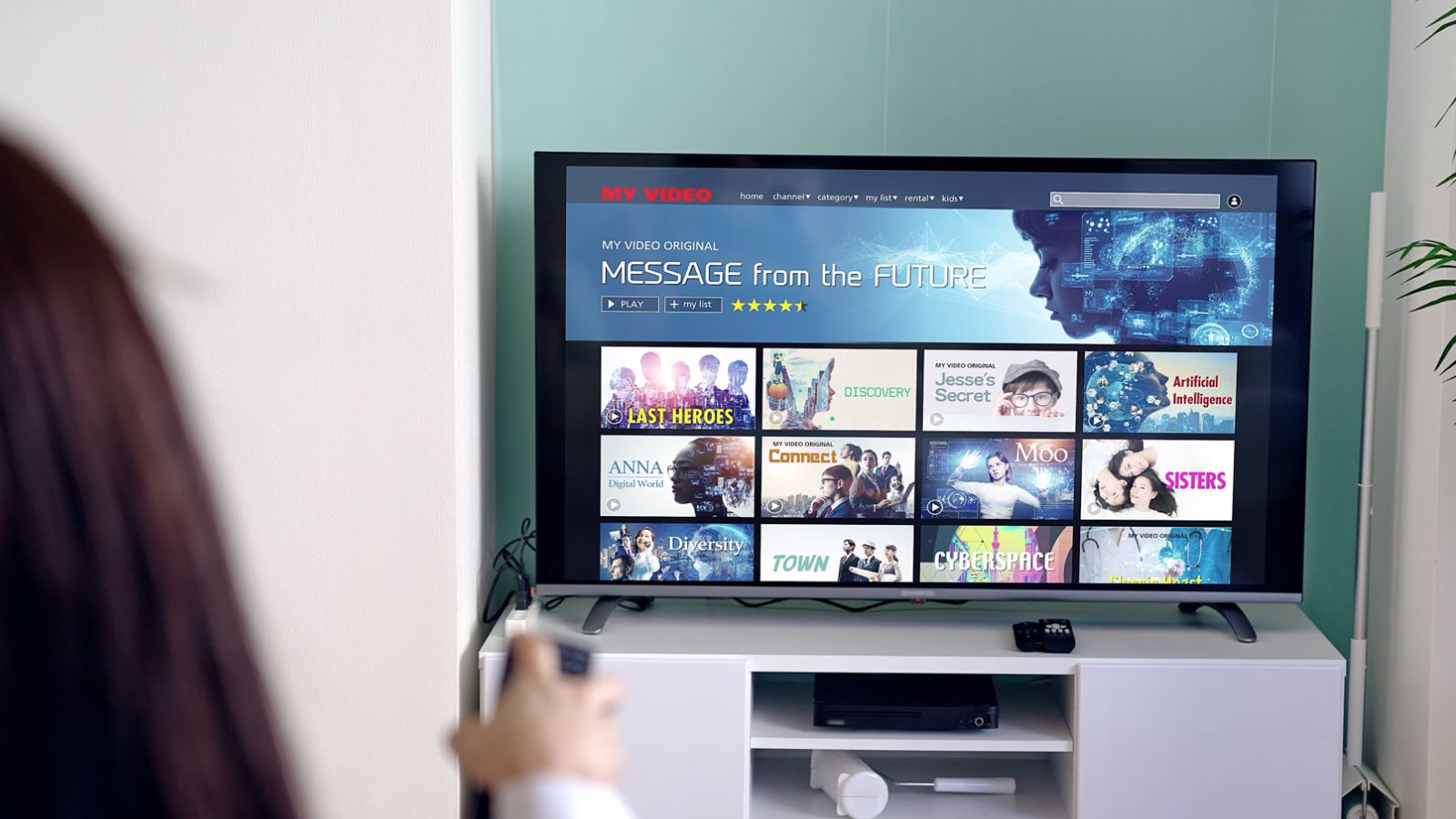
When we look at how we consume media today, it’s clear that cable television is struggling to keep up. Streaming services like Netflix, Hulu, and Disney+ have completely changed how people watch TV.
Younger generations have no interest in paying for expensive channel bundles when they can get on-demand content for a fraction of the price.
Passwords

It’s a headache to remember multiple passwords, and fortunately, that frustration is coming to an end. With advancements in biometric authentication, face scans, and passkeys, traditional passwords are quickly becoming obsolete. Tech companies are developing more secure login methods that don’t rely on passwords at all.
Paper Receipts

If you’ve noticed more stores offering digital receipts, that’s not by accident. Businesses are actively moving away from paper receipts to save money and cut down on waste. Some states are even considering bans on printed receipts because of the environmental impact and the chemicals used in thermal paper.
Gas-Powered Cars

It’s no secret that the auto industry is shifting toward electric vehicles, and it’s happening faster than many expected. Governments are setting deadlines to phase out gas-powered cars, and automakers are investing billions into EV technology.
Some people will hold onto their old cars for as long as possible, but in a decade, gas stations will start disappearing, and electric vehicles will dominate the roads.
Mail Delivered Every Day
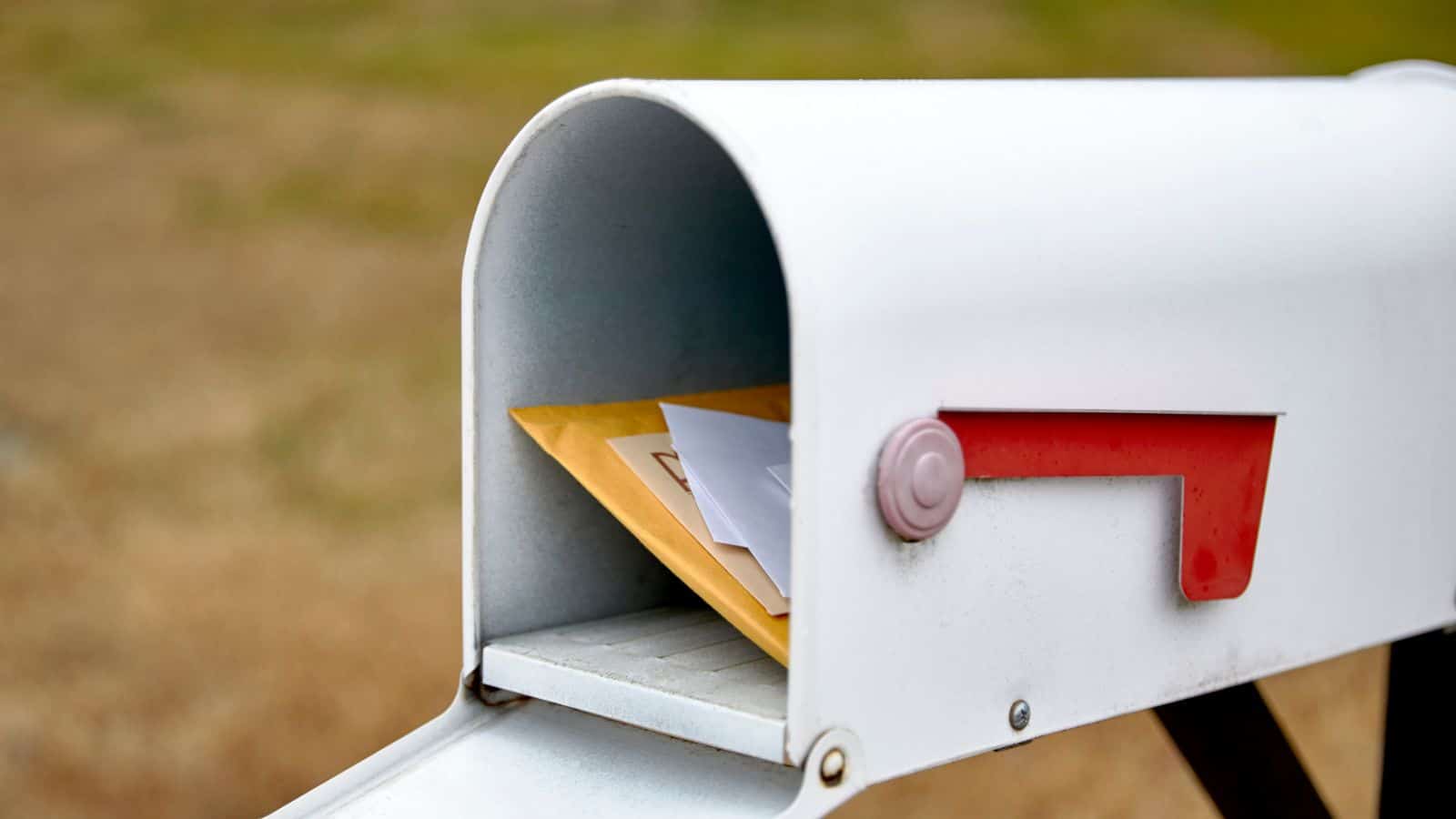
For decades, checking the mailbox was part of the daily routine, but that won’t be the case much longer. Fewer people send letters, and most bills, statements, and important documents are handled online. The U.S. Postal Service is struggling financially, and cutting back on delivery days seems inevitable.
Physical Newspapers
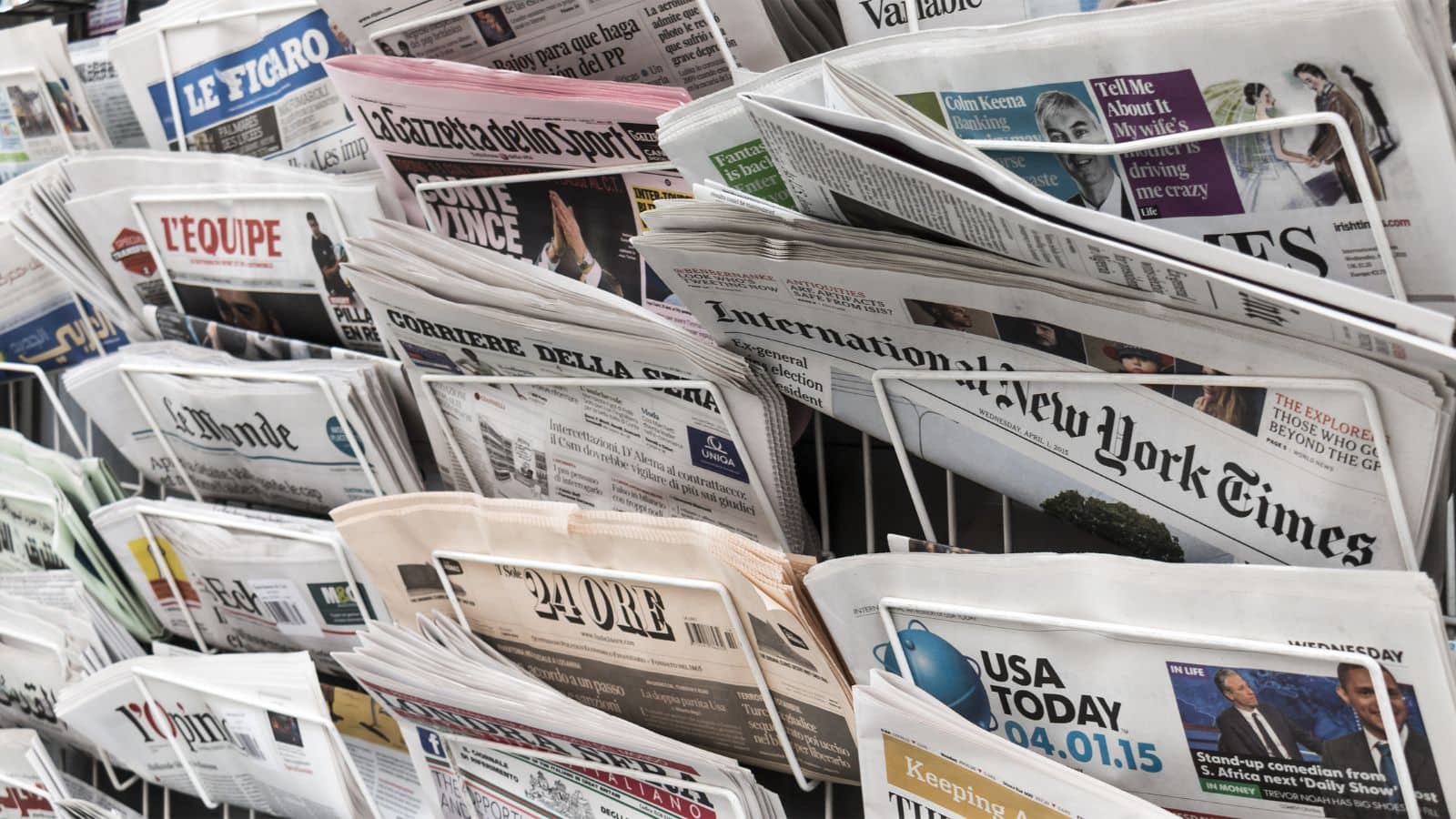
You’ve probably realized that fewer people reading physical newspapers, and there’s a good reason for that. Most people get their news online now, and print subscriptions have been declining for years. Many major newspapers have already shifted their focus to digital content, while smaller ones have shut down completely.
Landline Phones

Just a few years ago, every home had a landline, but now, most people don’t see the need for one. Smartphones have made landlines practically useless, and younger generations have never even used one. Businesses are also moving away from traditional phone lines, switching to internet-based systems instead.
Checkout Lanes with Cashiers

In case you haven’t already realized, stores are moving away from traditional cashiers. Amazon has already introduced stores where you can grab what you need and walk out, with AI-powered systems charging your account automatically.
Many major retailers are even testing cashier-free shopping, eliminating the need for checkout lines altogether.
CDs and DVDs
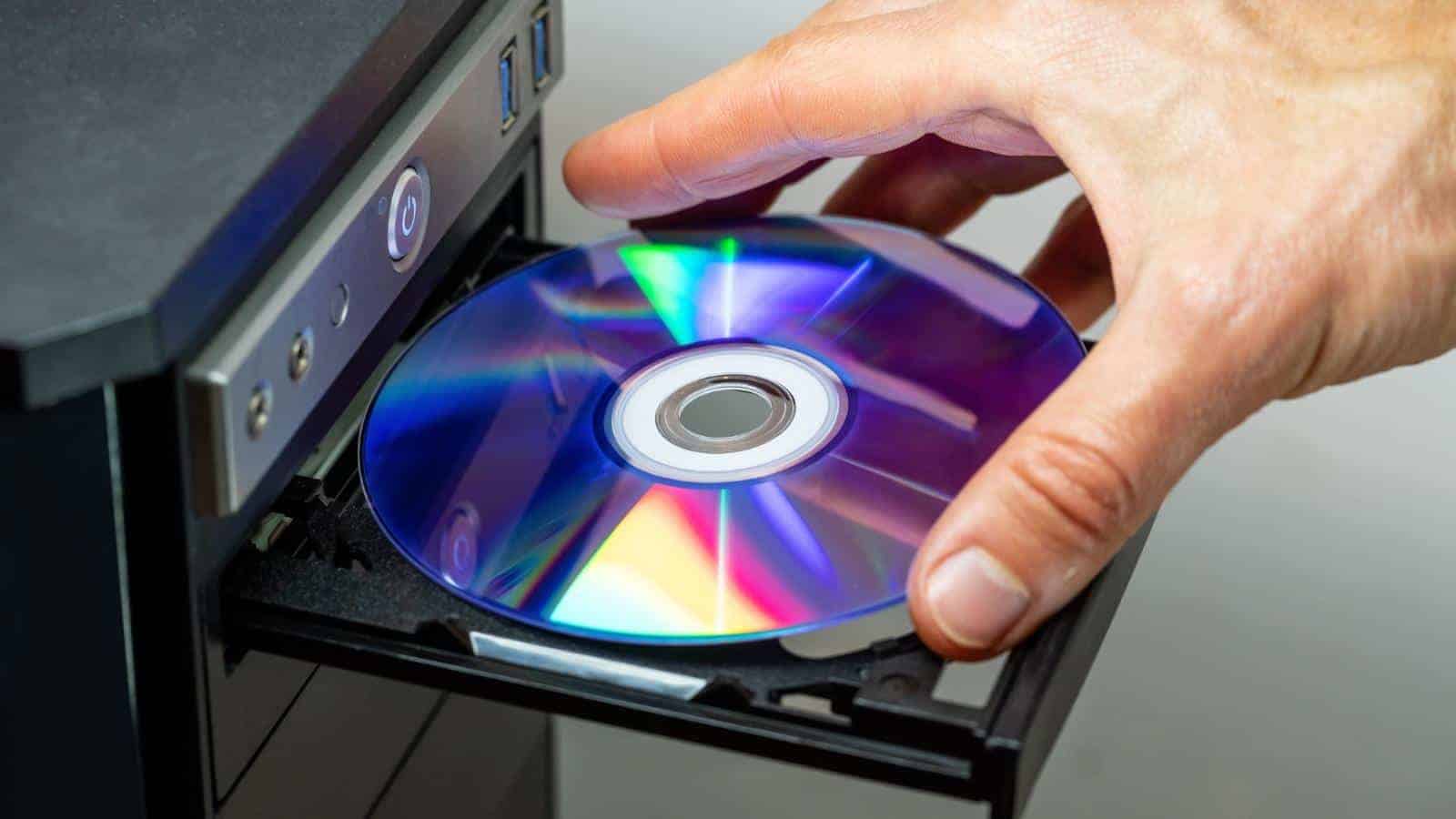
For years, physical media was the go-to way to listen to music and watch movies, but that era is ending. Streaming services like Spotify, Netflix, and Apple Music have made CDs and DVDs almost obsolete. Fewer people own DVD players, and new cars no longer come with CD players.
Standalone GPS Devices
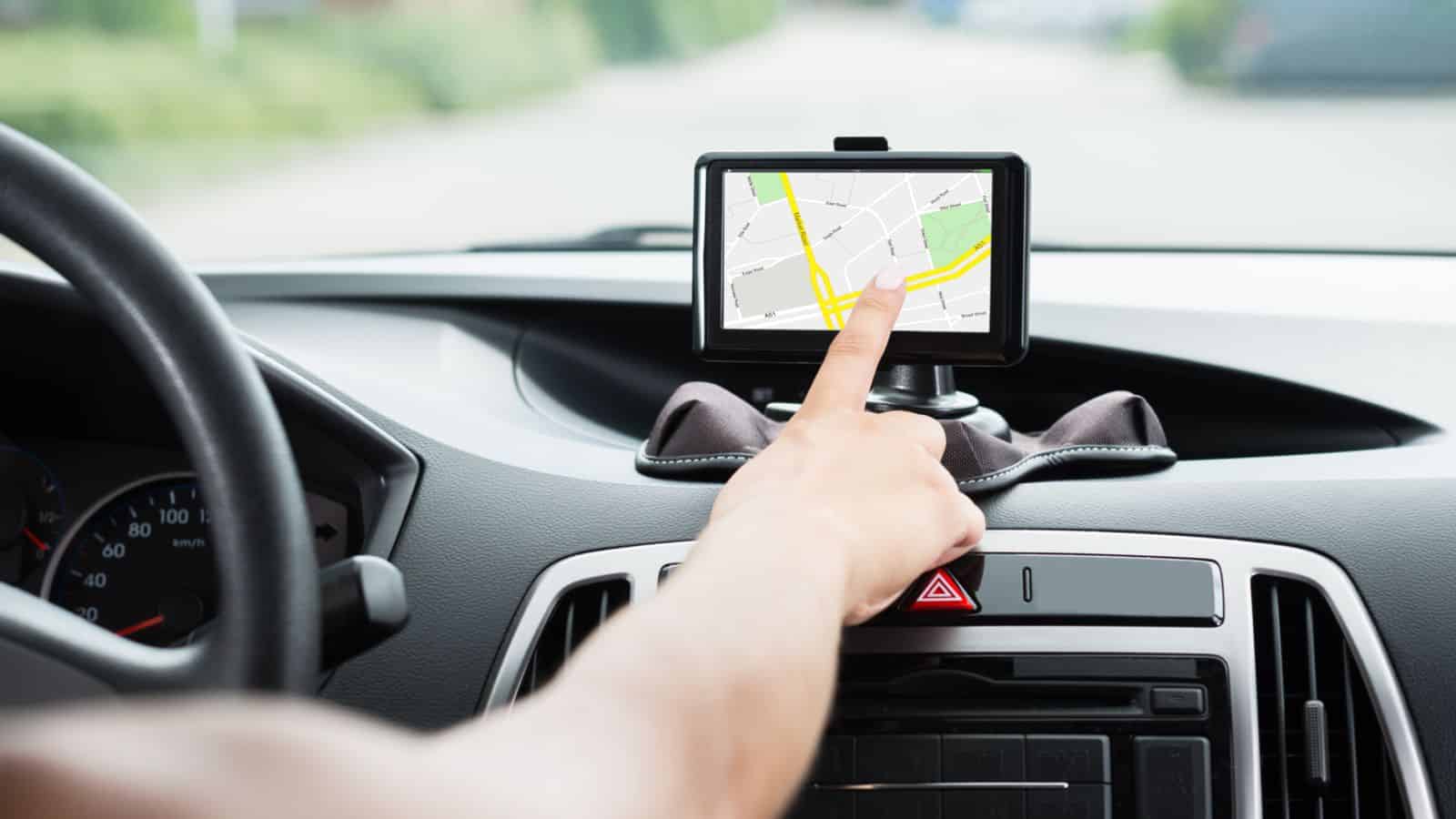
Not too long ago, having a GPS device in your car was a big deal. Now, smartphones have completely taken over. Apps like Google Maps, Apple Maps, and Waze provide real-time navigation, traffic updates, and even road hazard warnings. GPS companies like Garmin and TomTom are struggling to stay relevant as fewer people buy their standalone devices.
Fax Machines
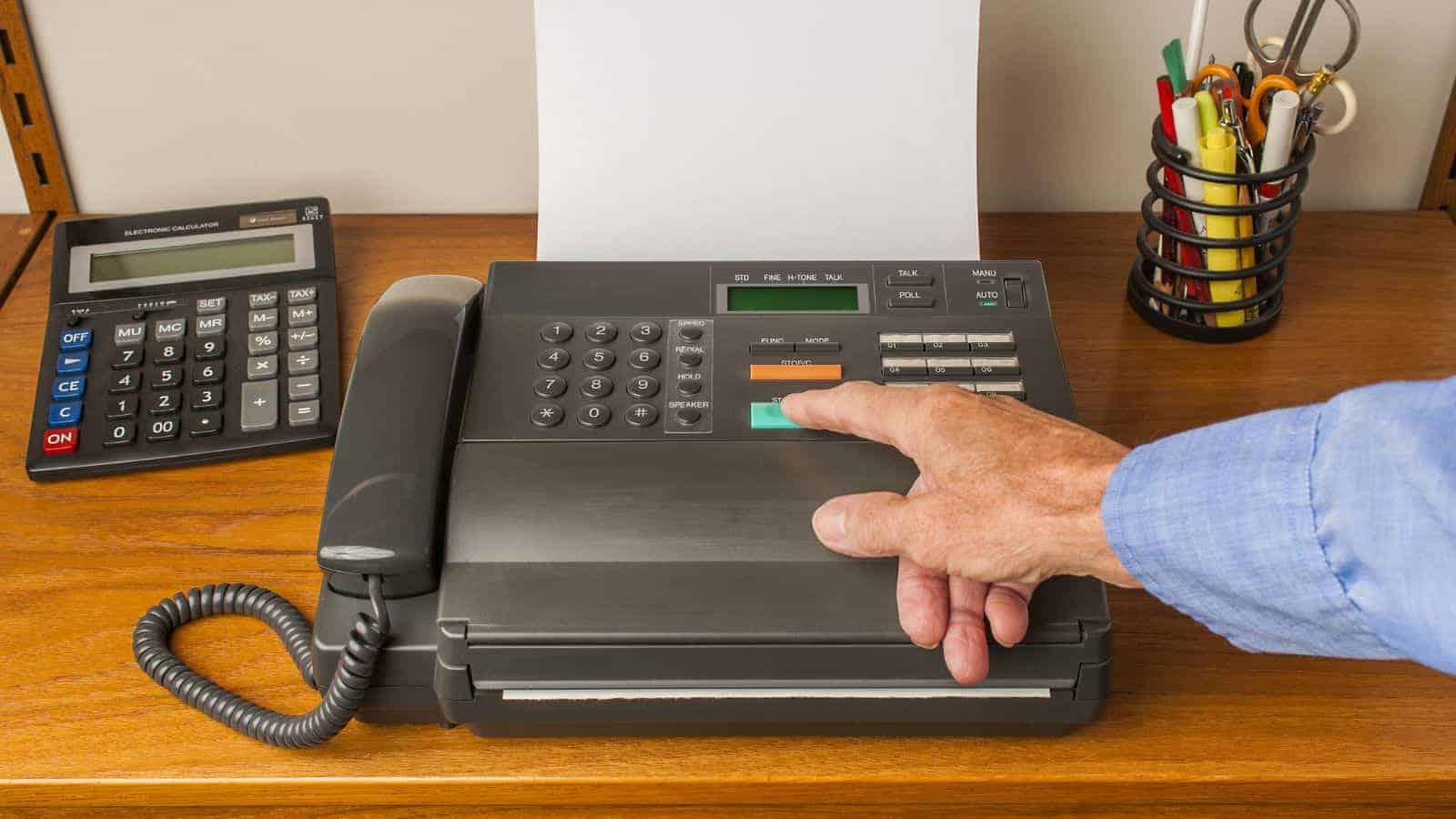
It’s surprising that fax machines are still around, but they won’t be for much longer. Businesses have relied on them for decades, but email, digital signatures, and secure file-sharing platforms are making them obsolete. Younger generations entering the workforce have never even used a fax machine, and companies are phasing them out in favor of more efficient communication methods.
Movie Theaters

We can all remember that going to the movies used to be a big event, but that’s quickly changing. With streaming services offering new releases at home, fewer people are buying tickets.
Movie theaters have tried to compete by adding luxury seating, food service, and premium experiences, but the decline is hard to ignore.
Physical Alarm Clocks

It wasn’t that long ago that nearly every bedroom had an alarm clock sitting on the nightstand. It might have been a digital clock, an old-school radio alarm, or even a classic wind-up model, but people relied on them to wake up every morning. Now, however, smartphones have completely taken over.
Printed Maps and Atlases

There was a time when every car had a road atlas stuffed in the glove compartment, just in case. Families unfolded huge paper maps to plan their road trips, and gas stations had racks of local maps for travelers. Now, GPS technology has made printed maps nearly useless.
Handwritten Checks

It’s obvious that writing a check to pay for something is already becoming a rare sight. Digital payments, credit cards, and mobile banking apps have made paper checks almost obsolete. Many stores no longer accept them, and banks are encouraging customers to use electronic transfers instead. Older generations still use checks occasionally, but within a decade, they will likely disappear entirely.
Physical SIM Cards

If you’ve ever struggled to swap a tiny SIM card between phones, you’ll be happy to know their days are numbered. eSIM technology is already taking over, allowing people to activate a new phone plan without needing a physical card.
Apple has already removed SIM card slots from some of its newest iPhones, and other manufacturers are following suit.
USB Flash Drives

Ten years ago, USB flash drives were essential for storing and transferring files. Students carried them around for school projects, office workers used them for presentations, and many people had a collection of them for backups. Now, cloud storage has made them nearly irrelevant.
Remote Controls

It’s hard to imagine now, but in a few years, traditional remote controls will probably be gone. Voice assistants, smart home integration, and phone apps are already replacing the need for physical remotes. Many TVs and streaming devices now respond to voice commands, and some can even be controlled with gestures.
Office Printers

Not long ago, having a printer at home or in the office was considered essential. People printed everything such as documents, emails, tickets, and even directions. But as digital documents, e-tickets, and cloud sharing have become the norm, the need for physical printing has declined.
This article may include content generated by AI and has been reviewed and edited by our editorial team for accuracy and clarity.