
If you feel like products just don’t hold up as well as they used to, don’t worry – you’re not imagining things. Back in the day, it seemed like everything was built to last a lifetime – sometimes literally. And yet nowadays, it often feels like you’re constantly replacing stuff that should stick around for years.
Let’s take a look at some common products that once stood the test of time but now barely survive a few months.
Smartphones

Remember when cell phones could survive a fall down the stairs and keep working for years? These days, smartphones seem like fragile glass sandwiches that can shatter or glitch out after the slightest mishap.
Not only are they more expensive, but they also slow down faster thanks to software updates that push users toward upgrades. Plus, batteries degrade quicker, screens crack easier, and repair costs are sky-high.
Jeans

It used to be that a good pair of jeans would last for years, maybe even decades. Now, many jeans seem to rip or lose shape after just a few washes. Thinner fabric, stretchy blends, and trendy designs mean durability takes a back seat. Even some big-name brands have shifted to cheaper production methods, so you get frayed hems, worn-out knees, and broken zippers faster than ever.
Kitchen Appliances

Once upon a time, kitchen appliances were built like tanks. Your grandma’s blender or toaster probably worked flawlessly for decades. Today’s versions? Not so much. Modern appliances often come with fancy features but weaker components. Plastic parts replace metal, and complex electronics mean more things can break.
Shoes

Shoes used to be an investment. A solid pair could last years with proper care. Nowadays, many shoes – especially trendy sneakers – fall apart after a few months of regular use. Soles separate, stitching comes undone, and the material wears thin. Sadly, fast fashion has made shoes more affordable at the cost of longevity.
Furniture

Gone are the days when furniture was handed down through generations. Today’s pieces often come flat-packed with particleboard instead of solid wood. They might look great at first, but after a few moves or months of use, you’ll notice wobbly legs and peeling veneers.
Headphones

Headphones used to be sturdy and simple. If they broke, you’d just replace the cord or ear pads. Now, with wireless technology and built-in batteries, headphones are more fragile. It’s common for them to stop holding a charge or lose sound quality after a year or two.
Repairs are tricky, and new models with minimal improvements keep getting pushed.
Washing Machines
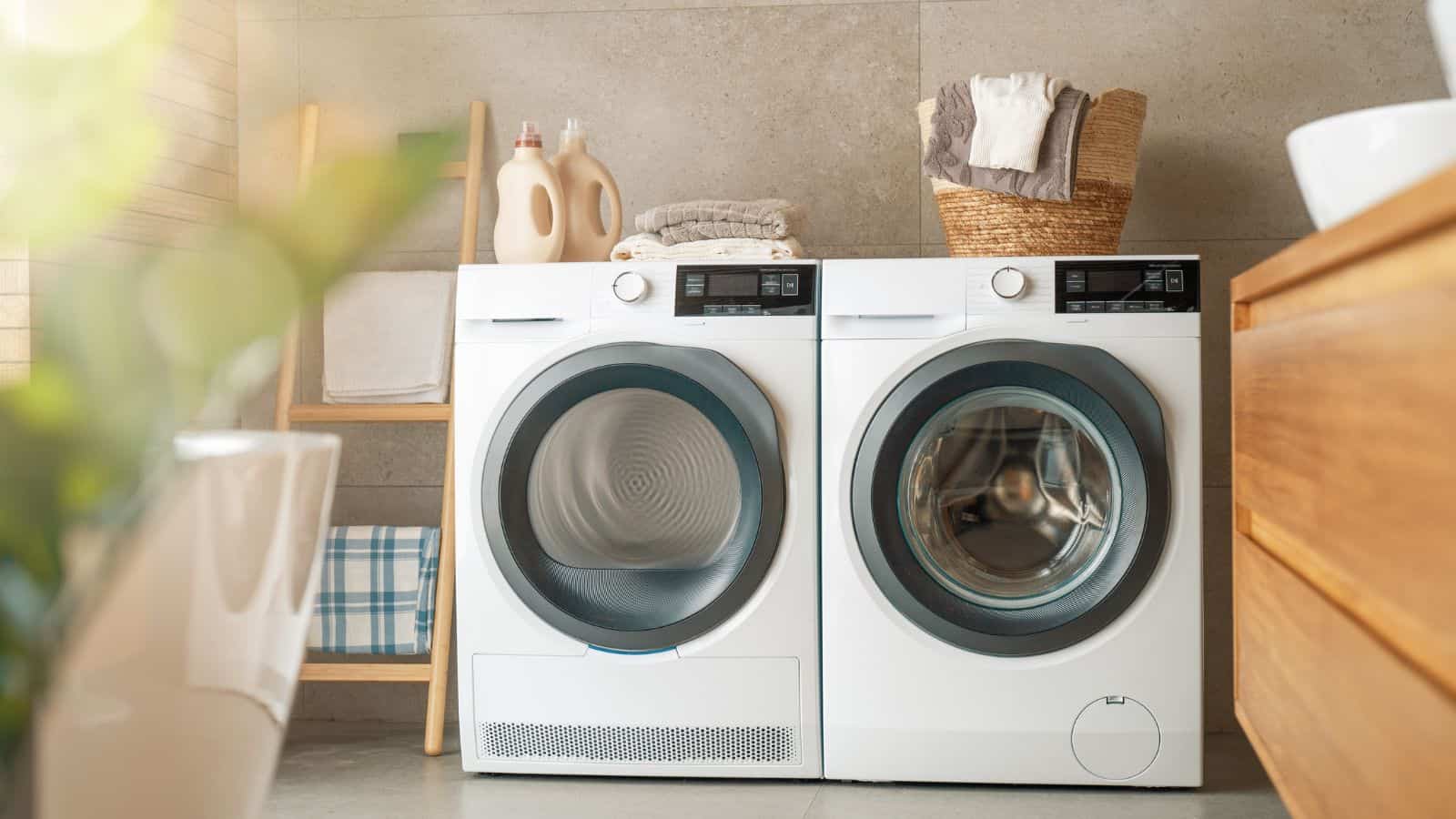
Older washing machines could run for decades with minimal maintenance. These days, many models break down after just a few years. Manufacturers have swapped robust mechanical parts for cheaper electronic components that are more prone to failure.
Luggage
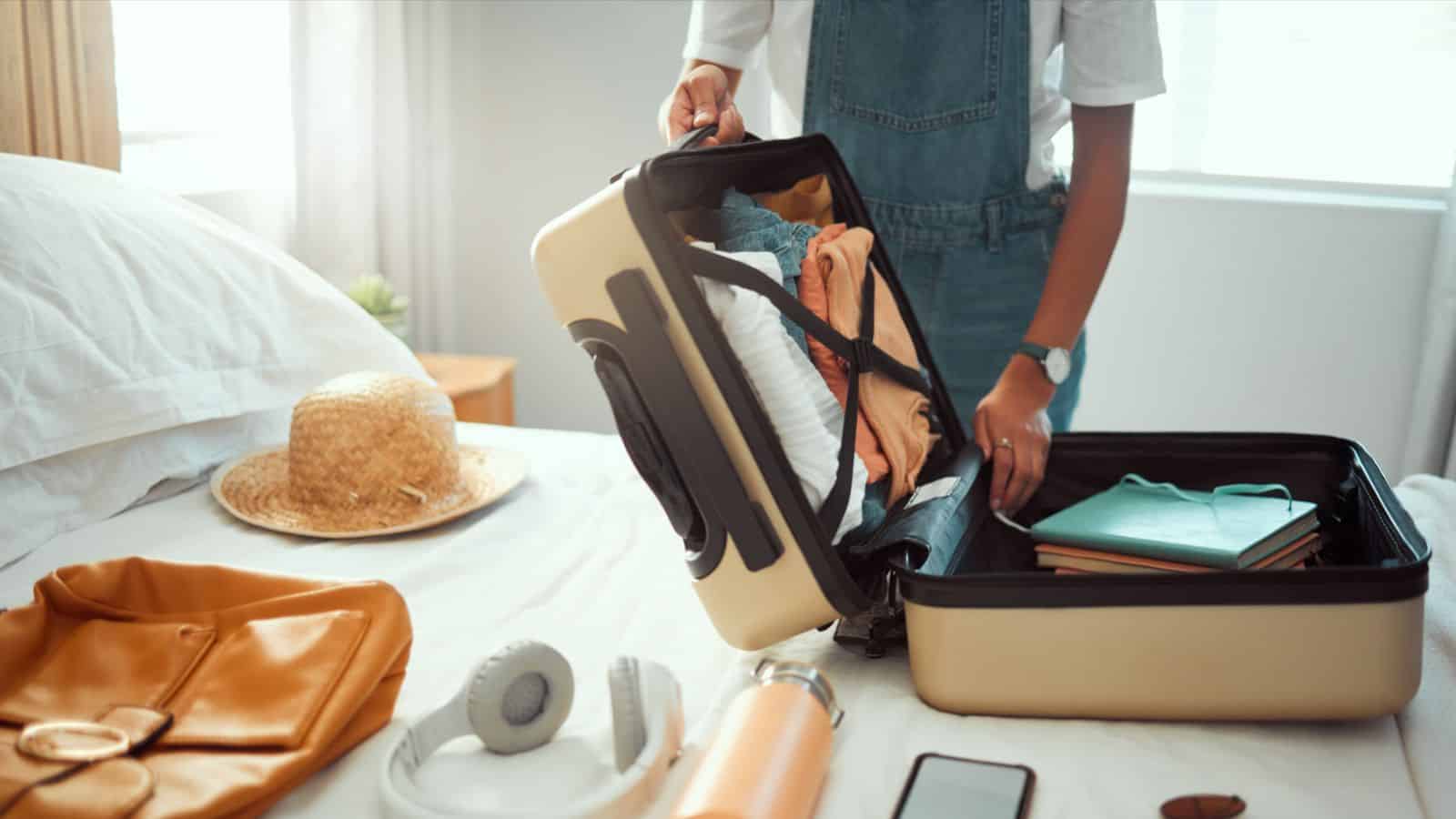
It’s frustrating when luggage falls apart after a few trips. Once, suitcases were built to endure rough handling at airports. Metal frames, sturdy zippers, and durable fabrics made them reliable. Now, many bags rely on lightweight materials that aren’t as tough. Wheels snap off, handles break, and zippers jam easily.
Televisions
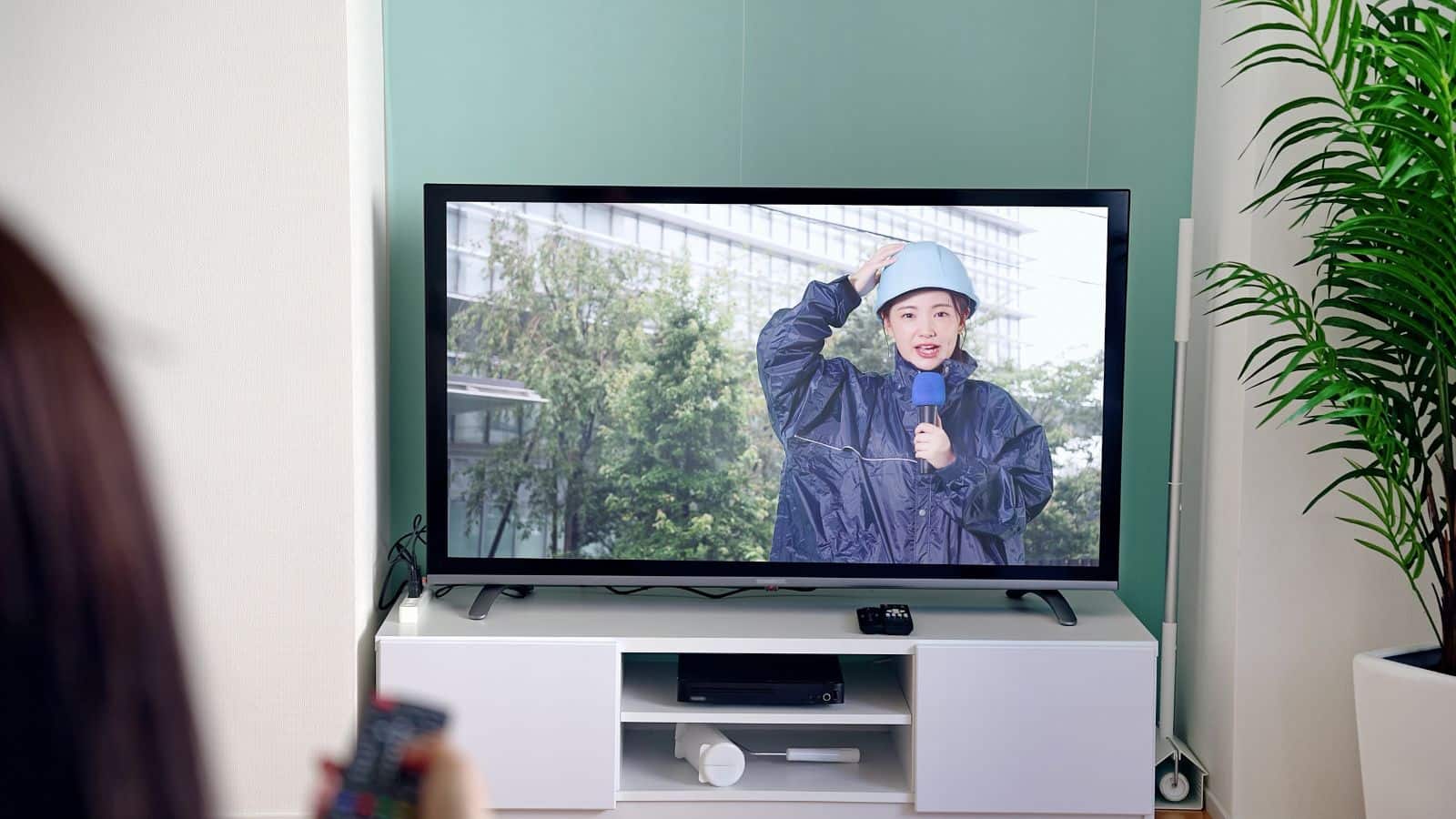
Today’s ultra-thin, smart TVs may offer stunning visuals, but they’re far more delicate. Screens can fail, pixels burn out, and software becomes outdated, all within a few years. Repair costs can rival the price of a new set, making replacement the easier choice.
Rapid advances in technology mean newer models are constantly released, tempting buyers to upgrade before they really need to.
Backpacks

Backpacks used to be built tough enough for years of daily use. Thick canvas materials, metal zippers, and reinforced seams were standard. Now, many backpacks are made with lightweight, flimsy fabrics that tear under pressure. Zippers break, straps fray, and bottoms wear through quickly.
Small Kitchen Gadgets

Think about that old hand mixer or waffle iron your parents used forever. Modern kitchen gadgets, though sleek and convenient, rarely last as long. Plastic gears and cheaper wiring mean they’re more prone to breaking. Sometimes, it’s nearly impossible to find replacement parts, and repairs cost more than buying a new one.
Power Tools
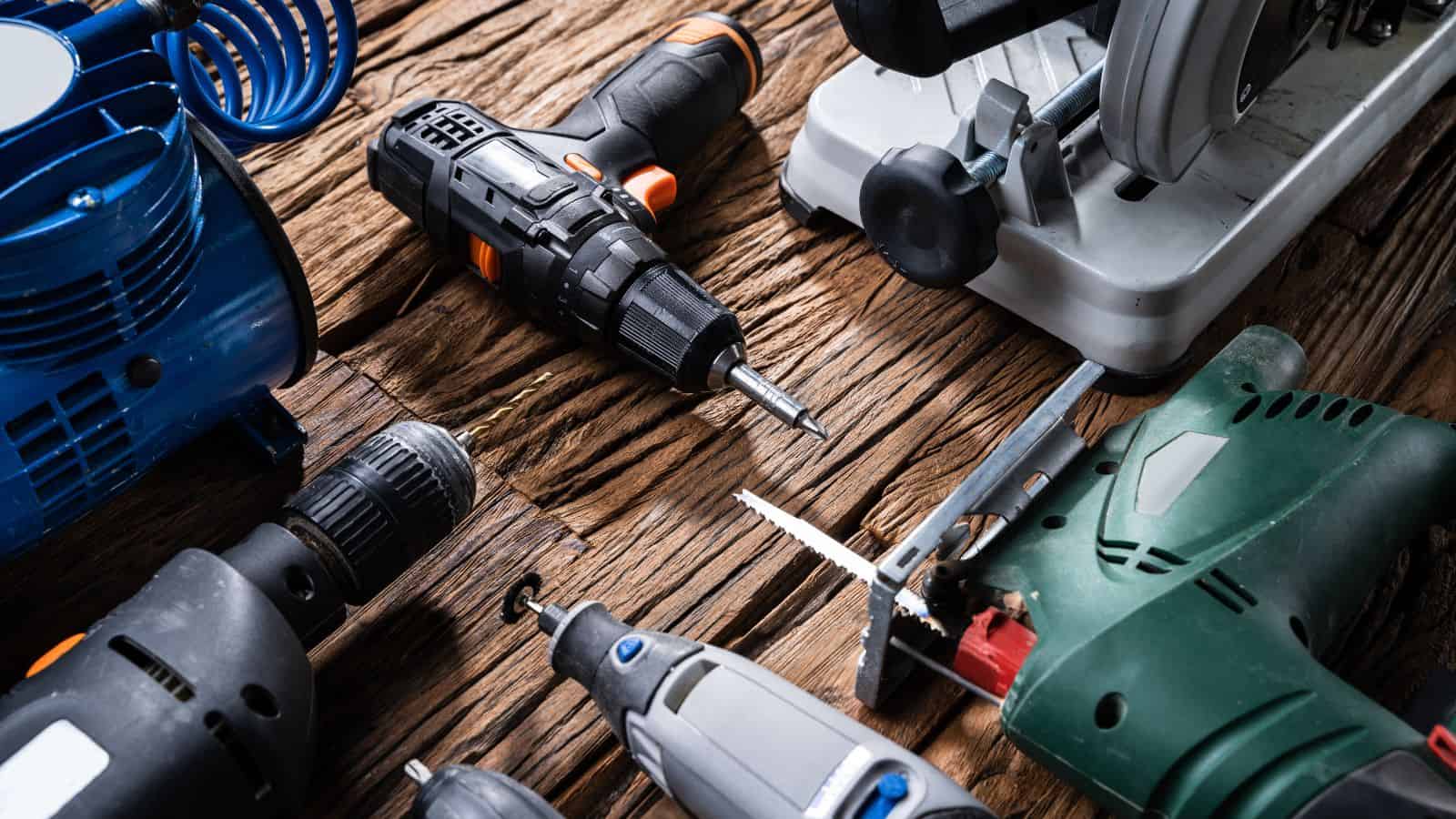
Power tools used to be something you bought once and kept for life. Metal casings, durable motors, and replaceable parts made them long-lasting investments. But these days, many are made with plastic components that break under heavy use.
Rechargeable batteries also wear out faster than expected, and replacements aren’t cheap.
Coffee Makers

Coffee lovers know the pain of a machine that gives out too soon. Classic drip coffee makers could last for years with minimal issues. Modern coffee machines, especially pod-based ones, often break down after a short time. Mineral buildup, cheap internal components, and electronic controls that fail are common problems.
Clothing
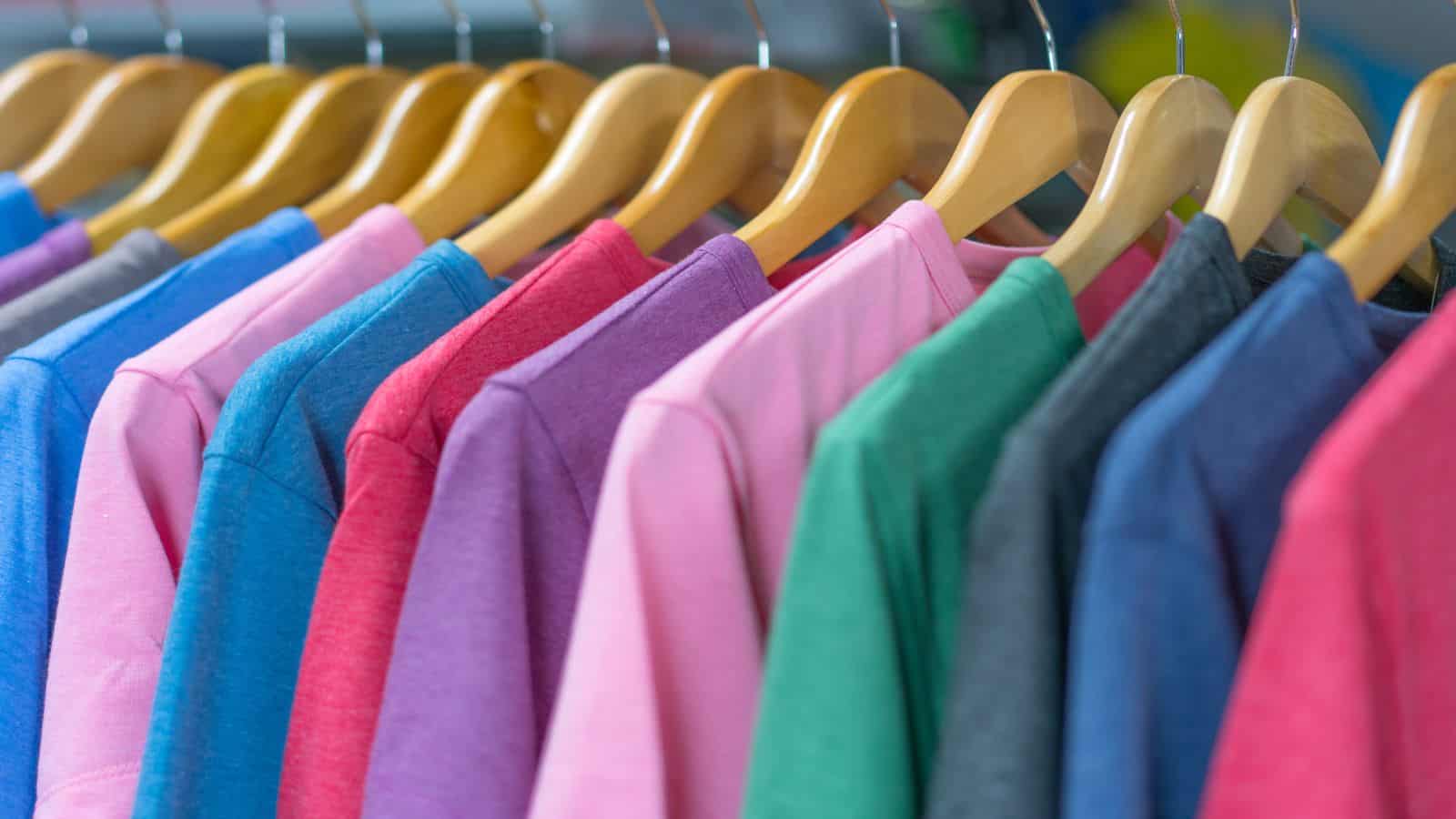
Unfortunately, fast fashion has lowered expectations for durability. Fabrics pill, seams unravel, and colors fade after just a few washes. The focus is on affordability and trendiness rather than quality. While there are still durable options out there, they often come at a premium.
Toys

Toys used to be built to survive generations of rough play. Think metal cars, wooden blocks, and sturdy dolls. Today’s toys are often made of cheap plastic that cracks or breaks easily. Electronic toys can stop working after minor drops or battery issues. For parents, this can be frustrating, especially when expensive toys don’t last through the holiday season.
Sunglasses

These days, a lot of sunglasses seem to scratch, snap, or lose screws within months. Lightweight plastic frames replace durable materials, and cheaper lenses scratch easily. Even designer brands aren’t immune.
Unless you’re buying premium pairs with reinforced frames and scratch-resistant lenses, chances are you’ll be replacing them more often than you’d like.
Printers
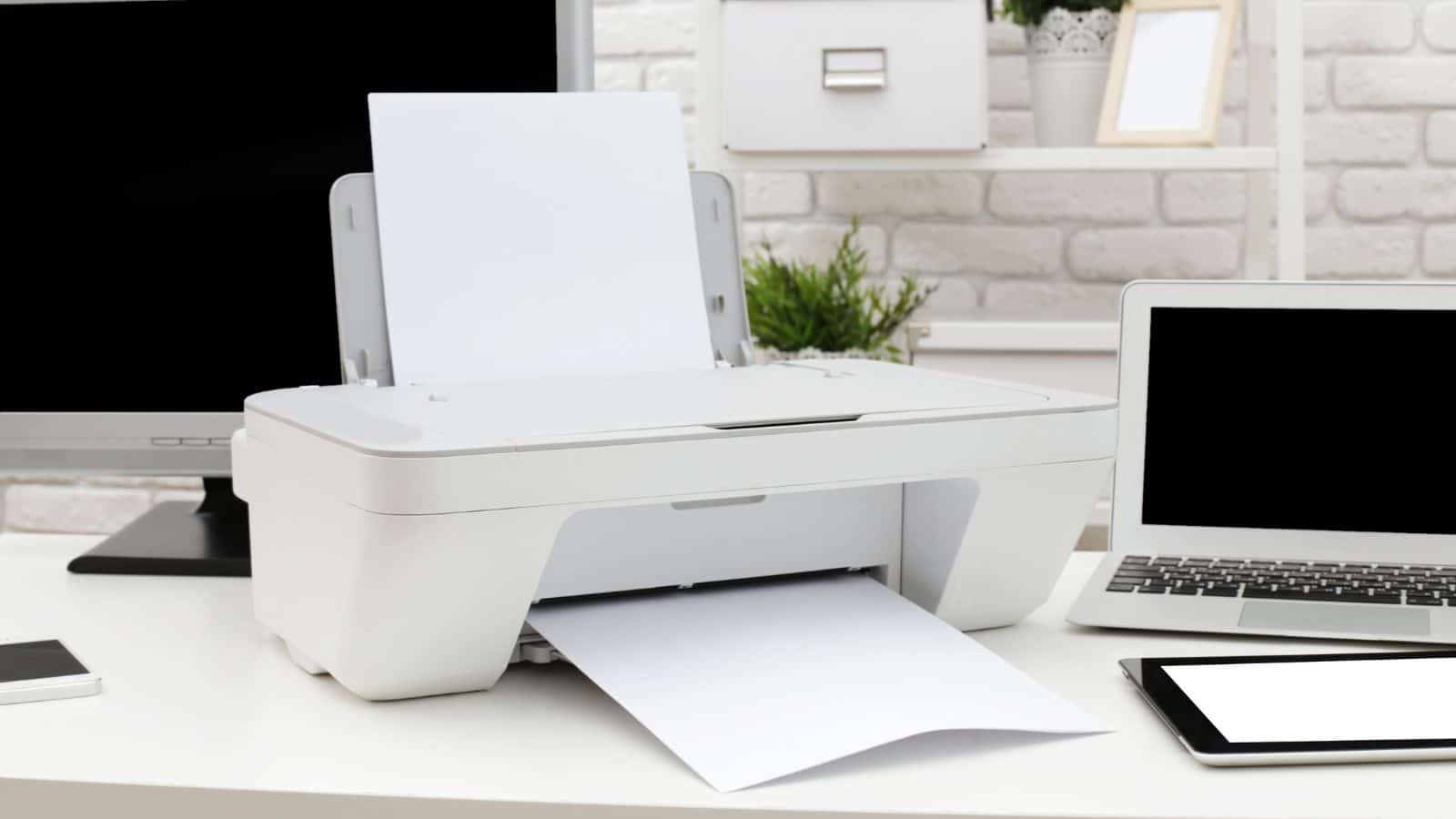
Home printers have become notorious for short lifespans. They jam, break, or stop working altogether after limited use. Older models were bulky but reliable, while newer ones often come with cheaper parts that fail sooner.
Printer ink is expensive, and sometimes, replacing ink cartridges costs more than a new printer.
Light Bulbs
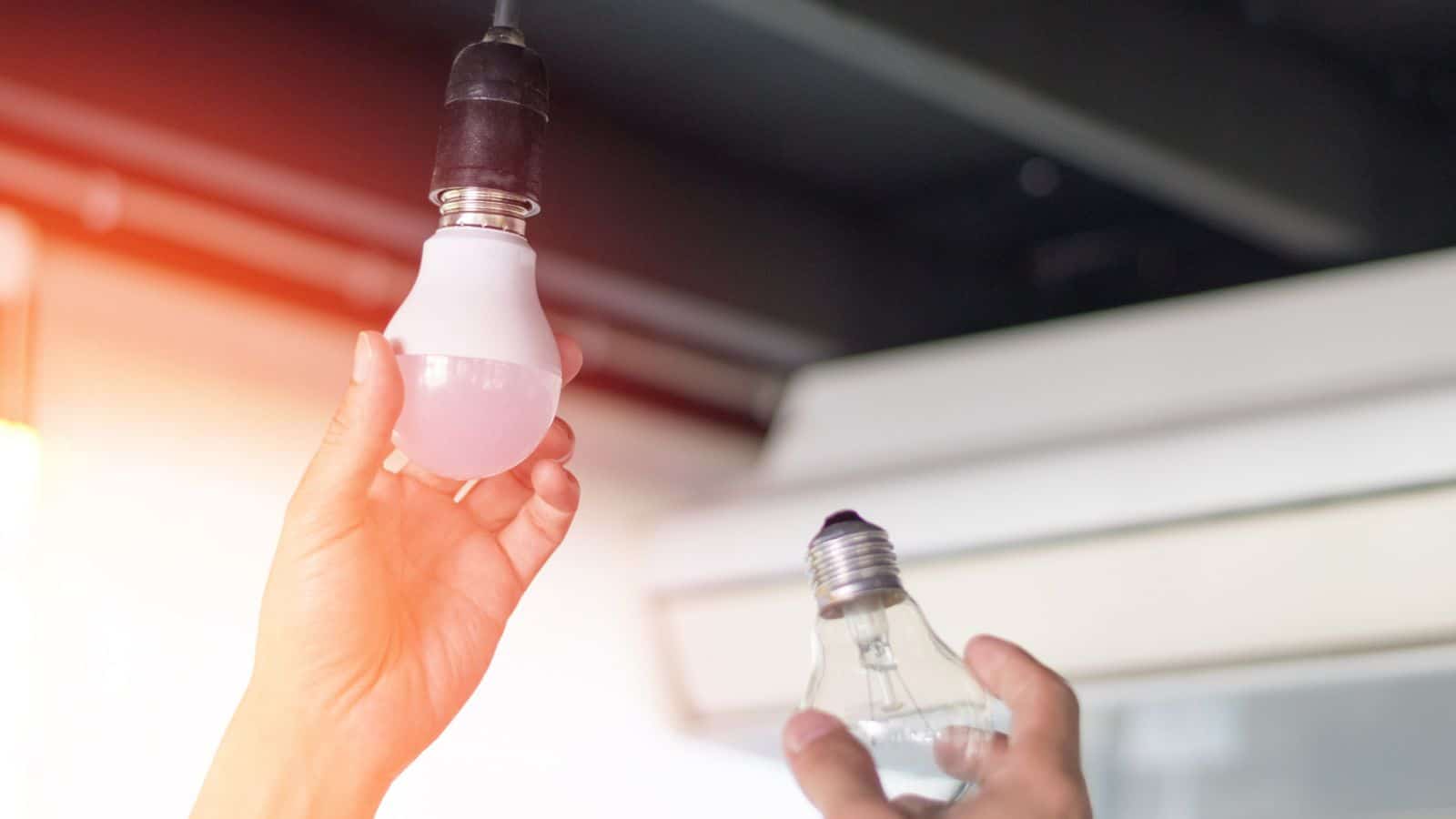
Once, light bulbs seemed like they’d last forever, especially the older incandescent types. Modern energy-saving bulbs claim longer lifespans but often fail to deliver. Some LEDs burn out faster than expected because of their annoyingly cheap components. Additionally, fluctuations in power can shorten their lives even further.
Charging Cables
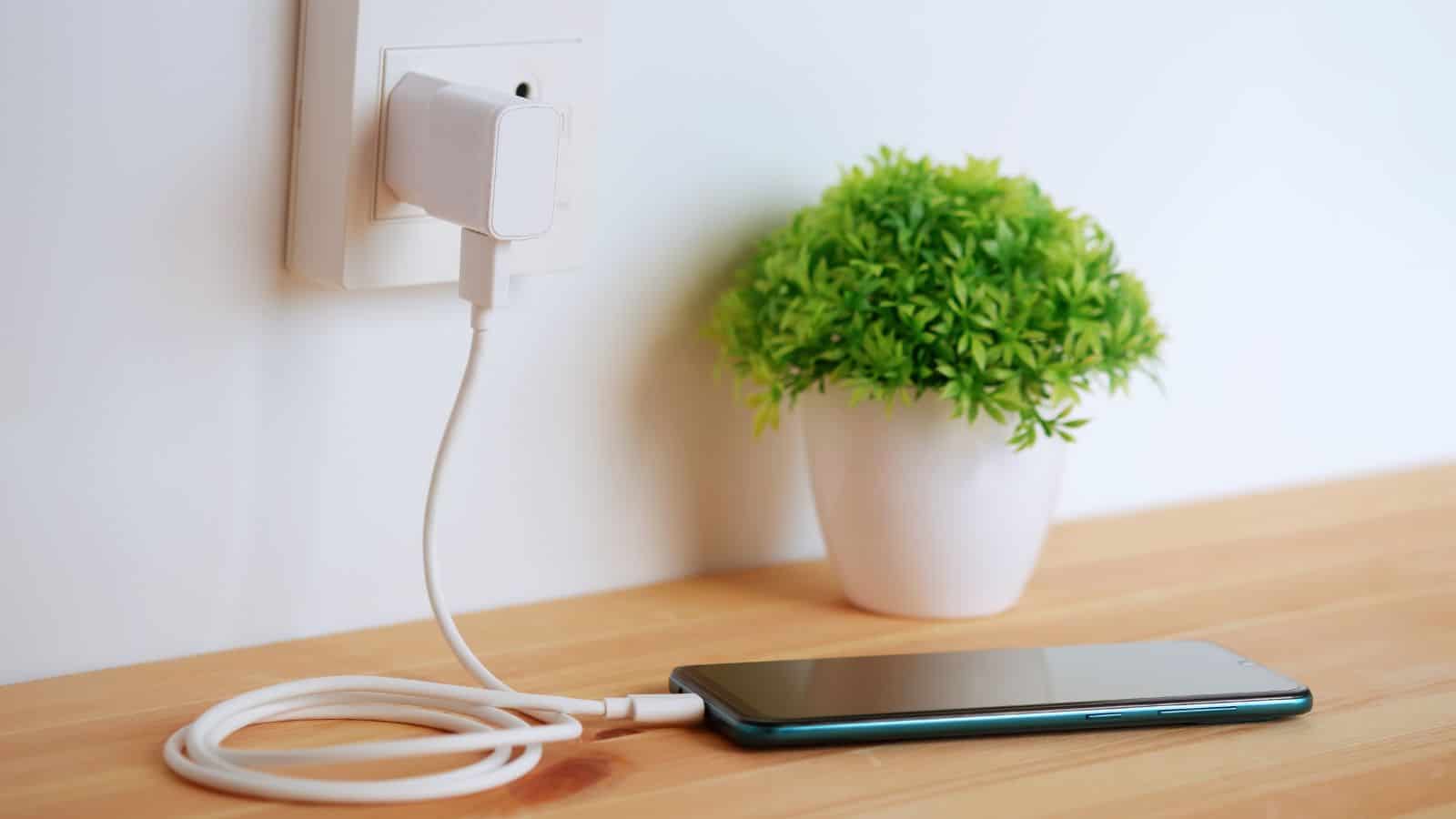
Finally, charging cables might be the most infuriating example. It feels like they’re designed to break. Frayed ends, weak connectors, and fragile rubber coatings mean you’re buying replacements way too often.
Older charging cords, especially for laptops, used to last for years. Now, even brand-name cables wear out after a few months of regular use.
This article may include content generated by AI and has been reviewed and edited by our editorial team for accuracy and clarity.