
It’s no secret that millennials have changed the way people shop, and this now means many companies are starting to feel the impact. Businesses that fail to adapt are struggling to survive, while others are having to reinvent themselves in order to keep up. Here are 18 things millennials refuse to buy that’s affecting businesses everywhere.
Cable TV

While it might be something older generations still swear by, millennials have completely moved on from it. Cable providers have tried to lure younger customers with cheaper packages, but most millennials aren’t interested. They prefer flexibility, no long-term contracts, and the ability to watch what they want, when they want.
Diamonds

For years, diamond engagement rings were seen as a must-have, but millennials just aren’t buying into the tradition. Unlike their parents and grandparents, they’re more likely to opt for alternative stones, lab-grown diamonds, or even skipping the engagement ring altogether. Many see diamonds as overpriced and unethical due to concerns about the mining industry.
Traditional Gym Memberships

While hitting the gym was once the standard for staying in shape, millennials are moving away from expensive monthly memberships. Instead, they’re opting for home workouts, fitness apps, and boutique studios that offer pay-per-class options.
They prefer the convenience of working out at home using YouTube videos, Peloton, or fitness streaming services.
Paper Napkins

It might seem like a small thing, but millennials aren’t buying paper napkins the way previous generations did. They see them as wasteful and unnecessary when paper towels or reusable cloth napkins work just as well. As a result, paper napkin sales have been declining for years, forcing companies to rethink their marketing strategies.
Lottery Tickets

For decades, playing the lottery was a common habit for older generations, but millennials aren’t buying in. They see the lottery as a waste of money, with the odds of winning being far too low to justify the expense.
With student loans, high rent, and a rising cost of living, millennials would rather put their money toward something with guaranteed benefits, like savings or investments.
Homeownership

When you look back at past generations, owning a home was a major milestone, but for many millennials, it’s just not an option. Instead, they’re renting longer, moving into tiny homes, or embracing van life. They prioritize flexibility and experiences over being tied down to a mortgage. This shift has hurt traditional real estate markets, with fewer young buyers entering the market.
Fabric Softener

It may seem like a simple laundry essential, but millennials have largely stopped buying fabric softener. Unlike their parents, they see it as unnecessary and even harmful. They also prefer eco-friendly laundry alternatives like wool dryer balls or natural detergent sheets. Some younger consumers believe that modern washing machines and detergents make fabric softeners obsolete.
Expensive College Textbooks

For students today, paying full price for college textbooks is a thing of the past. Millennials are no longer willing to shell out hundreds of dollars for textbooks when cheaper alternatives exist. Instead of buying new books at full price, they rent them, buy used copies, or find digital versions.
Department Store Clothes

There’s no doubt about it, millennials prefer online shopping, thrift stores, or direct-to-consumer brands that offer trendy styles at lower prices. They also prioritize sustainability, choosing brands that focus on ethical production and recycled materials. The hassle of in-store shopping just doesn’t appeal to a generation used to having everything at their fingertips.
China Sets and Fine Dining Ware

You can’t deny that having a formal set of fine china was a symbol of status and tradition, but millennials just don’t see the need. They aren’t interested in collecting expensive dishware they’ll only use on rare occasions.
The decline in demand has hurt traditional china manufacturers, who are now trying to market modern, everyday versions of their products to appeal to younger buyers.
Landlines

It’s something older generations still insist on keeping, but millennials see no reason to pay for a landline phone. With smartphones capable of handling everything from calls to video chats and messaging apps, the idea of having a separate home phone bill seems pointless. Landline subscriptions have plummeted, and traditional home phone services are slowly fading into obscurity.
Expensive Weddings

Back in the day, a big, traditional wedding was seen as a once-in-a-lifetime event worth going into debt for. Millennials, however, aren’t willing to spend tens of thousands of dollars on a single day. They prioritize financial stability over lavish ceremonies, choosing smaller, budget-friendly weddings or even eloping.
Fast Food Chains
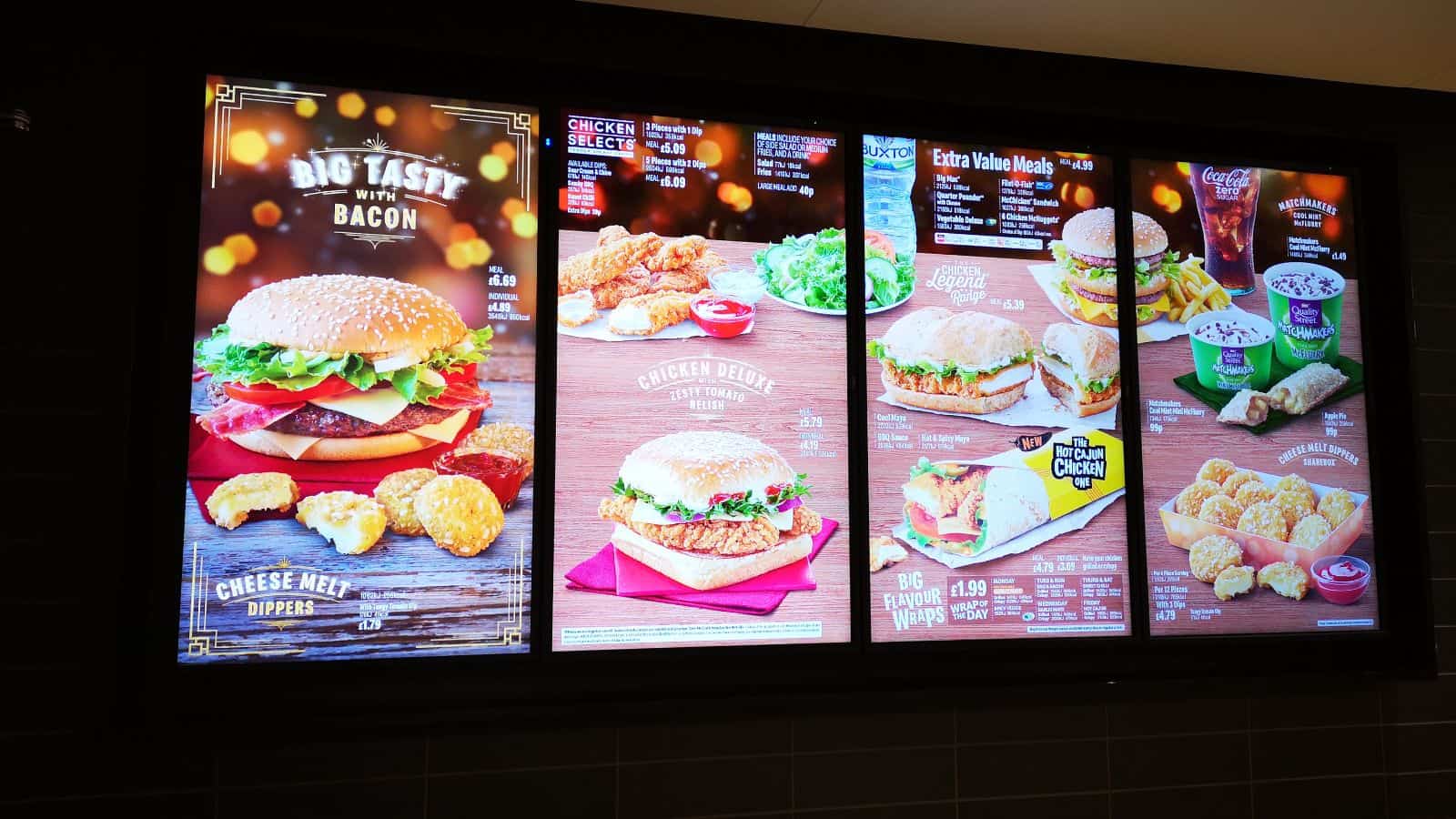
While fast food isn’t going anywhere, millennials aren’t as loyal to traditional fast food chains like McDonald’s and Burger King as previous generations were. They prefer healthier, fresher alternatives, opting for fast-casual restaurants or locally owned eateries.
This change has forced fast food chains to update their menus, adding healthier options and plant-based choices to appeal to younger consumers.
Single-Use Plastics

For a long time, plastic straws, disposable cutlery, and bottled water were everyday essentials, but millennials are moving away from single-use plastics. Environmental concerns have made them more conscious of their purchases, and they’re actively choosing reusable alternatives like metal straws, glass water bottles, and biodegradable packaging.
Physical Media (DVDs, CDs, and Blu-rays)

Gone are the days of collecting shelves full of DVDs and CDs as millennials have fully embraced digital media. With the rise of streaming services like Spotify, Apple Music, and Netflix, there’s little need to buy physical copies of movies or albums. Even Blu-ray, once seen as the next big thing, has taken a hit as millennials opt for digital libraries instead.
Luxury Handbags and Designer Brands
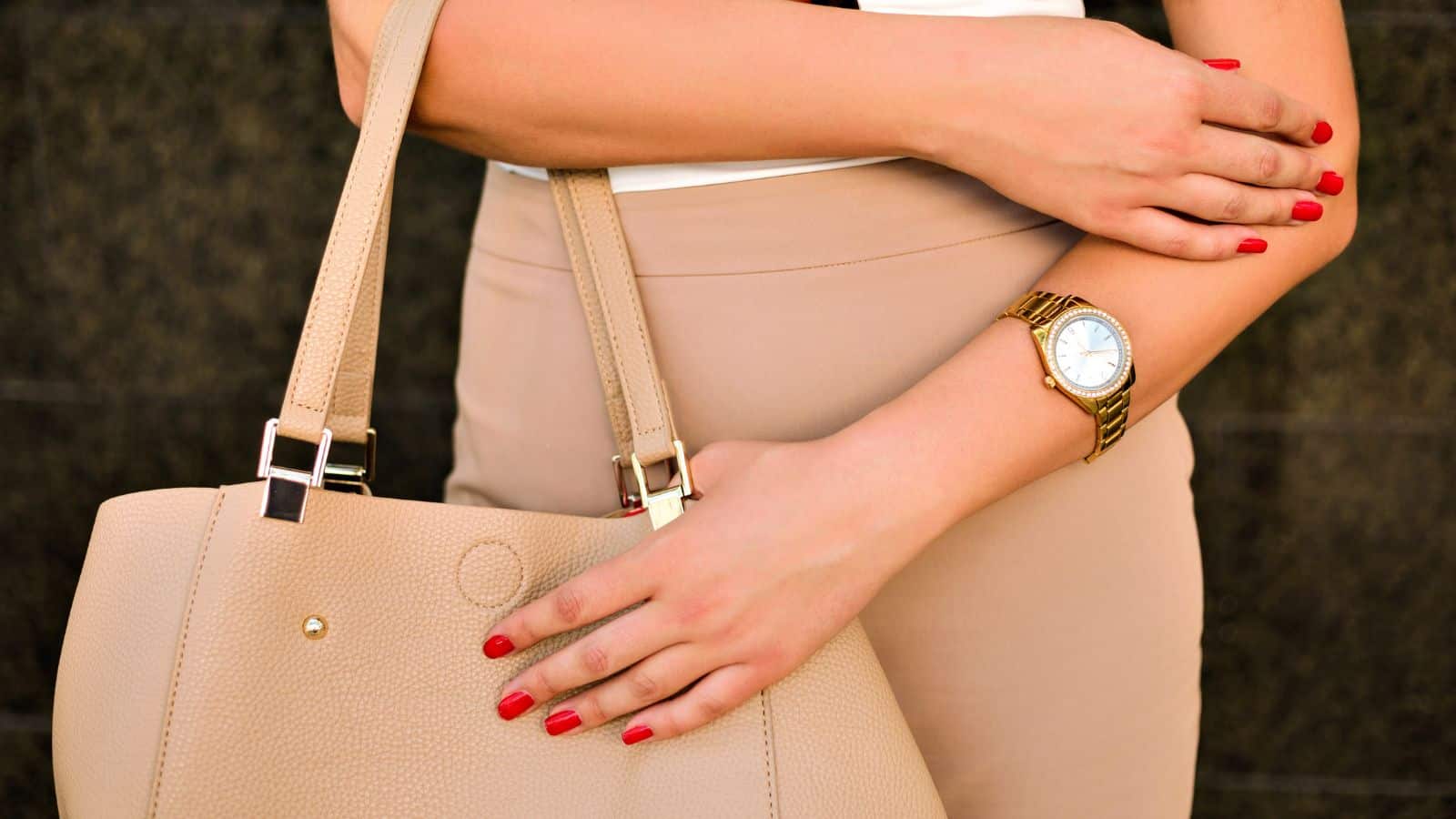
One thing for sure was the fact that owning a designer handbag or wearing high-end fashion brands was a sign of status. Millennials, however, are less interested in luxury logos and more focused on affordability and practicality. They value experiences over material possessions and prefer spending money on travel, dining, and technology rather than expensive clothing.
Cable News Subscriptions

While older generations still rely on cable news networks for daily updates, millennials get their news from social media, podcasts, and digital news outlets. They prefer quick, on-the-go updates rather than sitting through an hour-long broadcast.
This has led to a decline in viewership for cable news channels, forcing networks to expand their digital presence with apps, live streaming, and social media content to engage younger audiences.
New Cars

Last but not least, buying a brand new car was a major milestone, but millennials are far less interested in purchasing new vehicles. With the rise of remote work, fewer millennials need a daily commute, making car ownership less of a necessity. As a result, car manufacturers are adapting by offering more affordable financing options to appeal to younger consumers.
This article includes content generated by AI.