
Over the years, older generations held on to things that meant something to them, like keepsakes, collectibles, or decor that reflected their personal taste or the trends of their time. Many of those once-prized possessions are now being passed down to kids who simply don’t want them. Tastes have changed, homes are smaller, and minimalism is in.
Here are some of the things that felt stylish in the 1970s or ‘80s, but don’t fit into the lives of younger generations.
Fine China Sets

Fancy china was carefully stored in a cabinet and only brought out and used on special occasions. These days, younger folks prefer casual, everyday dinnerware that can go in the dishwasher. Many homes don’t even have a formal dining room anymore, so there’s nowhere for them to use or display a full china set.
Hummel Figurines

Little porcelain figurines of smiling kids in old-timey clothes once filled entire shelves in American homes. Hummel collectors proudly arranged them in curio cabinets and saw them as sentimental or even valuable. Today, younger adults see them as outdated and overly delicate, with no practical use. Many get sold at estate sales for a fraction of their original price.
Silver-Plated Serving Pieces

Heavy silver-plated trays, pitchers, and tea sets may have looked elegant in the mid-20th century, but they require constant polishing to stay shiny. Younger homeowners generally prefer low-maintenance items, and aren’t interested in hand-washing or polishing pieces they’ll never use. Older relatives often assume these pieces will be treasured, but their kids don’t want them.
Antique Furniture
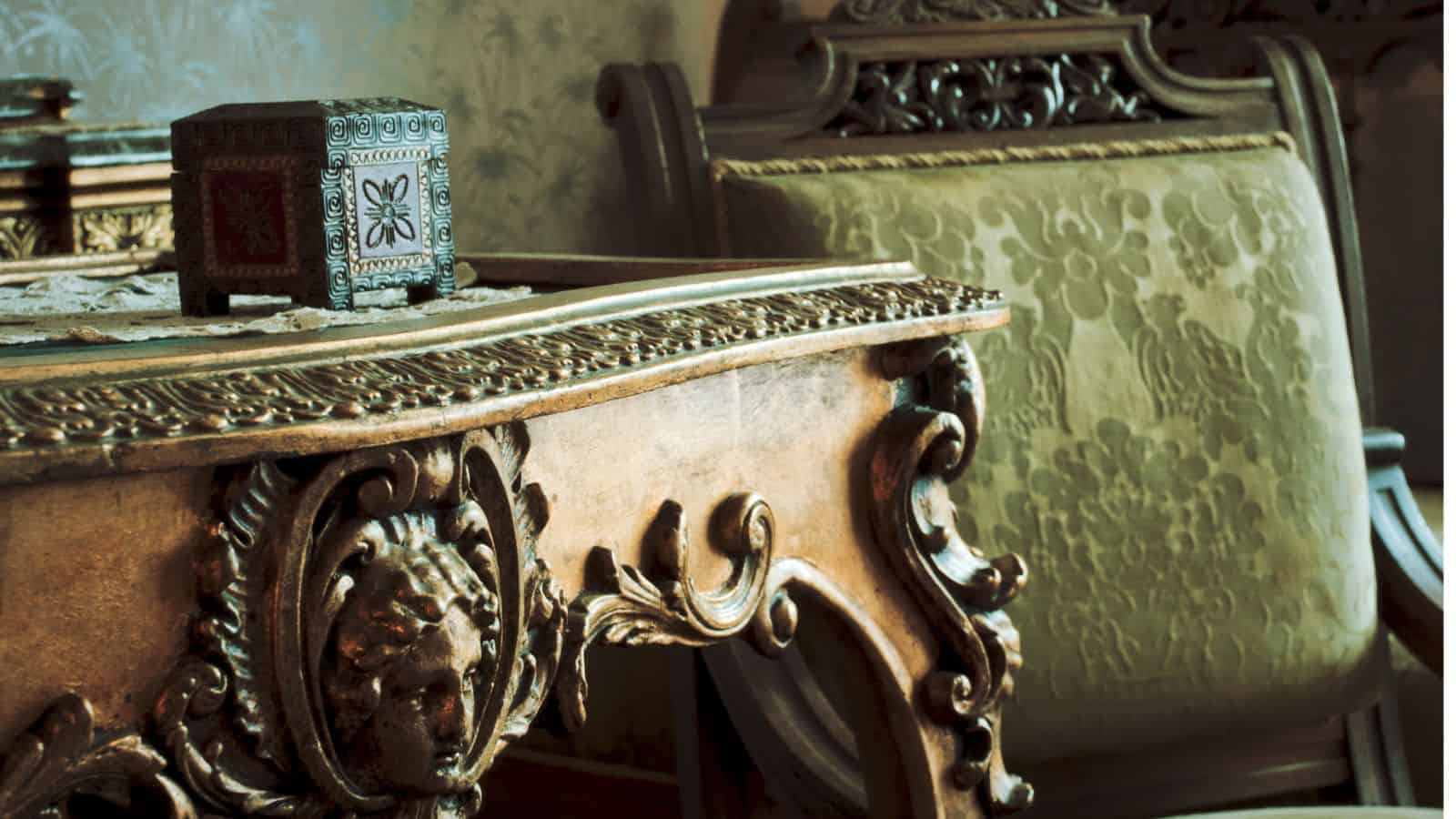
Dark, heavy wood furniture used to be a symbol of quality and status, but modern tastes favor lighter, more minimal designs that are easier to move and mix with other decor. They often live in apartments or smaller homes with no space for big items.
Trying to sell these items usually leads to disappointment when buyers offer far less than expected – if they’re interested at all.
Beanie Babies

There was a time in the ’90s when people genuinely believed collecting Beanie Babies would make them rich. Parents bought them for their kids, stored them in protective cases, and waited for the value to skyrocket. But the market collapsed, and most of them are now worth only a few bucks each.
Crystal Glassware

Cut crystal used to be a popular wedding gift, often passed down from one generation to the next. It looked fancy on display and added sparkle to formal dinner tables. Very few younger adults are interested now, though. Even resale shops often pass on crystal donations because demand is so low. It just doesn’t match the modern, casual lifestyle most people live today.
Encyclopedias

Long before the internet, having a full set of encyclopedias on your bookshelf meant you were serious about knowledge. These leather-bound volumes looked impressive, but Google and Wikipedia have replaced the need for them. Why keep 30 heavy and outdated books when they can search anything in seconds on their phones?
Collector Plates

Decorative plates with themes like holidays, wildlife, or famous landmarks were once common collectibles. Several were released as limited editions and came with certificates of authenticity, making people think they’d gain value over time.
Home decor trends have moved away from displaying things like this. Collector plates are unwanted and usually end up packed away or donated.
Doilies and Lace Table Runners
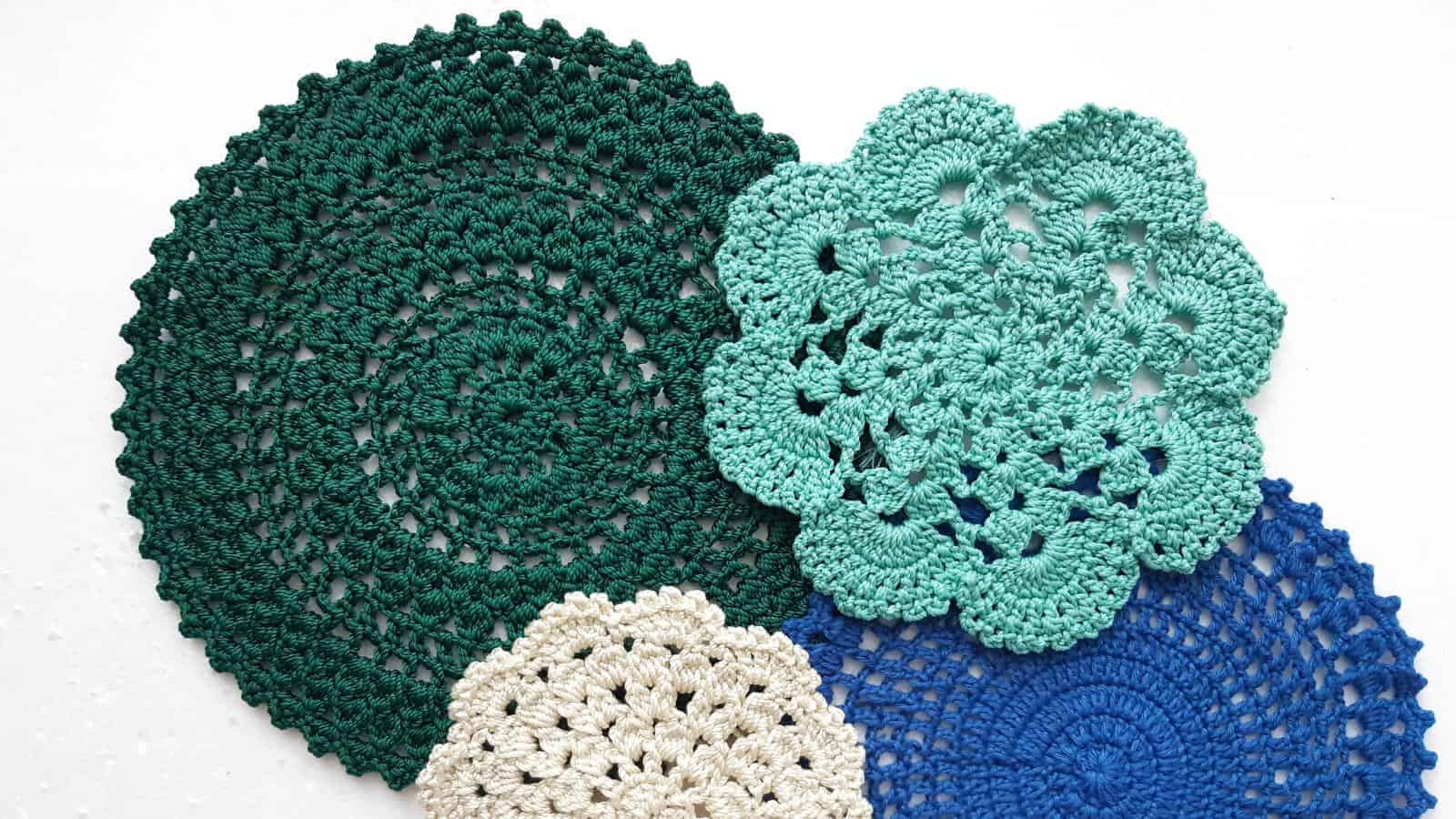
Lace accents were once a sign of elegance and feminine charm. Doilies topped dressers, end tables, and even toilet tank lids in some homes. Nowadays, they’re considered clutter by most people under 40. Minimalist styles and wipe-clean surfaces have taken over, and fragile fabric pieces just don’t fit that aesthetic.
Patterned Sofa Sets

Matching sofas and loveseats with floral or paisley upholstery were incredibly popular for decades. Bulky pieces were built to last, but their look screams a past era. Today’s younger buyers are more drawn to sleek, neutral furniture with clean lines. A big patterned couch doesn’t work in most modern spaces, and most end up given away or left on the curb.
Music Boxes

Tiny boxes that played a soft tune when opened used to be meaningful gifts given to mark birthdays, anniversaries, or other milestones. Once sweet gestures at the time, younger adults find them outdated – they collect dust, don’t serve a function, and sometimes, the music can feel more eerie than charming.
VHS Tapes

Even if the movies hold special memories, keeping stacks of VHS tapes doesn’t make sense to most younger adults. The bulky cases, outdated resolution, and lack of modern players make them more of a storage problem than a treasure. Streaming services offer nearly every movie ever made, in much better quality. Nostalgia alone doesn’t save them.
Formal Dining Sets

A matching set of fancy plates, bowls, and serving pieces used only for holidays was once a household staple. However, entertaining styles have changed, and modern tastes go for versatile options that work year-round. Because these sets are also hard to store and easily chip, many adult children decline offers to take them, or leave them boxed up in the attic.
Sewing Machines and Supplies
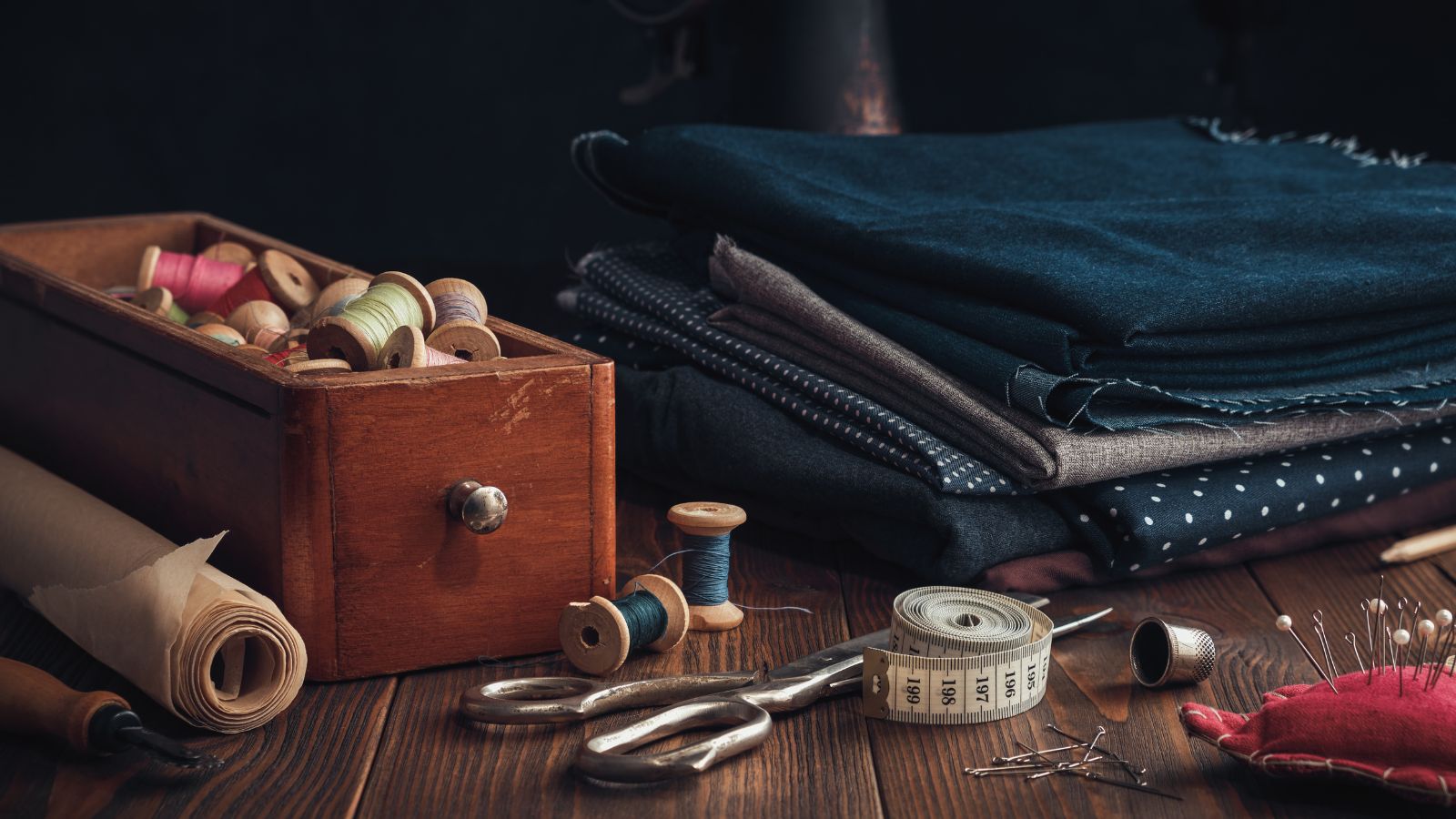
Mothers and grandmothers took pride in sewing clothes, curtains, or costumes – they kept boxes of buttons, thread, and fabric for just about every project imaginable. But fast fashion and easy online ordering have replaced the need to make things by hand.
A few might appreciate a vintage machine as decor, but most don’t want to inherit an entire setup. It just doesn’t match their lifestyle.
Doll Collections
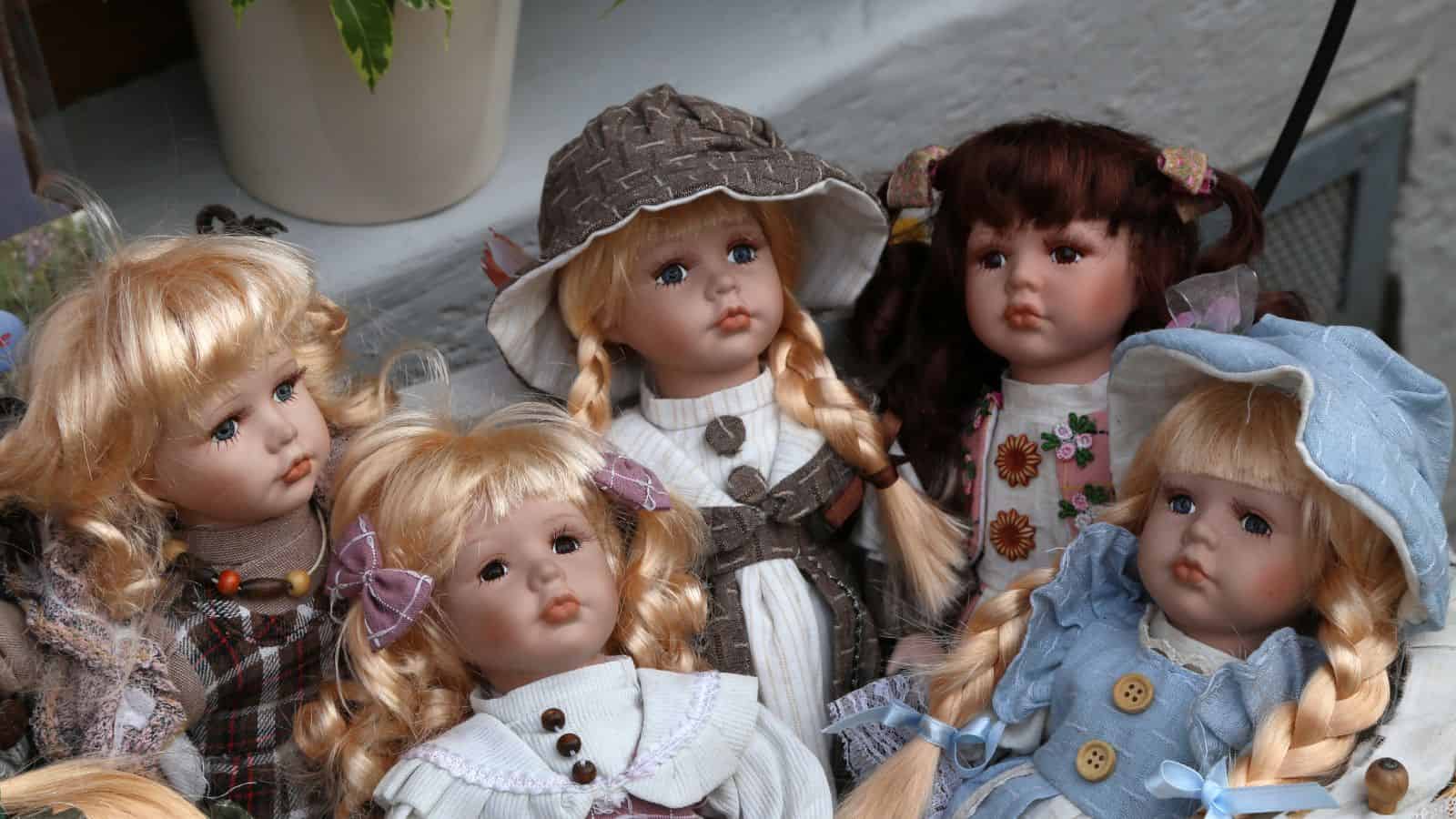
Rows of porcelain or plastic dolls in glass cases might have looked impressive decades ago, but not anymore. What once symbolized beauty or craft is now often seen as creepy or outdated. They also take up a lot of room and are hard to store safely, and usually get boxed up or donated quickly.
Holiday Villages
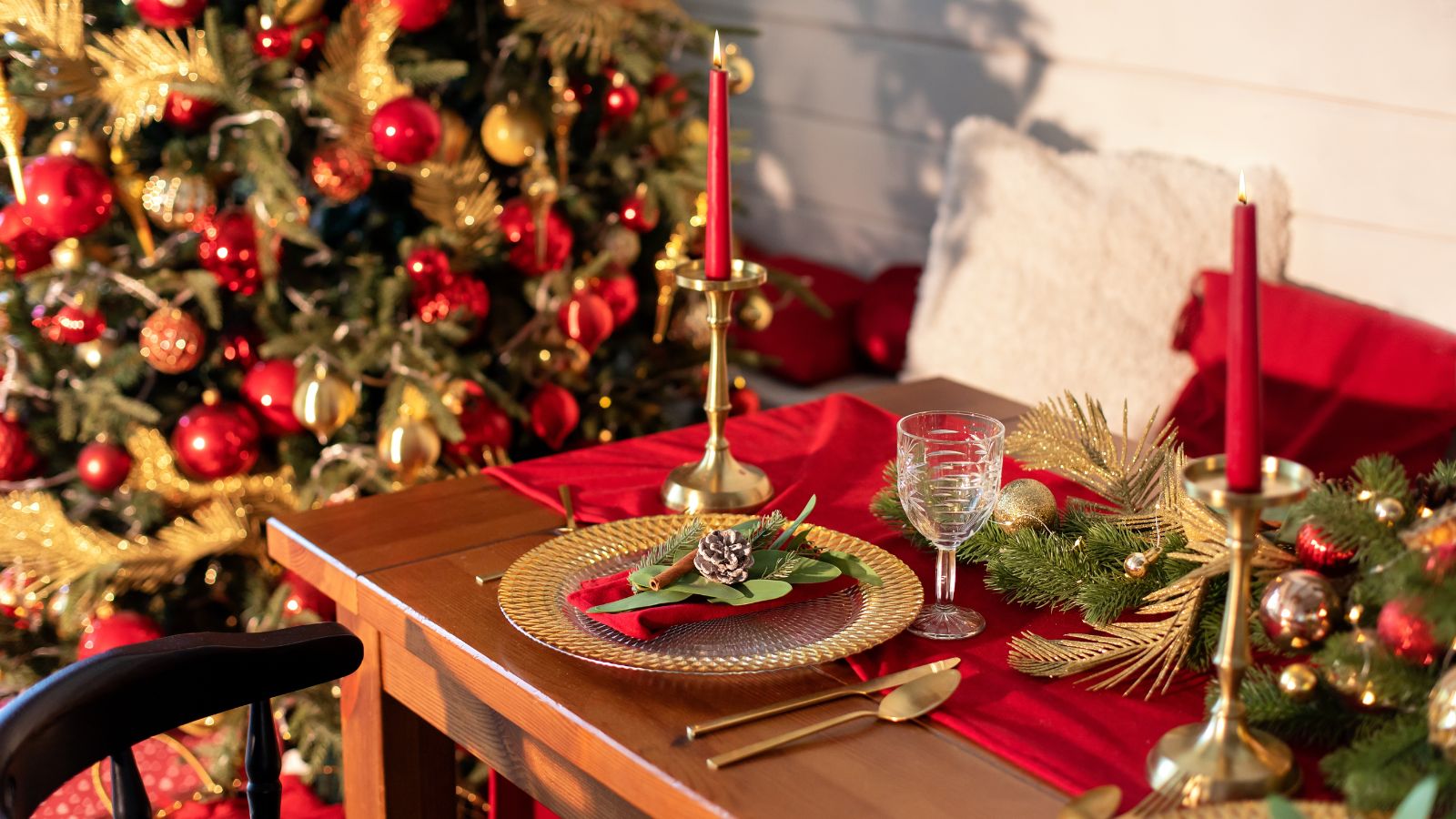
Intricately detailed ceramic houses arranged to look like tiny snowy towns were once a holiday decorating must. Baby boomers often spent years adding pieces to these collections, turning mantels and coffee tables into festive scenes. To today’s younger homeowners, that feels like a chore, not a tradition. While charming to some, these collections rarely get passed down with enthusiasm.
Magazine Collections

Stacks of National Geographic, LIFE, or TIME used to hold pride of place on shelves and in cabinets, as they were seen as both informative and collectible. Now, with everything available digitally, holding onto old magazines feels more like a storage burden than a library of knowledge. These collections often end up recycled.
Curio Cabinets

Holding everything from souvenirs to figurines to crystal, a curio cabinet once meant you had something special to show off. But changing tastes mean there’s no longer much appeal. Most adult children aren’t interested in the collections inside, let alone the furniture piece itself. It’s often one of the first things to go during downsizing.
This article includes content generated by AI.