
You may believe that being a homeowner gives you a lot of freedom, but it doesn’t mean you can handle every repair yourself. Some home improvements legally require a licensed professional, and even if you feel confident and capable, doing certain jobs without the proper credentials can lead to fines or failed inspections. Here’s what you can’t do without that all-important license.
Electrical Panel Replacement

It shouldn’t surprise you that this is one of those areas where “better safe than sorry” really applies. Electrical panels control the power throughout your house, and most states require a licensed electrician to replace or even upgrade one. And when it comes time to sell, inspectors won’t sign off on unlicensed work, and insurance companies might not cover damages either if you did the work yourself.
HVAC System Installation

You might think that it’s perfectly fine for you to put in a new heating or cooling system, but you’d be wrong. These systems involve gas lines and high-voltage wiring, all things you need training to work with safely.
Most states demand that HVAC installations be done by a licensed technician, and permits are typically a must. A poorly installed system can lead to poor air quality or even carbon monoxide leaks, so leave this one to the pros.
Gas Line Repairs

The moment gas lines come into the picture, everything changes, because any work involving them is extremely sensitive and almost always regulated. It takes special licensing to work with gas because the risks of explosions or fire are serious, and if something goes wrong, your homeowner’s insurance may not cover the damage.
Major Plumbing Changes

We’ve all fixed a leaky faucet or swapped a showerhead, but once you start rerouting pipes or installing new plumbing lines, you’ve entered the zone where licensing laws come into play. These changes usually need a permit and a licensed plumber, especially when they affect water pressure or connect to main lines. Local inspectors are trained to spot unlicensed work, and getting caught can bring hefty penalties.
Roof Replacement
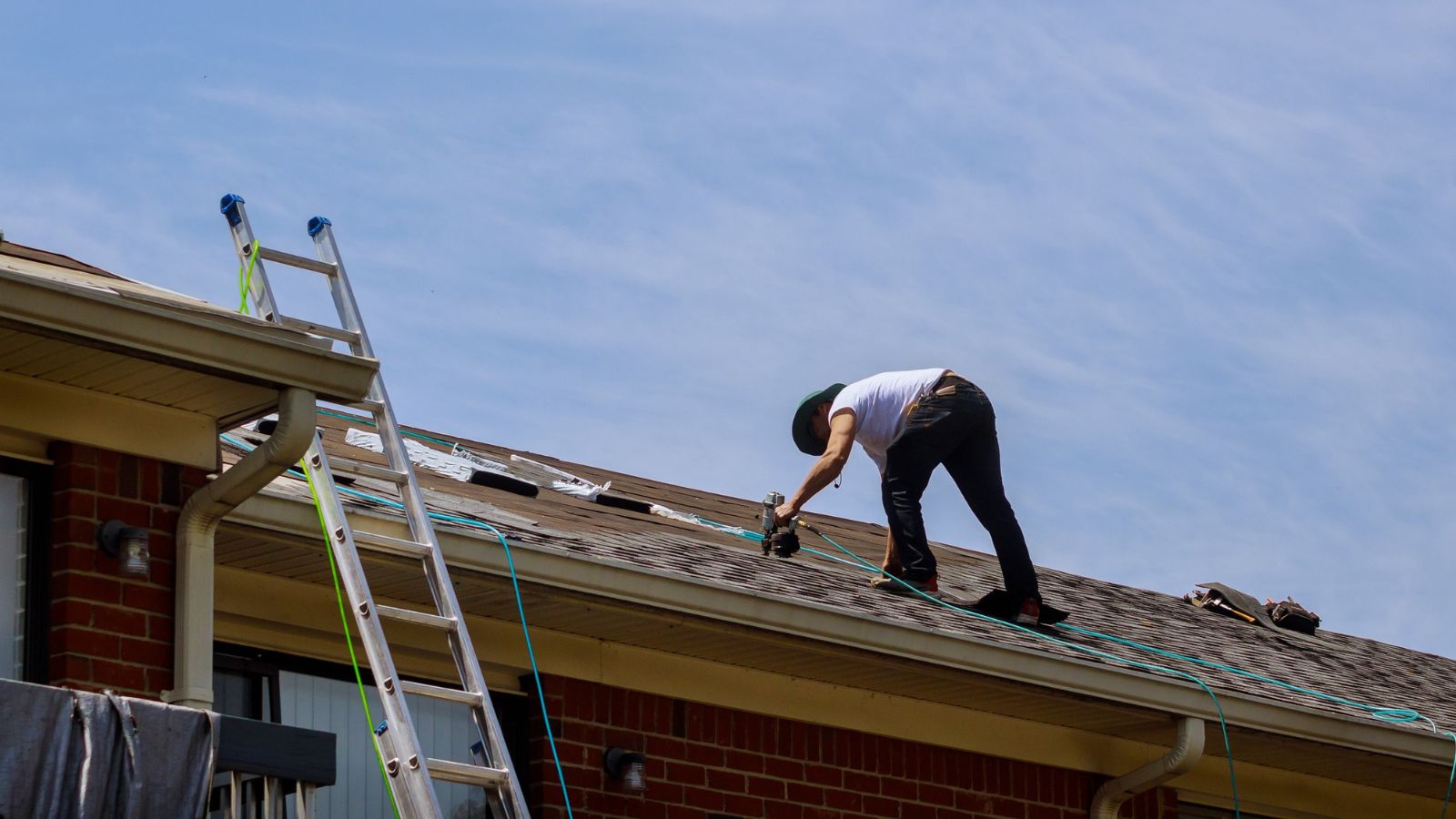
Let’s be honest, most people can fix a minor leak, but anything bigger or alterations to the structure would need permits and a licensed contractor. Roofing codes are there for a reason, and improper installation can lead to water damage or even major structural issues.
Structural Alterations

We all know that making major changes to your home’s layout, like removing a wall or adding a beam, affects its structural integrity. These types of projects are rarely legal without the help of a licensed contractor, and in many cases, an engineer too. Load-bearing walls keep your home standing, and taking one out without calculating how to redistribute the weight could cause floors to sag or ceilings to crack.
Septic System Installation or Repair

Everyone knows this isn’t the most glamorous home job, but it’s a super important one. Septic systems deal with waste disposal, and most jurisdictions have strict health and environmental rules about how they’re installed or repaired. Unless you have a license, you’re not legally allowed to do anything to these systems, because without a permit or inspection, you run the risk of soil or groundwater contamination.
Window Replacement in Historic Districts

Sure, a historic home has its perks – plenty of charm and character – but it also comes with some extra rules. If your property is in a historic district, replacing windows isn’t just a personal style choice; you’ll need approval from a local preservation board.
That process often needs licensed contractors who know how to work within the specific guidelines. Doing it yourself may feel easier, but it could violate preservation laws and lead to a costly reversal of the project.
Water Heater Installation

You might be tempted to install a new water heater yourself; after all, it just sits in a corner and heats water, right? Not quite – these appliances deal with either gas or electricity, plus water lines and sometimes even ventilation, and most cities require permits for installation.
Electrical Wiring for Remodels
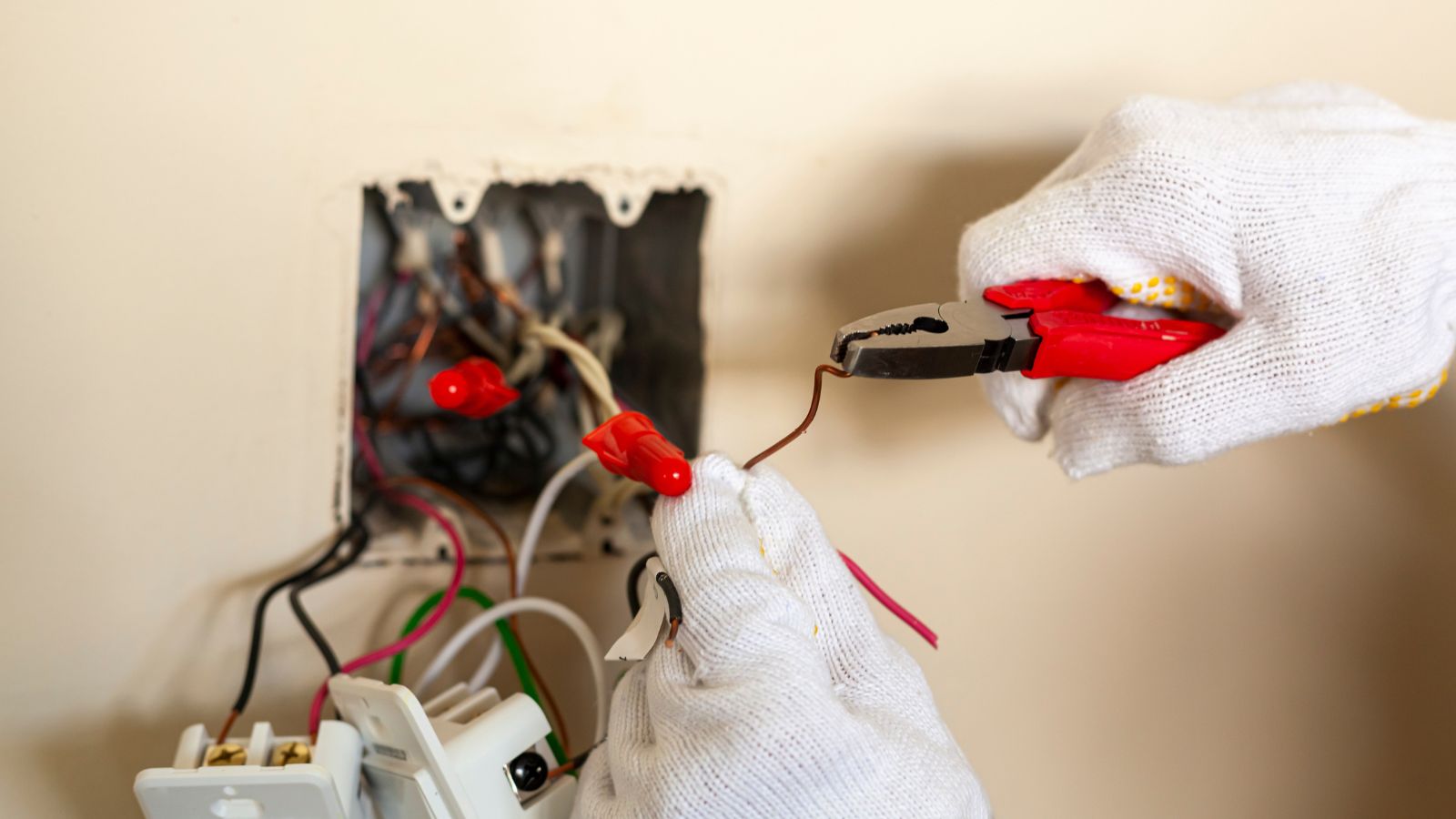
Why on Earth do people think that because they can swap out a light fixture, they can rewire their entire house during a remodel? Any time you’re adding or moving electrical circuits, permits and a licensed electrician are almost always needed, because mistakes in this area can lead to overloaded systems and fire hazards. And if unlicensed work is discovered during a home inspection, it can delay a sale or force you to redo the job at your own expense.
Garage Conversions
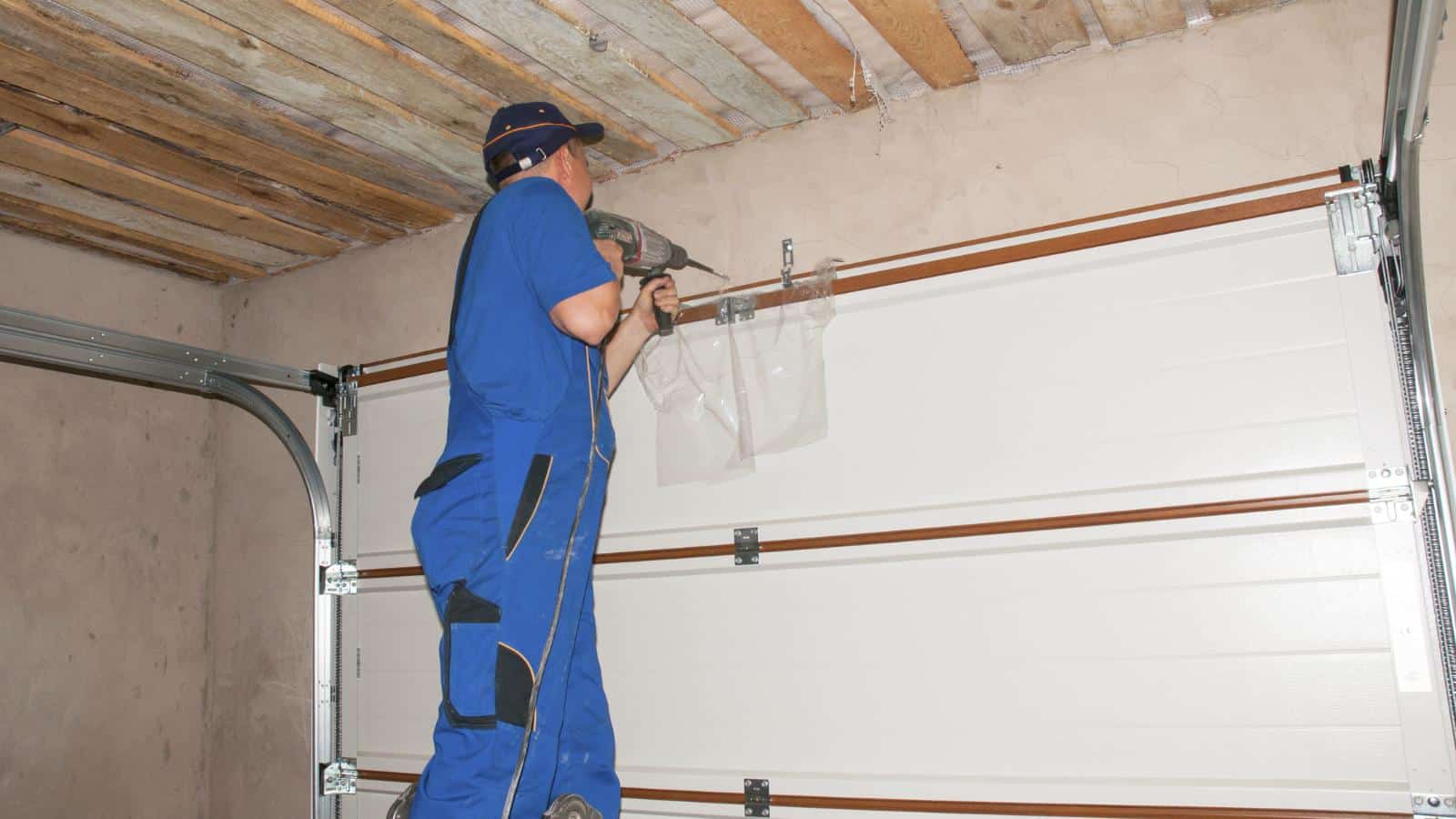
You’d think it would be easy to add value to your home by turning your garage into another usable room, but it’s not quite that simple. It’s not something you can do without going through the proper channels and getting the right permits, especially if you’re adding plumbing or electricity.
Load-Bearing Wall Demolition

We’d all love to live in an open-plan home, but tearing out a load-bearing wall isn’t a casual Saturday project. These walls are responsible for supporting the weight of your home, and removing one without proper reinforcement can cause structural damage.
Cities usually demand a licensed contractor to assess the situation and pull permits before the first hammer swing. If inspectors find out the work was done without approval, they can stop construction or even demand a full engineering review.
Fireplace Additions

There’s something cozy about the idea of having a fireplace in your home, but adding one involves more than just picking a design and lighting a match. It doesn’t matter what fuel they burn; fireplaces usually need special venting and sometimes gas or electrical connections. All of that has to meet local code, and most of it must be done by licensed tradespeople.
Raised Deck Construction

It may come as a surprise, but when constructing a raised deck, typically anything over 30 inches off the ground, you’ll likely need a permit and a licensed builder. Taller decks have safety requirements for railings and footings and are considered part of the home’s structure, so city inspectors treat them seriously. An unpermitted deck can be flagged during a home inspection or, worse, collapse under too much weight.
New Bathrooms
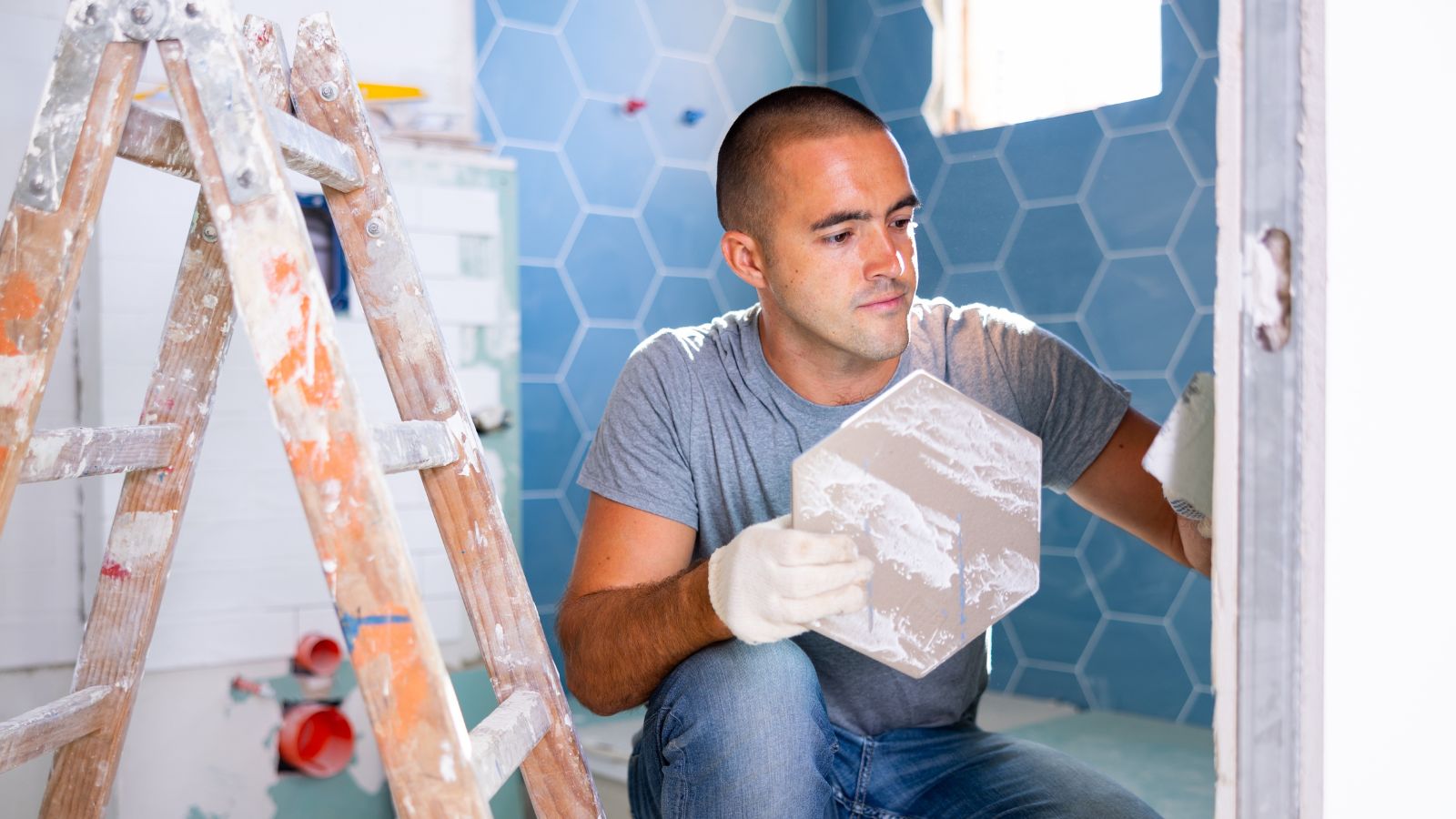
Have you ever dreamed of a second bathroom upstairs or a guest powder room? Great idea, but you’ll need to bring in professionals, because this type of project involves multiple systems, not least plumbing and electrical. Cities demand permits and inspections for bathroom additions, and many states only allow licensed plumbers and electricians to do the work.
Pool Installation and Modifications

Let’s be real; a pool is a fun upgrade, but installing a new pool or making structural changes to an existing one almost always needs a licensed contractor. Local laws are very strict here, and building inspectors won’t let it slide, so if you skip the permits, you risk being forced to shut it down or even remove it.
Sewer Line Work

It’s all too common for some people to think they can dig up and replace their sewer line when things go wrong. Spoiler alert – you can’t, because special permits and a licensed plumber are required.
These pipes connect your home to the public sewer system, and any mistakes can lead to environmental damage or contaminated groundwater. Some states even want video inspection and approval before and after the work, and doing repairs without the proper license could lead to fines.
Home Solar Systems

Solar energy is a smart move for your bills and the planet, but installing panels on your roof isn’t a weekend DIY project. These systems connect to your electrical grid and involve permits from the utility company and the city, and in many states, installation must be done by a certified, licensed solar contractor.
Some content in this article was generated with the help of AI and has been carefully edited by our team to meet our editorial standards.