
It’s surprisingly easy to pick up habits that quietly chip away at your bank account without you noticing. These behaviors might not seem like a big deal, but over time, they stop you from building savings and reaching your goals. The upside is, once you recognize these patterns, you can start making changes.
Here are 18 ways you could be unintentionally keeping yourself broke.
Eating Out Too Often

Everyone likes a night off from cooking once in a while. But if the waiter knows your order by heart, you’re probably spending too much. Preparing meals at home instead of constantly eating out can make a big difference in your monthly budget.
Paying for Unused Subscriptions

Streaming platforms and gym memberships might seem fine when you first subscribe, but if you’re not using them, they’re draining your money. It’s worth looking over your bank statements and dropping anything you’re no longer watching, using, or enjoying regularly.
Impulse Shopping

Stores and websites do a great job convincing us to buy on the spot, but that doesn’t mean you have to give in. Being more aware of what you buy and waiting before making purchases can help.
A simple 24-hour pause lets you see if it’s something you genuinely want.
Not Comparing Prices

Grabbing something without checking other options could be costing you as skipping price comparisons may lead to missing out on deals.
It’s always good to spend a few minutes looking at different retailers or websites and you’ll find that this often leads to noticeable savings. Furthermore, it will leave room in your budget for other things.
Saying “Yes” to Every Social Invitation

We all know that spending time with your friends is great fun, but it adds up when every outing costs money. If your calendar’s full of dinners and trips you can’t afford, it’s okay to say no. There’s nothing wrong with cheaper hangouts or staying in once in a while, as this can help you stay on track.
Neglecting to Track Spending

It’s hard to keep your money in check if you’re not tracking where it’s going. When you don’t monitor spending, going over budget becomes too easy. A tracking app or even a basic spreadsheet helps you spot patterns and find areas where you can trim costs.
Using Payday Loans

Unfortunately, many people fall into the trap of payday loans, and they can cause serious problems for you down the road. While short-term payday loans may seem like a quick fix, they usually come with high interest and hidden fees. These loans often create more issues than they solve.
Alternatives like borrowing from someone close or asking about payment plans can help without piling on debt.
Overspending on Housing

Housing is usually the largest monthly cost, but there are ways to lower it. Experts often suggest your rent or mortgage stay below 30% of your take-home income in order to maintain a realistic budget.
If you’re paying much more, it might be worth thinking about downsizing or moving to a less expensive place.
Relying Too Much on Credit Cards

Many people like how easy credit cards make spending, but leaning on them too often can trap you in a constant loop of debt. As you know, interest charges build fast, and paying them off gets harder. Instead, try switching to debit or cash for daily spending so you can better manage your budget.
Ignoring a Budget

Budgets only help if you actually stick with them. When you don’t follow one, it’s simple to lose track of spending and go overboard. Even small purchases here and there can turn into a bigger issue. The best way to combat this is to have a realistic budget that helps you stay focused on saving and spending with more intention.
Not Building an Emergency Fund
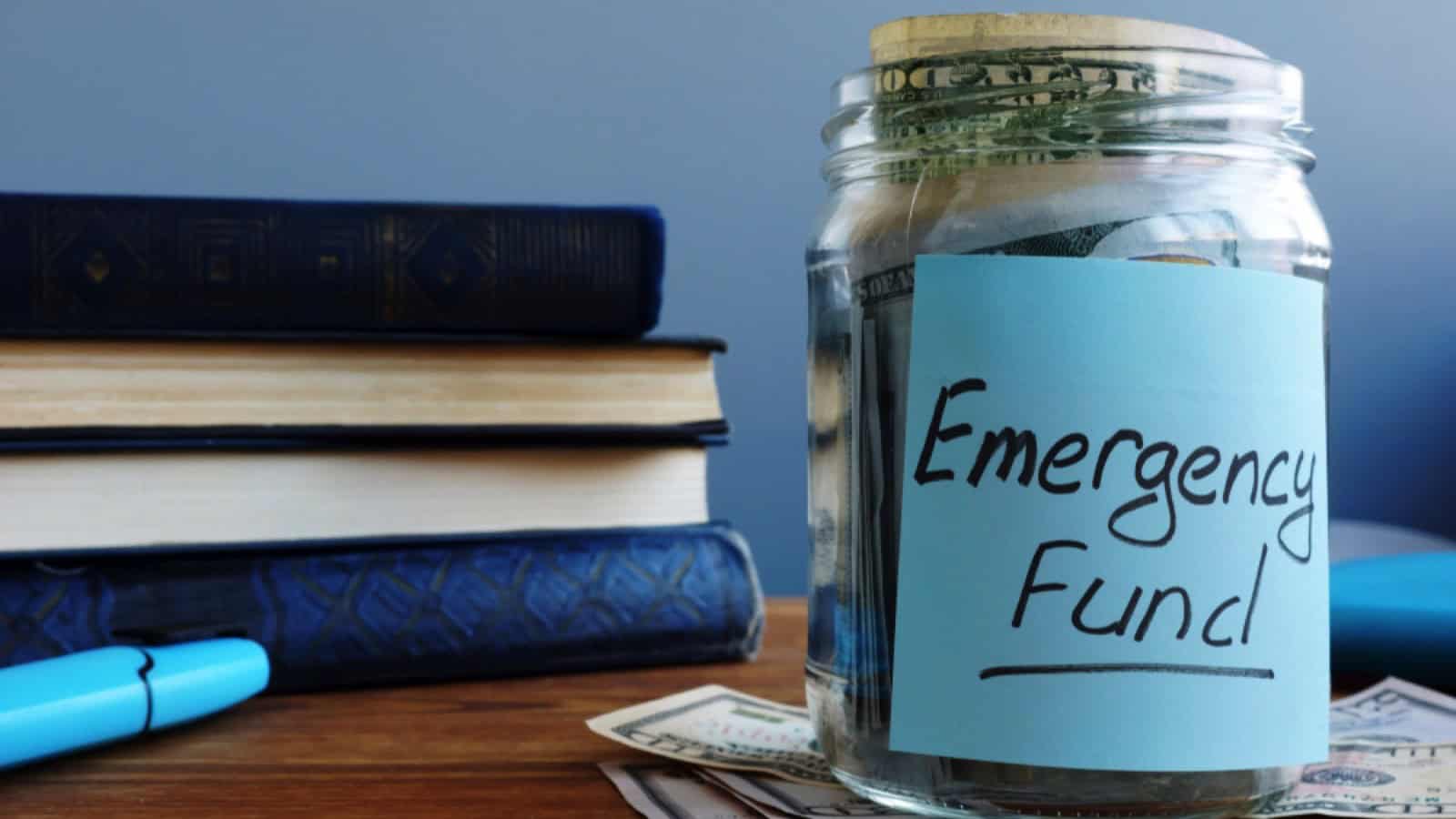
Plenty of folks forget how helpful an emergency fund can be. Living without one means you’re not prepared for surprise expenses like a medical bill or car issue. Without backup money, you might need to depend on loans or high-interest credit to stay afloat.
Even a small fund can be the difference between a short-term setback and long-term debt. Aim to set aside enough to cover at least a few months of basic expenses.
Skipping Bills or Making Late Payments

Missing payments or being late can cost you more than expected. Late fees add up and damage your credit history. One way to stay on top of bills is by setting automatic payments or reminders, which helps avoid extra costs and keeps your score in better shape. Over time, better credit gives you access to lower interest rates and better loan options, making it easier to stay in control financially.
Falling for Lifestyle Inflation

Once your earnings go up, it’s tempting to start spending more on gadgets, holidays, or upgrades. While treating yourself is fine now and then, making a habit of it can stop you from saving money. The more your spending grows with your income, the harder it becomes to build lasting wealth.
Avoiding Financial Planning

Not having a clear plan with goals makes it easy to waste money without realizing it. Skipping financial planning means reacting to problems instead of being ready. It may seem daunting, but creating a plan doesn’t have to be too complicated, and just knowing what you’re working toward can help guide your choices.
Whether it’s retirement, a home, or just more peace of mind, having a target helps keep your finances focused.
Overlooking Insurance

Skipping out on insurance policies, whether it’s for health, renters, or life, leaves you exposed when things go wrong. Premiums may feel like a pain now, but not having coverage can lead to massive costs later on. It’s a protective layer worth having in your plan.
Paying Minimums on Credit Cards

Minimum payments might sound affordable, but they keep you in debt longer and stack up interest. Whenever you can, pay more than the minimum, especially on high-interest cards. Carrying balances for months or years means you’ll pay far more than the original purchase price.
Not Negotiating Bills

Most people assume their monthly bills can’t be changed, but that’s not true. You can often call your internet, cable, or phone company and ask for a better deal. Many providers have unadvertised discounts or loyalty rates – they just don’t offer them unless you ask.
Ignoring High-Interest

Letting debt with high interest hang around too long can really hurt your finances. If you’re serious about improving your situation, start knocking out those balances.
Whether you use the avalanche or snowball method, getting rid of costly debt clears space for future savings.
UP NEXT:
19 Outdated Décor Items That Make Your House Look Cheap
15 Common Things From the 1970s That Have Been Banned From Society
People With Serious Anger Issues Say These 19 Things a Lot
This article includes content generated by AI.