
Hanging onto stuff we don’t need has become a national habit, but 2025 is shaping up to be the year we finally break free from unnecessary clutter. . If your closets and drawers are stuffed with things you’re keeping just because “maybe someday” or “I remember when,” here are 17 things everyone else is tossing this year – and why you should too.
Old Cell Phones
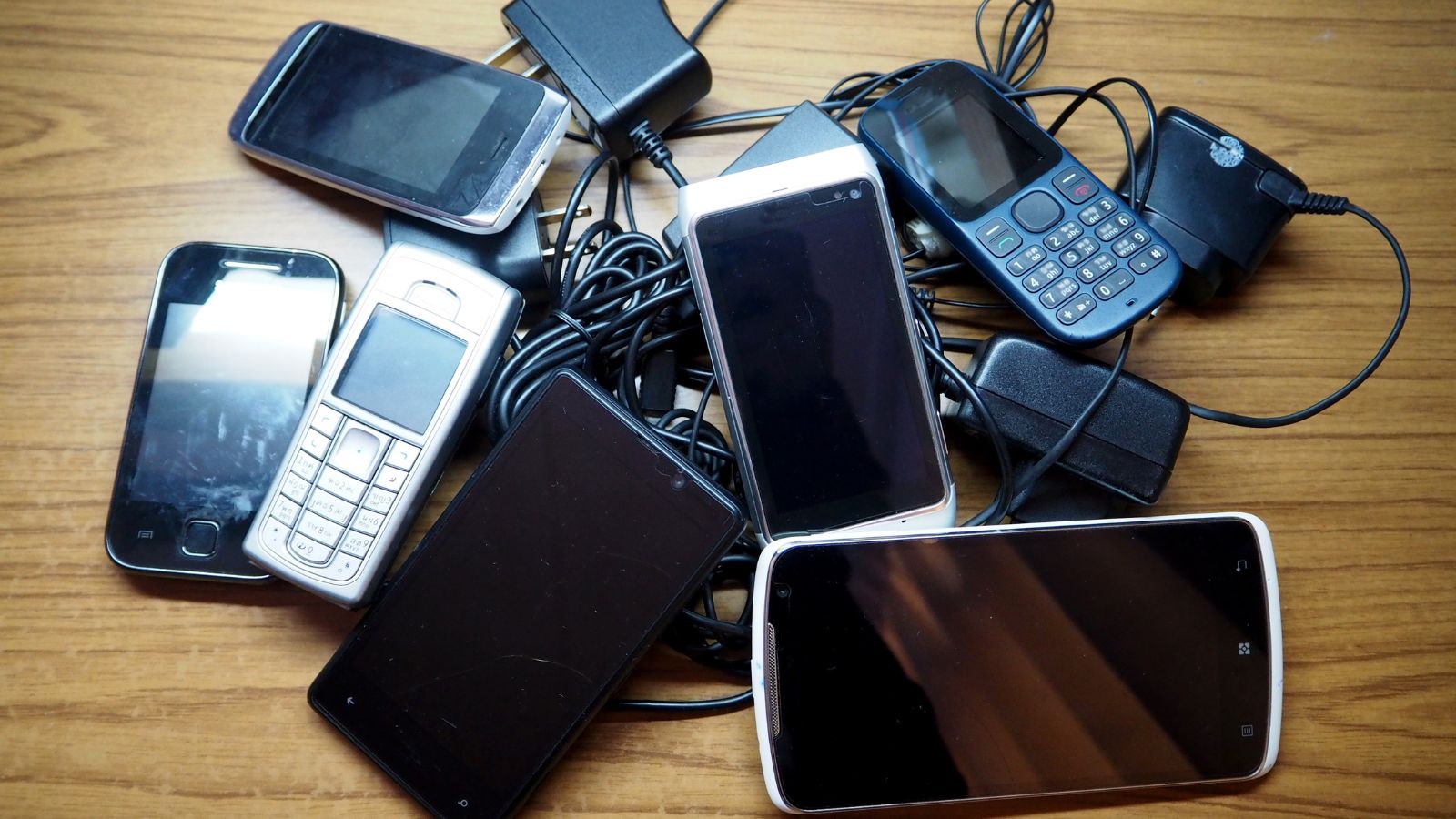
Nearly everyone has that drawer or box containing ancient phones we haven’t touched in years. Think about it – these outdated devices run too slowly for modern apps, have terrible battery life, and take up valuable space in your home.
Instead of letting them gather dust, consider taking them to electronic recycling centers where they can be properly processed to reduce environmental impact.
Worn-Out Tupperware
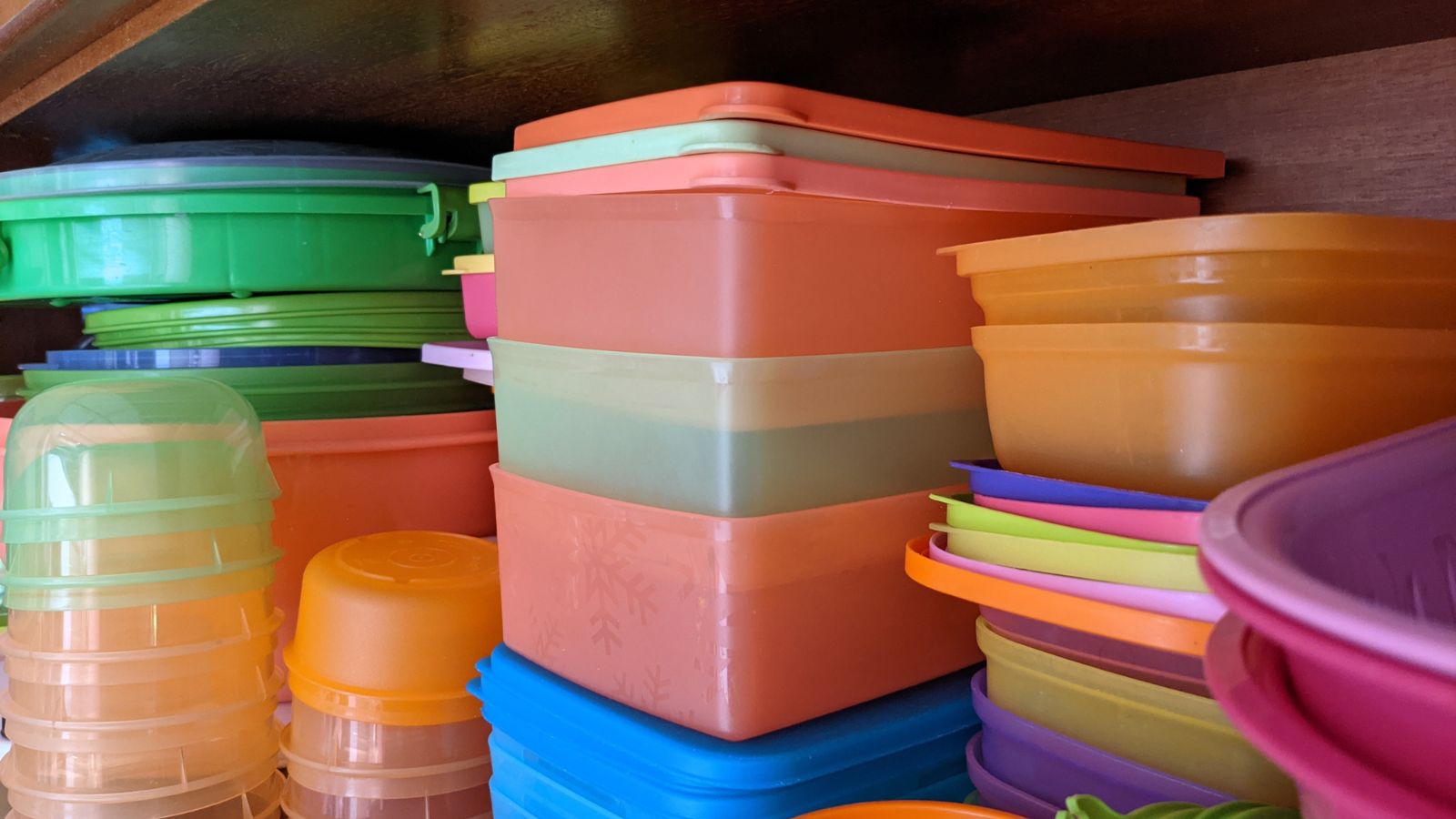
Face it – these mismatched food storage disasters aren’t worth keeping around. The trend this year involves replacing this plastic chaos with durable glass containers or high-quality BPA-free alternatives that will last longer and keep food fresher.
Your future self will thank you when everything actually stacks neatly and each container has its proper lid.
DVDs and CDs

Unless you own rare collector’s items or special editions with sentimental value, those towers of plastic cases are simply wasting precious space in your home. Many people are finally acknowledging they haven’t actually used a DVD player in years and are donating or recycling their collections. Libraries, thrift stores, and specialized buyback programs can give these relics new life.
Old Makeup

Beauty products aren’t meant to last forever, despite how many of us treat them. That mascara from two years ago? The foundation that’s separated into layers? They need to go immediately. Using expired cosmetics can cause serious skin irritation, eye infections, and other health problems that simply aren’t worth risking.
Furthermore, makeup artists recommend replacing mascara every three months, foundation yearly, and checking all products for changes in smell, texture, or color.
Single-Use Plastic Bags

Environmental awareness has reached a tipping point where reusable shopping bags aren’t just for eco-warriors anymore – they’re mainstream necessities. Many stores now charge for plastic bags or have eliminated them entirely, making this the perfect time to recycle your existing stash and switch to sturdy, washable alternatives.
Outdated Tech Gadgets
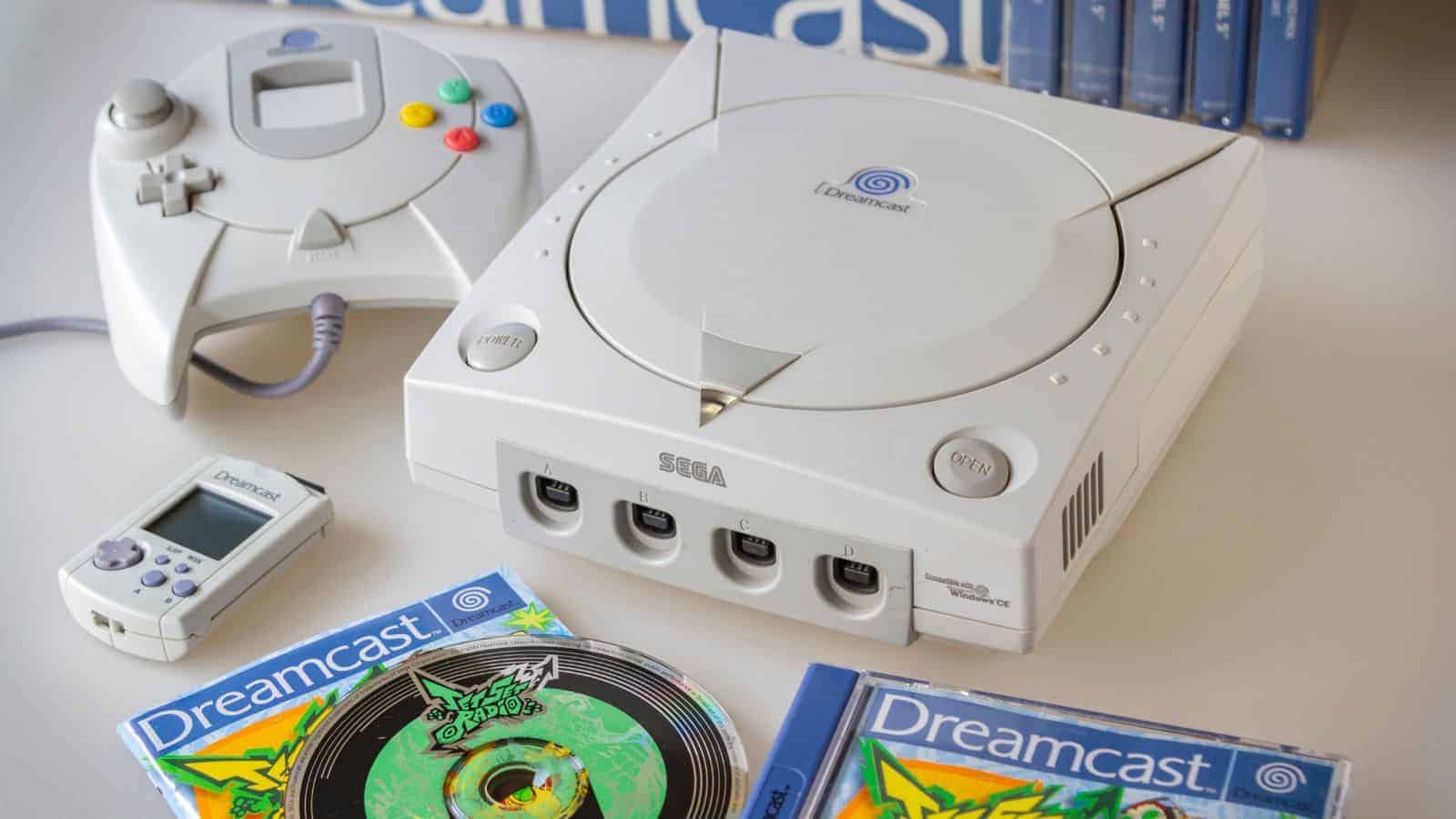
Beyond just phones, many homes are filled with defunct tablets, broken headphones, and old gaming systems. These devices take up significant space while serving absolutely no purpose.
E-waste recycling centers can properly dismantle and recycle components from these obsolete gadgets, while items still in working condition might find new homes through donation programs that support schools, community centers, or families in need.
Paper Bills and Statements
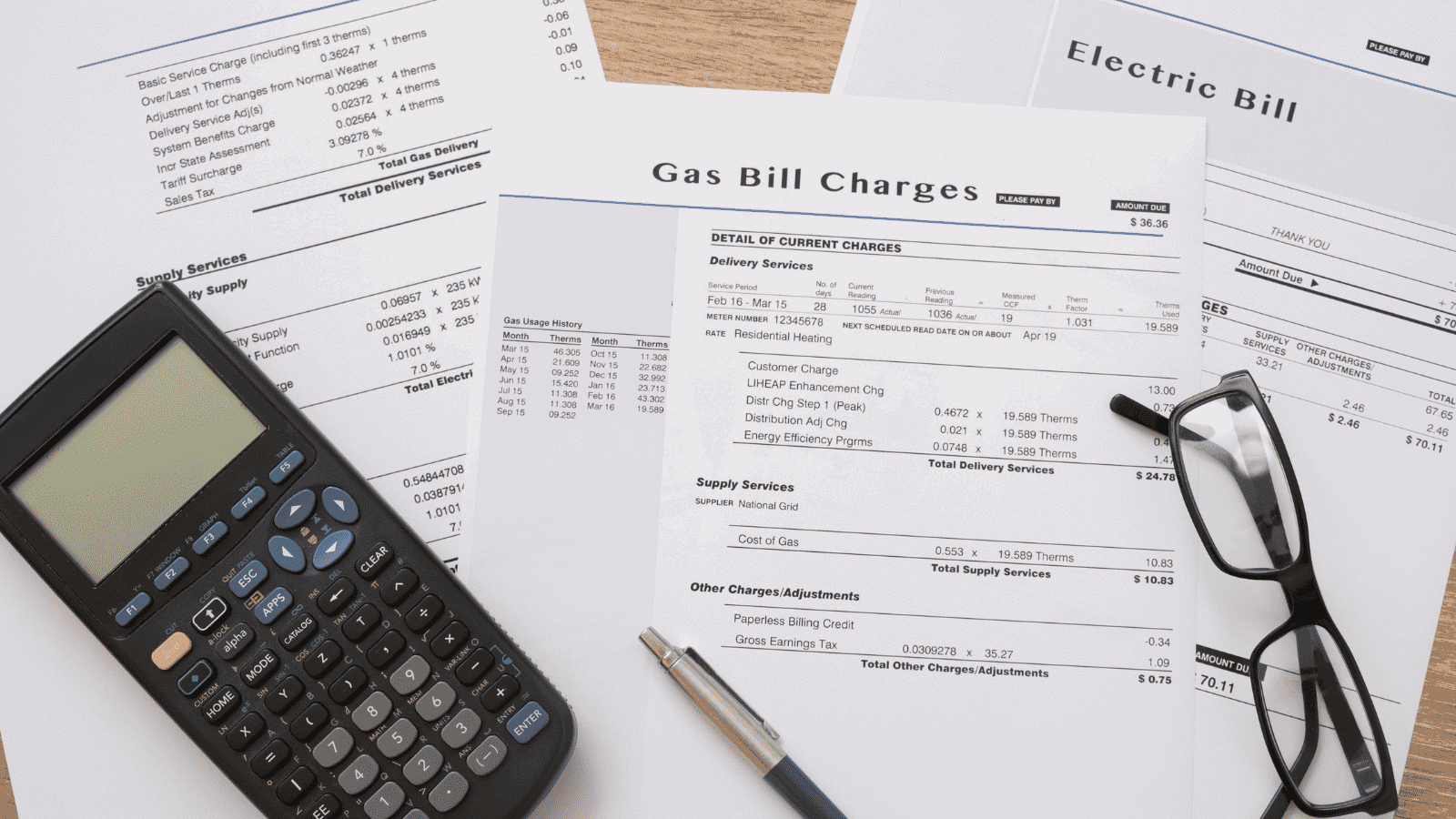
Digital banking has made physical records largely unnecessary for most people. Financial experts recommend shredding these documents after they’re no longer needed for tax purposes (generally 3-7 years, depending on the document).
Old Towels and Linens

Rather than hoarding old towels and linens, repurpose them as cleaning rags or donate them to animal shelters where they’re always needed. Replacing them with fresh, quality linens transforms your daily routine into something more luxurious.
Even a modest upgrade in this department can make your morning shower or bedtime ritual feel significantly more pleasant.
Kitchen Gadgets You Never Use
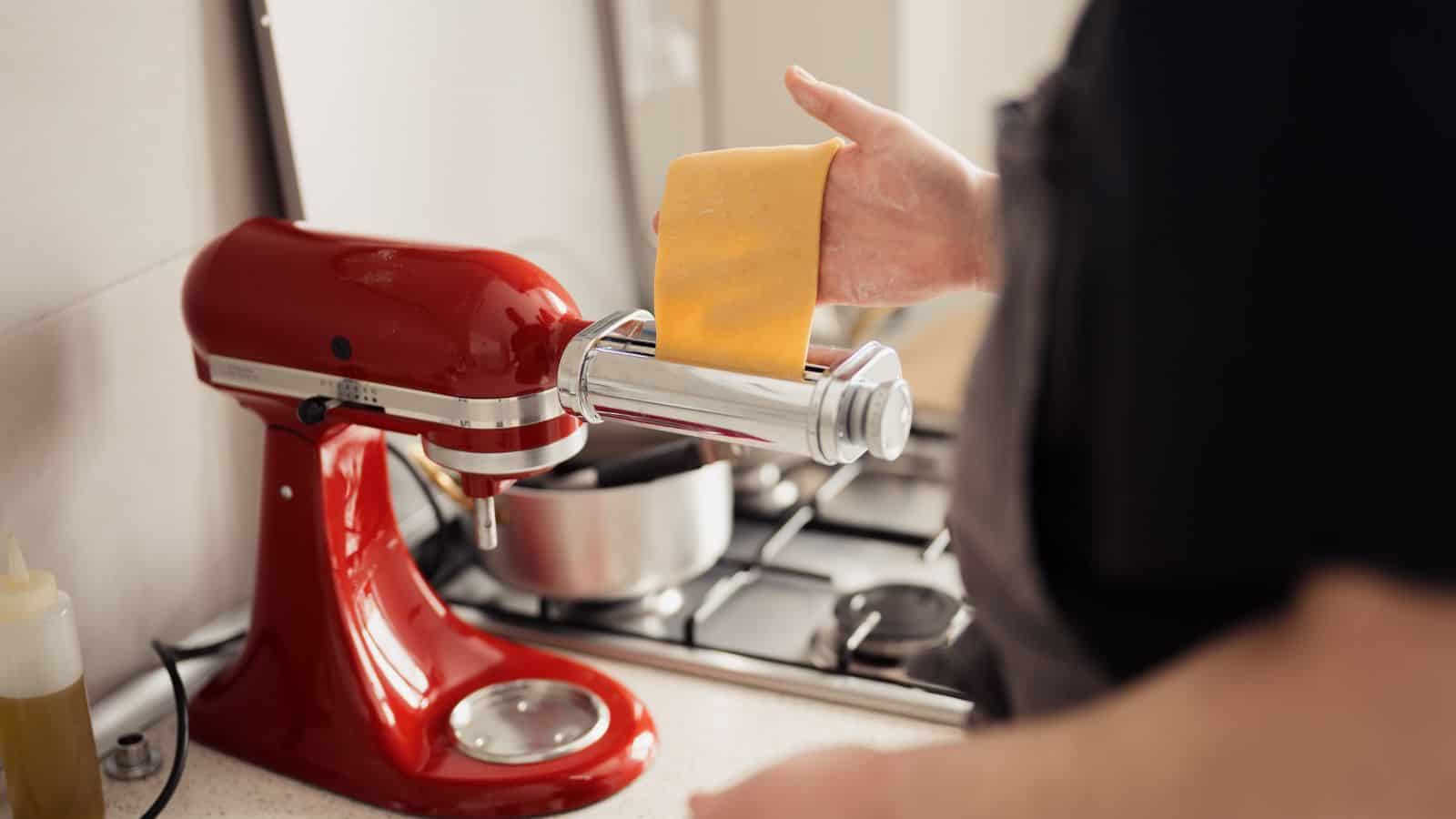
Remember that pasta maker you used exactly once? What about the air fryer that seemed revolutionary until it wasn’t? Kitchen drawers and cabinets everywhere are stuffed with single-purpose gadgets that promised culinary transformation but delivered only disappointment and clutter. Professional organizers suggest being brutally honest – if you haven’t used something in a year, it deserves a new home.
Unread Books

Literature lovers find this particularly difficult, but the reality is that those unread volumes aren’t serving anyone sitting untouched year after year. Local libraries, schools, and literacy programs would welcome these donations, putting the books into hands that will actually open them.
Keep only what you truly plan to read or reference, and let the rest find readers who will appreciate them.
Old Chargers and Cables

USB styles have changed multiple times, proprietary chargers have become obsolete, and yet many of us keep every cable from every device we’ve ever owned. Tech experts recommend sorting through this electronic spaghetti and keeping only what fits your current devices plus perhaps one backup. Everything else can be recycled at electronics drop-off points, freeing you from cable chaos forever.
Clothes You Don’t Wear
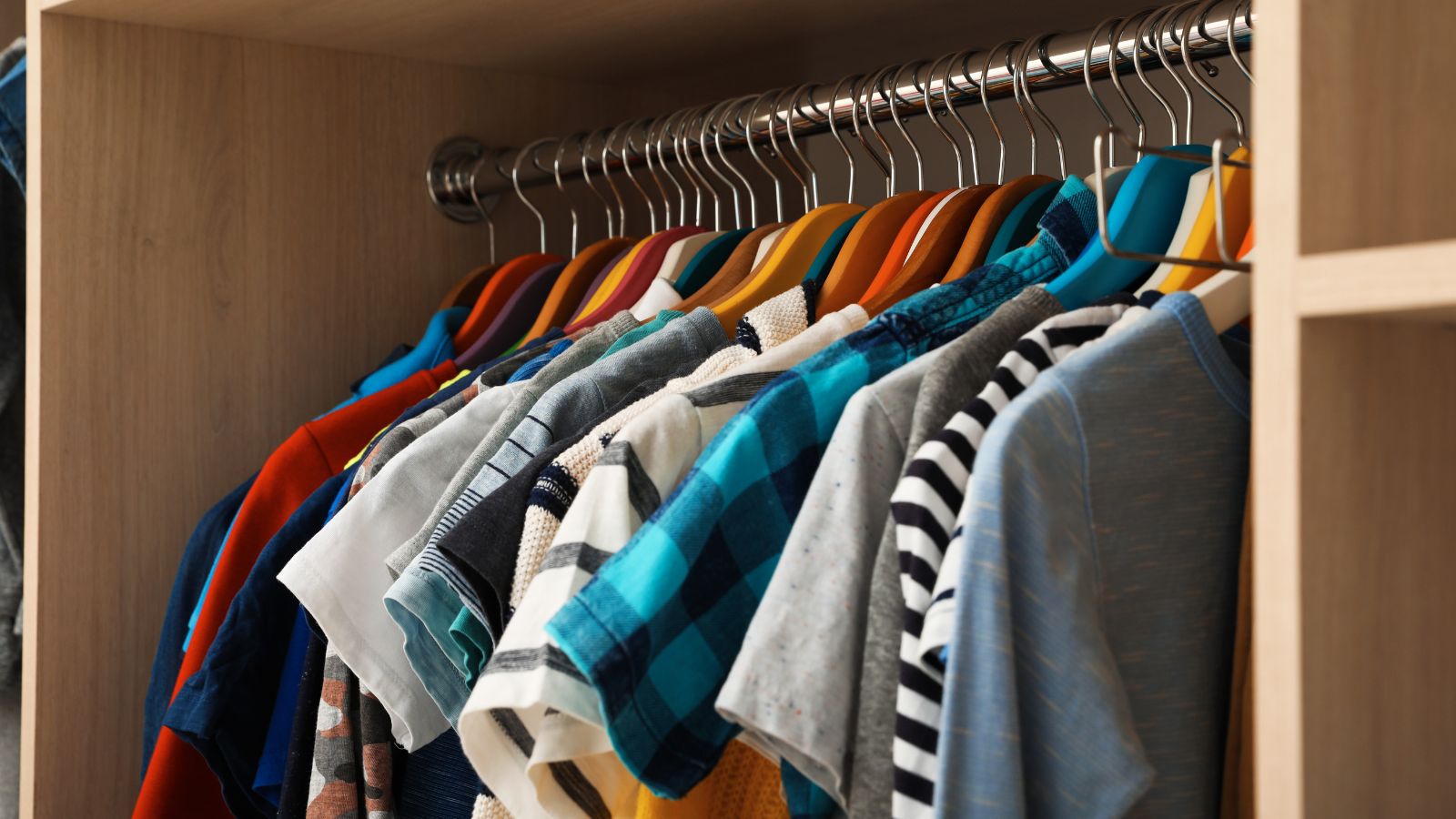
Maintaining a wardrobe of only items you actually wear and enjoy makes daily decisions easier and brings genuine pleasure back to getting dressed.
Fashion consultants suggest applying a simple rule: if you haven’t worn something in the past 12 months (allowing for seasonal items), it’s time for it to go.
Plastic Water Bottles

Single-use plastic water bottles have fallen dramatically out of favor as awareness of their environmental impact has grown. Beyond the environmental benefits, reusable bottles actually save substantial money over time and don’t leach microplastics into your drinking water.
Stainless steel, glass, and high-grade BPA-free plastic options offer better drinking experiences while making a positive statement about your environmental values.
Unused Exercise Equipment
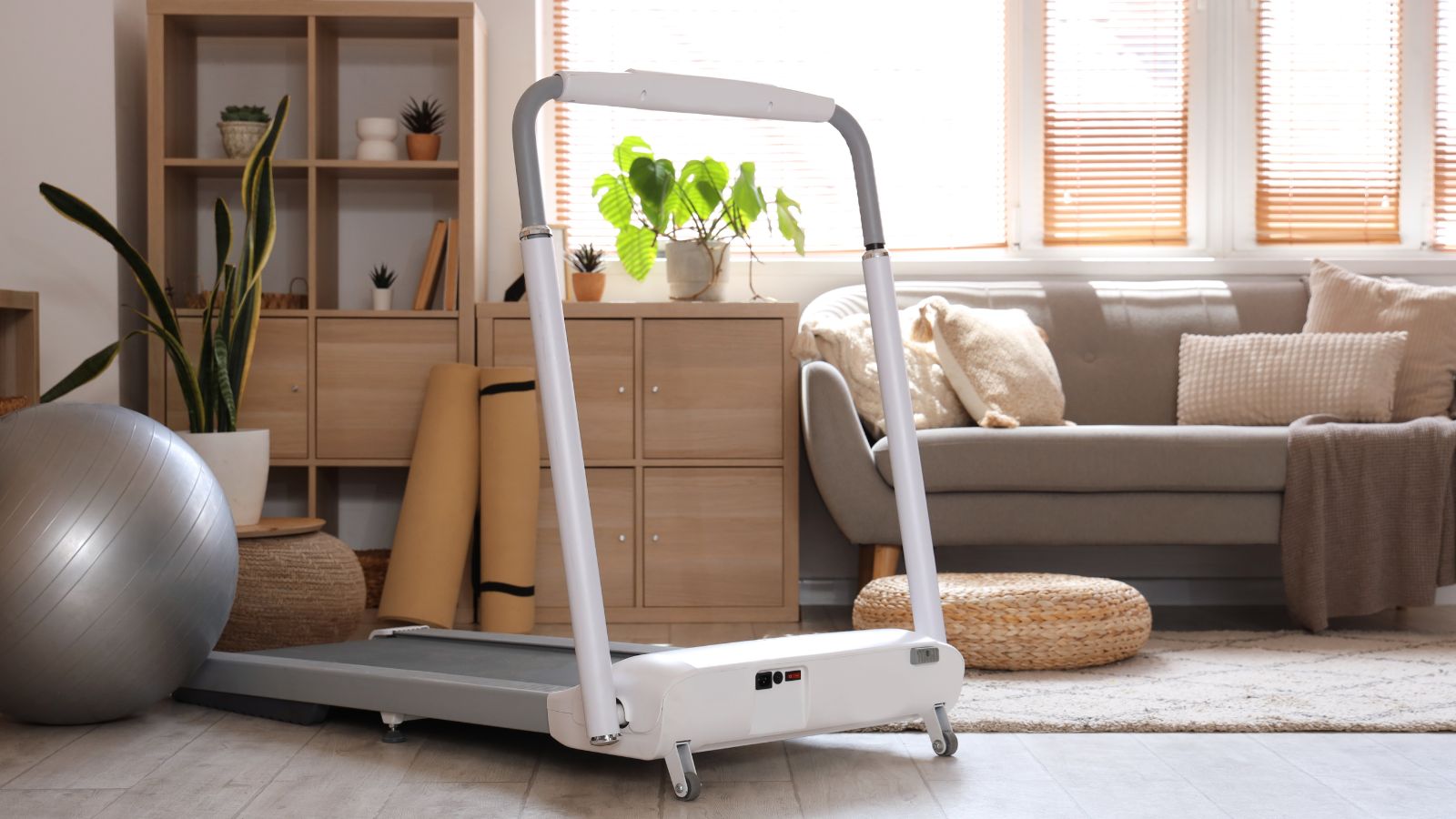
Home gyms across America house expensive fitness equipment that’s morphed into expensive clothing racks over time. That treadmill gathering dust in the corner or those weights you haven’t lifted since buying them represent both wasted space and missed opportunities. Selling or donating these items allows someone else to enjoy them while freeing up significant space in your home.
Expired Pantry Items
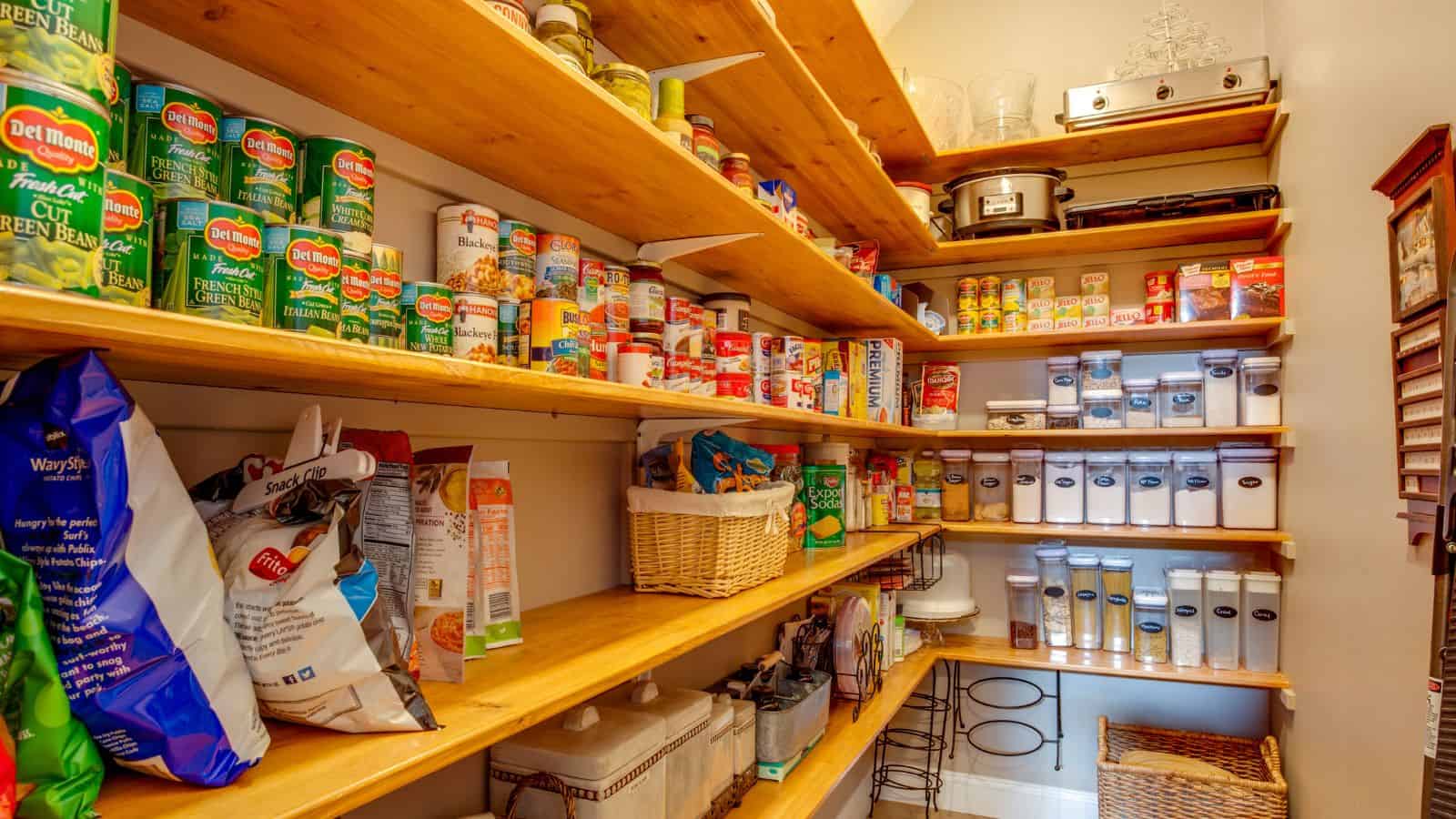
Nutrition experts suggest a complete pantry audit at least annually to dispose of expired items, which creates more space and visibility for ingredients you’ll actually use. This prevents waste and improves your cooking by ensuring everything is fresh.
Decorative Trinkets

Interior designers increasingly recommend curating decorative objects carefully, keeping only those with genuine sentimental value or aesthetic appeal. Random tchotchkes, souvenir shot glasses, and decorative plates that don’t bring joy can be donated to thrift stores where someone else might discover them with fresh appreciation.
Surfaces with fewer, more meaningful items create a sense of calm and intentionality.
Outdated Furniture
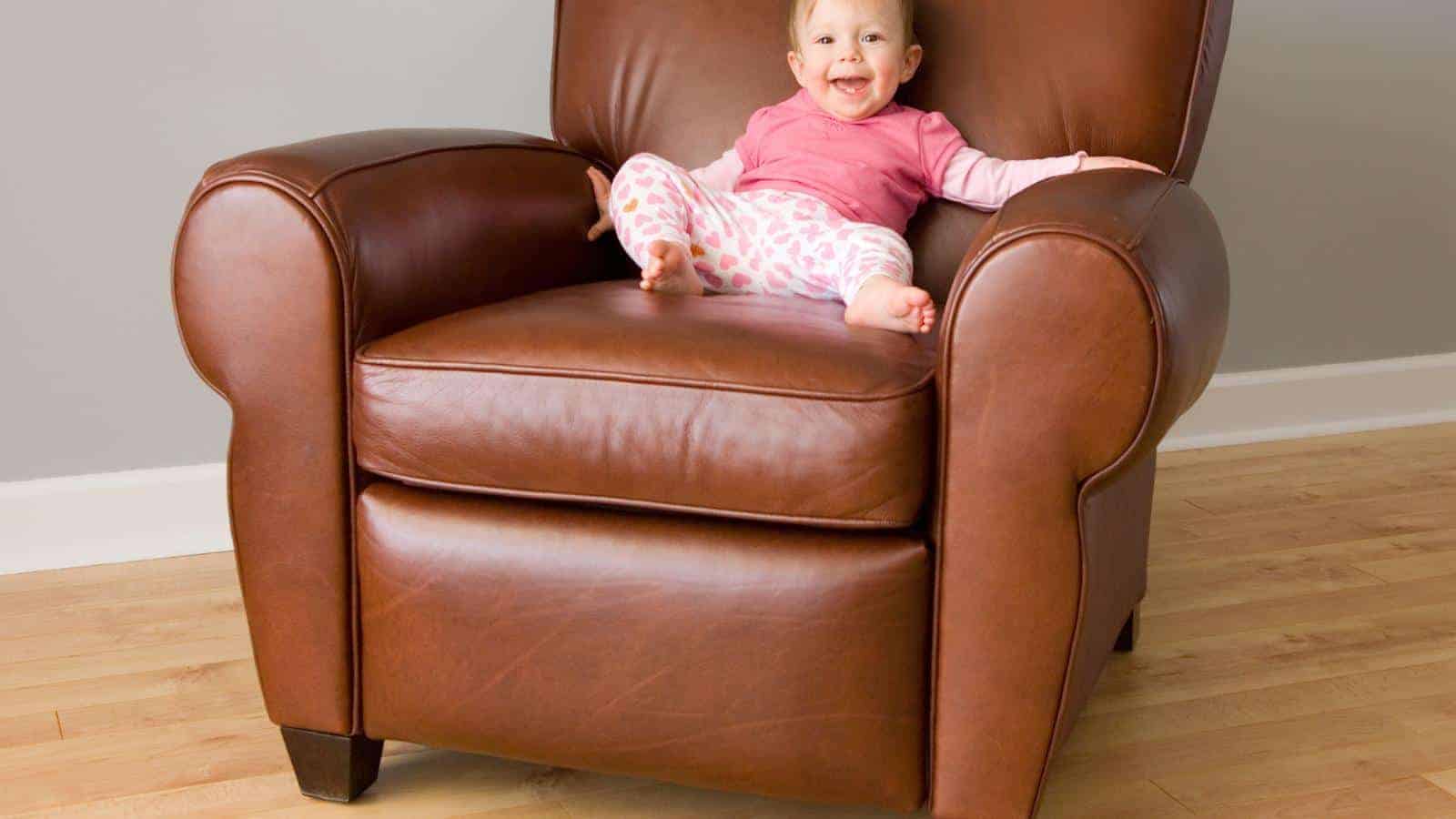
That oversized entertainment center from the 1990s, the uncomfortable futon nobody uses, or the coffee table that’s constantly in the way – these space-hogging items dramatically affect how you experience your home every day. Removing even one inappropriate furniture piece can transform a room’s flow and functionality.
And more importantly, items in good condition can benefit others through donation centers or marketplace sales.
UP NEXT:
Millennials Don’t Want These 17 Products, and It’s Impacting Businesses
Restaurant Rip-Offs: 17 Menu Items That Are Never Worth Ordering
16 Things You’re Donating to Charities That They’re Actually Throwing Away
This article includes content generated by AI.