
Younger generations are changing the way we live and spend our money, and a lot of stuff that used to be considered essential just doesn’t have the same value anymore. Gen Z and millennials in particular are quietly leaving some once-popular products behind, including these 17 items that are slowly disappearing.
Cable TV Subscriptions

Once considered a must-have in every American household, cable TV is now seen as expensive and outdated by younger consumers. The idea of flipping through hundreds of channels, most of which you don’t even watch, feels like a chore – not to mention sitting through endless commercials.
Landline Phones

At this point, a landline feels like paying for a fax machine because it’s just not part of modern life, even though there was a time when having a home phone number was as basic as having a mailbox. Young people aren’t just ditching them because of convenience, they genuinely don’t see the point thanks to texting and FaceTiming.
Physical Maps and GPS Units

Remember unfolding a giant paper map in the car or sticking a GPS unit to your windshield? Yeah, those days are long gone thanks to smartphone navigation apps being so reliable and constantly updated, so there’s just no real need for physical maps or separate GPS devices anymore.
Formal China Sets

Elegant and usually gathering dust – those formal china sets just don’t fit into everyday lifestyles for most teenagers or young adults. These were once considered a rite of passage or an essential wedding registry item, but now they’re often seen as impractical and taking up far too much space.
Alarm Clocks

The glowing red numbers of a digital alarm clock used to be a common sight on every nightstand, but now, not so much. Smartphones have completely replaced the need for standalone alarm clocks, and people use them to set multiple alarms, customize wake-up tones, and even wake up to Spotify playlists or calming nature sounds.
DVD and Blu-ray Players

Digital storage means people can own movies or shows in the cloud, where they don’t take up space or get lost, so for consumers in their younger years, DVDs and Blu-rays feel clunky and kind of unnecessary in a world of instant access.
Physical media is quickly being replaced by streaming services thanks to platforms like Netflix, Disney+, Prime Video.
Fabric Softener

For generations, fabric softener was part of the laundry routine without question, yet many just don’t see the benefit anymore when it’s an extra product at an extra cost. There’s also increasing concern about the chemicals used in fabric softeners and how they might impact sensitive skin or the environment.
Doorbells
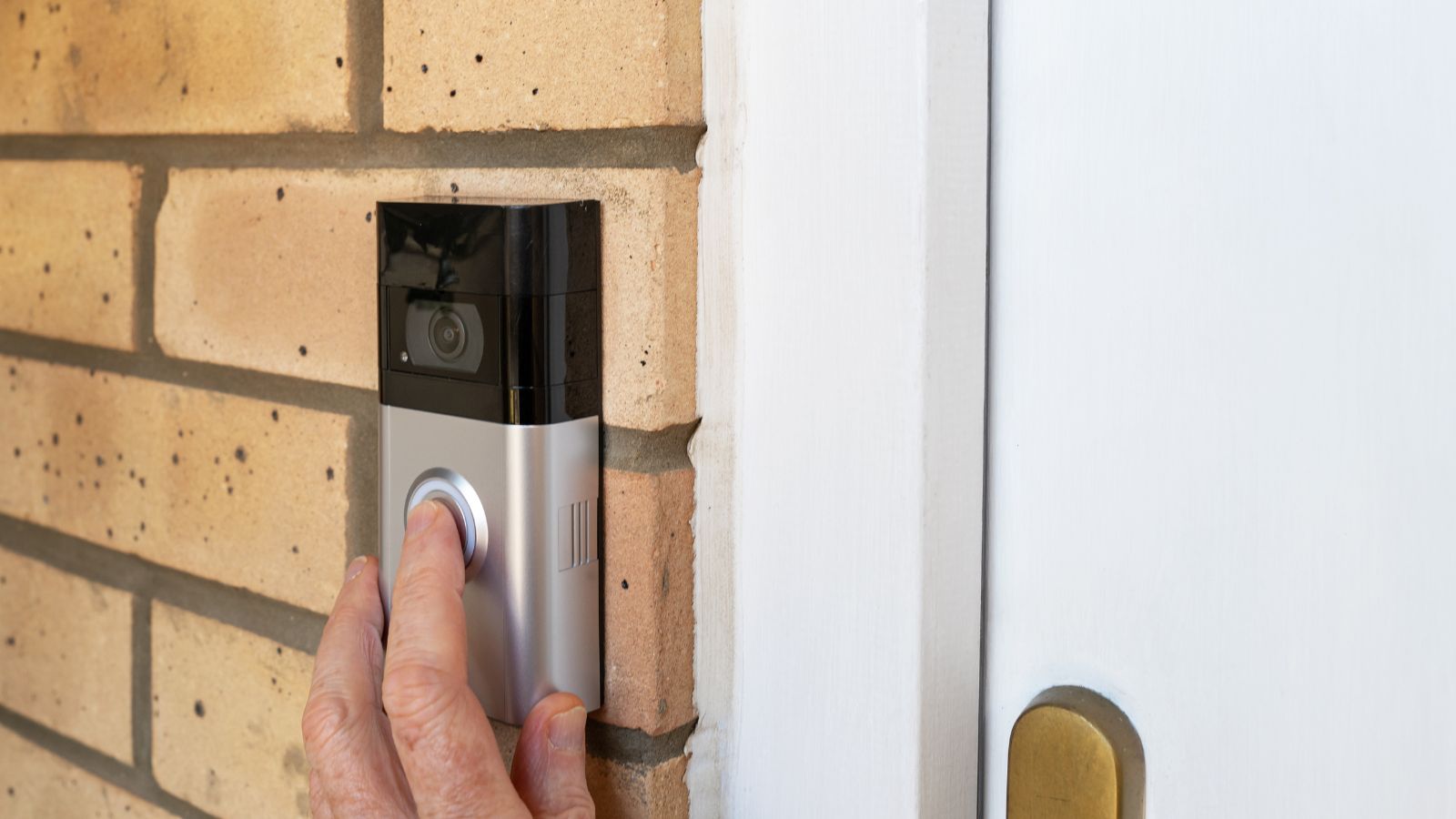
It might sound a little weird, but traditional doorbells are starting to feel kind of old-fashioned, especially for those living in apartments or using smart home tech. With devices like Ring and Nest, you can see who’s at your door, talk to them, and even record visits from your phone, therefore no need to physically hear a “ding dong” in the house.
Ironing Boards

The popularity of remote work and more casual office dress codes means fewer people are worrying about crisp collars and creased pants.
For many people under 35, ironing is something their parents did, not something they want to do themselves when most young adults either use a steamer or just buy clothes made from wrinkle-resistant fabrics.
Single-Use Cameras

Disposable cameras had a nostalgic moment recently, especially among teens who liked the aesthetic of grainy, unpredictable photos. But for the most part, these cameras just can’t compete with what modern smartphones can do; not only is the quality way better on phones, but you can also see your shots immediately and share them in seconds.
Bar Soap
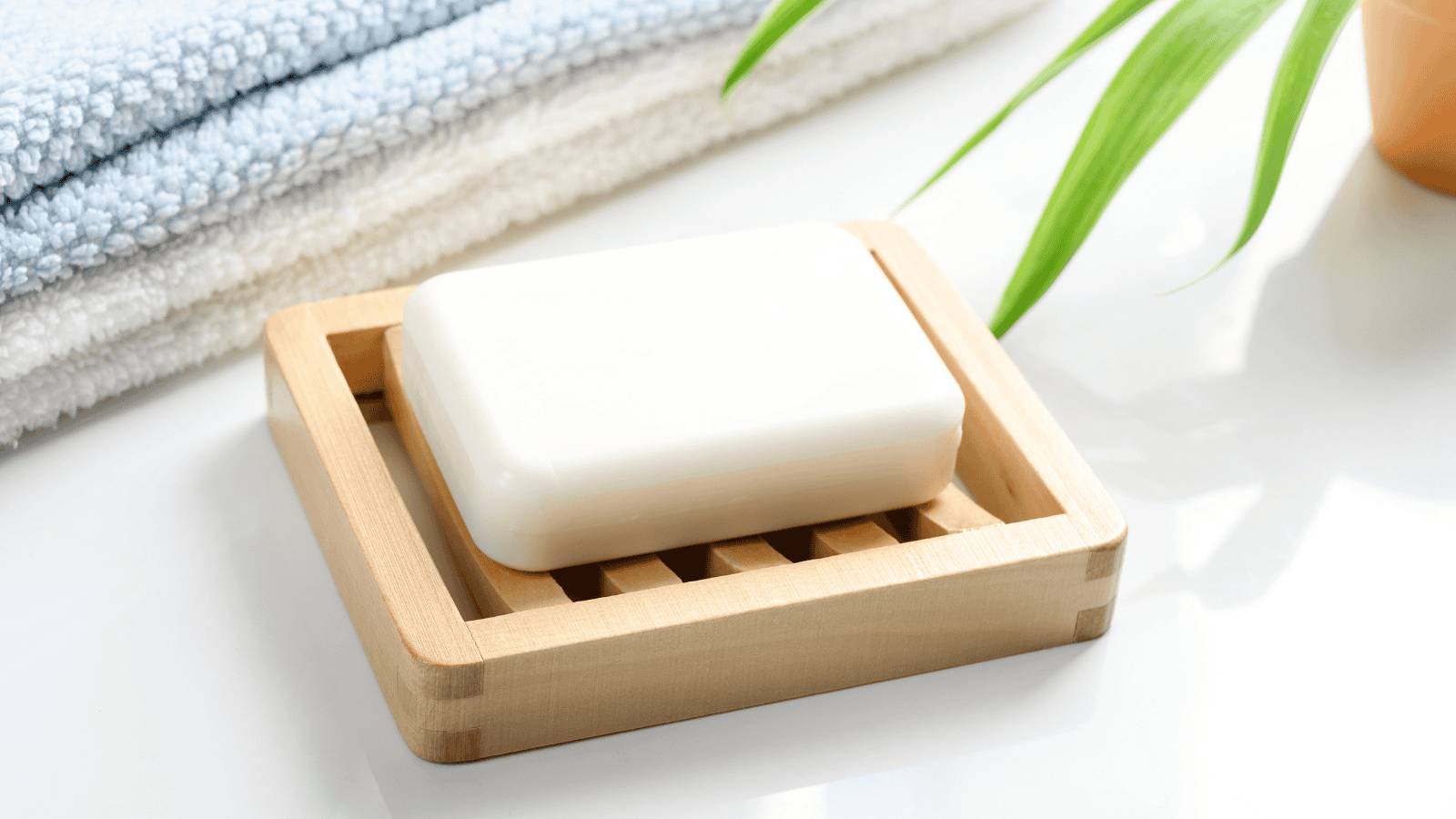
A lot of people feel that bar soap is less hygienic since it sits out in the open and collects bacteria over time; others just don’t like the way it feels on their skin when some bars leave a residue behind. Liquid soap, on the other hand, often comes with moisturizing ingredients and a cleaner application.
Napkins

Surprisingly, napkins are becoming obsolete in kitchens across America, too, either being replaced with more versatile paper towels, or being skipped altogether.
It’s not that they don’t care about being clean; it’s more about not wanting to buy something so specific when something else already does the job, and it makes more sense to minimize the number of disposable products.
Business Suits

Suits aren’t necessarily dead, they’re just reserved for special occasions like weddings or big job interviews when, for everyday work life, comfort takes the lead. The image of someone in a crisp business suit, briefcase in hand, heading into a skyscraper office feels more like a movie scene now than a daily reality.
Cigarettes
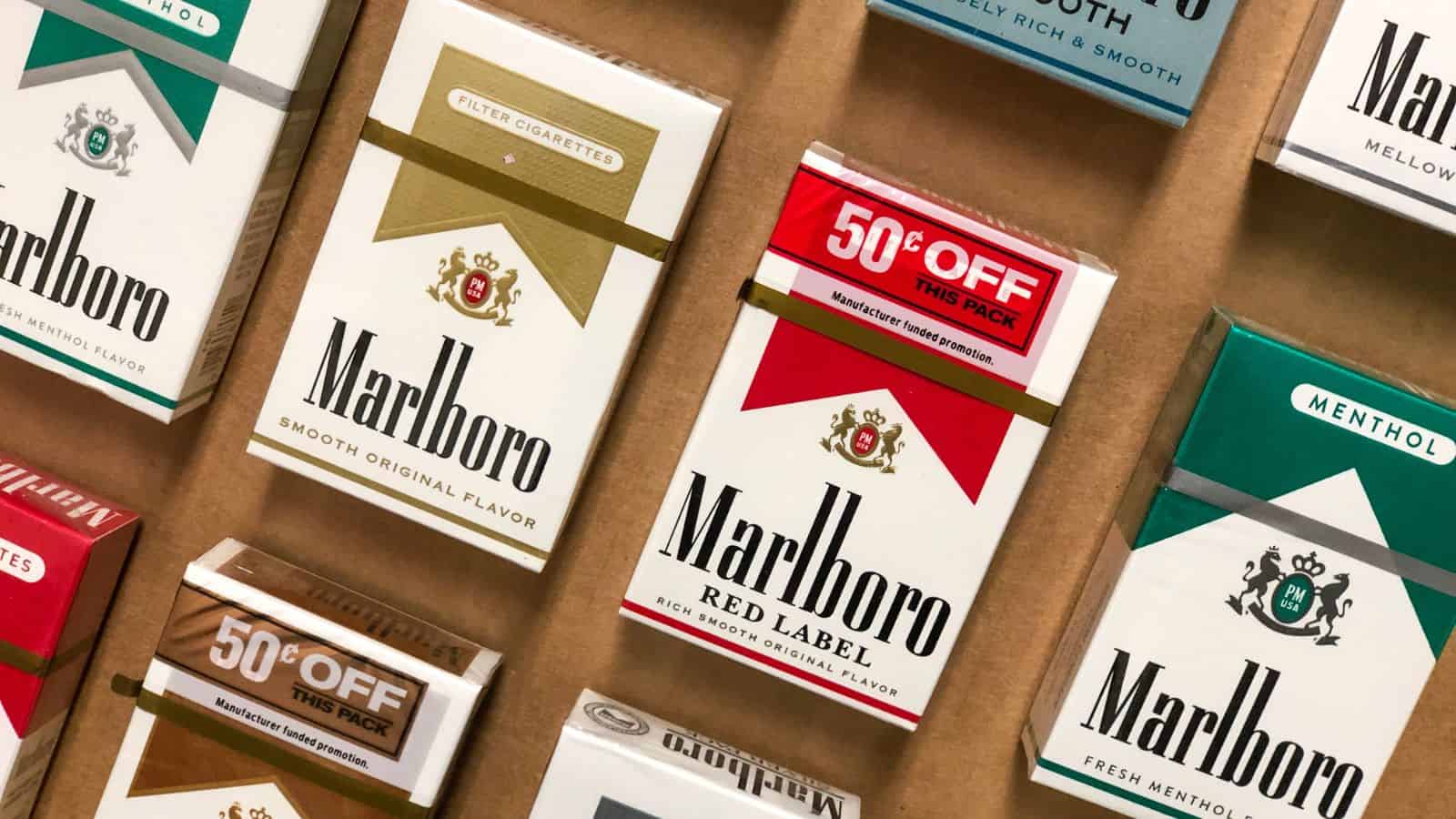
Smoking rates have plummeted among Gen Z and millennials, thanks in large part to growing awareness of the health risks and the social stigma that now surrounds tobacco use.
Additionally, young adults associate cigarettes with outdated habits and long-term consequences like cancer and lung disease.
Magazines and Newspapers

Why clutter your apartment with stacks of glossy pages when you can scroll through the same content in seconds on your phone? Print media has taken a major hit over the past decade, and younger audiences are a big reason why because they’re just not picking up magazines or newspapers the way previous generations did.
Department Store Credit Cards

People are more likely to use cash-back cards or those that offer travel points, and many Gen Zers also prefer using budgeting apps and debit cards to keep spending in check. The idea of opening a credit line just to save 15% on a single purchase seems short-sighted to them – a sign that financial literacy is improving, at least.
Hooters-Style Restaurants

Restaurants that built their brand on a specific kind of flirty atmosphere just aren’t resonating with younger diners, either; while places like Hooters still exist, they’re struggling to attract the youthful crowd.
These consumers are more focused on inclusivity and good food, as well as wanting to eat somewhere that feels comfortable and welcoming to everyone.
This article includes content generated by AI.