
Shopping habits have shifted in a big way over the past decade, and millennials are leading the charge. This generation has quietly backed away from many everyday products their parents once swore by. Younger adults are choosing alternatives that feel more aligned with their values – and the impact is showing up on shelves.
Here are 17 products that millennials are quietly rejecting.
Fabric Softener

Most millennials see fabric softener as pointless, overpriced, and kind of shady. The slick coating it leaves behind doesn’t scream “clean,” and people are starting to question what’s actually in it.
Concerns about chemicals, allergies, and buildup in washing machines have helped push this product out of laundry rooms. They’re sticking with plain detergent or using reusable dryer balls instead.
Bottled Water

Single-use plastic water bottles just feel plain wrong to many people under 40. Today’s young have embraced reusable bottles, filtered water pitchers, and fill-up stations because they’re cheaper and more sustainable. The idea of paying for something that’s available for free out of a tap just doesn’t make sense. With rising awareness about plastic waste and microplastics, bottled water is no longer a household staple.
Bar Soap

Solid bars of soap are still around, but they’ve lost favor with young adults, who see them as messy and inconvenient. They leave behind weird residue in the shower, melt into mush, and just aren’t appealing in shared living situations. Liquid body wash, on the other hand, feels more hygienic and easier to store.
Paper Napkins

Cloth napkins and paper towels have replaced traditional napkins in many homes. Millennials can’t see the point of buying a separate product just to wipe your face when a roll of paper towels or a washable cloth will do the trick. It’s one more disposable item they’re cutting out, both for environmental reasons and because it feels unnecessary.
Cable TV

Streaming services completely changed the way younger generations consume entertainment. Cable, with its bloated packages, contracts, and constant commercials, has become a symbol of wasted money. The young are quick to cancel if they’re locked into anything long-term. Most pay for two or three streaming services – and still save money.
Processed Cheese Slices
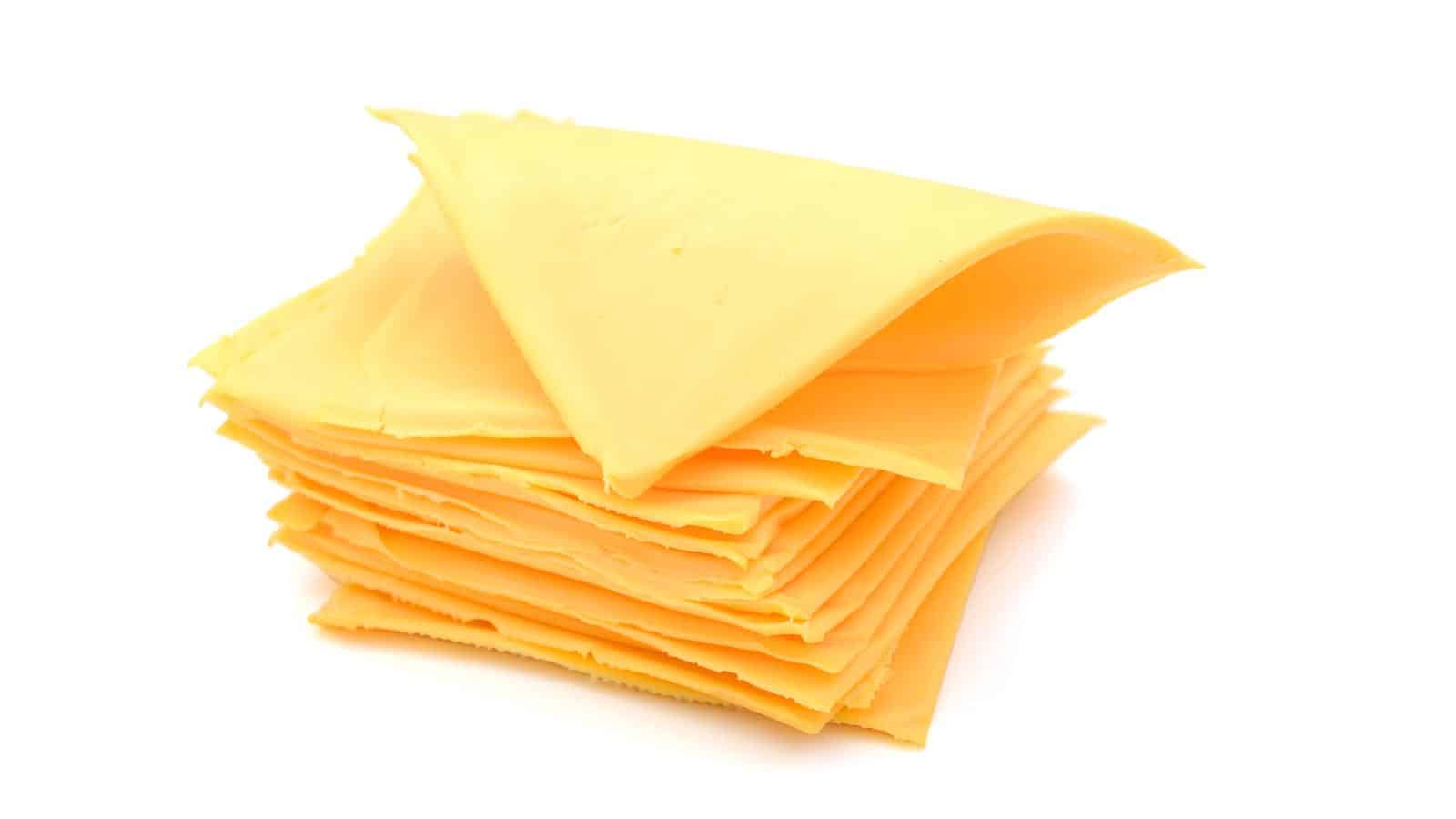
Those plastic-wrapped cheese singles that used to be a lunchbox staple don’t cut it anymore. Young folks have turned toward real cheese with fewer additives and better taste. Sliced cheddar from the deli or a vegan alternative is their choice. Processed cheese now feels fake, overly salty, and unnecessary, especially when better options are just as easy to grab.
Dryer Sheets
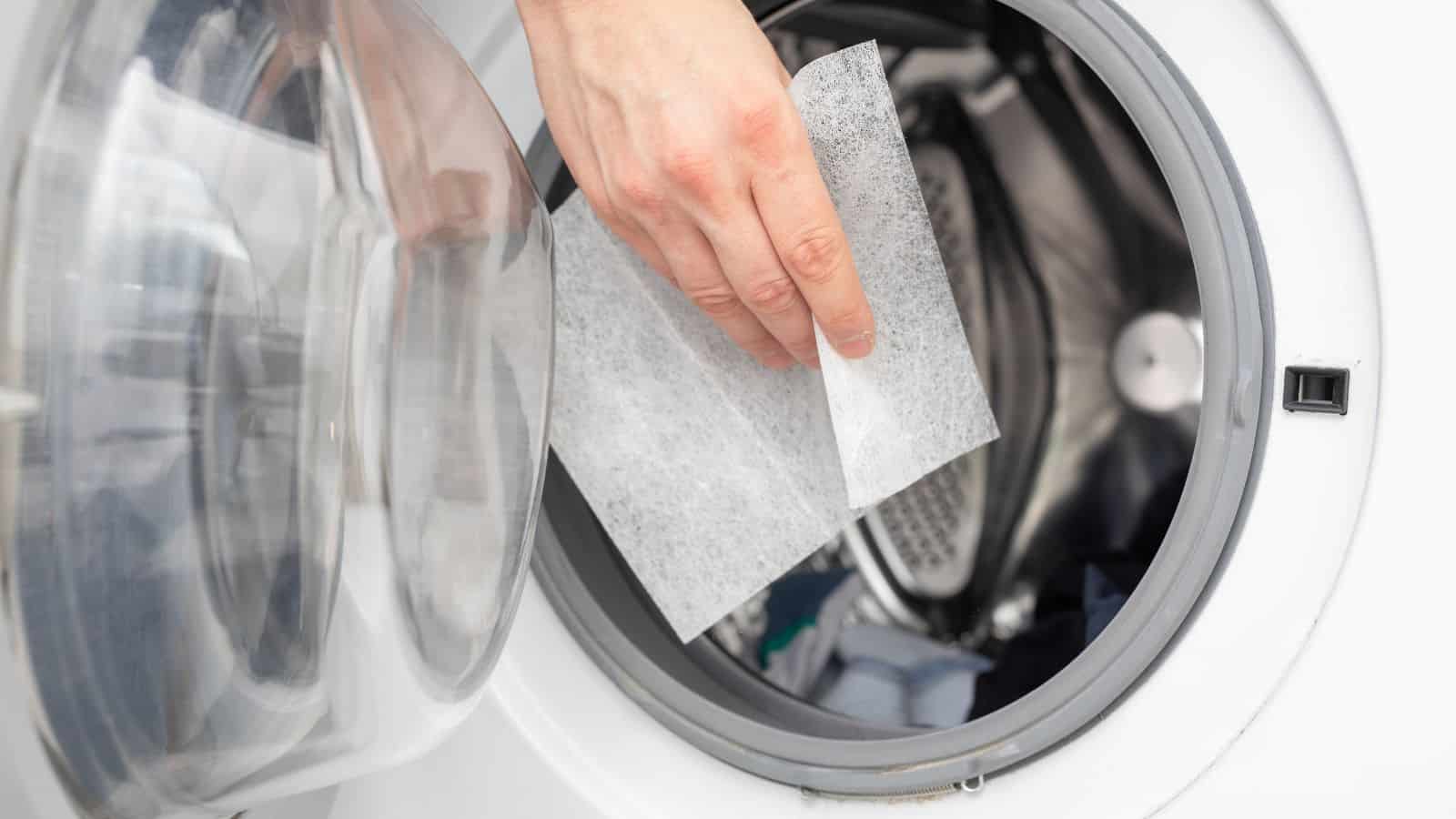
Concerns over chemicals and allergens have driven many millennials to ditch dryer sheets entirely. They’re seen as wasteful, with synthetic scents that can trigger sensitivity. Reusable dryer balls, wool alternatives, or nothing at all are becoming more popular. As people look for simpler ways to handle static and softness, the market for traditional dryer sheets is shrinking.
Big-Name Beer Brands

Light beers that dominated fridges in the ’80s and ’90s are being pushed aside. Modern drinkers are choosing craft beers, small local breweries, or skipping beer altogether in favor of hard seltzers and cocktails. Many feel that mass-market lagers taste bland and lack personality. Younger drinkers want unique flavors, creative branding, and more transparency about ingredients.
Mayonnaise

It’s not exactly trendy to slather mayo on everything anymore. Today’s consumers are leaning toward alternatives like hummus, avocado spread, or Greek yogurt when they need something creamy. Some just skip it altogether, saying the taste or texture never really appealed to them.
Even flavored mayo has had a hard time catching on with this crowd. You can still find it in stores, but it’s not the must-have condiment it used to be.
Cereal

Skipping breakfast isn’t uncommon, but when millennials do eat it, they’re not reaching for sugar-loaded cereals like they did as kids. Convenience, nutrition, and ingredients now matter more than cartoon mascots. Smoothies, protein bars, and overnight oats have taken the spotlight. Cereal, especially the processed kinds, just feels too sweet and carb-heavy.
Business Suits

Office dress codes have loosened dramatically, especially since remote work became common. Suits feel stiff, expensive, and impractical to younger professionals.
Even in industries that used to expect formal wear, there’s been a clear move toward business casual, or just casual. A tailored jacket isn’t a symbol of success anymore, and suit sales have dropped sharply as a result.
Air Freshener Sprays
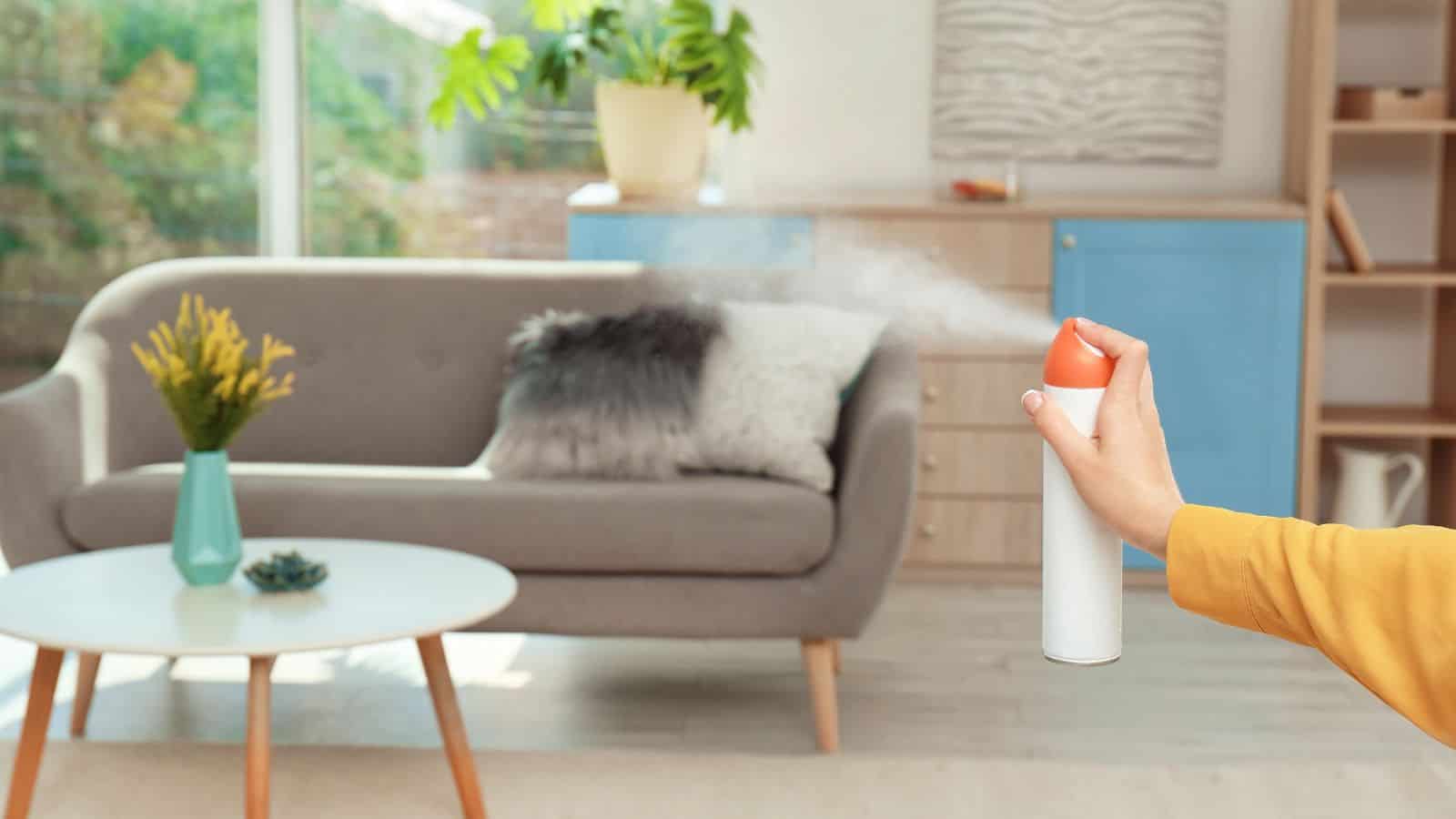
Artificial scents sprayed into the air are a big no-no for this health-conscious, eco-minded generation, who prefer diffusers with essential oils, natural candles, or simply opening a window.
Worries about indoor air quality and synthetic chemicals have made traditional air fresheners seem sketchy. Brands that relied on “spring breeze” scents and aggressive marketing are losing shelf space to more natural alternatives.
Plastic Wrap
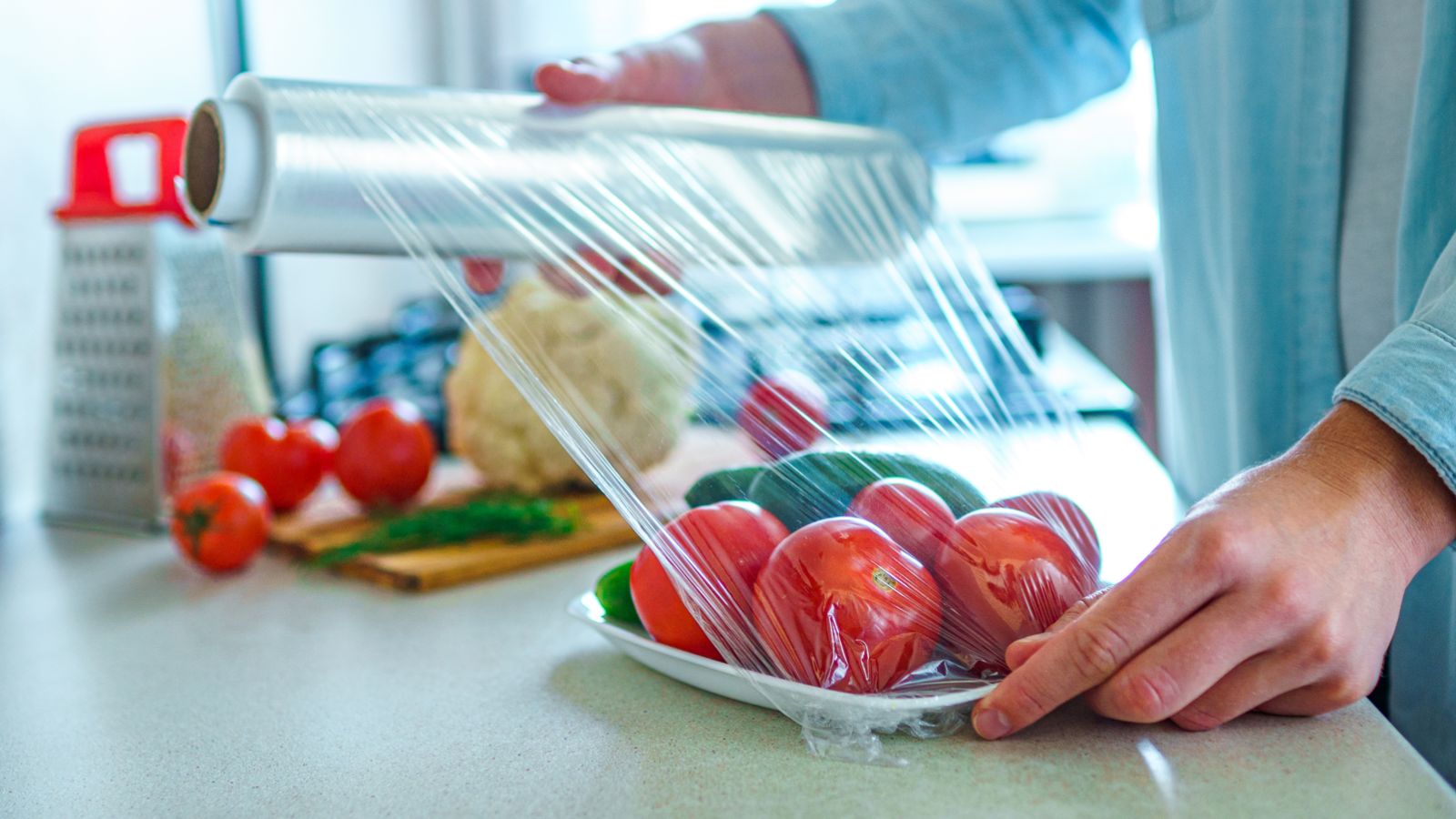
Leftovers sealed in plastic film have fallen out of fashion. Reusable silicone covers, beeswax wraps, and glass containers have taken over in many millennial kitchens. Now, the focus is on sustainability, reducing plastic waste, and finding products that last. While plastic wrap still sells, it’s not as common in homes where people are trying to be more mindful about what gets thrown away.
Greeting Cards

Have you noticed how card aisles are shrinking in many stores? That’s because buying a $5 card, just to sign it and toss it after a day, feels like a waste. Digital greetings, texts, or personalized video messages have taken over. These feel more authentic and immediate, without the cost or waste.
Some people still like giving or receiving physical cards, but the younger crowd isn’t driving that market like previous generations did.
Shaving Cream

Foamy stuff in pressurized cans doesn’t get much love anymore. Young shavers are moving toward oils, gels, or just using conditioner as a shaving aid. Multi-use products, clean ingredients, and less packaging waste are a better fit. Traditional shaving cream feels like an extra step that doesn’t offer enough value, and smaller brands are stepping in with more modern options.
Fast Fashion

Quick, cheap clothing that falls apart after a few washes is starting to lose its appeal. This generation is looking more closely at where their clothes come from, how they’re made, and whether the brand cares about sustainability. Secondhand shops, online resale platforms, and capsule wardrobes are becoming more popular. Fast fashion still exists, but young shoppers are spending less on it.
Disposable Razors
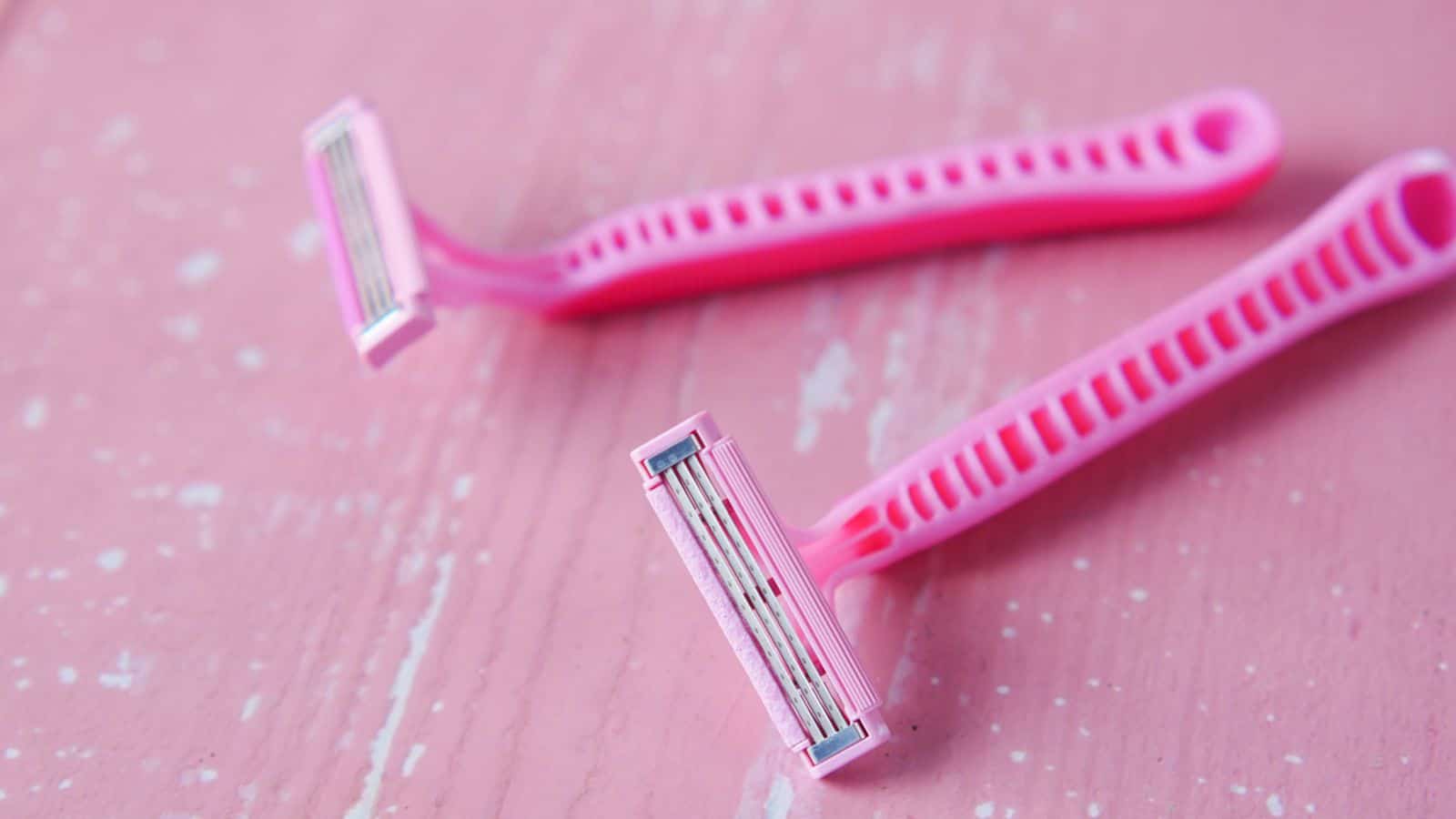
Cheap razors that end up in landfills are another product getting pushed aside. Refillable razor handles, safety razors, and subscription services with recyclable cartridges are replacing them in many homes. The move is partly environmental and partly financial: why buy a dozen plastic razors that dull fast when you can invest in something that lasts?
This article includes content generated by AI.