
Awesome, you’ve got a repair project in mind, but before you start swinging a hammer or snipping any wires, there’s something you should know. Certain repairs legally require a licensed professional, even if you’re handy. And trust me, it’s not just red tape; there are real risks involved, so think twice before you start any of these repairs.
Electrical Panel Upgrades
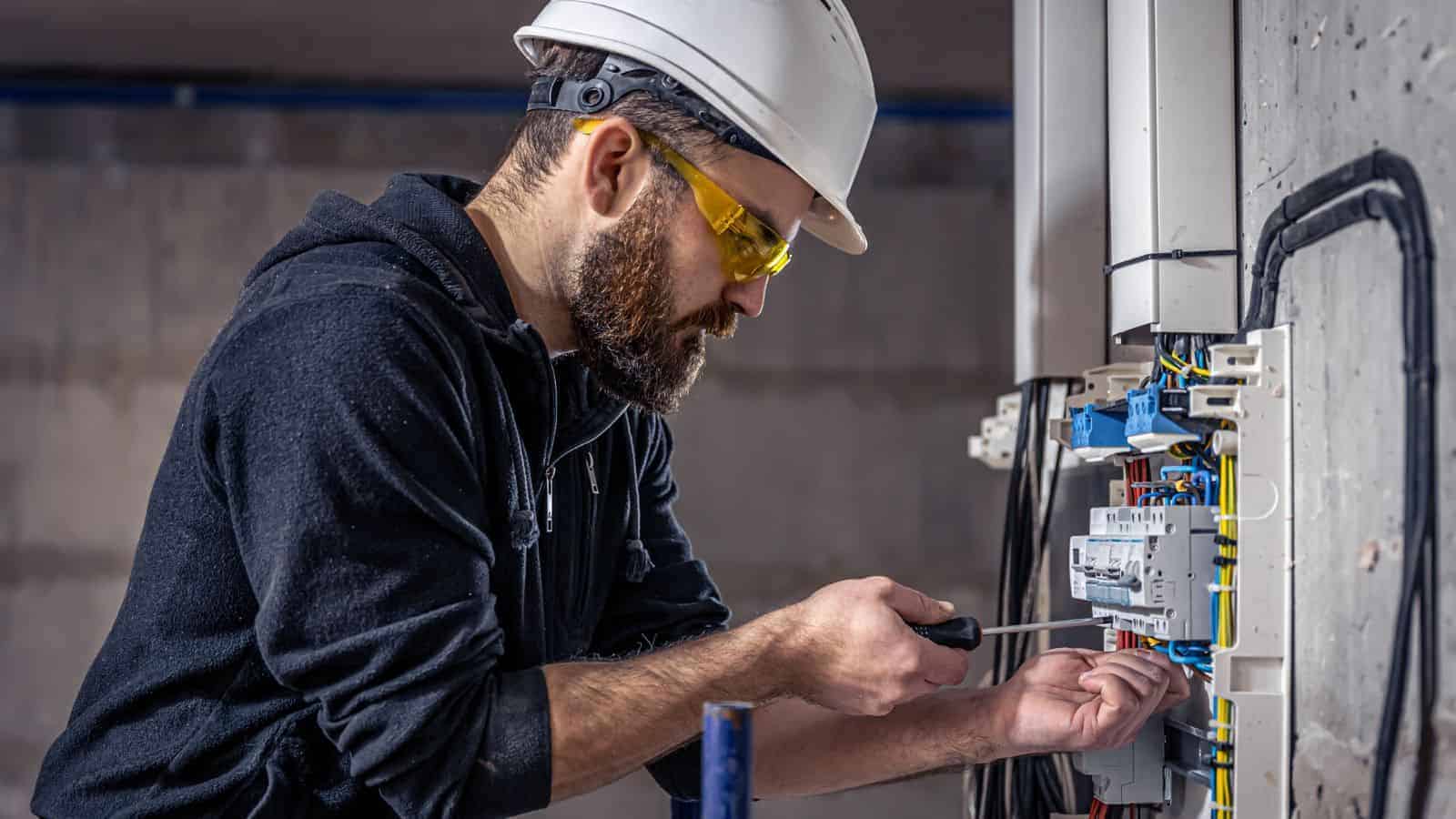
You might feel confident popping open your breaker box, but full panel upgrades are a serious matter. The electrical panel connects directly to the utility grid and your home’s entire system, and touching the wrong wire can cause a massive surge.
Most states require a licensed electrician to handle this kind of job, and there’s usually a permit and inspection process, too. Even if you’ve replaced outlets or switches before, this is a whole different level, so skip the DIY.
HVAC System Repairs

You notice your air conditioner isn’t cooling like it should, and it might only be a minor issue, but HVAC systems involve pressurized gases and electrical components. Many states actually require a special license just to handle refrigerants legally, especially since some of them are harmful to the environment. If you make a mistake, you could damage the entire system or end up with an even more expensive repair.
Major Plumbing Work

We’ve all done small plumbing fixes, like swapping out a faucet, but things like water mains or pipe rerouting are a big no-no. States usually require a licensed plumber for any work that affects the home’s main plumbing infrastructure, because messing up could mean water damage or foundation issues.
Roofing Replacements
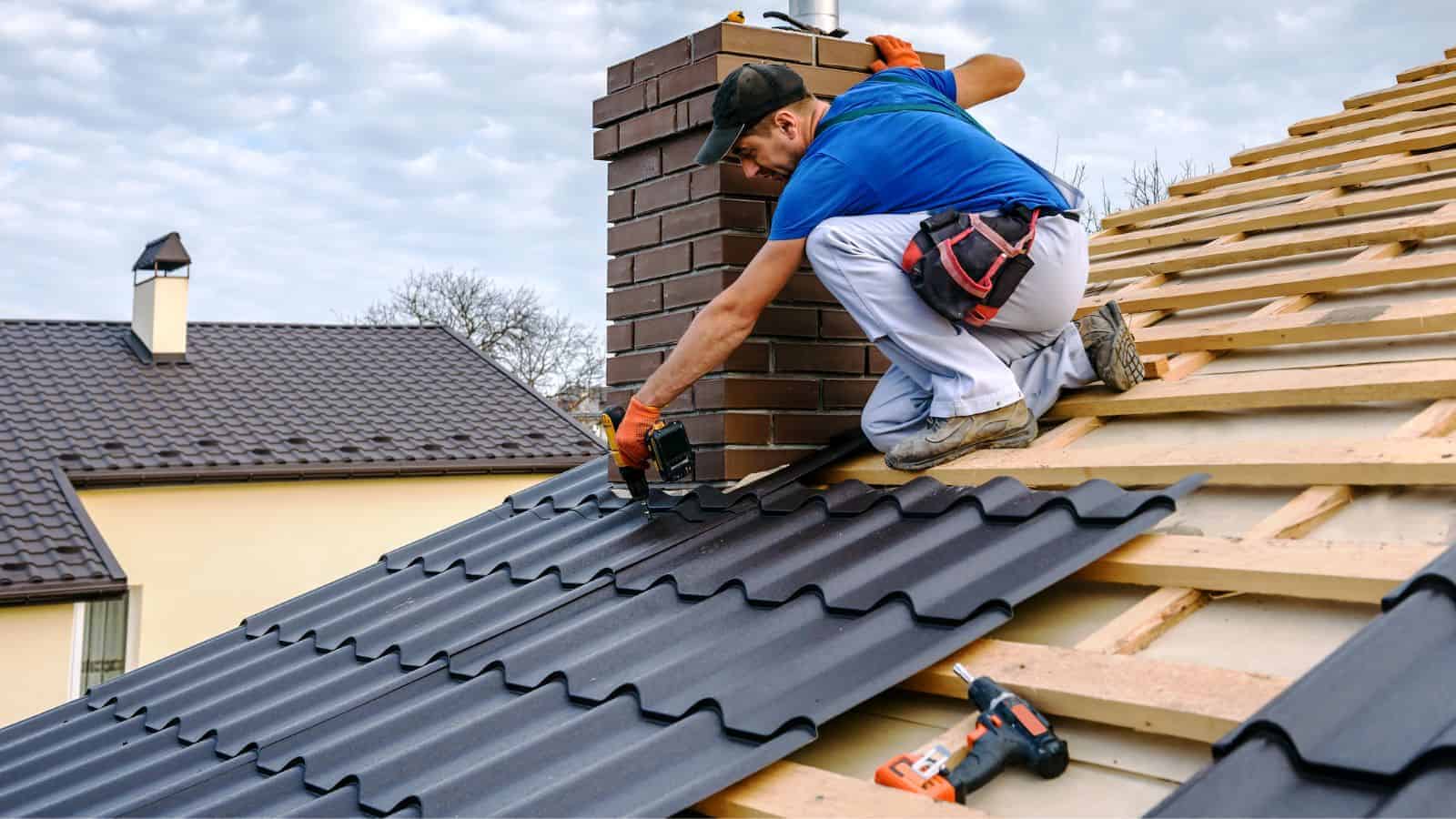
Let’s say your roof has seen better days, but while replacing a few shingles isn’t a big deal, tackling a full roof job gets complicated fast. Not only is it physically dangerous, but it also involves permits and code requirements that vary by region.
Many places won’t let you replace a roof without a licensed contractor, and insurance companies might deny future claims if you do the work unlicensed. One wrong move and you could end up with a leak or a serious injury.
Structural Modifications

It’s common for people to want to expand space by knocking down a wall or extending a room. Sounds exciting, but changing a home’s structure, especially load-bearing components, affects the entire building’s stability. That kind of work usually demands not only a licensed contractor but also engineering approval and local permits, and without proper knowledge, you could weaken the structure and create a collapse risk.
Lead Paint Removal
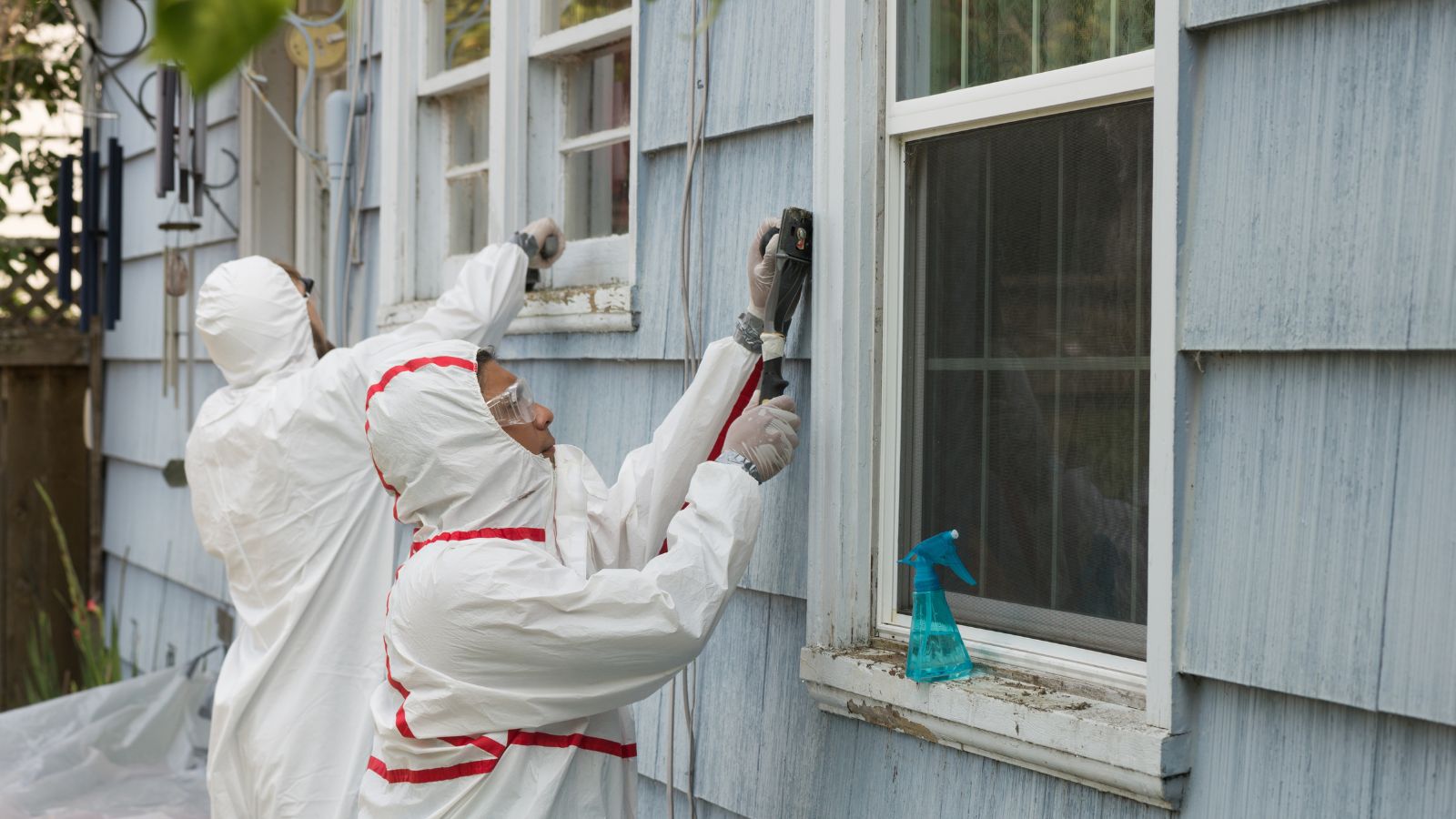
Believe it or not, if your house was built before 1978, that flaking paint on the window frames could contain lead. Federal law mandates that anyone disturbing lead-based paint in pre-1978 homes be certified in lead-safe practices, and that’s enforced by the EPA.
Asbestos Removal
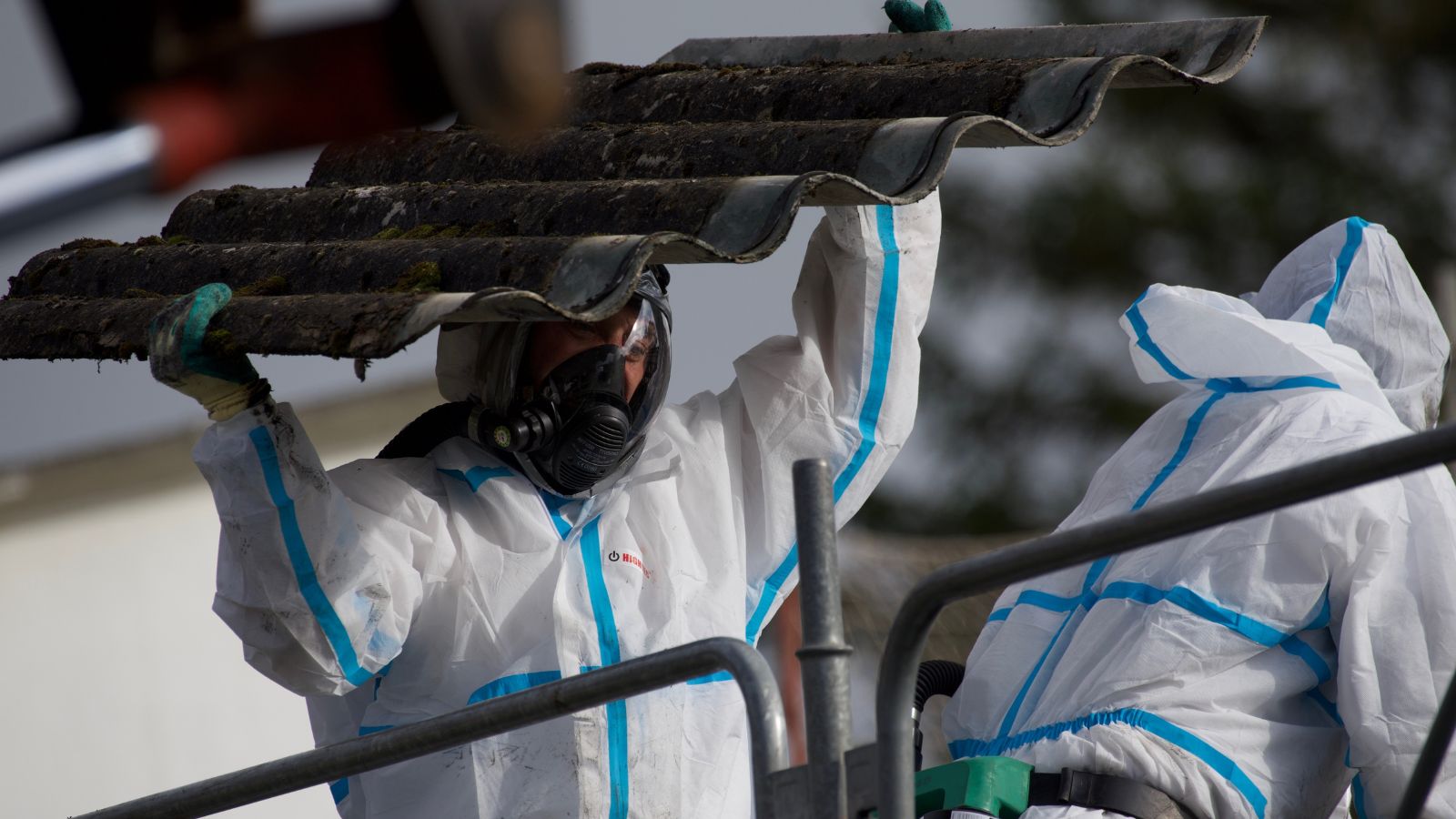
Did you know that tossing some weird old insulation or pipe wrap you found in the attic is a bad idea? If it turns out to be asbestos – and it often is in homes built before the 1980s – you’re stepping into serious health hazard territory. You can’t just bag it up and toss it in the trash, as federal and state regulations require certified asbestos abatement professionals for removal and disposal.
Mold Remediation Over a Certain Size
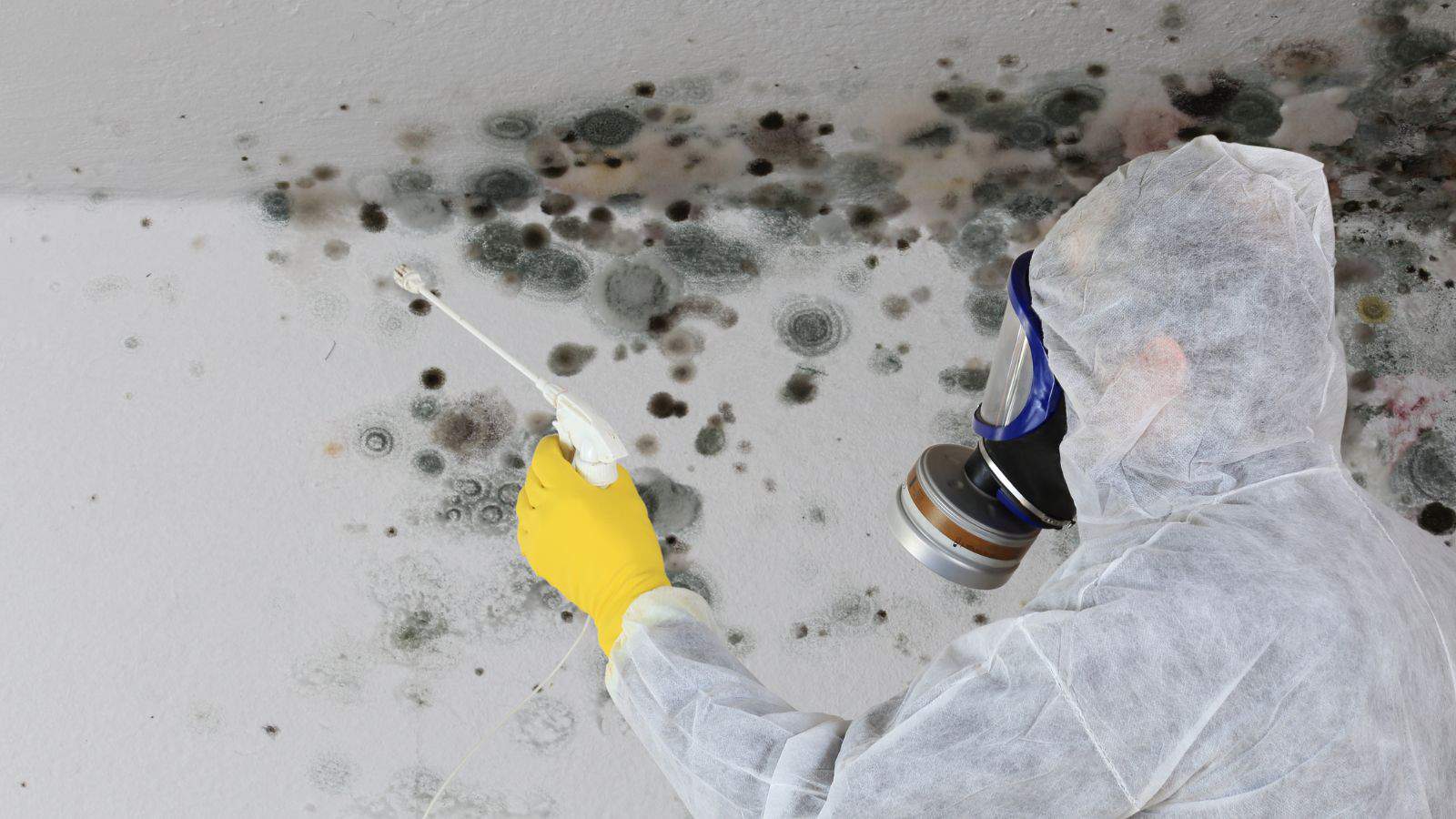
Be honest, you see a bit of mold on the shower wall and just scrub it off – that will do, right? Wrong, because once mold shows up in large patches, it’s time to call in the pros. Mold spores can spread like wildfire through ducts and insulation if not handled correctly, and large infestations often signal deeper moisture problems that need trained eyes to fully address.
Elevator or Lift Repairs

It’s easy to think that a home elevator or stair lift getting stuck or making strange noises is an easy fix. Stop right there – residential lifts involve tightly regulated systems, and states typically require certified technicians for even minor repairs.
Tinkering without a license can not only make things worse but also void warranties or inspections. These systems are built for safety, but only when maintained by someone who knows what they’re doing.
Gas Line Repairs or Installations

It’s no surprise that messing around with gas lines is dangerous, as just one mistake could lead to a leak that causes carbon monoxide buildup or even an explosion. State laws are pretty strict on this one, and you’ll need permits and a certified professional to do the work.
Septic System Work

Most people know that, when something smells off in the backyard, it’s probably the septic system acting up. While it’s tempting to pop the lid and figure things out, most areas legally require a licensed septic contractor for repairs or inspections.
Septic systems deal with waste and can easily contaminate groundwater if handled incorrectly. One small mistake, like a cracked pipe or improper tank pumping, can lead to massive environmental problems and costly cleanup bills.
Pool Wiring or Electrical Work

There’s nothing more irritating than when your pool pump stops working or the underwater lights are flickering. It might seem like a basic fix, but mixing electricity and water is a different ballgame, and local codes usually require a licensed electrician to handle any wiring or electrical components related to pools.
Commercial Kitchen Appliance Installation

Sure, that shiny new commercial-grade oven looks amazing, but setting it up isn’t plug-and-play. These heavy-duty appliances often need special ventilation systems or gas lines, and most areas treat them like commercial installations. That means permits and a licensed contractor, because if you install it yourself, you risk breaking code or putting your home at risk if something goes wrong.
Rewiring a House

One of the biggest home projects you can tackle is a full rewire, but it means running new cables through the walls and connecting everything safely to your breaker panel. Many states require this work to be done by a licensed electrician, and they don’t play around with the rules. Without the right permits and code-compliant work, your home could become a fire hazard, making this a “don’t even try it” project unless you’ve got the license and training.
Fire Sprinkler System Work

You’d think that a fire sprinkler system would be easy to install or fix, but this is seriously not something to experiment with. These systems are critical for life safety and are highly regulated at both the state and local levels.
Even minor adjustments must be done by a certified contractor, as a faulty sprinkler can flood your home or even fail during an actual fire – hire someone who understands how to meet code requirements and ensure the system is inspected properly.
Solar Panel Connections

Have you ever considered solar panels and thought they would be easy enough to install? While mounting them is simple, wiring them into your electrical system is where things get tricky. Utility companies usually require the hookup to be handled by a licensed electrician with special solar certifications, and without it, they might refuse to connect your panels to the grid.
Boiler Installation

That old boiler has to be replaced with a new one to save on energy bills, but don’t make the mistake of thinking this is weekend DIY. Boilers combine plumbing and gas, and they’re not forgiving if installed incorrectly, which is why many states require certified HVAC or plumbing pros.
This article includes content generated by AI.