
Backyards feel like private kingdoms. A place where you can finally do things your way without anyone telling you otherwise. But all it takes is one nosy neighbor or a surprise city inspector to turn your weekend project into a legal headache. Here are 17 seemingly innocent backyard projects that could land you in trouble if you’re not careful.
Building a Tall Privacy Fence

Privacy fences seem like the ultimate solution for carving out your own little sanctuary. However, most cities have strict regulations on how high you can build without getting permission. Backyard fences usually max out around six feet, while front yard fences often have even lower limits. Go any higher without the proper permits, and you could be ordered to take it down entirely.
Digging a Fire Pit

Building a cozy fire pit is often considered a harmless way to add charm to your backyard, but many municipalities have rules designed to prevent accidental fires. Regulations tend to specify how far the pit must be from your house, fences, trees, or other structures, and some areas ban open flames altogether during dry seasons.
Local fire departments frequently enforce these rules, especially after neighbor complaints, so it’s worth checking the specifics before you start stacking those bricks.
Installing a Pool

Pools are one of the most heavily regulated backyard additions, whether you’re thinking of an above-ground model or a professionally installed in-ground version. Certain areas require multiple permits covering everything from safety barriers to depth specifications and even water usage, especially during drought conditions. Beyond the paperwork, you may also need to schedule inspections at various stages of construction to ensure everything meets code.
Cutting Down Trees

Many cities protect certain tree species, particularly mature or native ones, and cutting one down without the necessary permits can get expensive fast. Sometimes you’ll need an arborist to evaluate the tree and justify its removal before any action is allowed. If you proceed without permission, you could face not only steep fines but also be required to replace the tree or contribute to a municipal tree fund.
Setting Up a Chicken Coop

Backyard chickens have become increasingly popular, but a lot of people don’t realize that many cities limit the number of hens you can keep. Sometimes roosters are prohibited entirely due to noise concerns.
Even if your immediate neighbors are fine with it, zoning laws and HOA rules might not be as forgiving. Permits may be required, and failure to comply could result in citations or even an order to dismantle your coop and rehome your birds.
Installing Solar Panels

Solar panels seem like an obvious win for your wallet and the environment, yet installing them isn’t always as simple as calling a contractor. Many localities require permits, and certain neighborhoods (particularly historic districts or HOA-regulated communities) may have strict aesthetic guidelines that limit or outright ban visible panels.
Even where they are allowed, you may need utility company approval to connect to the grid, and failure to navigate these requirements properly can result in forced removal or fines.
Pouring a Concrete Patio
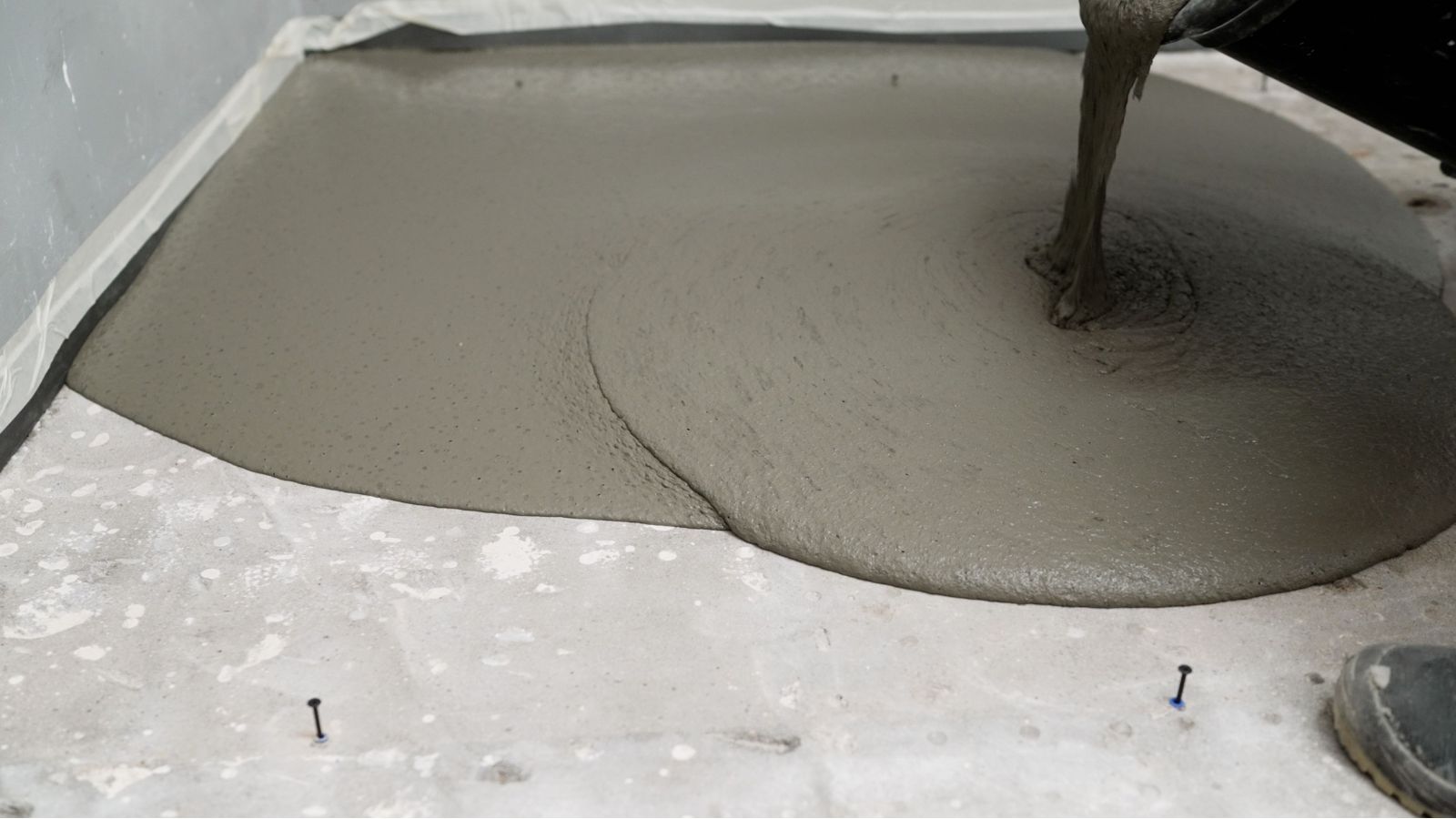
Expanding your patio with a quick concrete pour may run afoul of impervious surface regulations. Some areas limit how much of your yard can be covered to control drainage and prevent flooding. Skip the permit, and you could end up having to rip up that fresh slab. Plus, improper grading can cause water runoff issues that your neighbors won’t appreciate.
Running Outdoor Electrical Work

Electrical work, particularly when run outside, usually requires permits and inspections to ensure safety and code compliance. Several states mandate licensed electricians for anything beyond plugging in low-voltage, portable devices. Unpermitted work can become a major fire hazard and may void your homeowners insurance.
Building a Treehouse

This project, which might feel like the ultimate childhood dream, could actually trigger building codes and zoning regulations you didn’t expect. Cities may treat treehouses as accessory structures, subject to height limits, setback rules, and even engineering standards. If your treehouse overlooks a neighbor’s property or blocks sunlight, complaints can force legal action and possibly mandate removal.
Creating a Pond

It’s important to remember that even small water features can bring regulatory scrutiny. Larger ponds may require environmental permits due to potential impacts on local drainage patterns and mosquito control efforts.
In some regions, altering water flow on your property triggers oversight from multiple agencies, including environmental protection boards. Without the proper permits, your tranquil koi pond could inadvertently violate water management laws, bringing fines and orders to drain or modify the structure.
Burning Yard Waste

A lot of people don’t realize that open burning is heavily regulated across most of the country. Many areas require burn permits, restrict burning during certain seasons, or ban it altogether due to air quality concerns and wildfire risks. Violating these rules, especially during high-risk periods, can result in significant fines and legal liability if the fire spreads beyond your property.
Installing a Shed

A new shed can offer much-needed storage, but many cities regulate them as permanent structures. There are often specific rules on maximum size, height, and distance from property lines or existing structures. Exceeding these limits without securing the necessary permits can lead to stop-work orders or forced removal.
Planting a Hedge Border

Hedges are often classified as de facto fences, subjecting them to height and setback regulations. If a hedge grows too tall or obstructs visibility at intersections, local authorities may require costly trimming or removal. Disputes with neighbors over encroachment are also common, sometimes escalating into legal battles that involve property surveys and court orders.
Building an Outdoor Kitchen

Transforming your backyard with a full outdoor kitchen involves more than just a good design and some new appliances. Plumbing lines for sinks, gas hookups for grills, and additional electrical wiring all typically require permits and inspections.
Fire codes govern the placement of cooking equipment, and improper ventilation can create safety hazards. Skipping these regulations not only risks fines but can also turn into major problems if you ever try to sell your home or file an insurance claim.
Setting Up a Tiny Home or ADU

Placing a tiny home or accessory dwelling unit (ADU) in your backyard isn’t as simple as many homeowners assume. Zoning regulations often dictate lot sizes, parking requirements, maximum square footage, and even who is allowed to live there. Attempting to bypass these rules can result in fines, legal orders for removal, and challenges when refinancing or selling your property.
Installing a Fence on an Easement

Easements can quietly limit what you’re allowed to build on certain parts of your property. They often grant access rights to utility companies, municipalities, or neighboring properties. Installing a fence on an easement can block these access rights, leading to legal orders to dismantle the fence at your own expense. Easement violations sometimes aren’t discovered until years later during property sales or inspections, adding unexpected costs and complications to an already stressful process.
Hosting Large Events

Turning your backyard into the neighborhood event spot might seem harmless at first, but recurring large gatherings can violate multiple local ordinances. Noise restrictions, parking limitations, and even special event permits may apply depending on the size and frequency of your parties. In some areas, repeated events may even be classified as unlicensed commercial activity, exposing you to additional legal and financial consequences.
This article includes content generated by AI.