
It’s no secret that life is getting expensive, and now some retirees are learning that spending wisely makes retirement more enjoyable. With fixed incomes and shifting priorities, they’re ditching habits and expenses that no longer serve them, making lifestyle choices reflecting values that matter more than ever.
Here’s a look at where seniors are saying “no thanks” with their wallets.
Designer Clothing

Name-brand tags don’t impress like they used to, and after years of chasing fashion trends, older folk are focusing on comfort and quality instead. For many, there’s simply no desire to shell out cash for something that’ll sit in the closet, and a favorite shirt that lasts feels more valuable than anything trending for a season.
Cable TV Packages
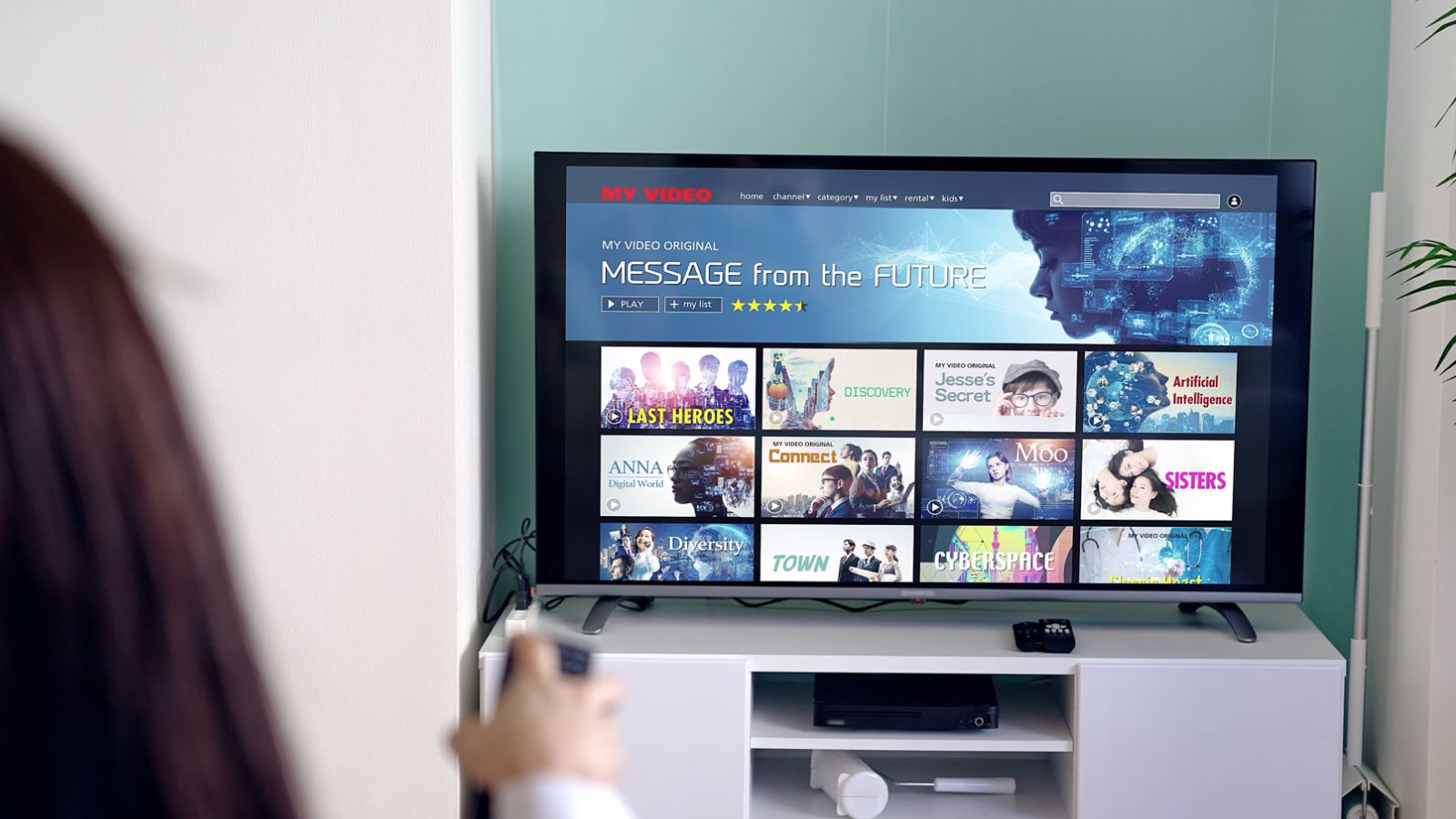
Most cable bills sneak up quickly, but with dozens of channels going unwatched, many retired people have cut the cord. Options like streaming feel simpler and more flexible without the bloated price tag, and viewers are opting for control over what they watch and what they pay.
Gym Memberships

Many seniors have little interest in crowded fitness centers now, preferring to walk in the neighborhood or follow free exercise videos, which offer the same benefits without the monthly charge. Staying active still matters, but many have found they don’t need to pay for motivation, and fresh air and movement feel more enjoyable than treadmills and noise.
New Cars

Brand-new vehicles don’t hold the same charm when budgets tighten, and with reliability being the top priority, a lot of older Americans are sticking with what they already own or seeking out used models.
The appeal of luxury or flashy upgrades fades when maintenance and insurance costs are part of the equation, especially when a dependable ride is all that’s really needed, and driving a fully paid-off car gives peace of mind.
Home Upgrades
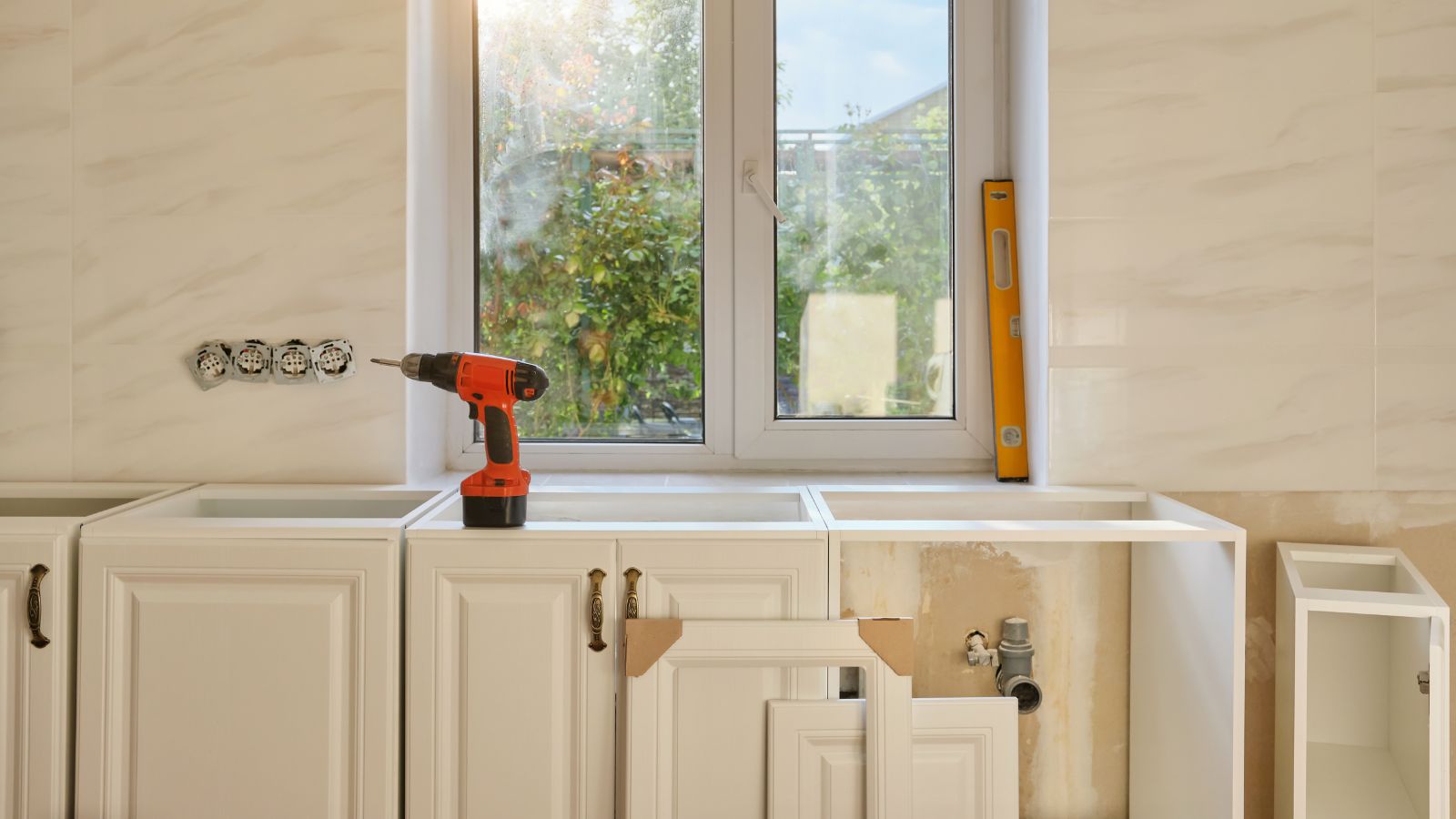
It may be surprising, but big renovation plans are no longer on the agenda, and retired folk are focusing on maintenance and small fixes rather than gutting kitchens or expanding living spaces. A quiet, functional space is more valuable than one designed for show, so paint touch-ups and practical repairs are preferred over construction chaos.
Trendy Technology

One of the biggest changes seniors are making is ditching the latest gadgets and skipping upgrades that don’t offer clear benefits to daily life. It’s not about being behind the times; it’s just that phones and tablets hold less interest unless they’re easy to use and truly helpful.
Expensive Restaurants

Sure, it’s nice to go out for a meal, but high-end spots no longer make the list for many retirees. Home-cooked meals or low-key restaurants offer just as much satisfaction without blowing the budget, and splurging on a steak or fine wine doesn’t feel worth it when simple meals bring the same joy.
Socializing now comes without the hefty price tag, and relaxed settings feel more comfortable than places that require reservations and dress codes.
Cruises and Luxury Travel

Sad to say, but big vacations that once seemed like the dream after retirement have lost their appeal. A lot of people prefer simpler getaways, often closer to home, ditching the stress of planning and the high costs involved with bigger breaks.
Subscription Boxes

It’s no secret that the appeal of monthly deliveries has faded for many, especially retirees. The excitement wears off when items pile up unused, and now, putting money toward something truly wanted feels better than surprise boxes that miss the mark. Choices feel more intentional without automatic shipments, and the novelty is no longer enough to justify recurring charges.
Trendy Home Décor

Most people try to keep their homes trendy, but after retirement, frequent updates to match new decorating styles no longer feel worth it.
Instead, seniors are embracing what feels personal and comfortable, rather than what’s current, deciding that switching themes every year feels wasteful.
Beauty Treatments

Salons and spas once felt like regular stops, but older folks are rethinking the need. Maintaining appearance still matters, but high-end treatments have taken a back seat, replaced by simple grooming routines and natural approaches. Self-care hasn’t gone away; it’s just become more realistic and wallet-friendly.
Brand-Name Medications

With a fixed income, smart spending on health is essential, and older people are opting for generic medications when available. Doctors and pharmacists often support these choices, and the same results for less money mean one less thing to worry about each month.
Generic versions are tested for quality and effectiveness, and paying more for a brand name no longer feels justified when the outcome is identical.
Fancy Coffee Drinks

Daily trips to coffee shops no longer make sense, especially when brewing favorites at home brings both satisfaction and savings. A warm cup still starts the day off right, just without the hefty price, and for many, making coffee has turned into a small daily ritual.
Premium Gasoline

A lot of Americans realize, after retirement, that premium gas doesn’t offer enough benefit to justify the cost, and their car runs just fine on standard gas.
Unless a vehicle specifically requires it, paying more at the pump seems like a needless expense, and most recent vehicles are designed to run perfectly well on regular gas anyway.
Newest Phones

Some folks used to grab every new model when it hit the market, but now phones are being used until they truly need replacing. Older people are less likely to chase updates that offer little beyond a better camera, and as long as it can make calls and send messages, it does the job. The cost of upgrading is no longer worth the minor convenience of new gimmicks, and holding on to a functioning phone feels smarter and less wasteful.
Holiday Blowouts

Overspending during the holidays used to feel like a tradition, but after retiring, some people are dialing it back. Simple meals and shared time mean more than glitter and wrapping paper, and their focus has shifted to what matters most – connection and care, not the size of the gift or the light display on the roof.
This article includes content generated by AI.