
Millennials are changing the way people shop, and a lot of businesses are feeling the impact. Factors like saving money or just different values mean that they’re leaving these 16 things behind.
Cable TV

There was a time when cable was the go-to source for entertainment, but millennials have officially moved on thanks to streaming services offering endless options for a fraction of the cost. Paying over $100 a month for cable just doesn’t make sense anymore when people want flexibility and the ability to watch from any device.
Paper Napkins
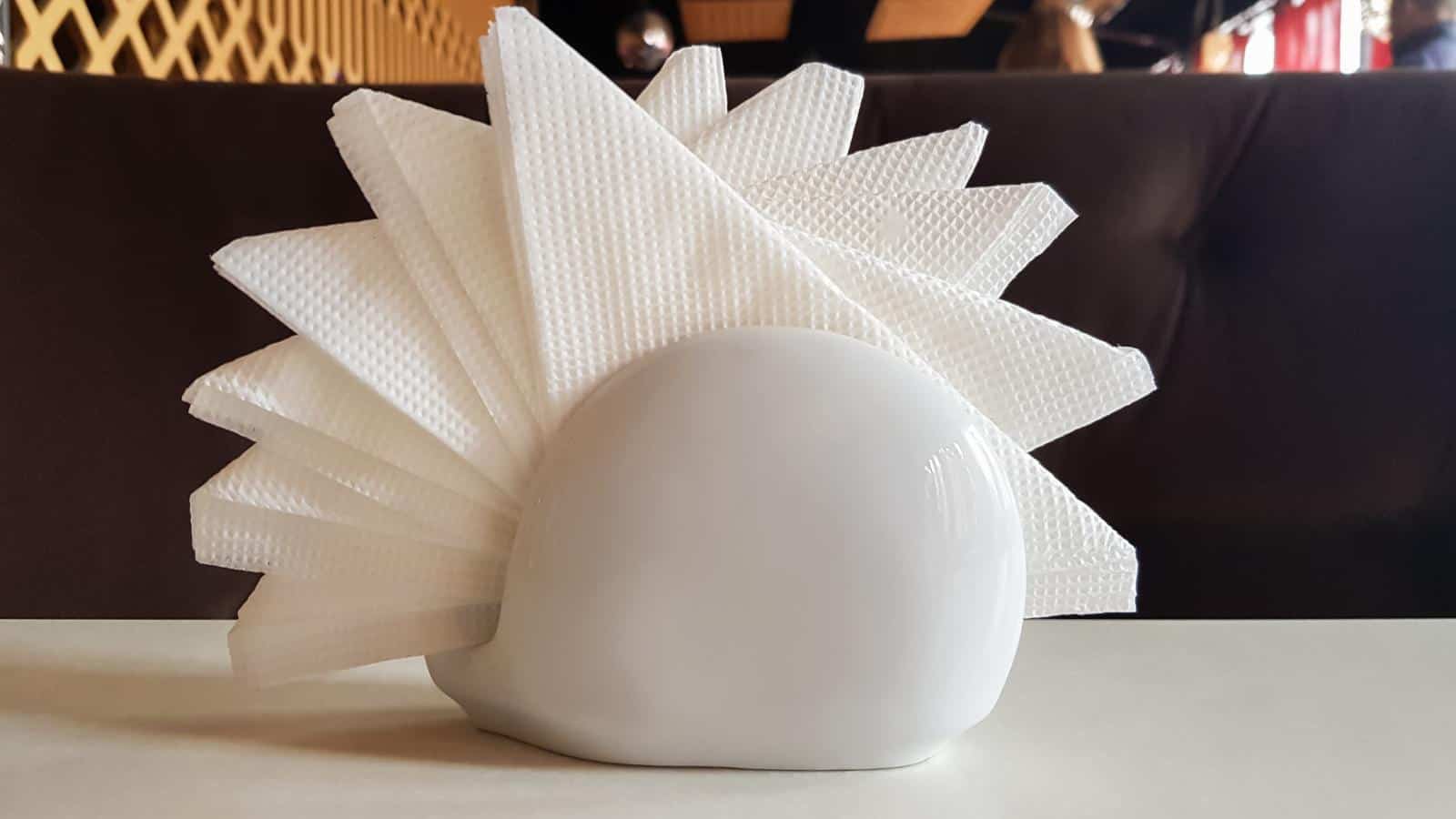
Believe it or not, paper napkins are kind of dying out, with younger adults skipping them in favor of paper towels, cloth napkins, or – honestly – just wiping their hands on whatever’s nearby.
It’s not that they hate being clean; they just don’t see the point of buying something that feels so single-use and wasteful.
Diamonds

The whole “a diamond is forever” message? It’s just not landing like it used to, with more recent generations being more likely to look for alternatives like moissanite, lab-grown stones, or skipping the big rock altogether.
Fast Fashion
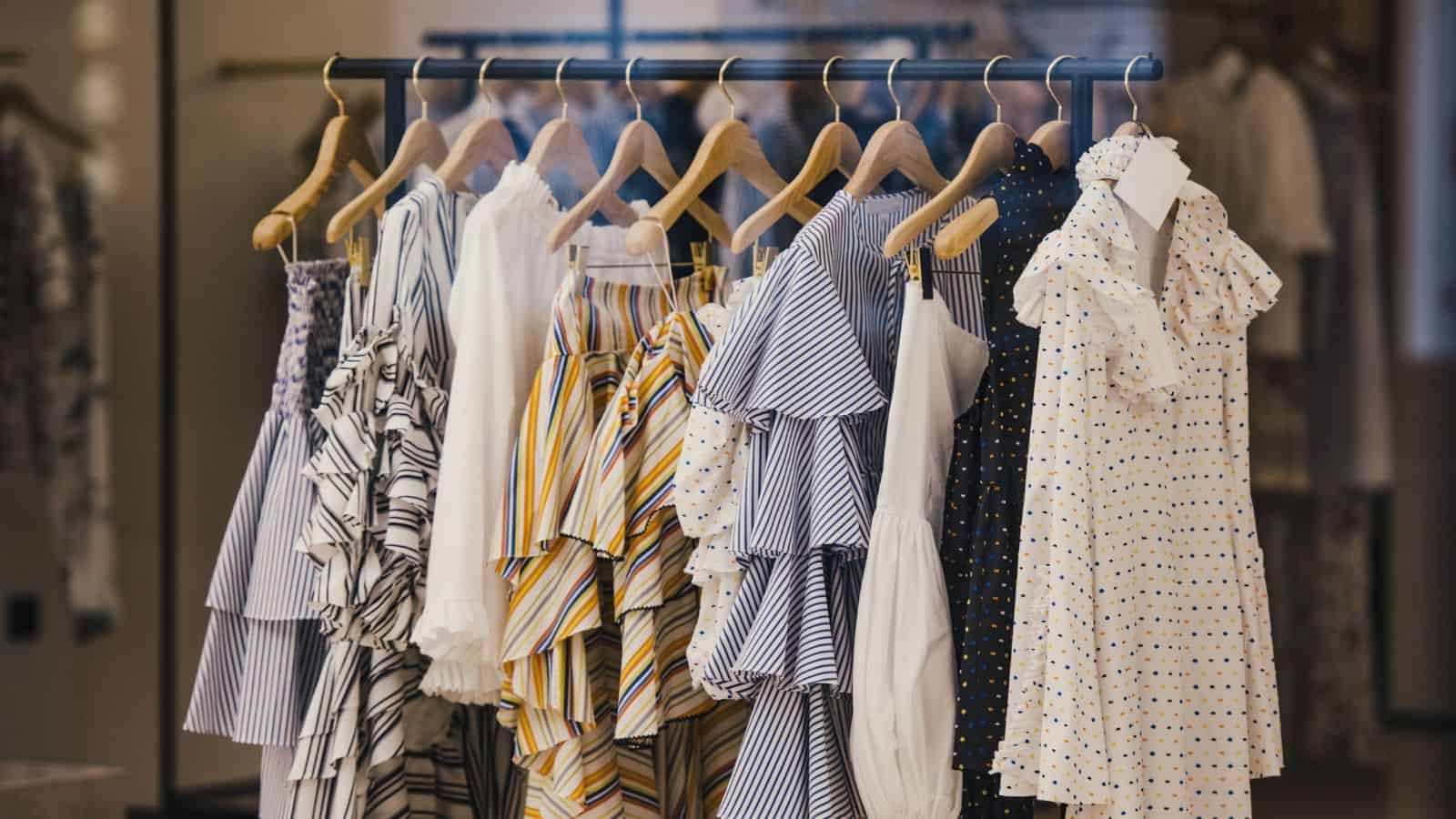
Sure, trendy clothes are fun, but young people have become much more conscious about where their stuff comes from, which means cheap, mass-produced clothing that falls apart after a few washes isn’t what they want. Therefore, more and more people are buying secondhand and choosing higher-quality basics.
Traditional Gym Memberships

Millennials are doing exercise their way, on their schedule, without the pressure of the gym; spending money on a long-term gym membership just isn’t popular now thanks to apps, at-home workouts, boutique classes, and outdoor activities – so why sign a contract when you can stream yoga from your living room?
Home Phones
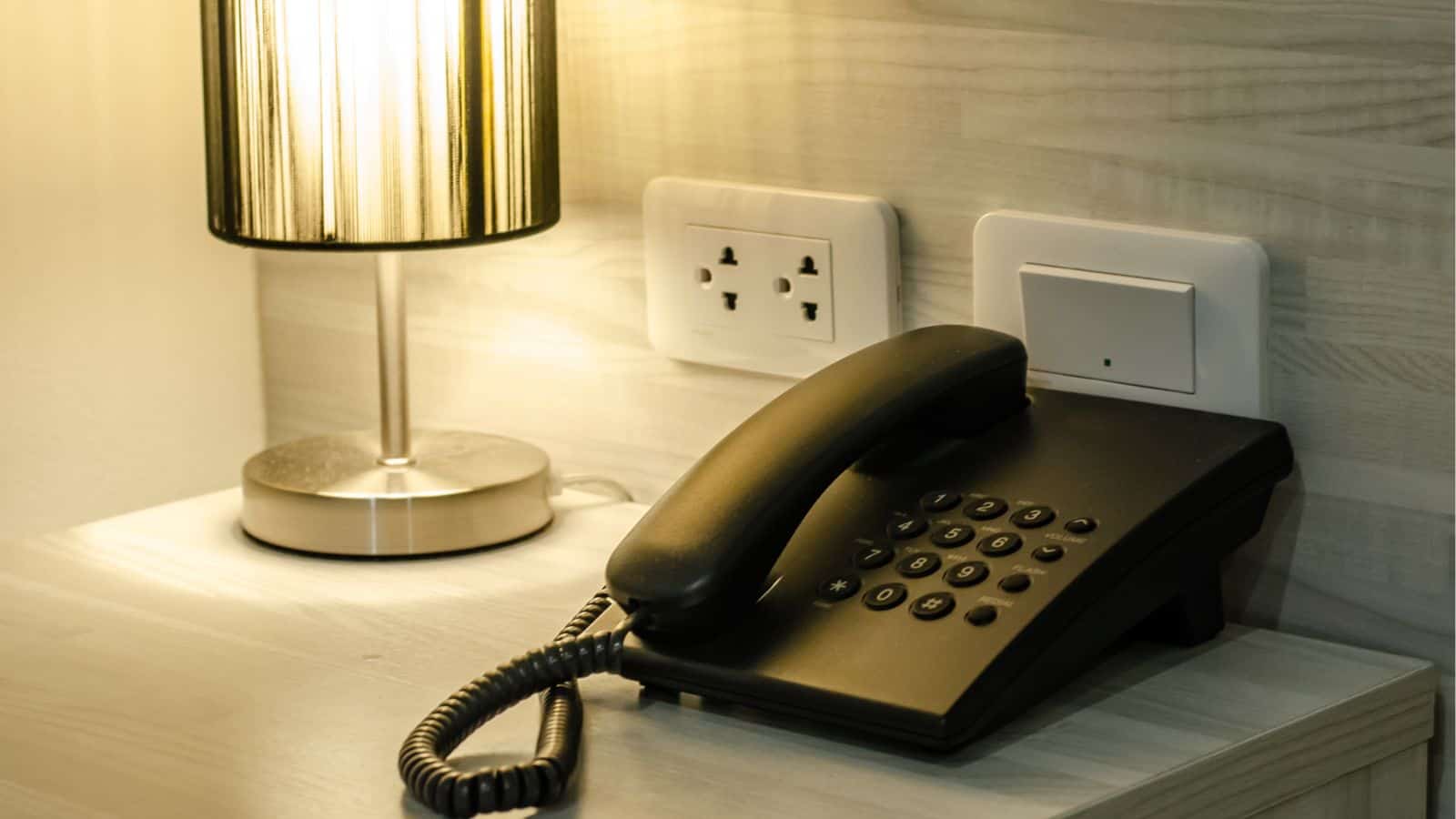
Landlines used to be a staple in every household, however, with smartphones doing everything and more, having a separate home phone seems outdated and unnecessary.
Furthermore, this means that telecom companies offering landline services are watching their customer base shrink fast.
Starter Homes

You’d think teenagers and young adults would be scooping up starter homes just like their parents did, but that’s not really happening due to rising housing costs and student debt. Many are holding off or renting longer – and when they do buy, they often skip the “starter” phase and aim for something more long-term.
Fine China
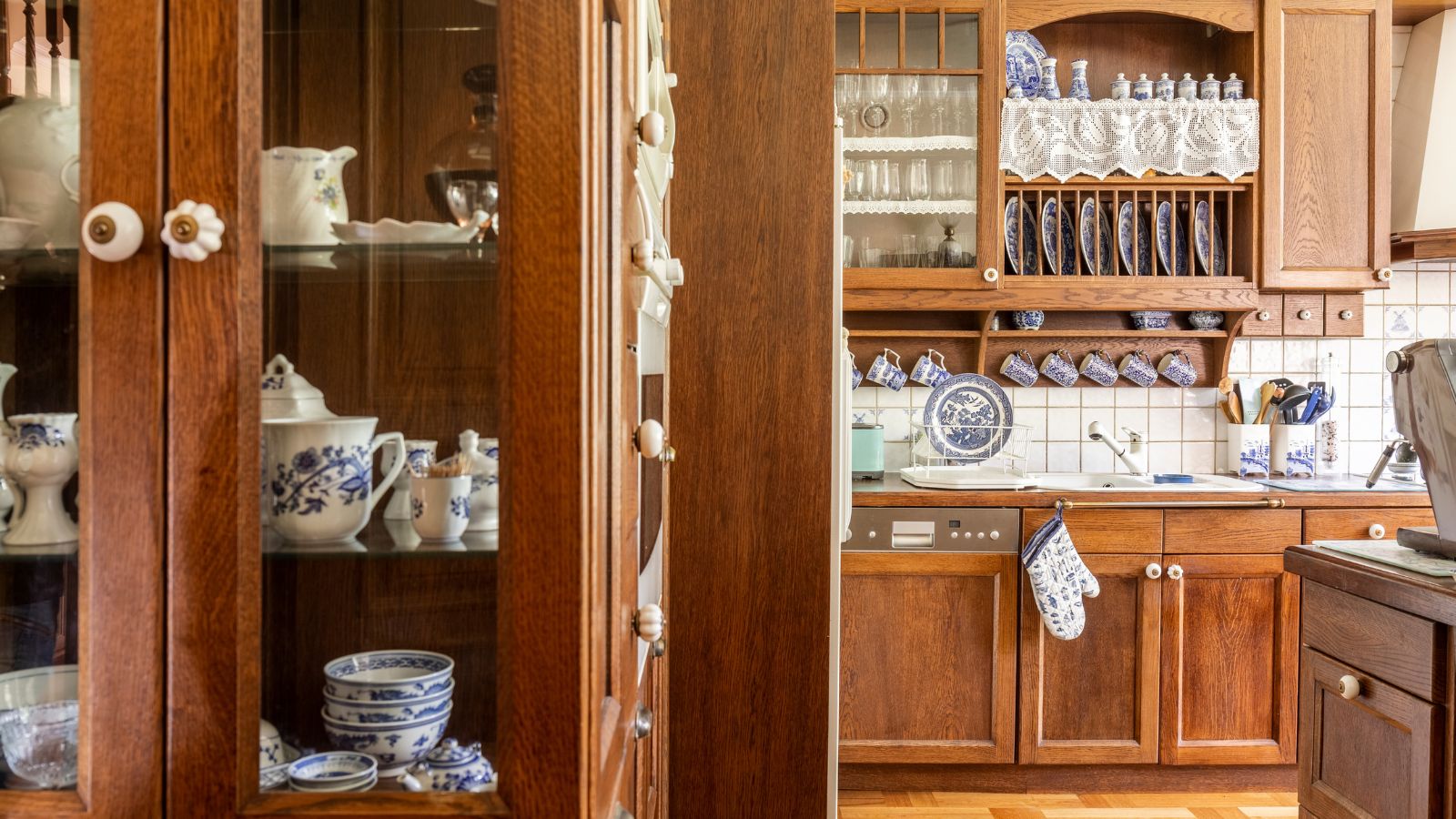
Grandma’s china cabinet was once a prized possession, filled with fancy dishes used only on special occasions, wasn’t it? Now, the idea of owning an entire set of fragile, hand-wash-only plates that never see the light of day feels impractical when most prefer functional, dishwasher-safe dinnerware.
Department Store Credit Cards

Signing up for a department store credit card used to be a no-brainer because you’d get a discount at checkout, maybe some rewards, and boom, you were in. But younger people have grown more wary of high interest rates and store-specific cards that clutter up their finances, so they’re opting for cash-back or travel cards with better perks.
Processed Breakfast Foods

Remember when Pop-Tarts, sugary cereal, and toaster strudels were kitchen staples? The millennial generation is largely over it, instead reaching for smoothies or overnight oats – stuff that feels a little healthier, even if they’re still in a rush.
Fabric Softener

This one might surprise older generations, but fabric softener just isn’t selling like it used to, with most skipping it entirely, either because they don’t see the need or they’ve heard it’s not great for your clothes or washing machine.
Furthermore, with more focus on natural products and simplifying routines, it’s one of those items that’s slowly disappearing from shopping carts.
Traditional Weddings

It’s not that love is out, it’s just being celebrated in more personal, budget-conscious ways with most younger adults rethinking what a wedding looks like. The concept of spending tens of thousands on one day, booking a banquet hall, and feeding hundreds of guests just doesn’t sit well with a lot of people.
Bar Soap
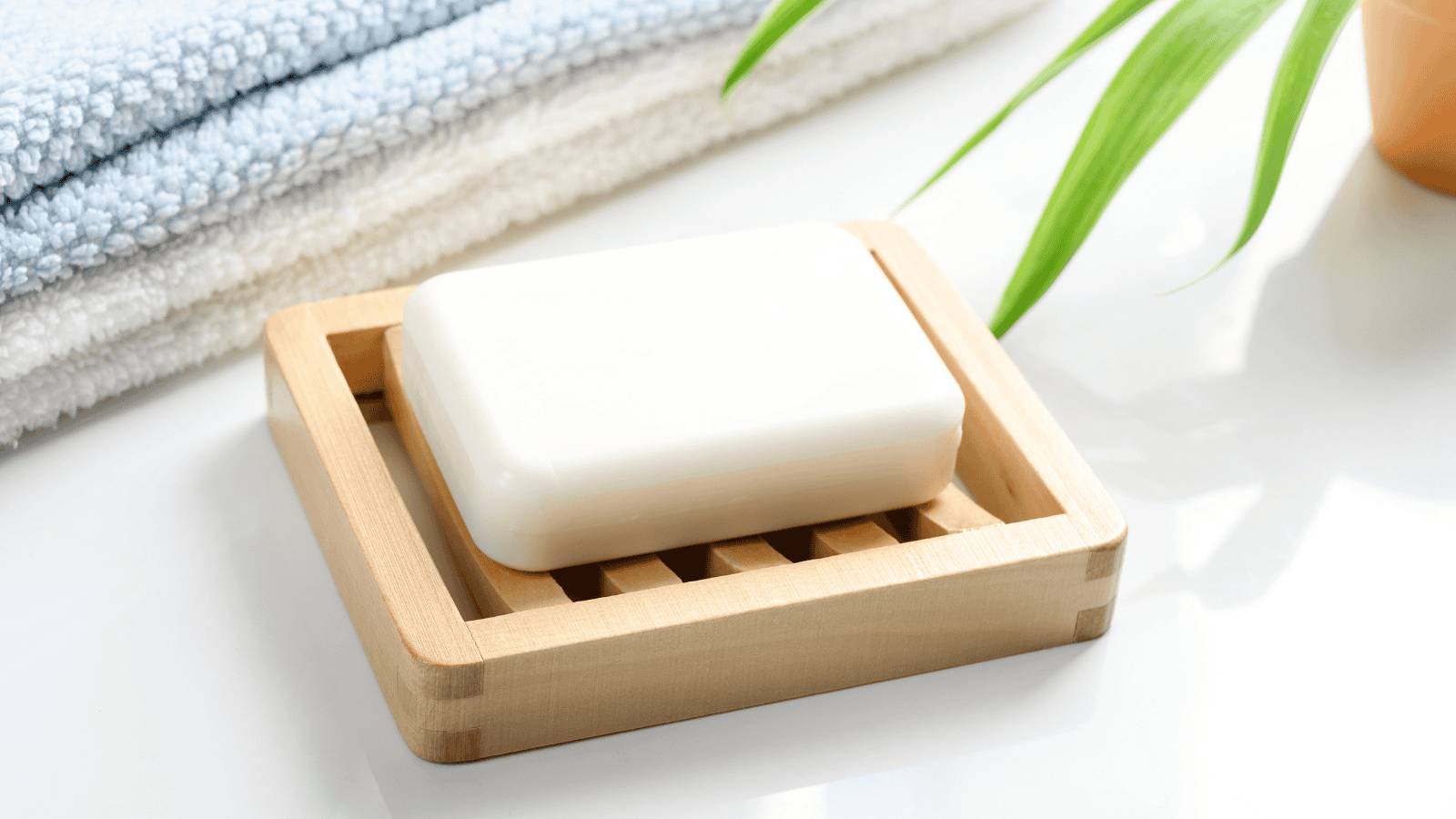
A lot of people from younger generations are looking for products that are cruelty-free and free from harsh chemicals, so the humble bar soap is having a hard time keeping up. A switch is being made to liquid soap or natural options that come in eco-friendly packaging.
Motorcycle Ownership

Between the cost and safety concerns, the motorcycle market has taken a hit, where many prefer biking for fun or sticking to fuel-efficient cars and rideshares. Dealerships and brands that once thrived on a steady stream of young riders are now struggling to attract new buyers.
Collectibles and Figurines

Younger people are more focused on creating memories and keeping spaces clean; as a result, businesses that thrived on collectibles, like certain gift shops and mail-order companies, have seen demand fall, because the definition of what’s “worth keeping” has definitely changed.
Napkin Rings and Formal Table Décor

And finally: setting a formal table with matching napkin rings, chargers, placemats, and decorative centerpieces just isn’t a priority for most millennials. While older generations might have loved dressing up the table for every holiday or dinner party, younger adults tend to favor a more relaxed, casual vibe.
This article includes content generated by AI.