
The ’70s gave us shag carpets, disco balls, and an impressive catalog of things you’re definitely not allowed to have today. A lot has changed since bell bottoms ruled the streets, and not just the fashion. Here are the 16 household staples and full-on cultural relics that didn’t make it out of the decade with their legal status intact.
Lawn Darts (Jarts)

What looked like harmless backyard fun was actually a lawsuit waiting to happen. Lawn darts were banned in 1988 after causing thousands of injuries and even a few tragic deaths. The metal-tipped missiles were too dangerous to justify the nostalgia. Vintage sets pop up online, but it’s illegal to sell or even possess them in the U.S., so those old Jarts are basically contraband now.
Leaded Gasoline

Back in the ’70s, leaded gasoline was king at the pump. It kept engines running smoothly but at a serious cost to human health and the environment. The phasedown started in 1973, and by 1996 it was fully banned for on-road vehicles.
Asbestos Insulation

Asbestos once blanketed American homes in a false sense of safety. In the ’70s, it was everywhere: wrapped around pipes, lining walls, hiding in ceiling tiles. The health risks eventually became undeniable.
Linked to deadly diseases like mesothelioma, asbestos was heavily restricted by the late ’80s. Today, using it in construction is largely banned, though many older buildings still quietly harbor it.
Freon Refrigerants

Freon used to be the miracle coolant for refrigerators and air conditioners, but it turned out to be a nightmare for the ozone layer. Starting in the late ’70s, scientists realized the damage it was causing. The U.S. began phasing out Freon in the ’90s under international agreements, and producing or importing it now without special permissions is illegal.
Handguns Without Serial Numbers

Before 1968, firearms didn’t always come with serial numbers, making them tough to trace. The Gun Control Act changed that, requiring manufacturers to mark all guns with serial numbers. While pre-1968 guns are still legal to own, making or possessing a new gun without a serial number (commonly called a “ghost gun”) is now a major federal offense.
PCBs (Polychlorinated Biphenyls)

PCBs were once industrial darlings, used in everything from electrical equipment to fluorescent lighting ballasts. Their chemical stability made them ideal for machinery, but it also meant they lingered, racking up a long list of environmental and health concerns. By 1979, the U.S. banned the manufacture and use of PCBs, though contamination remains a stubborn legacy.
PentaBDE Flame Retardants
Your ’70s couch probably wasn’t just avocado green – it was also loaded with PentaBDEs, a flame retardant heavily used in upholstered furniture. These chemicals were added to reduce fire risk, but they brought their own set of problems.
Over time, researchers linked PentaBDE exposure to serious health issues like hormone disruption, developmental delays, and neurological problems. As the evidence mounted, production was phased out starting in the early 2000s, and nowadays several states have completely banned products containing these toxic compounds.
Flammable Children’s Pajamas

In this decade, kids’ pajamas often caught fire far too easily. The Federal Flammable Fabrics Act amendments cracked down on that in 1971, mandating stringent fire-resistance standards. Pajamas had to self-extinguish or be made of snug-fitting materials. These days, those vintage flammable PJs are not just a hazard, they’re illegal to manufacture or sell.
Certain Pesticides Like DDT

DDT was once the go-to pesticide, blanketing fields and suburbs alike. Despite Rachel Carson’s Silent Spring raising alarms in the early ’60s, DDT stuck around into the ’70s. Mounting evidence of environmental harm and human health risks finally pushed the U.S. to ban it for agricultural use in 1972.
3-Wheel ATVs

The three-wheeled ATV made a loud entrance in the ’70s, promising off-road thrills for adrenaline junkies and weekend riders. Unfortunately, the design was dangerously flawed. Without a fourth wheel for balance, these machines were prone to tipping, leading to thousands of injuries and fatalities, many involving children.
Mounting pressure from safety advocates and regulators pushed manufacturers to voluntarily halt production by the late ’80s. While owning an old model isn’t illegal, selling new ones remains strictly prohibited.
Hair Dyes with Coal Tar

During this decade, coal tar-derived hair dyes were still lining drugstore shelves. Research eventually connected certain compounds in coal tar to cancer, prompting the FDA to issue tighter regulations. Some coal tar dyes still exist in cosmetics, but many once-popular formulas from the disco era wouldn’t pass today’s stricter safety tests.
Flavored Cigarettes

Clove cigarettes and other flavored smokes were a ’70s staple for those wanting a little more flair with their vice. But flavors appealed a little too much to younger would-be smokers. In 2009, the FDA banned most flavored cigarettes under the Family Smoking Prevention and Tobacco Control Act, with the big exception being menthol, which is still legal – for now.
CFC-Packed Aerosols

Hairspray, deodorant, spray paint – if it came in an aerosol can in the ’70s, it probably had chlorofluorocarbons (CFCs) in it. These chemicals wreaked havoc on the ozone layer. In response, CFCs were banned in consumer aerosols starting in the late ’70s, with a full phaseout under the 1987 Montreal Protocol.
Crib Bumpers

Back in the day, no nursery felt complete without a plush, padded crib bumper wrapped around the rails. Parents thought they were keeping their babies safe from accidental bumps and tangled limbs. Over time, though, studies showed that these bumpers posed a serious risk of suffocation and strangulation.
As the evidence piled up, federal lawmakers stepped in. In 2022, the U.S. officially banned the manufacture and sale of padded crib bumpers under the Safe Sleep for Babies Act.
Incandescent Lightbulbs (Certain Types)
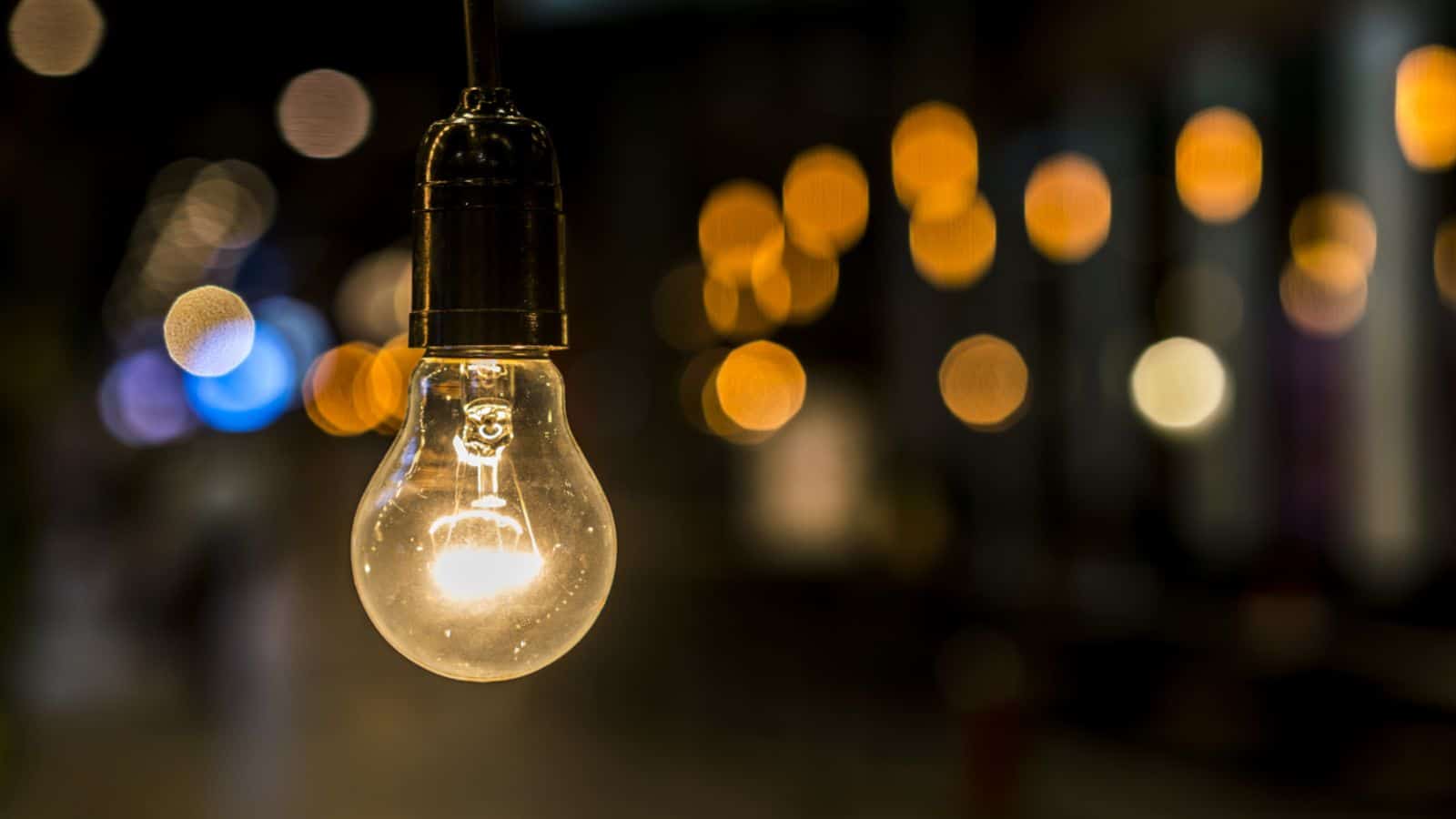
The warm glow of a 1970s incandescent bulb is hard to beat, but many models weren’t exactly energy efficient. New federal rules have gradually phased out the least efficient incandescent bulbs in favor of LEDs and CFLs. While some specialty incandescents survive, a lot of the classic styles from the ’70s are no longer legal to manufacture or import.
Mercury Thermometers
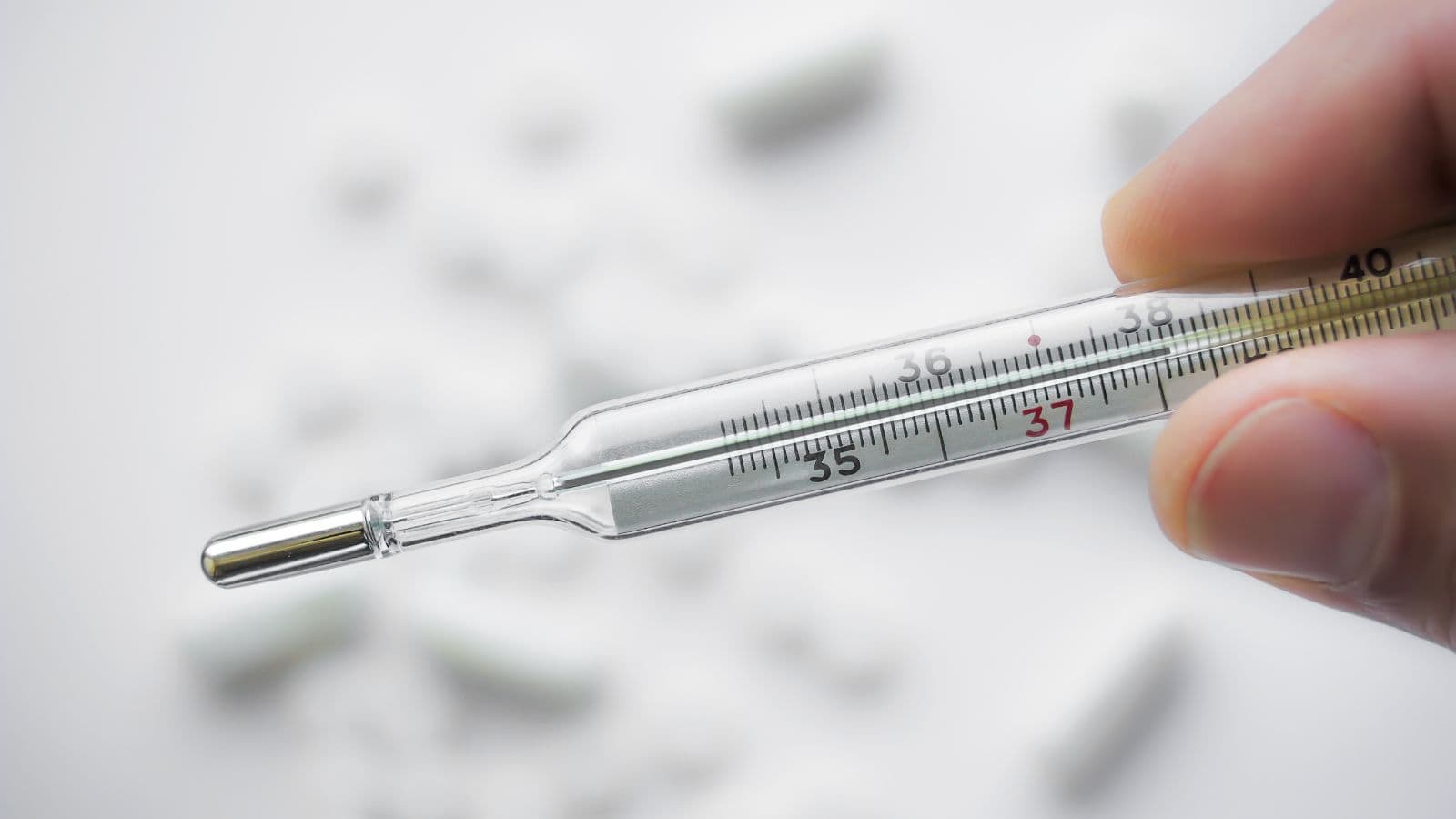
The glass thermometer tucked away in the bathroom cabinet was a household staple, but the mercury inside posed a hidden threat. If it broke, that silver liquid could cause serious health risks. By the early 2000s, mercury thermometers were widely banned in several states, and digital alternatives quickly took over.
This article may include content generated by AI and has been reviewed and edited by our editorial team for accuracy and clarity.