
Hitting 70 doesn’t mean you’re slowing down completely, but it’s a good time to take stock of a few things. Some habits that worked fine in your 40s or 50s might not be doing you any favors now. When it comes to staying healthy, keeping safe, or just making life a little easier, a few small changes can make a big difference.
Here are some habits that could be worth rethinking after crossing that milestone.
Ignoring Minor Health Issues

Just pushing through aches or brushing off new symptoms may have felt normal in earlier years, but things can change quickly as you age. Even something that seems small could be a warning sign. Keeping up with routine screenings and speaking up when something feels off can help you stay ahead of bigger health problems. Doctors would rather check it out early than deal with a bigger issue down the line.
Skipping Strength Exercises

Muscle loss happens faster after 70, and skipping out on strength work doesn’t help. You don’t have to lift heavy weights or join a gym, but some kind of resistance training matters. A few simple moves can improve balance, reduce fall risk, and help with everyday tasks. A little effort now could keep you steady for years to come.
Driving Without a Check-In

Eyesight, reflexes, and focus can shift with age. Being behind the wheel feels automatic after decades of driving, but regular vision checks and honest self-evaluations are important. Family members may hesitate to bring it up, so it’s worth being proactive.
If things feel off – like confusion at intersections or missed stop signs – it’s probably time to adjust how, when, or if you drive. Staying safe matters more than staying behind the wheel.
Eating Like You’re Still 30

Appetites don’t always match nutritional needs, especially in your 70s. Loading up on sugar, processed foods, or skipping meals altogether can do more harm than it used to. Bodies don’t bounce back the same way, and certain nutrients become more important. Focusing on balance, hydration, and smaller portions with real food goes a long way.
Skipping Social Time

Loneliness can sneak up on anyone, and it becomes more common as people retire or lose regular contact with friends. Staying connected isn’t just nice – it’s vital for mental health. Isolation is linked to everything from memory issues to depression. Even short visits, group meetups, or phone calls make a real difference. Making time for people helps you feel grounded and supported.
Holding On to Old Medications

That bathroom cabinet filled with expired pills and half-used prescriptions? It’s probably not doing you any favors. Old meds can lose effectiveness or even become harmful. Mixing the wrong ones – especially with new prescriptions – can cause serious problems. Staying organized with meds helps keep your health steady and your routine simple, so clear out what’s no longer needed.
Overcommitting Your Schedule

Rest matters just as much as activity. Slowing down doesn’t mean doing nothing, but overscheduling can wear you out faster than it used to. Having a packed calendar can feel productive, but it can also lead to stress, fatigue, or missed downtime. Life after 70 still needs rhythm, but it doesn’t need to be nonstop.
Dismissing New Friendships

Longtime friends may move away, grow distant, or pass on, leaving gaps that new people can help fill. Making new friends after 70 might seem unnecessary or awkward, but staying open to new connections keeps things fresh.
Shared hobbies, community classes, or even a chat at the coffee shop could lead to something meaningful. Social circles don’t need to shrink with age – they can grow in new and surprising ways.
Avoiding All Risk

Let’s face it: caution is smart, but playing it too safe can close you off from fun or new opportunities. Saying no to everything that seems unfamiliar could keep you physically safe, but it could also make life feel smaller. Trying a new recipe, visiting a new place, or joining a group probably feels a little out of your comfort zone, but they often bring joy.
Comparing Yourself to a Younger You

We all know it’s all too easy to get caught up in what you “used to” do – and that could mean hiking miles, juggling grandkids, or lifting heavy groceries. Holding yourself to your 40-year-old standard just isn’t fair on yourself. Your body and energy levels change, and that’s okay. Today’s version of you deserves just as much grace and patience as the younger one ever did.
Skipping Regular Hearing Checks
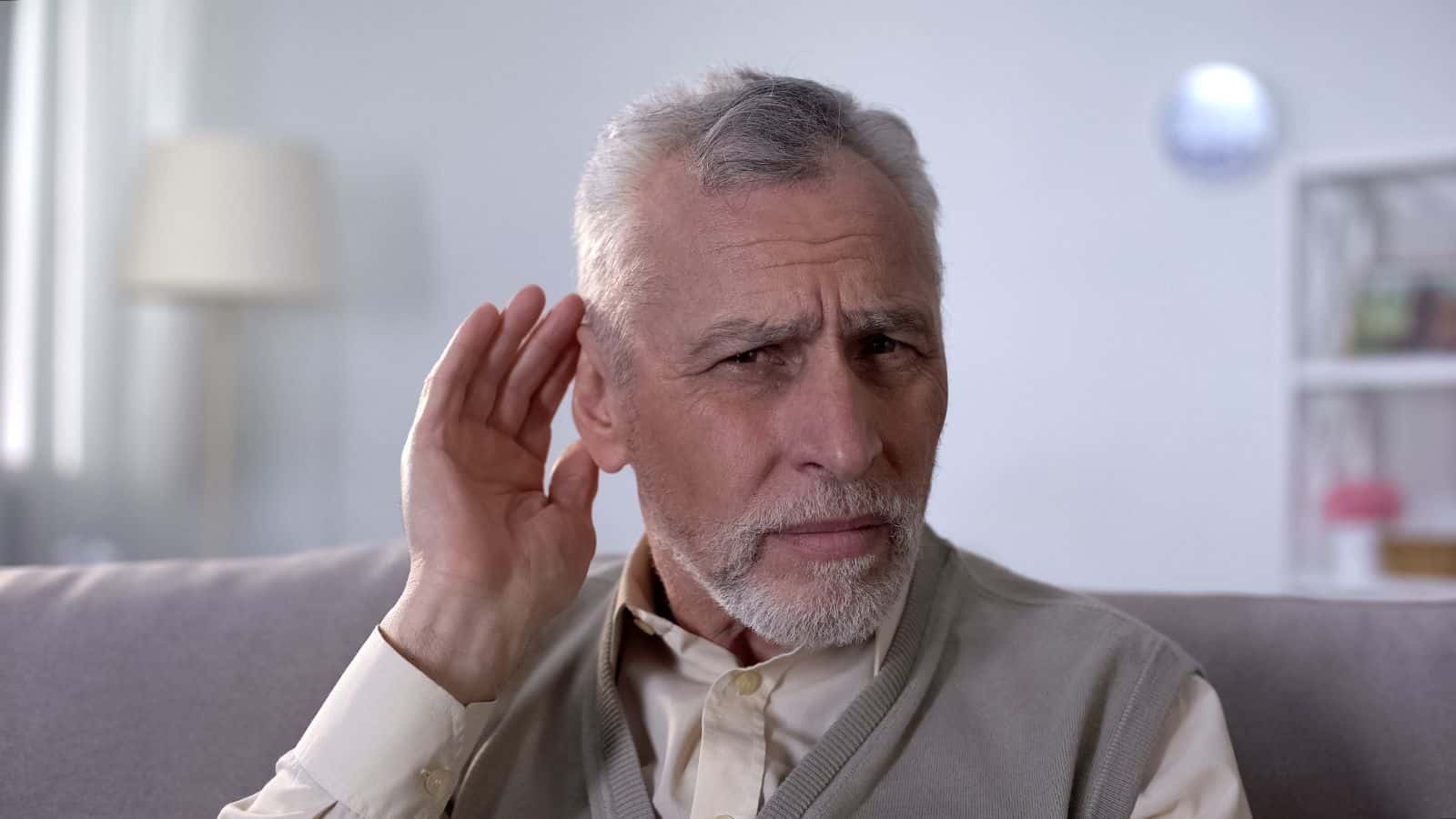
Do you miss parts of conversations or feel tired from trying to listen? Hearing loss can creep up slowly and quietly – literally. Regular checks can help you catch changes early. Hearing aids now come in discreet, easy-to-use styles that improve daily life without making you feel old. After all, there’s no harm in checking, but plenty of benefit if you do.
Pushing Through Pain

Let’s get one thing straight: pain isn’t just part of getting older – it’s a signal. Trying to “tough it out” may seem noble, but ignoring discomfort often makes problems worse. Whether it’s joint pain, headaches, or something unexplained, bringing it up with a doctor could lead to real relief. And you don’t have to suffer in silence or push past warning signs.
Thinking It’s “Too Late” to Try Something New

Last but not least, remember there’s no expiration date on learning something new, no matter what the calendar says. This could be painting, learning guitar, or joining a walking group – trying something unfamiliar brings new energy. It keeps your brain sharp and your days more interesting. Starting something new at 70 isn’t too late: it could actually be the perfect time.
This article may include content generated by AI and has been reviewed and edited by our editorial team for accuracy and clarity.