
The nicest furniture or fanciest decor will fall flat if a living room isn’t put together the right way. Interior designers often say it’s not about how much you spend, it’s about how everything works together. People make simple mistakes all the time without realizing it, and those little things can throw off the entire space.
If you’re trying to create a room that feels inviting, balanced, and stylish, it helps to know what to avoid.
Let’s take a look.
Pushing All the Furniture Against the Walls

Folks assume that placing every piece of furniture right up against the wall will make the room feel bigger, but the opposite is true. It makes a space feel disconnected and awkward, almost like a waiting room instead of a cozy hangout.
Pulling the seating closer together encourages conversation and warmth, making the layout feel more intentional and balanced.
Choosing the Wrong Size Rug
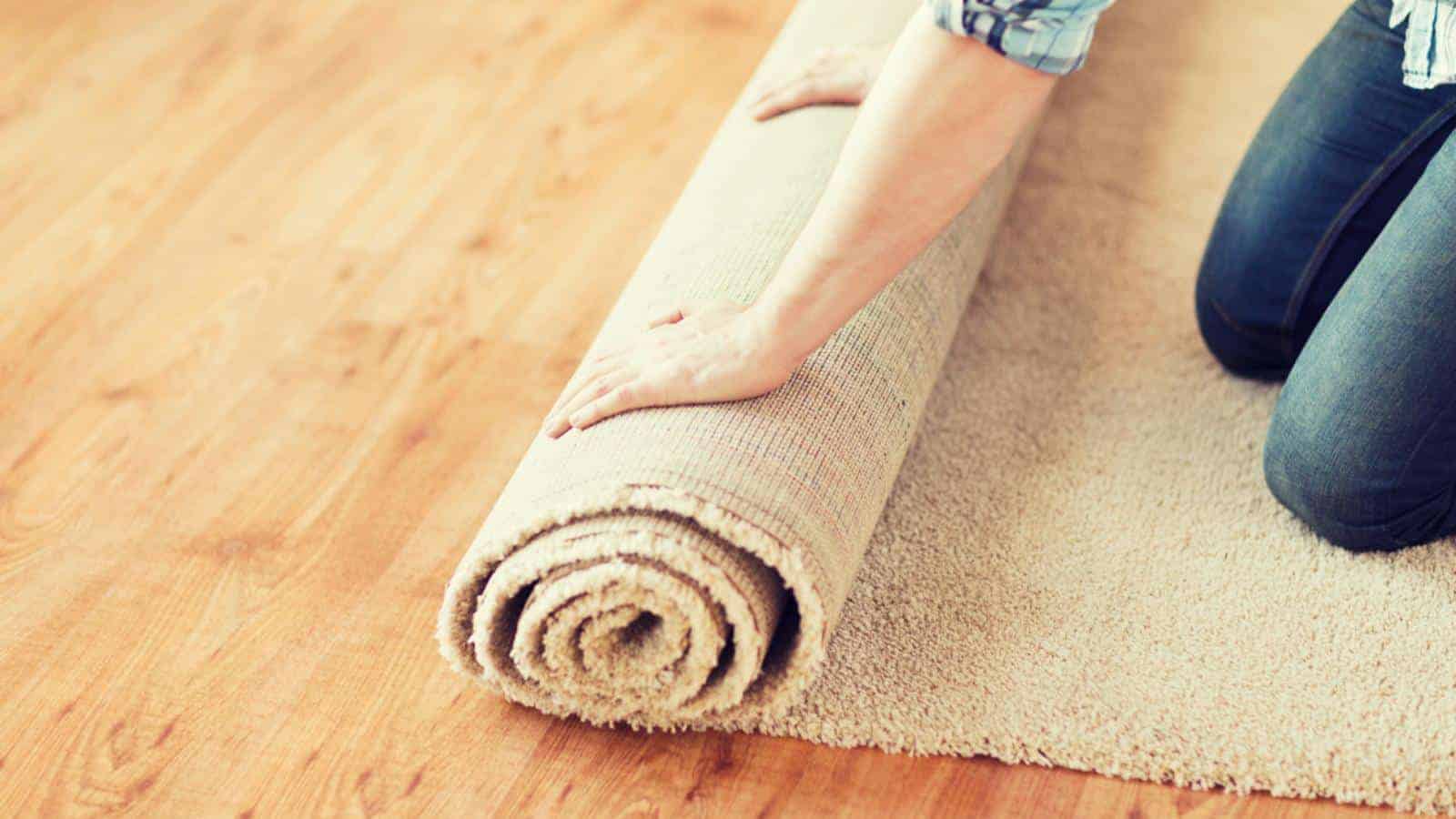
Plenty of living rooms end up looking off simply because the rug is too small for the space. A tiny rug floating in the middle of the room throws off the scale and can make everything feel smaller than it really is. Make sure that at least the front legs of your main furniture pieces sit on the rug.
Not Layering Lighting

One overhead light fixture isn’t going to cut it. Relying on a single source of light will make your living room feel flat or even a little harsh. Experts recommend using layers: table lamps, floor lamps, and maybe even wall sconces if you’re feeling fancy. Having multiple light sources gives you more control over the mood and highlights your decor in a more flattering way.
Ignoring Scale and Proportion
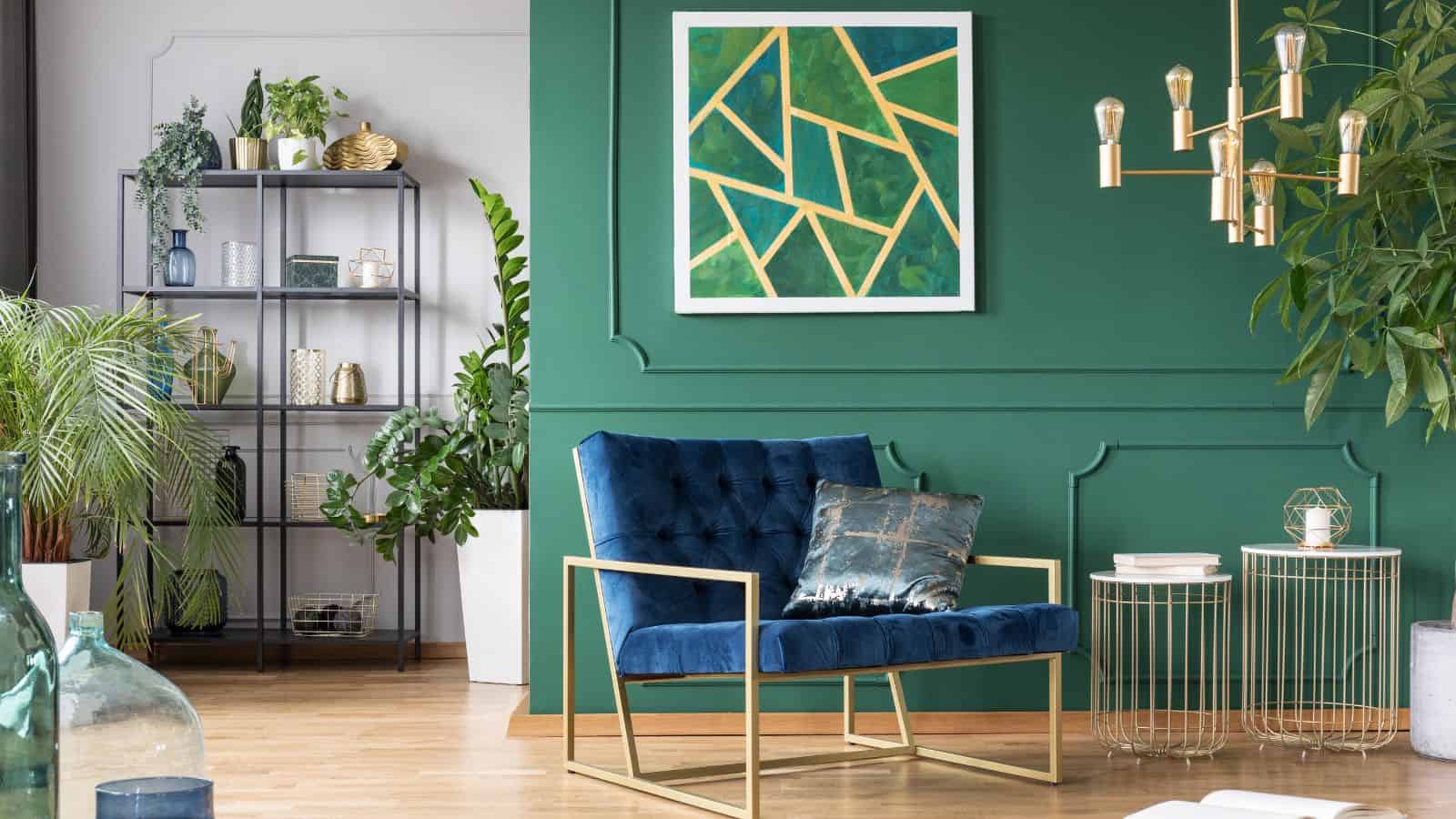
Get the proportions wrong and you’ll throw off a space without realizing why. A giant sectional in a small room or tiny chairs in a huge space can make everything feel uncomfortable.
Hanging Art Too High

Height makes a big difference. Artwork that’s hung too far up the wall makes people crane their necks just to look at it. This is a super common decorating mistake. Designers usually recommend hanging art at eye level, which means the center of the piece should be around 57 to 60 inches from the floor.
Using Only One Texture
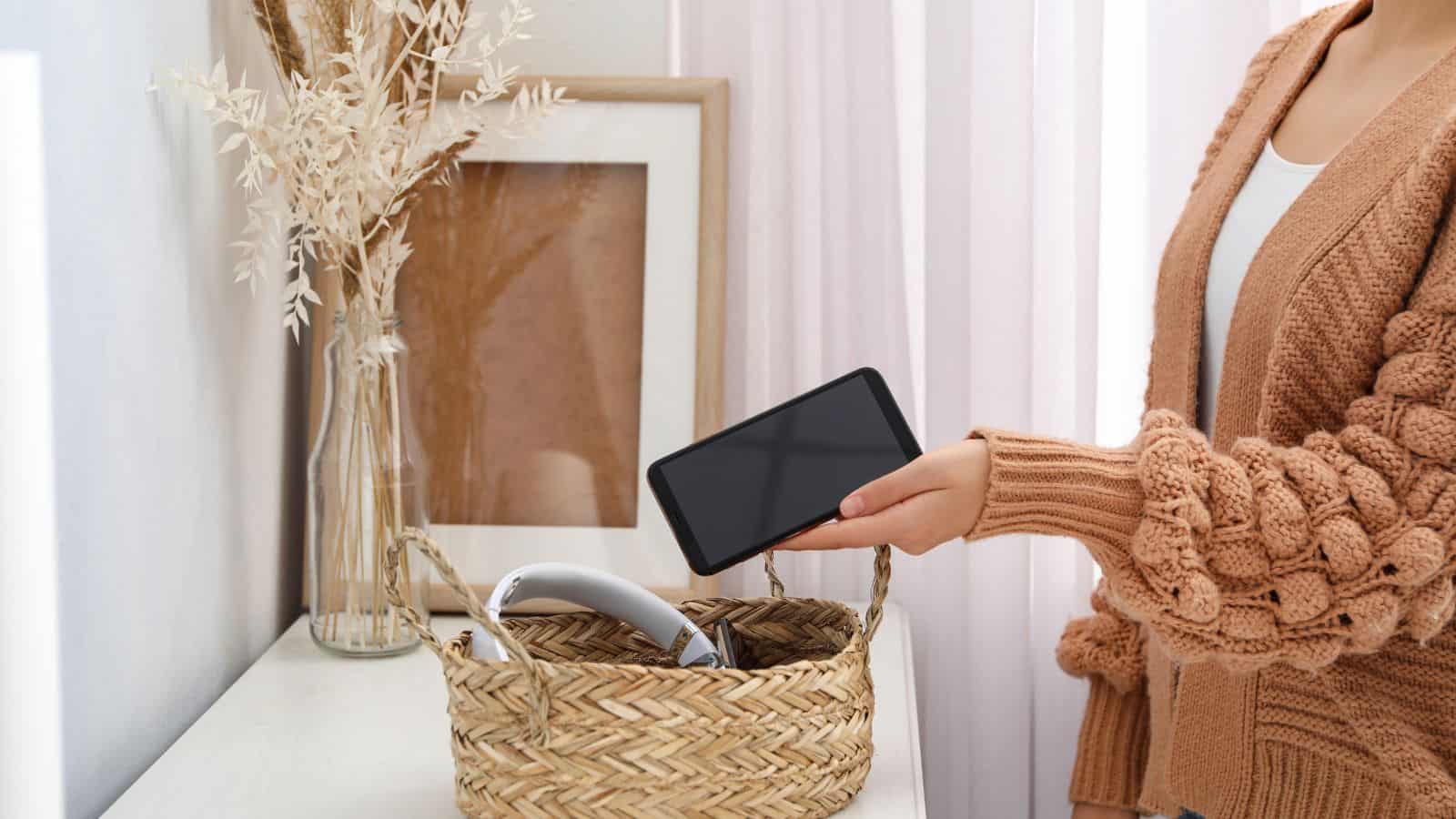
A living room filled with nothing but smooth surfaces or all the same fabric will feel boring and flat. Texture adds depth and personality to a space, so professionals often mix materials – think leather with linen, or wood next to velvet.
Even something small, like a chunky knit throw or a woven basket, can change the vibe of the room.
Overcrowding the Room

Sometimes, less really is more. Too much squeezed into one space will make the room feel tight and stressful, no matter how beautiful the items are. You want your living room to breathe. Designers often talk about leaving negative space, which just means giving your eyes and body a break.
Buying All Matching Furniture
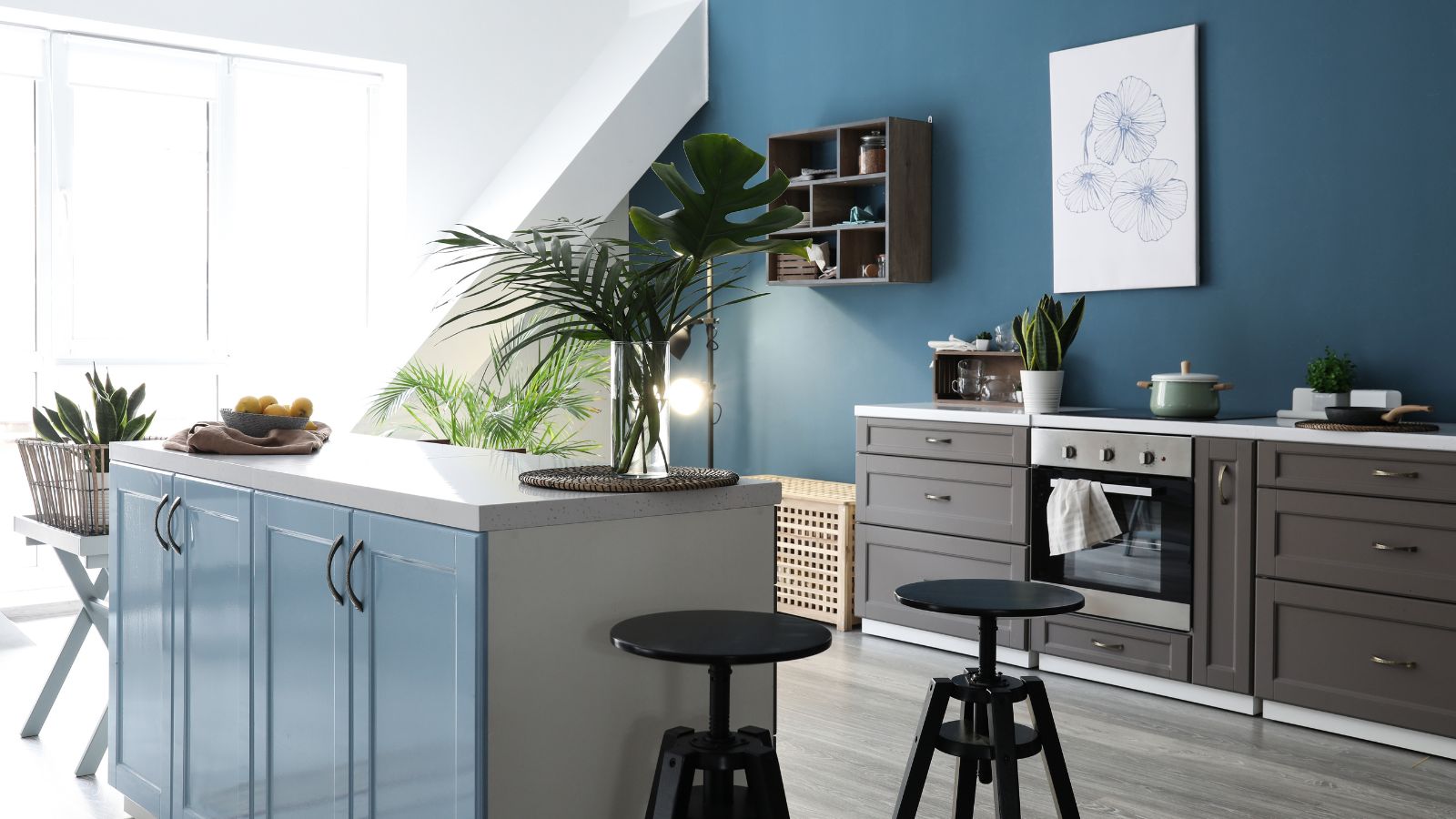
Furniture sets can be tempting because they make shopping easier, but they can also make your room look like a showroom. Try mixing different styles or materials to bring more character to the space.
A leather chair next to a fabric sofa or a vintage coffee table with a modern couch, adds interest and tells more of a story than a matching trio ever could.
Forgetting to Add Personal Touches
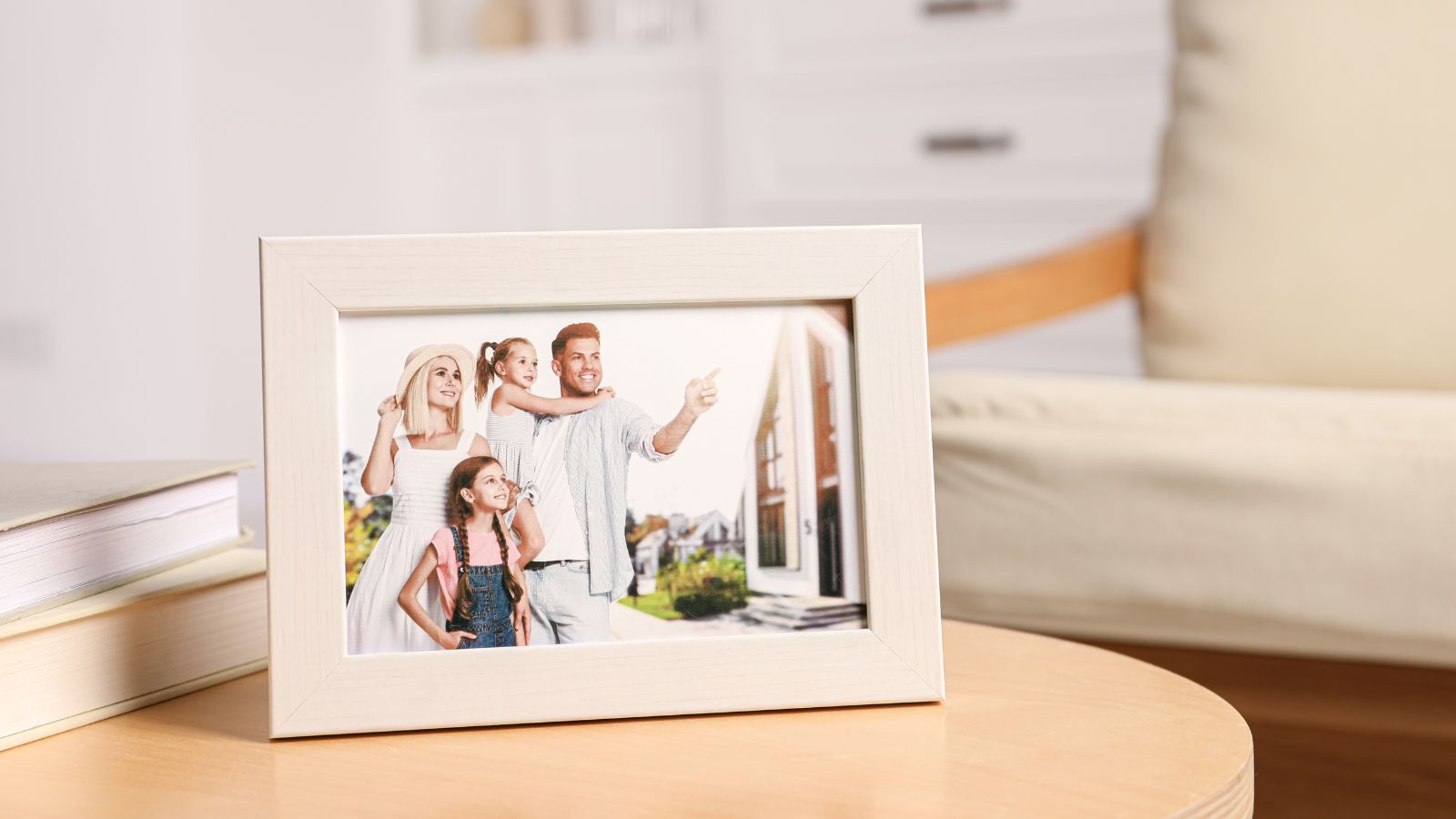
A room without any personal items can look beautiful but still feel like it belongs to someone else. What really makes a space come alive are the things that tell your story. They could be family photos, a piece of art you love, or a little collection you’ve gathered over the years.
Using Too Many Small Decor Pieces
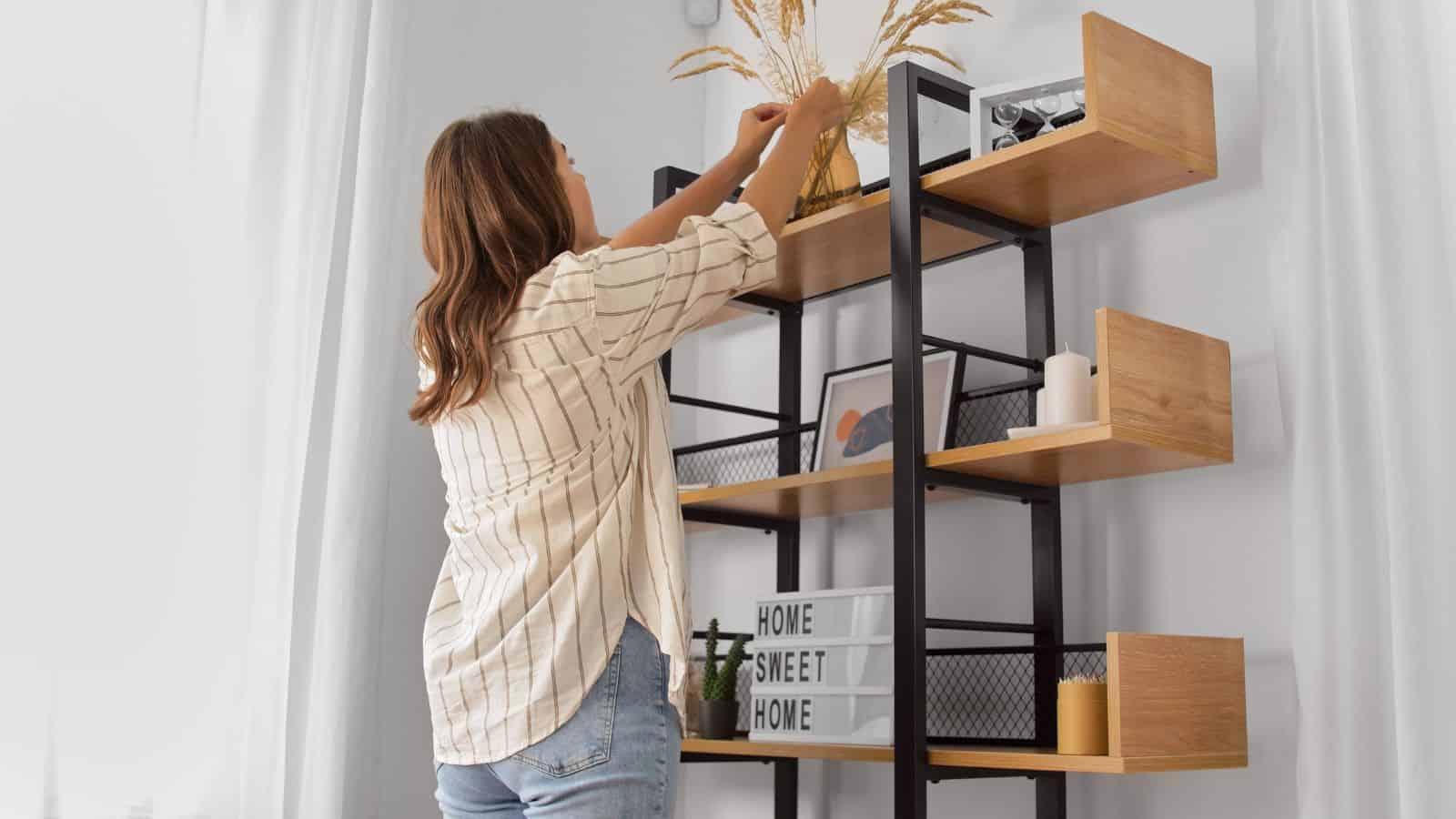
Shelves filled with lots of little trinkets will make the room feel cluttered. It’s easy to overdo it with tiny items that end up creating visual noise. Designers suggest grouping a few meaningful pieces together rather than spreading everything out.
Varying the size and shape of your decor also helps the eye move naturally.
Not Considering Traffic Flow
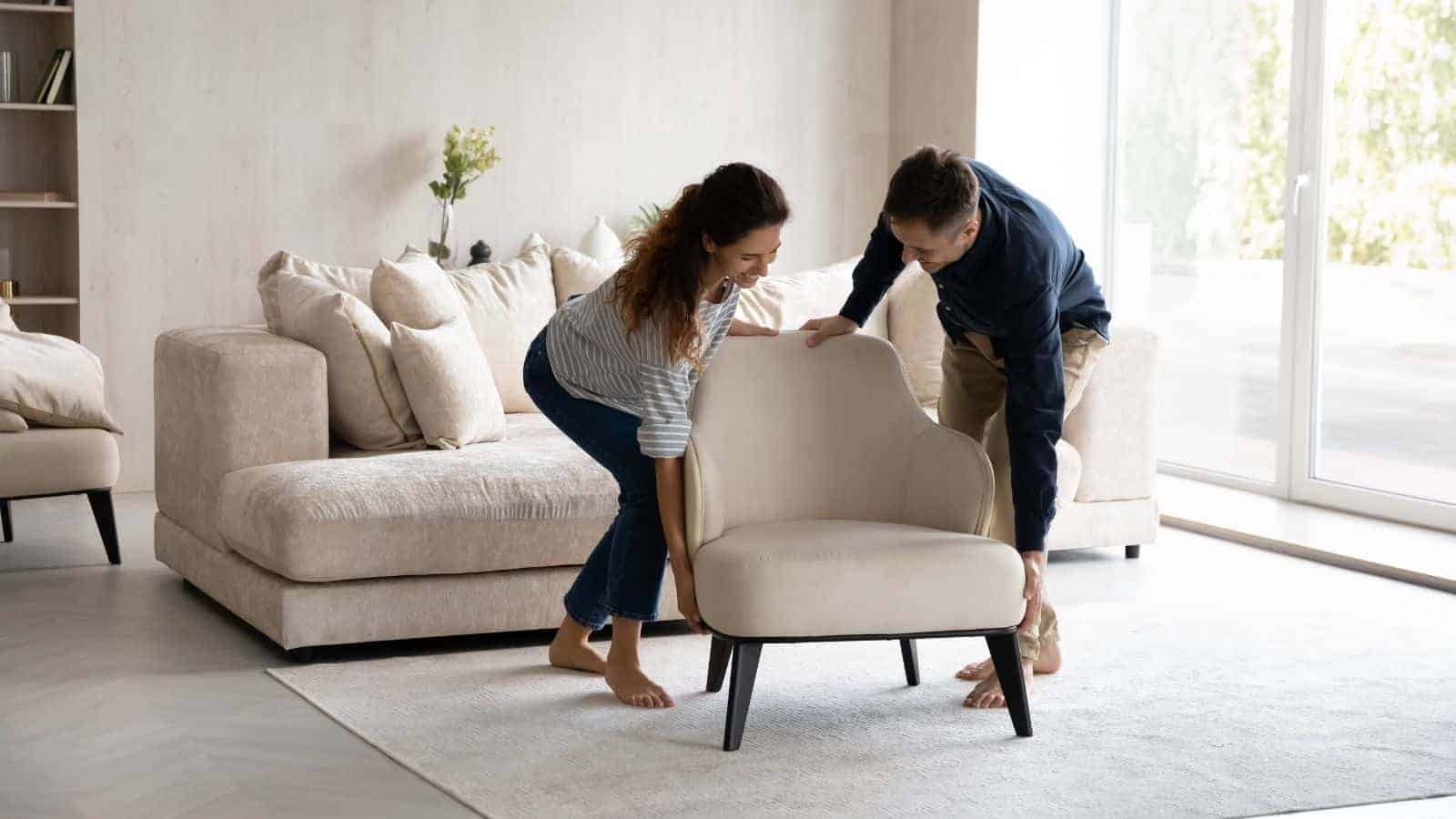
How people move through your space matters more than most folks realize. If you’re constantly bumping into furniture or squeezing past chairs, something needs to change. Consider how the room will be used day-to-day and leave at least two feet of walking space in the main paths.
Choosing Form Over Function
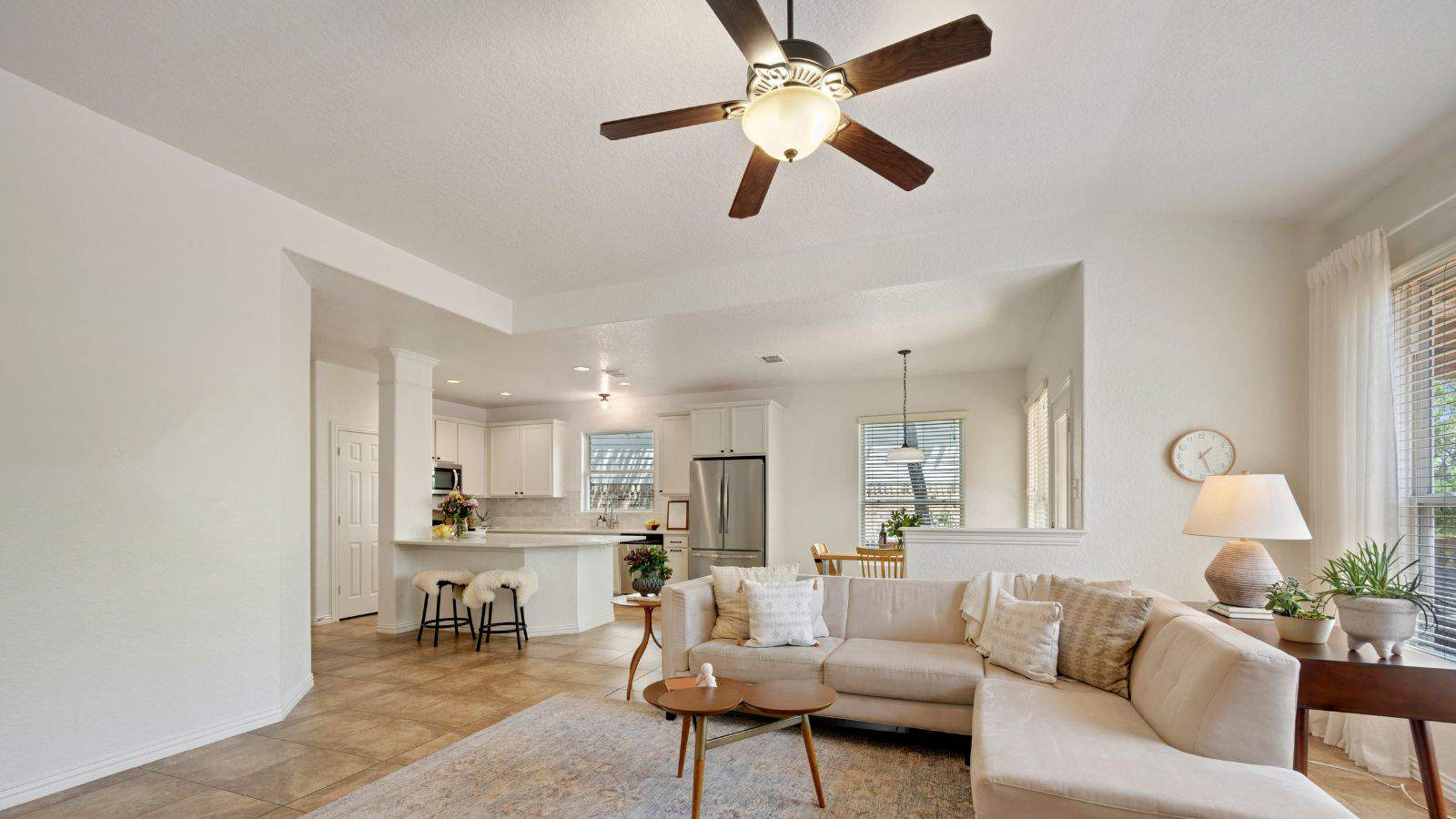
Something that doesn’t suit your lifestyle can become a daily annoyance – like the glass coffee table that shows every fingerprint or the trendy couch that’s uncomfortable. Your living room should be livable, not just photogenic.
It needs to work for how you actually live because it’s the most-used space in your home.
Leaving the Windows Bare

Some people skip curtains altogether, thinking it’ll make the room feel cleaner or brighter. But bare windows can make a living room feel unfinished or cold. Curtains or shades add warmth, texture, and a sense of privacy without blocking all the light.
They also help tie the room together and can be an easy way to introduce color or pattern.
Picking the Wrong Paint Color

The choice of paint color can feel like a guessing game and can totally change the vibe of the room. Some colors look amazing in one home but totally off in another because of lighting, furniture, or flooring.
Designers always test swatches on the wall and observe them at different times of the day. Paint plays a huge role in the overall feel.
Forgetting About Storage
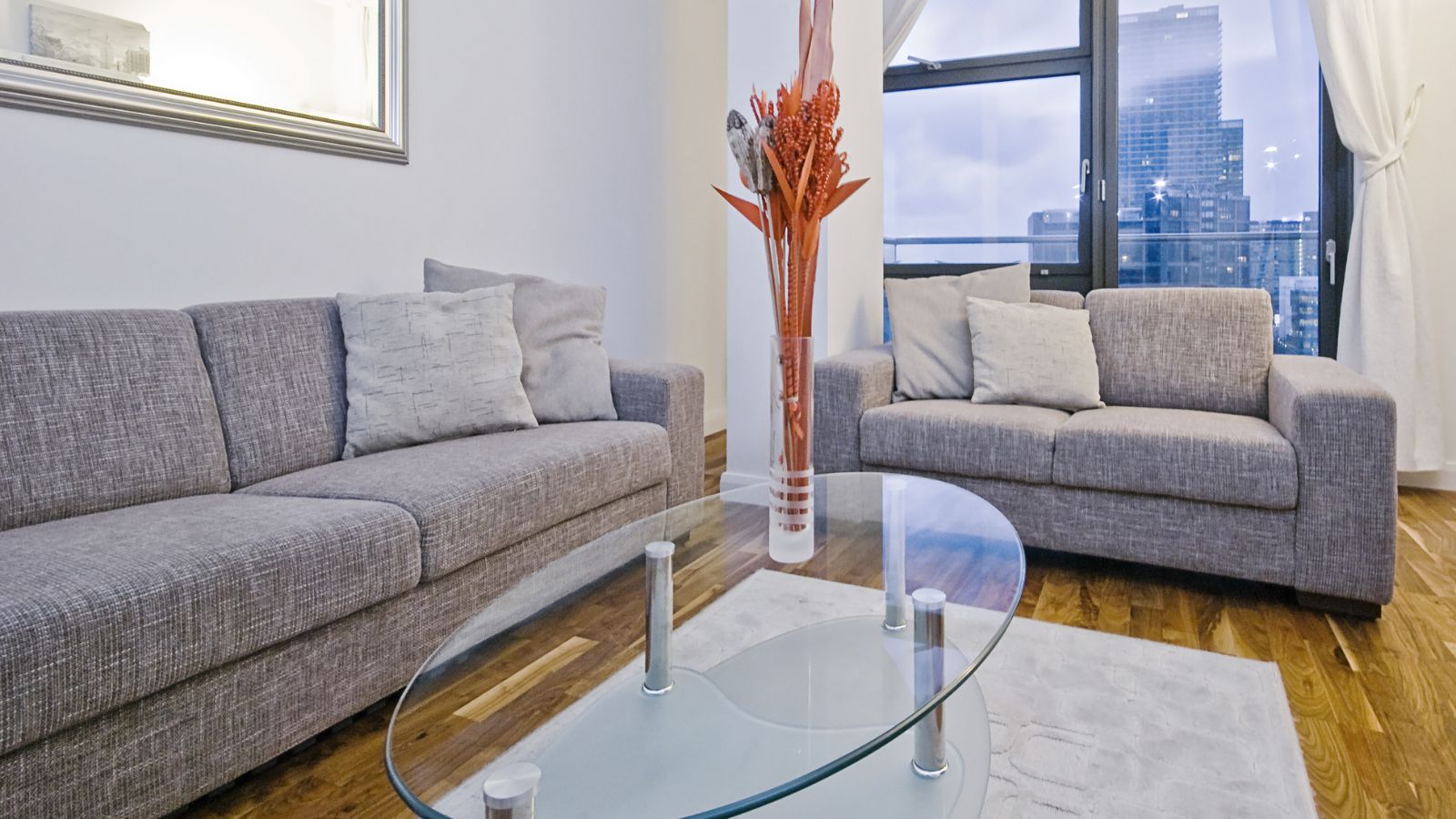
It’s hard to relax in a living room where there’s no place to put anything – and stuff like remote controls, books, toys, and blankets builds up fast. Coffee tables with hidden compartments, baskets, shelving, or built-in units can all help. Storage is about making the space work better and keeping things feeling clean without being bare.
Skipping a Focal Point

If a room has no clear focal point, it can feel confusing or even a little chaotic. Interior designers say every living room needs something that draws the eye, like a fireplace, a large piece of art, or even a big window. A good focal point helps organize the space and gives it a natural flow.
UP NEXT:
Millennials Don’t Want These 17 Products, and It’s Impacting Businesses
Restaurant Rip-Offs: 17 Menu Items That Are Never Worth Ordering
16 Things You’re Donating to Charities That They’re Actually Throwing Away
This article includes content generated by AI.