
There’s something uniquely soul-crushing about getting stuck in a bad airport. The lines feel endless and every speaker announcement sounds like a personal attack. While every airport has its rough days, some have earned reputations so notorious that travelers would rather cancel their trips than face them. Here are 15 airports that seem designed to test your patience.
LaGuardia Airport (LGA)

For many New Yorkers, just hearing the name brings a wave of dread. LaGuardia has long struggled with cramped roadways that seem permanently jammed, and even after extensive renovations, its confusing terminal layouts continue to baffle visitors.
Security lines feel like slow-moving marathons, often leaving travelers sweaty and stressed before they even reach their gates. While improvements have helped somewhat, the airport still holds onto its reputation for making even short trips feel like a grind.
Los Angeles International Airport (LAX)

Navigating the sprawling horseshoe design of LAX feels like a test of patience and spatial awareness. Every car, shuttle, and bus is forced into the same sluggish traffic loop, creating a bumper-to-bumper mess that barely moves during peak hours. Ongoing construction projects attempt to modernize the chaos, but often create even more bottlenecks.
Chicago O’Hare International Airport (ORD)

Once inside O’Hare, time seems to lose all meaning: flight delays stack up with mind-numbing frequency, turning short layovers into multi-hour ordeals. Terminal sprawl makes even minor gate changes feel like an unexpected cardio session, as passengers hustle down endless corridors that snake in every direction.
On top of all this, storms frequently disrupt operations, leaving thousands stranded in uncomfortable gate areas, wondering if they’ll ever take off.
Newark Liberty International Airport (EWR)
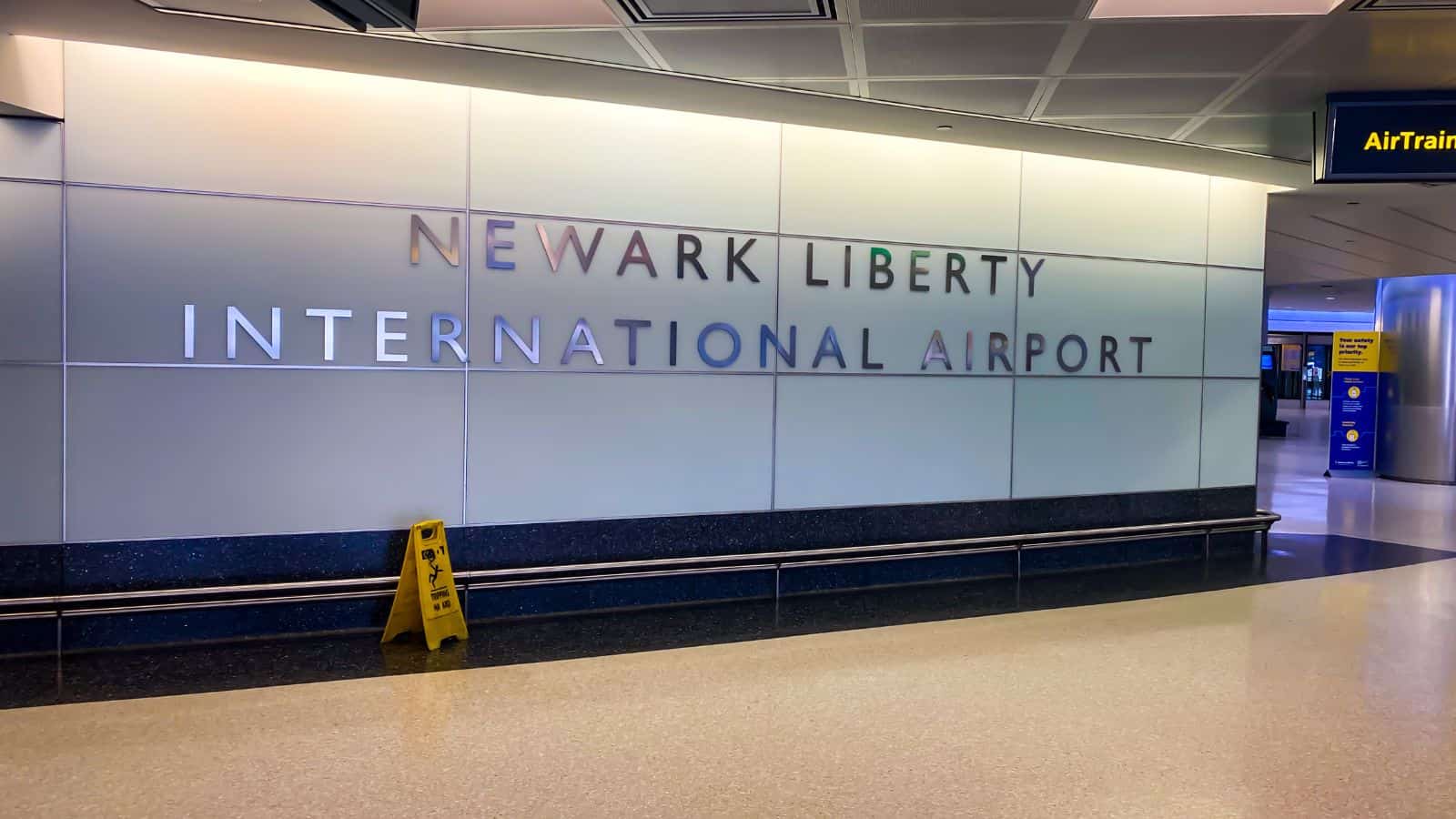
There’s a gritty, worn-down quality to Newark that few travelers romanticize. The terminal interiors often feel like relics from the early days of air travel, with flickering monitors and aging seating that barely offers support. Delays are practically baked into the experience, often due to the region’s congested airspace.
Ground transportation only adds to the frustration, with unreliable shuttles and costly parking compounding the headache. Many passengers leave feeling like the airport was actively working against their travel plans rather than facilitating them.
Philadelphia International Airport (PHL)
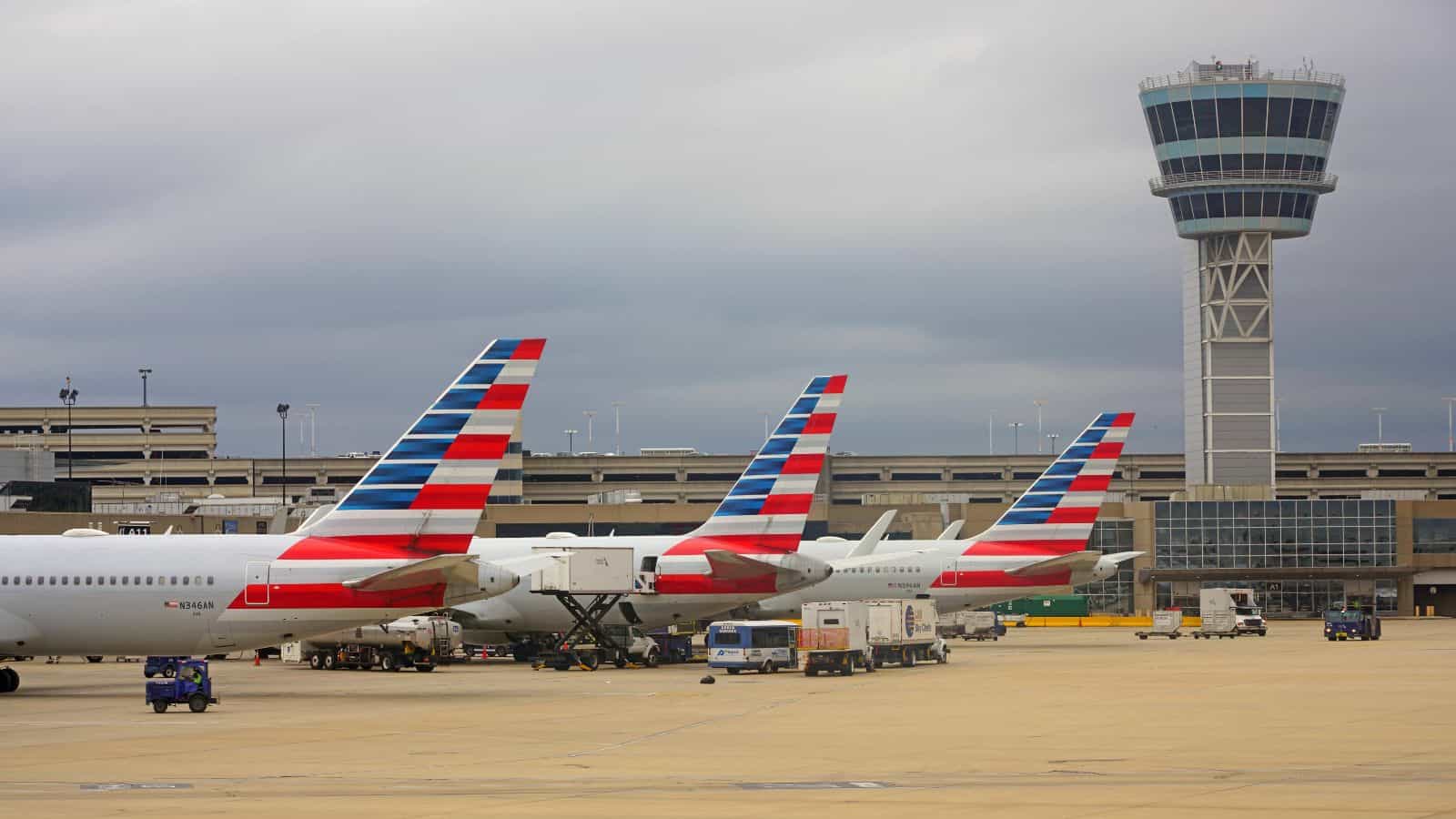
Entering Philadelphia International often feels like stepping into a space that’s simply given up. The layout requires multiple awkward transitions between terminals, creating confusing paths that even seasoned travelers find disorienting. Dining options largely consist of overpriced chains that lack any real local flavor or charm.
Miami International Airport (MIA)

In Miami, the airport experience mirrors the city’s sensory overload but with none of the fun. The security lines twist around in seemingly endless loops, creating a slow-moving sea of passengers weighed down by luggage and impatience.
Inside the airport itself, seating becomes scarce and the ever-present humidity manages to sneak into every corner of the terminals.
Denver International Airport (DEN)
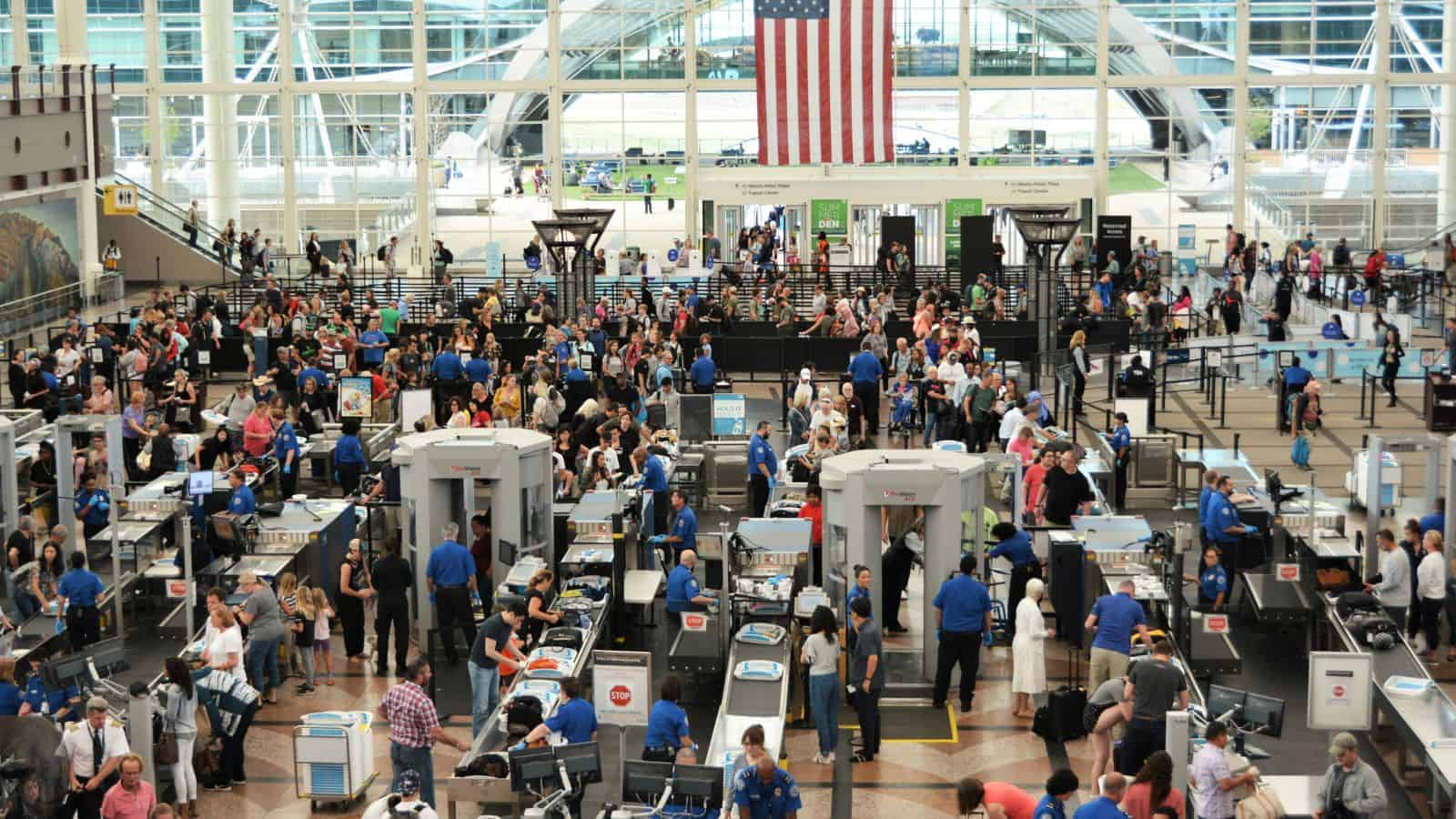
Arriving at Denver International often feels like you’ve landed in a separate town entirely. The vast distance from downtown only hints at the airport’s sprawling interior, where underground trams shuttle passengers between concourses that seem to stretch for miles. Winter weather routinely throws flight schedules into disarray, creating a domino effect of delays that leave passengers camped out on the floor.
Dallas/Fort Worth International Airport (DFW)

Few airports feel as overwhelming as DFW, where the sheer size transforms every trip into a logistical puzzle. Multiple terminals sprawl across the area, and travelers have to constantly factor in extra time just to navigate between gates. Unexpected gate changes can send passengers speed-walking across what feels like entire zip codes.
Atlanta Hartsfield-Jackson International Airport (ATL)
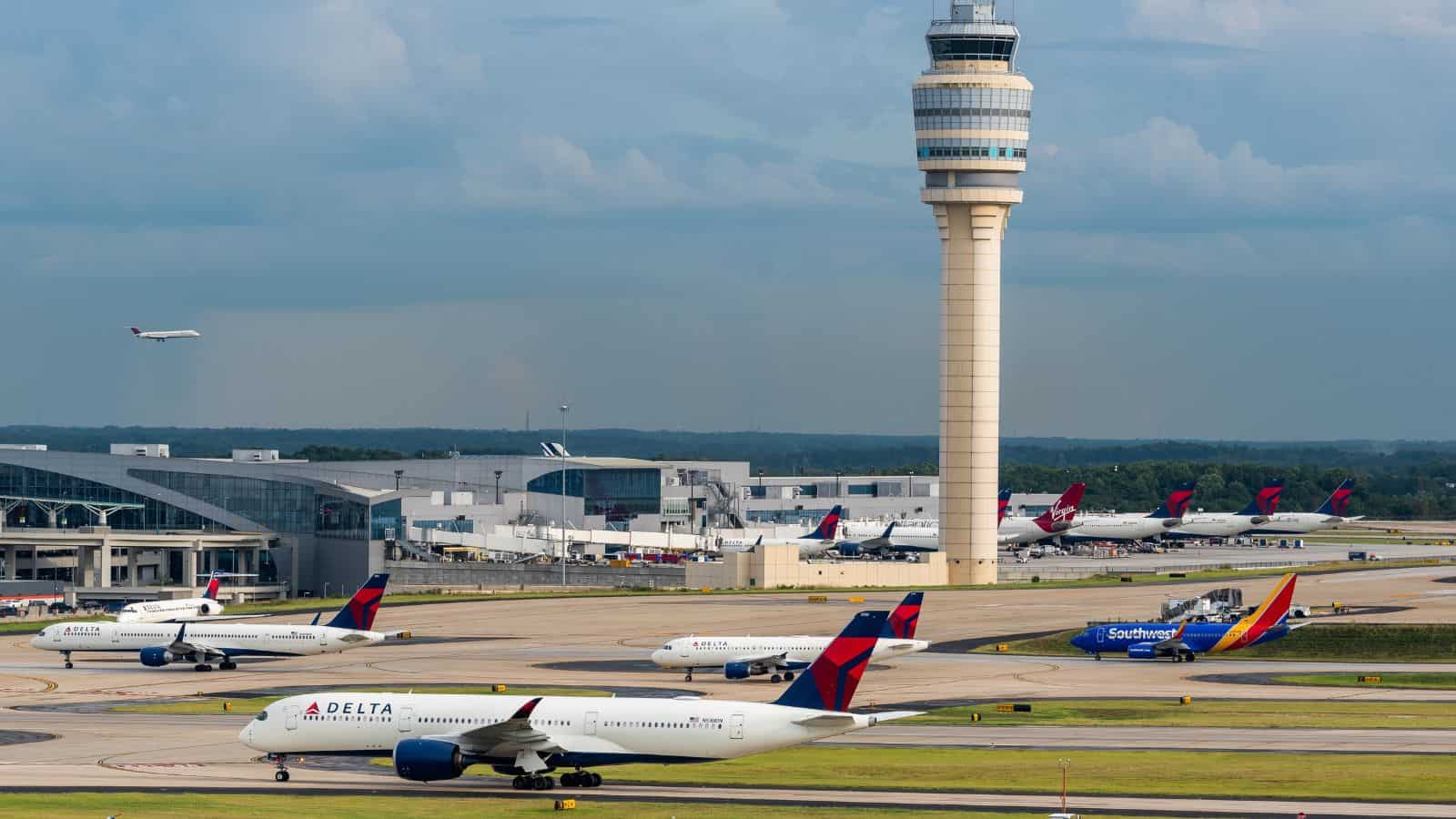
The overwhelming volume of passengers moving through Atlanta creates a hum of organized chaos at all hours. Underground trains help shuttle the crowds between concourses, but when delays strike, the system buckles under the strain.
Security lines sprawl like rivers of humanity, and once inside, seating can quickly disappear under the sheer mass of travelers. It’s a masterclass in controlled overcrowding that often leaves even seasoned travelers weary.
Boston Logan International Airport (BOS)

In order to reach Logan, you have to navigate a labyrinth of tolls, detours, and traffic that never quite clears. Narrow walkways and cramped seating in the terminals amplify the sense of congestion, especially during peak travel times.
New England’s unpredictable weather regularly disrupts flight schedules, stacking delays on top of delays.
Charlotte Douglas International Airport (CLT)

The concourses at Charlotte Douglas feel perpetually crowded, with lines snaking through security and limited seating forcing some to camp out along walls or sit cross-legged on the floor. Connecting flights often involve tight windows that send passengers speed-walking between distant gates.
Seattle-Tacoma International Airport (SEA)
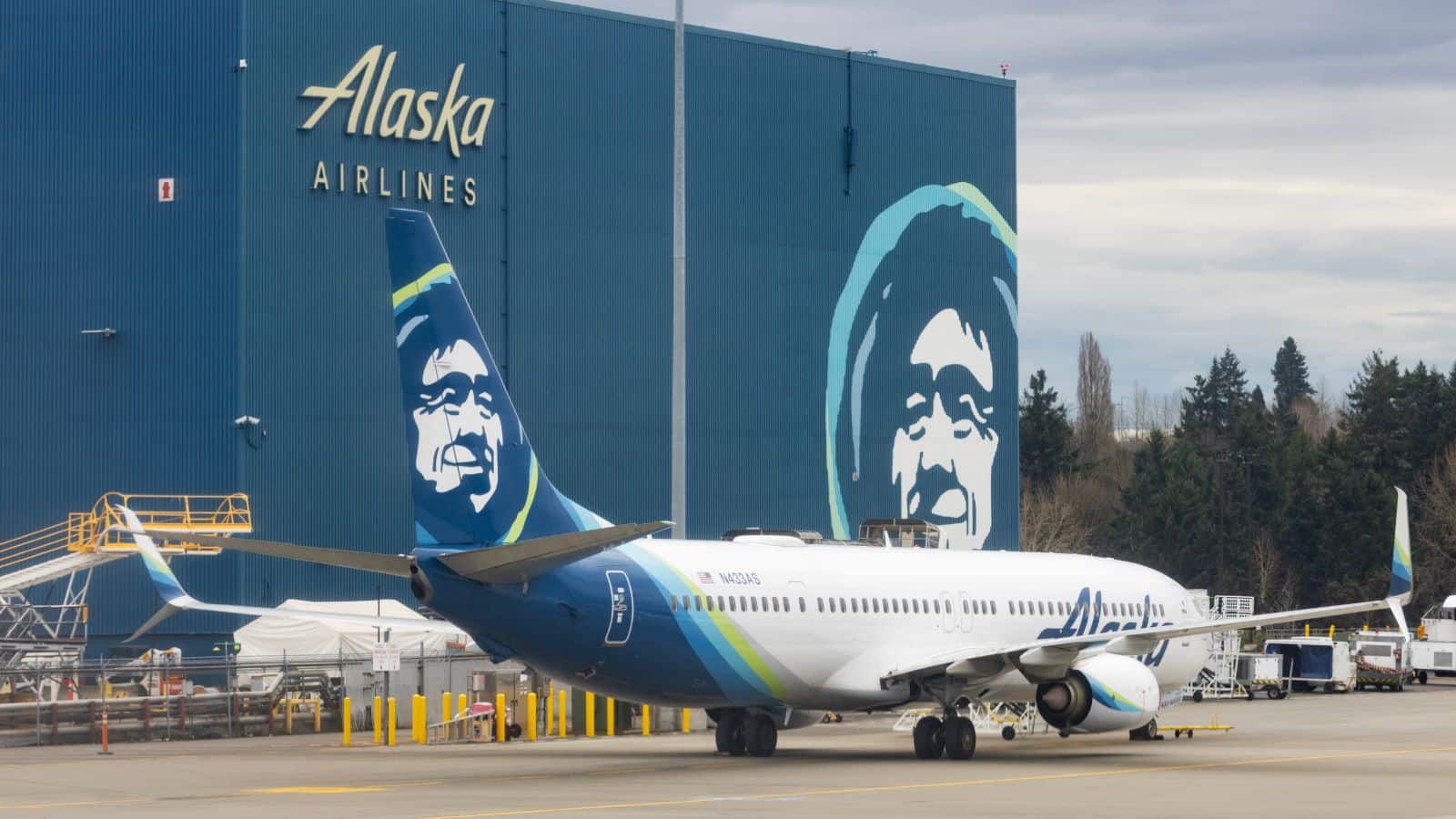
Space is at a premium inside Sea-Tac, and it shows. Narrow walkways become choke points during peak hours, with growing passenger numbers overwhelming the limited space. Construction projects aim to address the problem, but they often create temporary bottlenecks that frustrate travelers even more.
Honolulu Daniel K. Inouye International Airport (HNL)

The open-air design of Honolulu’s airport may sound charming, but in practice, the humidity and heat quickly turn waiting areas into uncomfortable holding pens. Rain often seeps into walkways, leaving floors slick and passengers scrambling to stay dry. Dining options feel surprisingly limited for such a major tourist hub, and seating disappears fast during peak travel periods.
Las Vegas Harry Reid International Airport (LAS)

Sensory overload defines the Las Vegas airport experience, starting with the endless rows of slot machines that buzz and chime throughout the terminals. Security lines can feel especially chaotic, with a steady flow of exhausted vacationers juggling oversized souvenir bags and hangovers.
The desert heat lingers inside, while crowded seating areas offer little reprieve. Long layovers become endurance tests as travelers navigate the neon-soaked halls in search of a brief moment of quiet.
Orlando International Airport (MCO)

Every available inch of space in Orlando International is shared with families weighed down by strollers and armloads of theme park merchandise. Security feels slower than they are simply due to the volume and nature of travelers passing through.
While the airport tries to capture some of the area’s trademark magic, the overcrowded, high-pressure atmosphere strips away much of the enchantment.
Some content in this article was generated with the help of AI and has been carefully edited by our team to meet our editorial standards.