
Once upon a time, these towns were charming little pit stops that made road trips sparkle. Now, not so much. Locals are over it, and increasingly over outsiders. Blame social media fame, burnt-out Airbnbs, or just good old-fashioned small-town resentment. If you’re chasing cozy Americana, these 16 spots might make you feel like you’ve shown up uninvited.
Sedona, Arizona

The red rocks still look magical, but the attitude on the ground has shifted hard. Energy-healing seekers and selfie hikers have maxed out local patience. You’ll find trailheads jammed and a pervasive sense that you’re about three crystal questions away from getting side-eyed out the door. For a town built on “good vibes,” the ones coming off the locals lately feel more like a warning.
Marfa, Texas
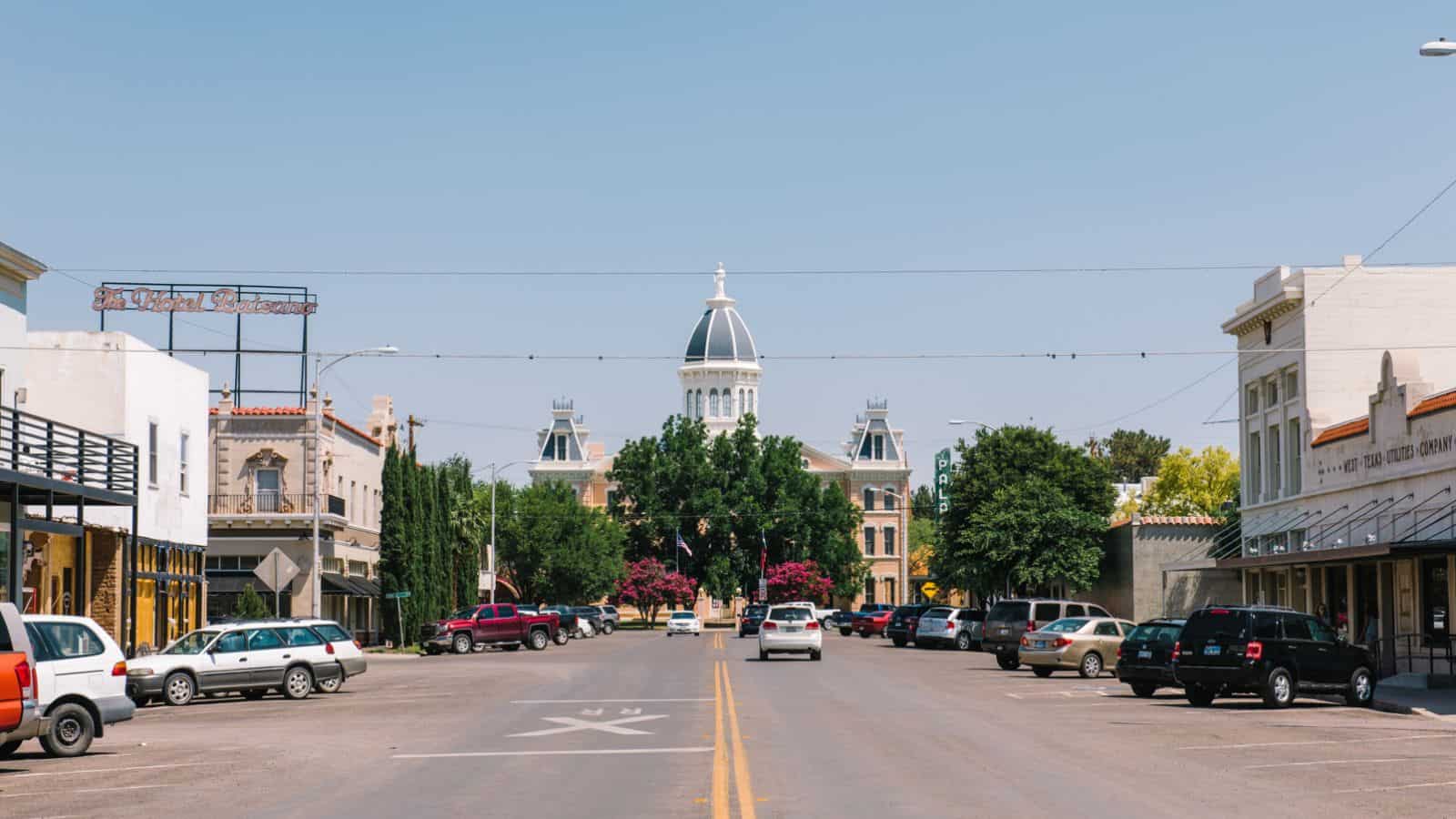
What started as a quiet arts outpost in the desert now feels like a curated museum piece under siege. Residents watch the daily influx of influencers and weekenders with thinly veiled disdain. Ask about the Prada installation and prepare for a long sigh. It’s not that tourists aren’t allowed, it’s just that the town doesn’t feel like it wants them anymore.
Stowe, Vermont

Snowfall and scenery remain top-tier, though the overall mood has shifted in a way that’s hard to ignore. People are fed up with bumper-to-bumper weekends and the kind of visitor who forgets they’re in someone else’s backyard. You’ll notice it in curt service and that unmistakable look that says, “Please go back to Boston.”
Telluride, Colorado
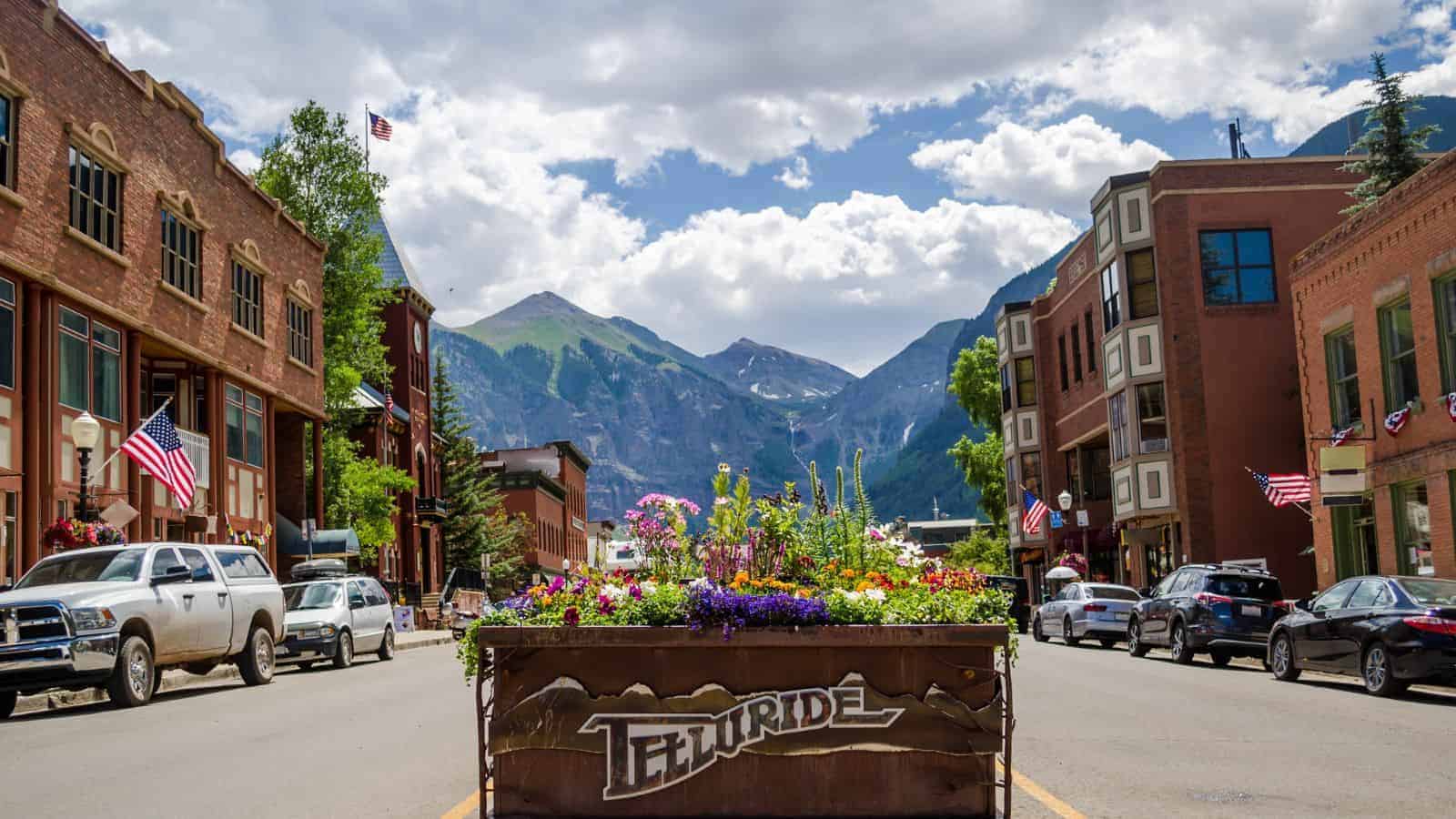
At 8,750 feet, the altitude isn’t the only thing that might leave you winded. Soaring housing costs and the flood of visitors have worn community members thin, both emotionally and economically.
There’s an unspoken tension that bubbles to the surface when out-of-towners treat every interaction like part of their luxury getaway. Stick around long enough, and you’ll sense the cracks behind the postcard-perfect scenery.
Asheville, North Carolina

Bohemian appeal still lingers in Asheville, but it’s buried beneath layers of turnover and tension. Residents navigate a town packed with overbooked breweries, street performers they didn’t ask for, and a rental market that’s completely off the rails. Small talk at the bar often turns to frustration, especially once it becomes clear you’re “just visiting.”
Jackson, Wyoming

Conversations here have shifted from weather and wildlife to housing shortages and helicopter parents on ski vacations. The mood is tight. Workers commute hours to serve guests who complain about “rustic charm” while booking $1,200 rooms. People who call it home aren’t being rude, they’re just done explaining where to find the elk.
Bar Harbor, Maine
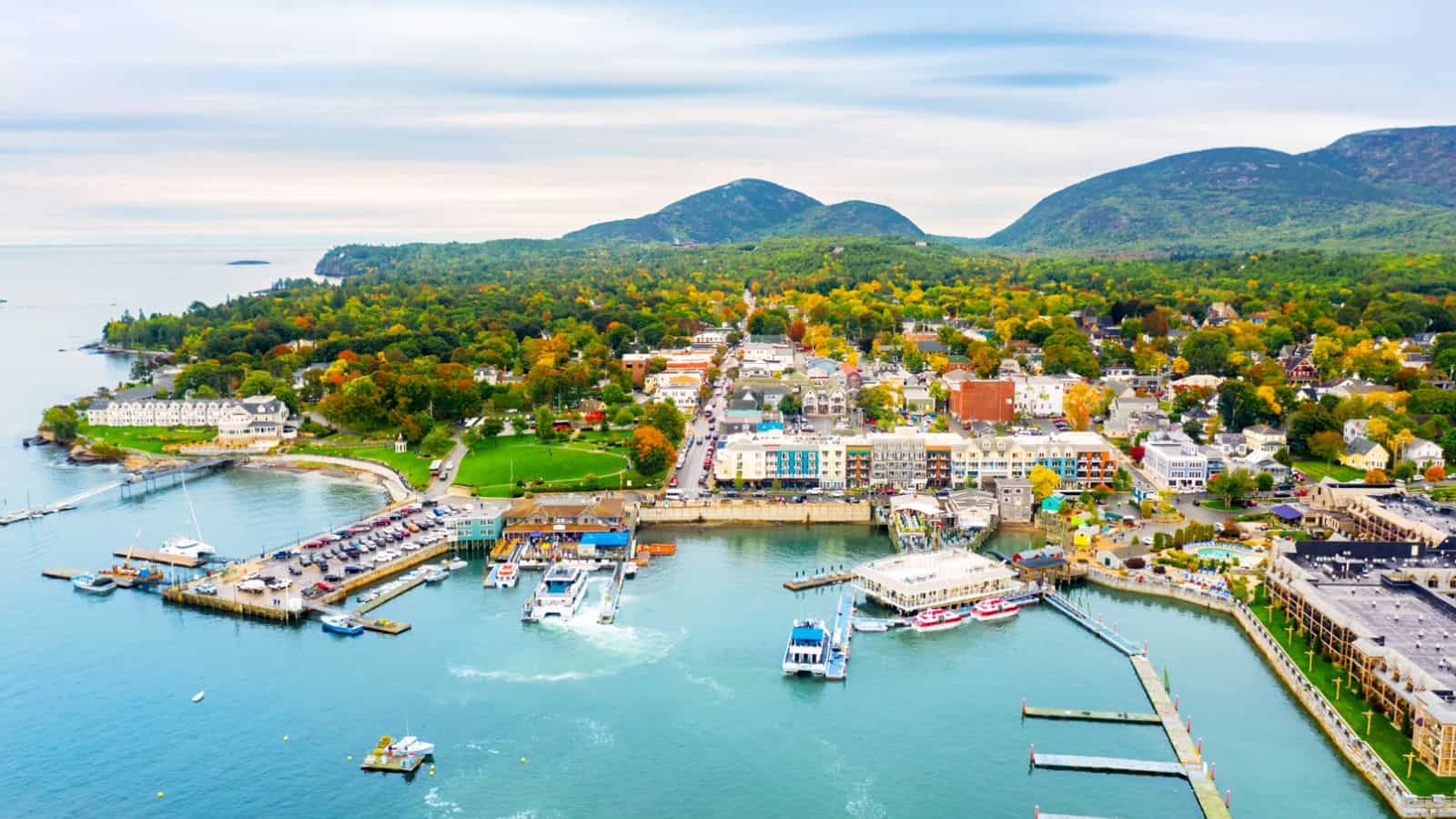
During summer, this once-peaceful coastal town transforms into something close to tourist triage. The streets swell with day-trippers and cruise crowds pouring in faster than the infrastructure can handle, and the mood sours quickly. Order a lobster roll and you might catch a silent grimace from the person handing it over. Beneath the picturesque charm, the town is running on fumes.
Moab, Utah
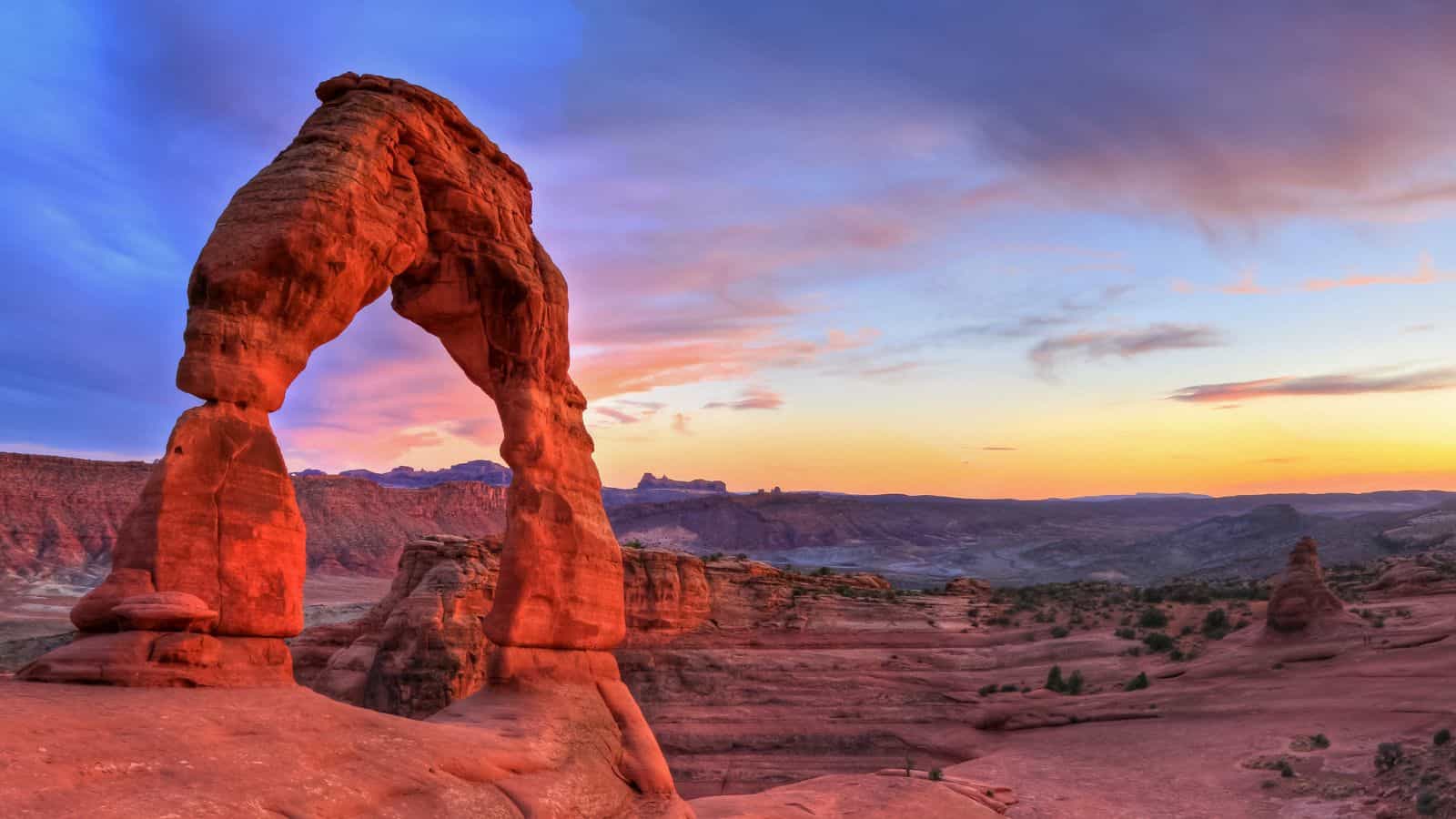
The desert isn’t quiet anymore. Off-roaders and weekend nomads have turned Moab into a non-stop hub of exhaust fumes and full porta-potties. Residents are vocal – on signs, in town halls, even behind coffee counters – about wanting their town back. Smiles are rare, and when they show up, they usually don’t reach the eyes.
Truckee, California

Once a peaceful stop on the way to Tahoe, Truckee has become a pressure point. Vacationers arrive expecting ski-resort ease, but the folks who live here are drained from years of unchecked short-term rentals and second-home sprawl. The tension is subtle but constant. Even the weathered welcome signs feel like they’re faking it now.
Key West, Florida

Nothing about the Conch Republic feels chill anymore. Between waves of cruise passengers and endless bachelor parties, the island’s soul feels stretched thin. Residents carry the fatigue in their shoulders and even their eye contact. Don’t expect a warm “welcome to paradise” – you’re more likely to get a muttered “watch your step.”
Leavenworth, Washington
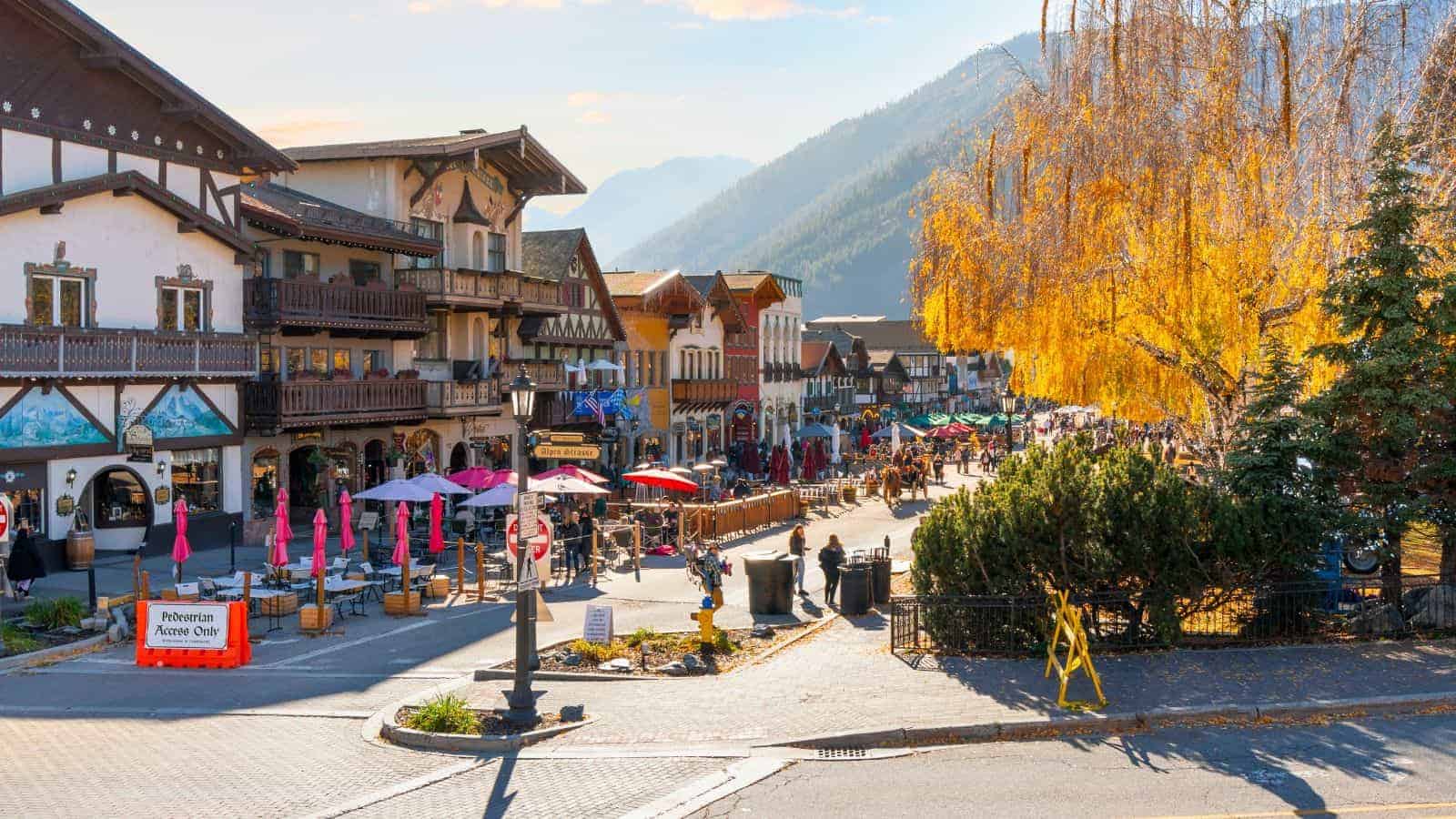
Main Street still looks like a snow globe scene, but the vibe has shifted hard. That kitschy Bavarian charm now masks a town running on fumes. Locals sidestep lederhosen-clad tourists posing for selfies and grit their teeth through complaints about bratwurst that’s “not authentic enough.”
Talk to shopkeepers or bartenders, and the conversation usually veers toward crowd control, late-night noise, and how hard it is to stay friendly on autopilot.
Cape May, New Jersey
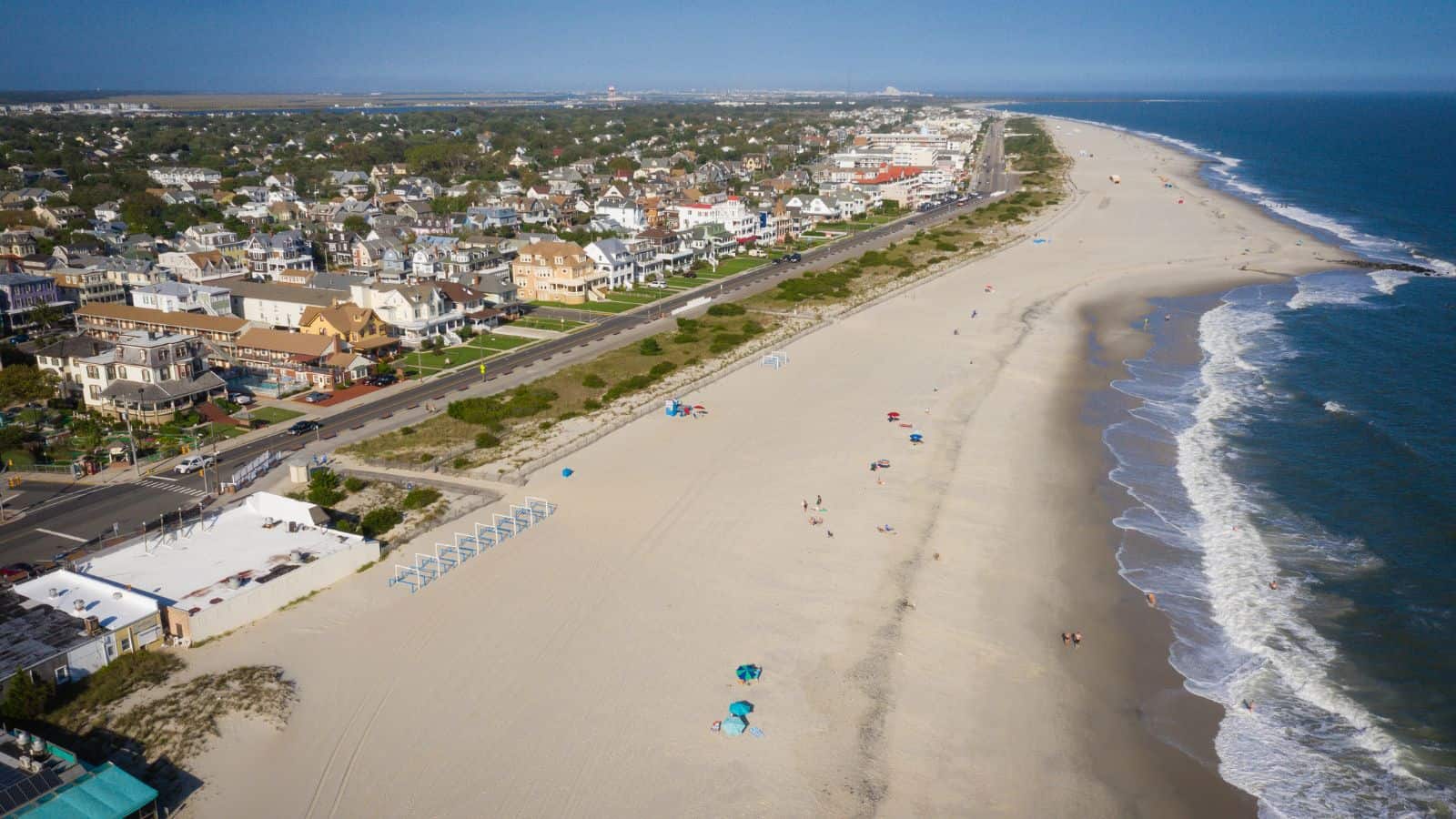
Every summer brings a tidal wave of beach-goers – and with it, a sharp uptick in local irritation. Traffic jams and noise creep further into what used to be peaceful side streets. You’ll feel it at diners, gas stations, even ice cream stands. The message is subtle, but clear: enjoy your visit… then please leave.
Eureka Springs, Arkansas
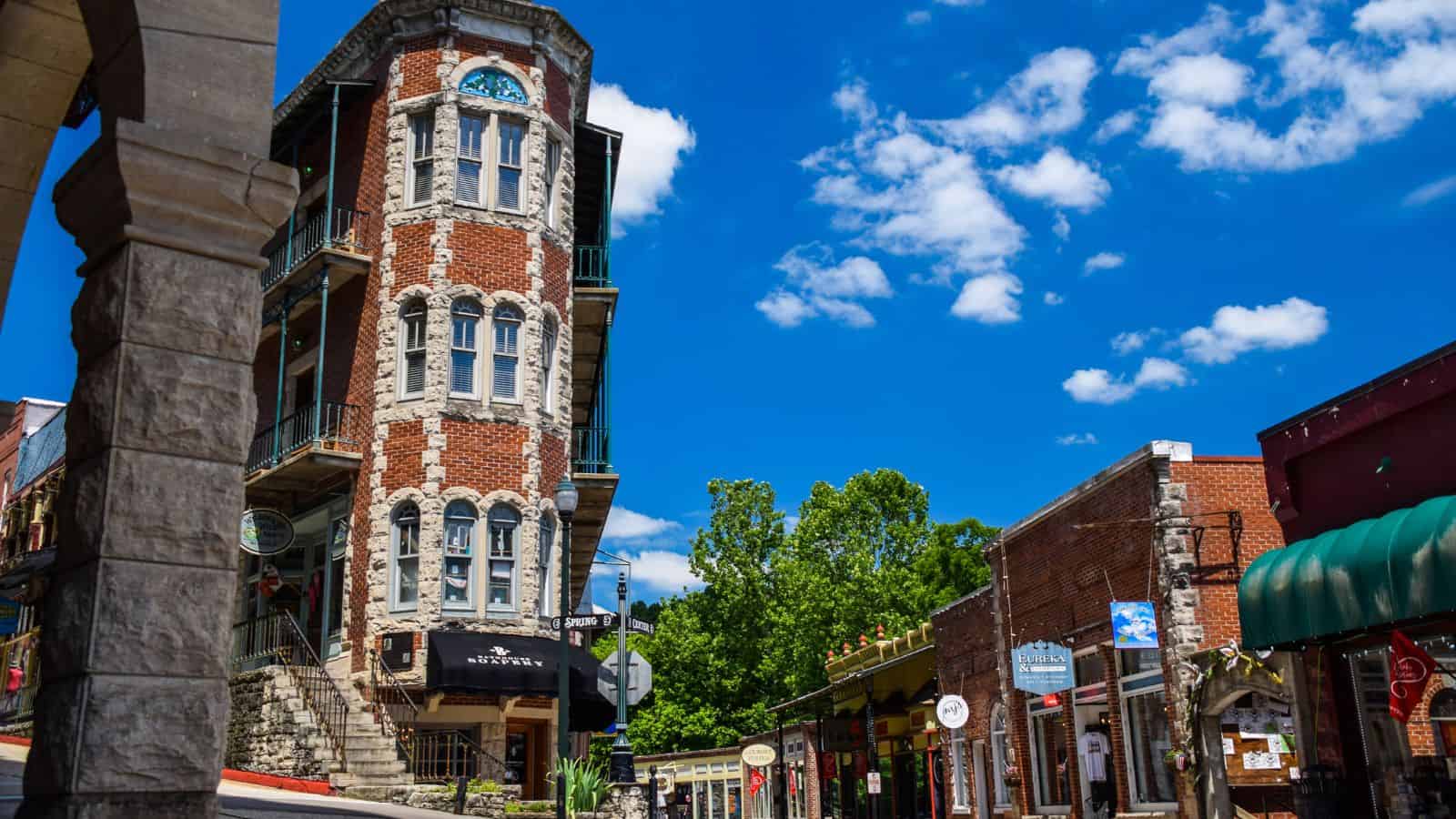
Weirdness still runs deep here, but it comes with a chip on its shoulder these days. People who live here seem increasingly wary of the outside gaze, especially when it comes with phones raised and manners left behind. Shop owners no longer hide their annoyance, and many aren’t afraid to call out bad behavior on the spot.
Lake George, New York

Summer tourism has turned Lake George into a high-volume machine that runs hotter than it used to. Packed weekends, blaring music, and a rising wave of entitlement have become the new normal for those who live and work here. You might sense it when ordering food or asking directions – responses feel rushed, a little too ready to end. What used to be a warm-weather gem now comes with strings attached.
Taos, New Mexico

Cultural richness remains, but the atmosphere has thickened with weariness. Years of heavy tourism have left deep footprints, and many who call this place home have grown increasingly guarded.
The line between genuine curiosity and careless intrusion gets crossed often, and the responses reflect that. Folks aren’t interested in performing authenticity for outsiders anymore – they’re focused on protecting what’s left of their space and spirit.
This article may include content generated by AI and has been reviewed and edited by our editorial team for accuracy and clarity.