
As a consequence of changing lifestyles and more informed consumerism, some products are quietly slipping into obscurity. For younger generations, a lot of the things their parents once loved just don’t make sense anymore and they are rejecting them en masse. Let’s take a look at what’s getting left behind.
Fabric Softener

Few millennials or Gen Z shoppers see the point in using fabric softener anymore. Many don’t like the strong fragrances, while others are concerned about the chemical content and its possible effect on the environment. With sustainability in mind, more people are ditching it altogether and sticking to just detergent.
Cable TV

This one’s been on life support for years, after having taken a big hit when Netflix and streaming became widespread. Cable TV packages are overpriced and packed with content no one watches, while also still, inexplicably, containing ads. Understandably, younger generations much prefer the convenience of streaming, as well as the lack of commercials.
Bar Soap

Once a household staple, bar soap is now gathering dust on supermarket shelves. Liquid soap and body wash have taken over thanks to convenience and (possibly misplaced) hygiene concerns. For whatever reason, bar soap is seen as old-fashioned and outdated, becoming an unexpected casualty of changing millennial shopping habits.
Fine China
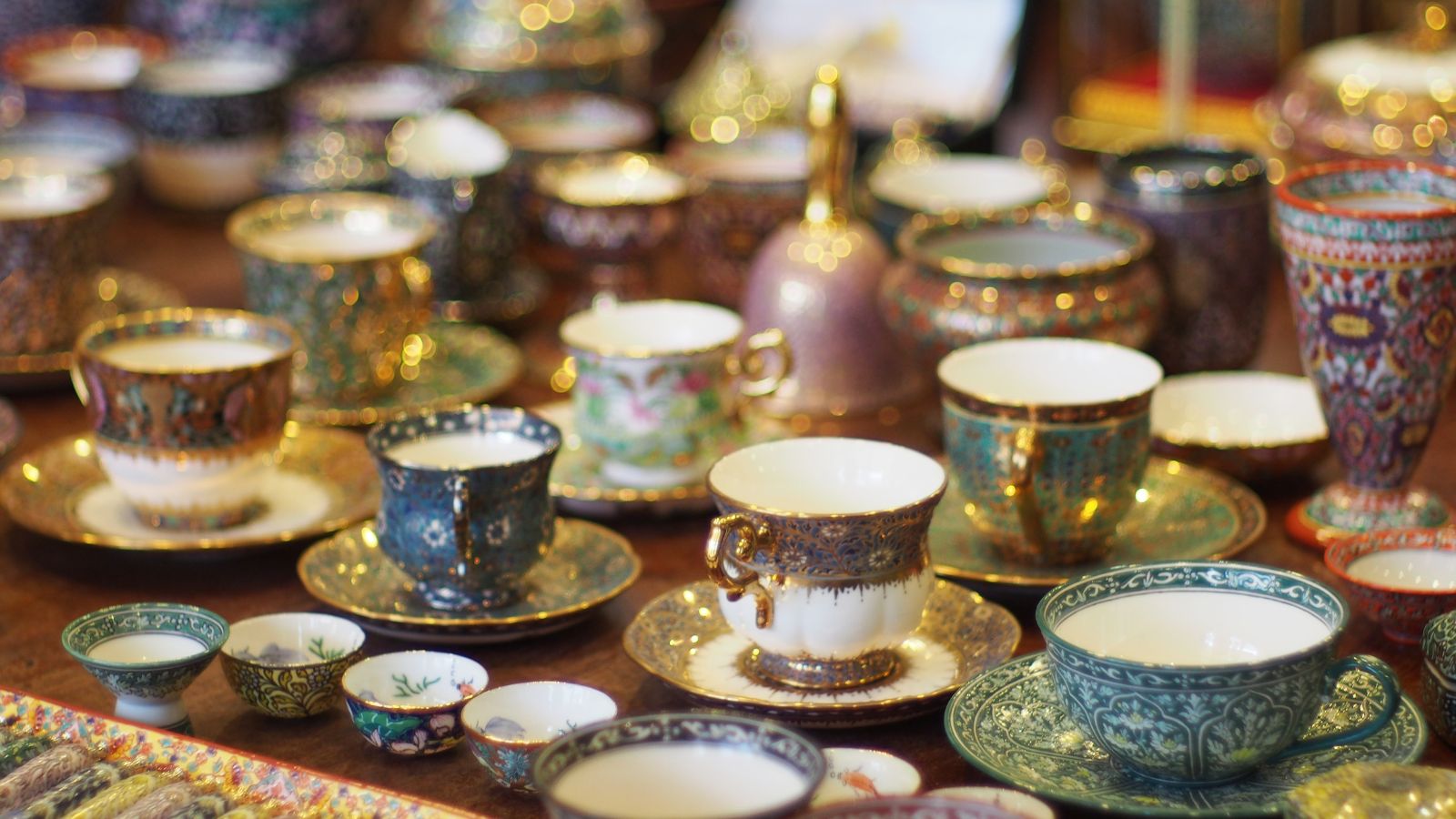
It’s no surprise that young people aren’t interested in delicate dishes they can’t throw in the dishwasher. The younger generations are simply too busy to spend precious time painstakingly scrubbing fragile plates, and are also less prone to fretting about appearances when entertaining.
On top of that, with more people living in smaller apartments and eating casually, the idea of “special occasion” plates doesn’t resonate. Everyday plates that can take a hit are simply more practical.
Alarm Clocks

Along with a number of other single-function gadgets, smartphones have wiped these out almost entirely. Why buy a separate alarm clock when your phone can do the job and more? Even old-school designs with ticking hands feel outdated and unnecessary. As a result, alarm clocks have gone the way of the pocket calculator.
Ironing Boards

A sartorial revolution that many of us have been secretly praying for, ironing clothes is no longer deemed necessary for many young people. Newer fabrics that are more resistant to wrinkles combined with a more relaxed attitude towards clothing in general have made many forgo the chore of ironing altogether.
Napkins
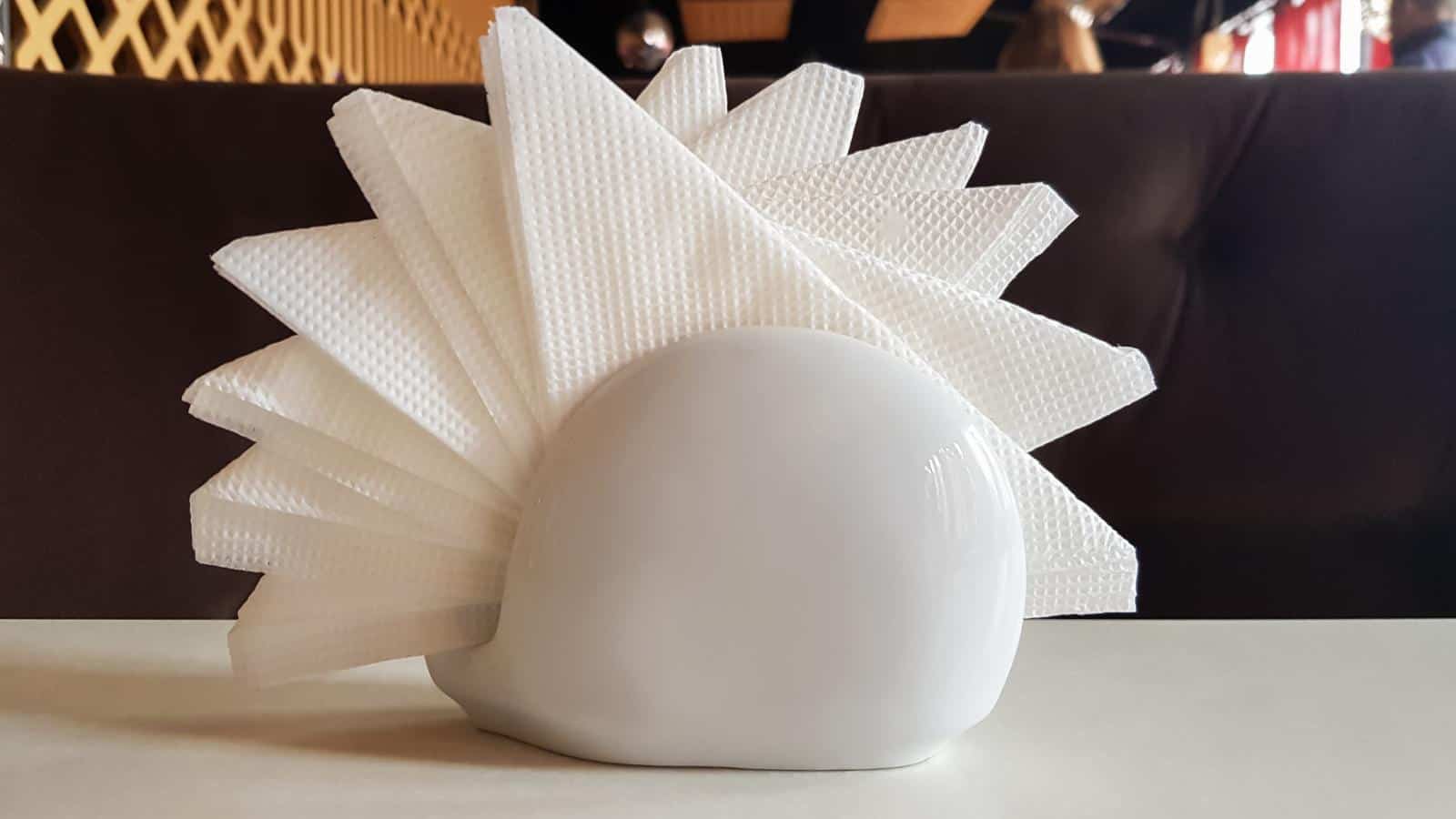
Cloth napkins might survive for special occasions, but paper napkins are rapidly falling out of use. People often use paper towels instead, which are more versatile and available in almost every kitchen. Having separate serviettes just for eating is a formality that doesn’t have value for many people these days.
Department Store Makeup Counters

Makeup counters used to be the go-to for beauty advice, samples, and luxury products. Now, social media tutorials and direct-to-consumer brands have taken their place. As part of a larger push towards ethical consumption, younger buyers want transparency and cruelty-free labels. The commission-driven pitch from behind the counter just doesn’t land anymore.
Landline Phones

Let’s just go ahead and call time of death on this one already. Think about it, when was the last time you even saw a landline, let alone used one? With mobile plans offering everything from unlimited minutes to Wi-Fi calling, there’s simply no use for a home phone.
Golf

Golf is having trouble attracting younger players, as it struggles to shed its elitist and exclusionary image. In an age when environmental issues are at the top of most people’s concerns, the wasteful water practices and destruction of large swathes of countryside involved in maintaining golf courses makes them pure anathema to Gen Z.
Canned Tuna

It might be cheap and shelf-stable, but canned tuna just doesn’t have the appeal it once did. Consumers are more aware of environmental issues like overfishing and mercury levels. Though many suppliers try to combat this by extolling their use of line-fishing and sustainable practices, the industry continues to wrestle with pervading distrust.
Many have swapped it for fresh protein options or plant-based alternatives that feel cleaner and more modern. In fact, this is only the tip of the iceberg of a larger dietary shift towards lower consumption of animal products.
DVDs

Continuing their shakeup of the media landscape, streaming services have also largely killed off the DVD market. They’re clunky to store and feel ancient next to a Netflix homepage. Unless it’s for nostalgia or a special edition box set, most young people see no reason to own physical media.
Cereal

Believe it or not, cereal is falling out of favor. Many young adults don’t want to start the day with something processed and sugary, typically associating such foodstuffs with childhood. Instead, they are opting for smoothies and more rounded options like overnight oats.
Diamonds

Perhaps one of the most well known industries to have been affected by the changing habits of millennials and Gen Z, and one which has been the subject of many hand-wringing articles. The classic diamond engagement ring isn’t a given anymore. Following the immense cultural impact of popular documentaries that exposed the exploitation and child slavery rampant in traditional diamond production, younger people have quite rightfully rejected the entire industry.
Tupperware Sets

Plastic food containers used to be a kitchen staple, but concerns over microplastics have changed that. These days, young consumers are more likely to reach for glass containers or repurpose old jars instead, which are deemed as safer and less liable to leach chemicals into the food.
This article includes content generated by AI.