
You may have already noticed that millennials shop differently from older generations. If a product feels outdated or doesn’t meet their values, then they won’t buy it, however, it’s starting to have an effect on businesses. Here are 15 products younger adults refuse to buy that’s hurting the economy.
Cable TV Packages

Let’s be honest, this is a product that used to feel like a necessity. Cable TV packages were once considered a must-have for any home, but young folks just aren’t buying it. With streaming services offering more control and way fewer ads, paying over $100 a month for bundled channels they’ll never watch doesn’t make sense to them.
Fabric Softener

For what it’s worth, this one still confuses older generations. Millennials are ditching fabric softener, and not because they’re lazy about laundry. Many simply don’t see the point.
They’ve read about the chemicals and the fact that they can actually build up in washing machines and clothes. Add in the minimalist mindset, and it’s just one more product they’re skipping altogether.
Diamond Engagement Rings

At this point, it’s pretty clear that tradition doesn’t mean what it used to. The millennial generation is questioning the whole diamond ring thing. Some see it as outdated marketing from the diamond industry, while others just don’t want to spend thousands on a ring when student loans and housing costs are looming.
Paper Napkins

Believe it or not, this simple product has taken a big hit. More and more people are moving away from paper napkins in favor of cloth alternatives or just using paper towels instead. It’s cheaper, and for eco-conscious shoppers, it’s a better environmental choice.
Department Store Clothing

If we’re being honest, walking through a department store feels like a throwback. Now, people in their 30s and 40s prefer online stores and small direct-to-consumer brands that offer transparency and values they align with. They want pieces that feel personal and ethical, not mass-produced and overpriced.
Cereal

For whatever reason, breakfast has changed. Cereal, once a morning ritual, is being passed over by millennials who are always on the go.
Some say it’s too sugary, or just too much hassle to clean up after. Add to that a rise in protein-heavy breakfasts and meal replacement drinks, and cereal’s place at the table isn’t what it used to be.
Bar Soap

Did you know that younger generations are much more likely to use body washes or liquid soaps? This is mostly because they feel cleaner and more hygienic. Bars get mushy and often leave a film behind. Brands that once dominated the bar soap aisle have seen a sharp drop in sales.
Landline Phones

In reality, this one doesn’t surprise anyone. Younger adults have no interest in owning a landline when smartphones handle everything. Phone companies that once made their money off monthly landline plans have taken major hits, and many homes don’t even have the wiring for a landline anymore.
Golf Equipment

Oddly enough, this one’s been slipping under the radar, as millennials aren’t buying golf clubs or memberships like their parents did. The sport is expensive, and to be real, not the most exciting for younger people juggling careers and social lives.
They see golf as exclusive or outdated, and they’re more into activities like hiking or fitness classes.
Motorcycles

No doubt about it, those from younger generations are buying fewer motorcycles than anyone before them. Safety concerns and city living all play a role. They’re also more focused on experiences and financial freedom than owning flashy gear. Motorcycle makers that once sold their freedom are now struggle to keep afloat.
Processed Cheese Slices
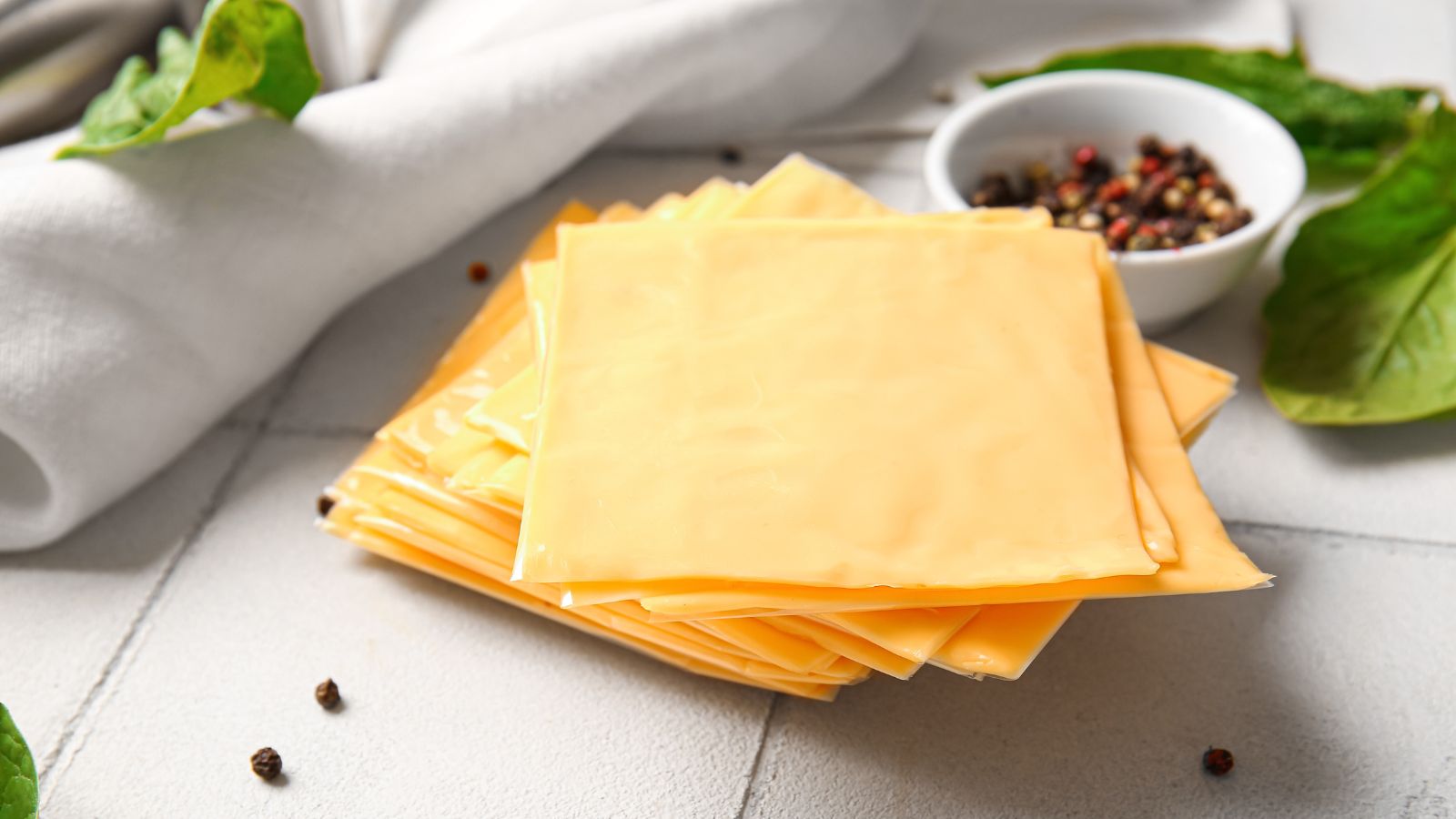
More focused on their health, young people are skipping those plastic-wrapped cheese singles. They view them as overly processed and not worth the shelf space. Younger adults prefer shredded cheese or fresher alternatives like goat or plant-based cheese. As food consciousness grows, these classic slices are becoming a symbol of a less healthy era.
Lottery Tickets

This trend says a lot about how millennials view money. Unlike older generations, they rarely buy lottery tickets. Lots say they don’t trust the system or just don’t believe it’s worth the money.
With so many struggling to pay rent or student loans, dropping cash on scratch-offs or Powerball entries seems pointless. States that rely on lottery revenue have noticed the decline and are trying new marketing tactics, but younger folks just aren’t playing.
Ironing Boards

Those in their 30s and 40s aren’t buying ironing boards, and in many cases, they’re not ironing at all. Wrinkle-release sprays and low-maintenance fabrics have taken over. Between casual workwear and busy schedules, few are willing to dedicate time or space to a full ironing setup.
China Sets

It used to be a family tradition, however, millennials just aren’t buying china sets like their parents or grandparents did. They see them as impractical and expensive, especially when they’re rarely used. Most would rather invest in everyday dinnerware that looks good and actually gets used.
Magazines
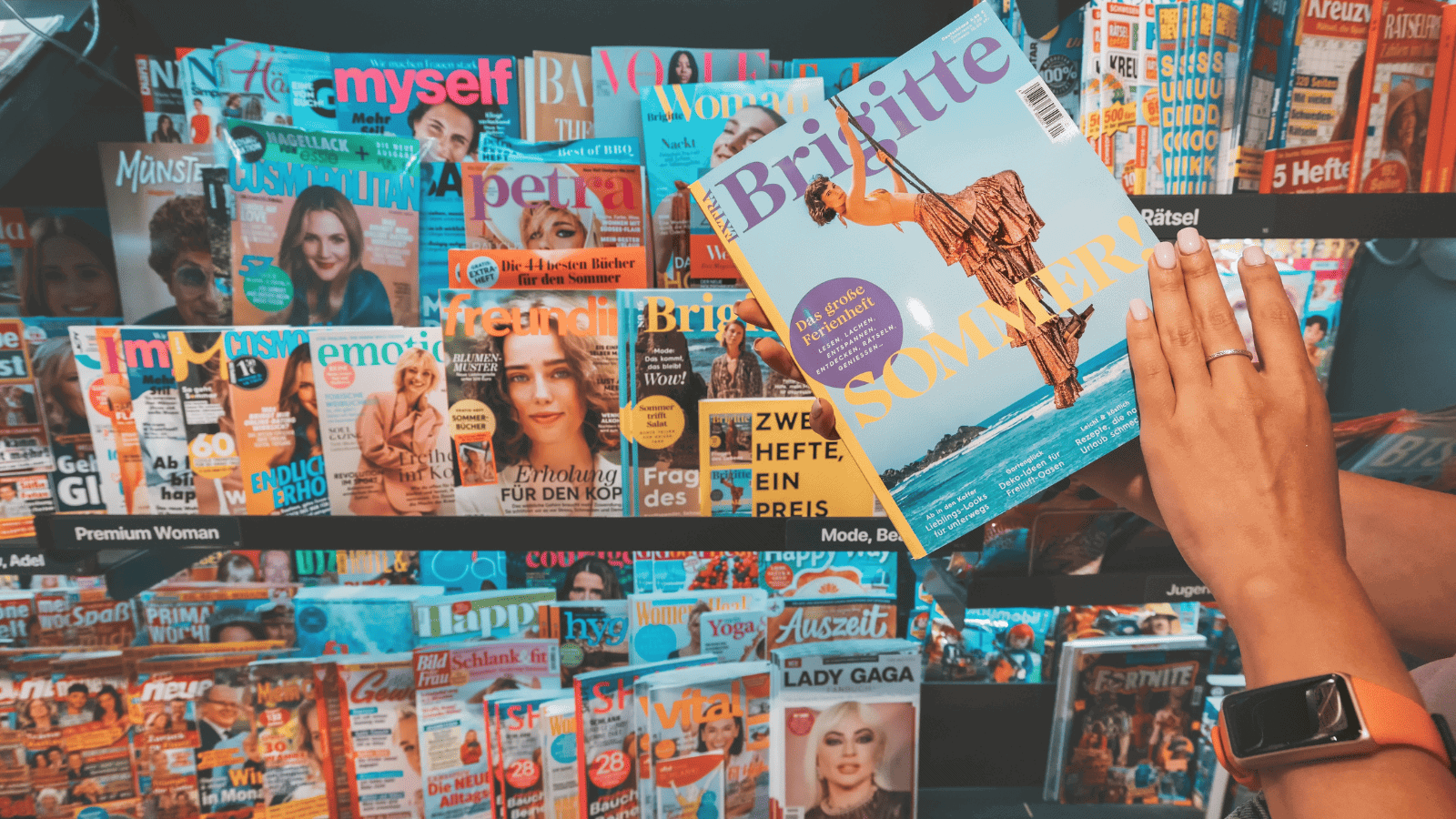
While they were once the go-to for entertainment and news, millennials have moved almost entirely to digital. They get their content from apps, newsletters, podcasts, and social media. This means that paying for a subscription to something that updates monthly feels slow and unnecessary in a world of instant news.
This article includes content generated by AI.