
Trends have a sneaky way of overstaying their welcome. What once felt fresh and stylish can slowly turn into a visual headache, making even well-designed spaces feel tired. Small details add up, and before you know it, your home starts giving off the wrong kind of retro vibe. These are 15 décor holdovers that have quietly passed their prime.
Word Art Signs
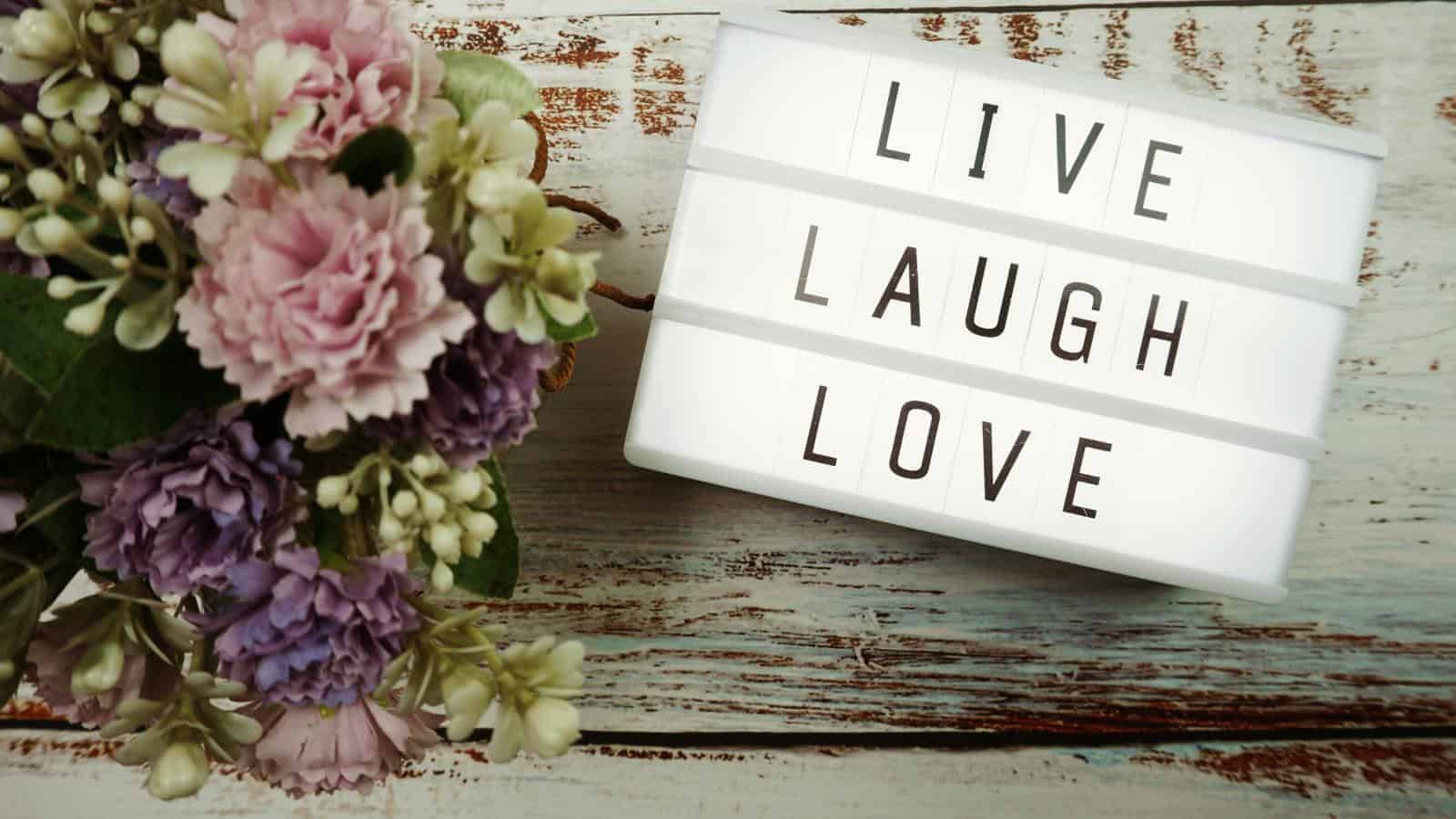
At one point, those “Live, Laugh, Love” wooden signs felt cozy and homey, like a hug from a Pinterest board. Now they signal a kind of forced wholesomeness that feels hollow and overplayed.
The problem isn’t positivity itself, but how mass-produced and disingenuous these signs have become. They flatten personal taste into catchphrases you could find at any big-box craft store. A home should reflect the actual people living in it, not a collection of empty slogans trying too hard to be relatable.
Tuscan Kitchens
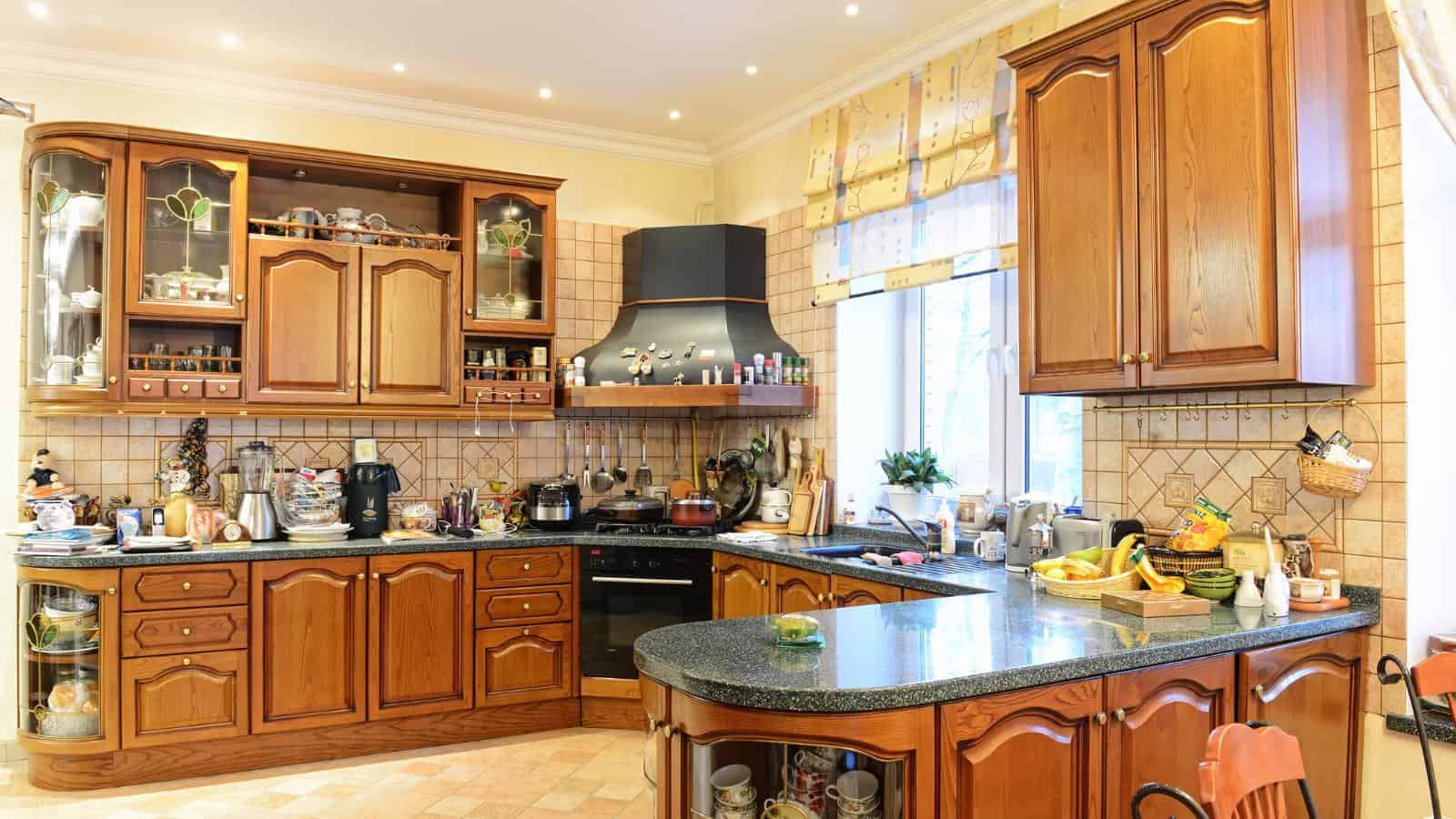
Let’s be honest, a lot of us fell for the Tuscan kitchen trend. The heavy cherry cabinets and faux-aged walls of this era once felt upscale and warm. Today, though, they read more like an Olive Garden franchise. The dark tones and busy textures can make even a large kitchen feel cramped and dated.
Popcorn Ceilings

Originally intended to cover imperfections and dampen noise, these textured ceilings are a relic of mid-century mass building. Unfortunately, they also trap dust and cobwebs while casting weird shadows under certain lighting. The result is a dingy, outdated ceiling that pulls the room down visually.
Overly Themed Bathrooms
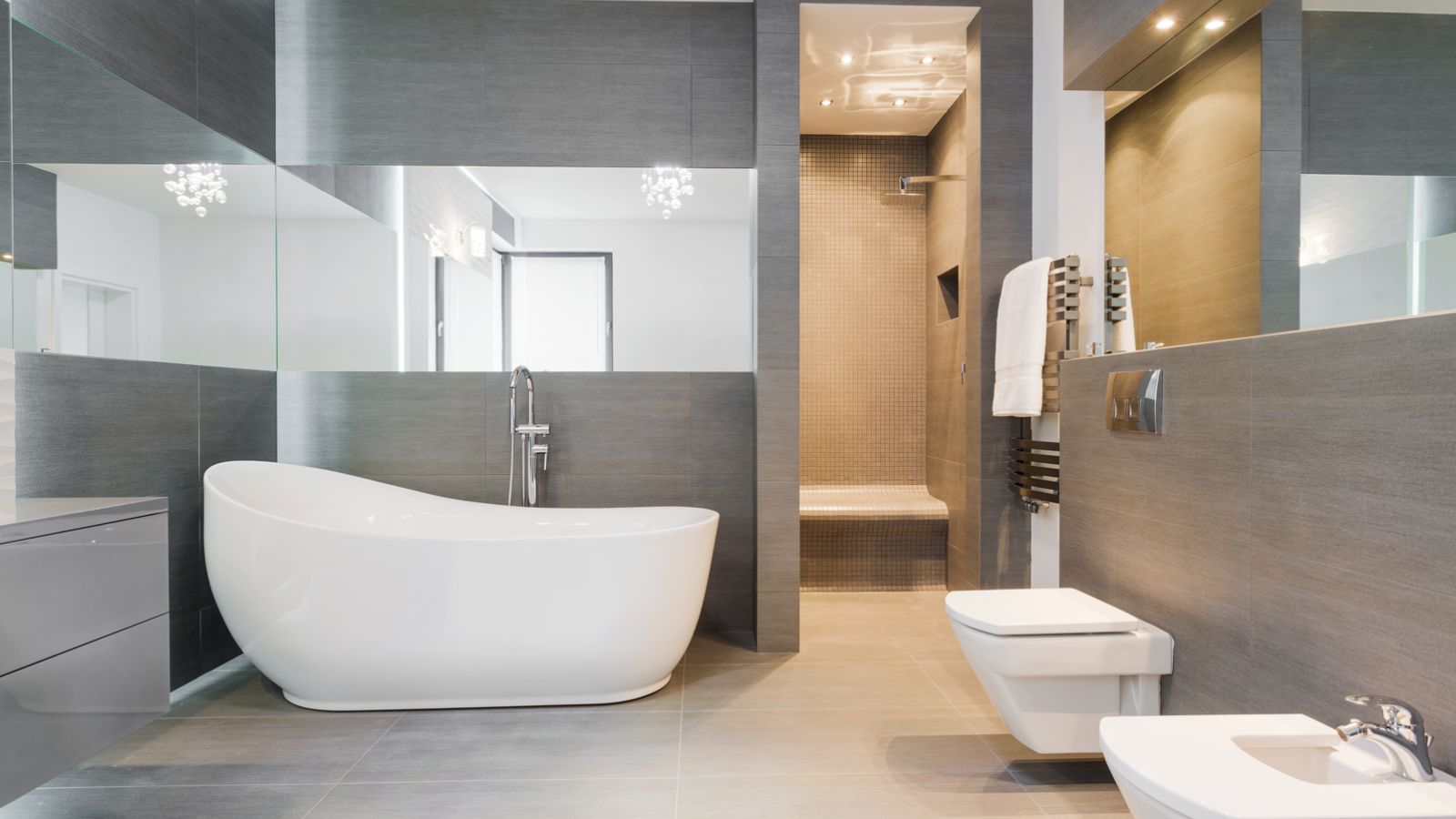
It was once thought to be charming to decorate your bathroom according to a theme, but these can easily slip into gimmick territory. Whether it’s coastal motifs or rustic lodge vibes, leaning too hard into a single theme can make the space feel more like a novelty attraction than a place to unwind.
Themed décor also has a way of overwhelming small spaces, turning every surface into a display. Softer, more restrained design choices allow for personality without turning the bathroom into a set piece.
Fake Plants Covered in Dust

Faux greenery had its moment as a low-maintenance way to bring life indoors. But when those plastic leaves start to fade or gather a layer of dust, they turn into a depressing reminder of a shortcut that didn’t quite work out. Real plants or even high-quality faux versions require some upkeep to look convincing.
Neglected fake plants just make a space feel lifeless and neglected, no matter how lush they once appeared.
Shag Carpeting

There’s a reason most people have moved on from those plush, sink-your-feet-in carpets. They’re nearly impossible to keep clean, especially if pets or kids are involved. On top of that, the heavy texture doesn’t exactly play nice with modern décor. What once felt groovy now feels like a remnant of basement rec rooms and questionable design choices.
Heavy Drapes

Thick, floor-to-ceiling drapes in ornate patterns used to scream luxury. Now, they just come across heavy and outdated with a tendency to block natural light and collect dust. Modern window treatments prioritize light and simplicity.
Sheer panels, natural fabrics, or even minimalist roller shades allow a room to breathe while still offering privacy.
Frosted Glass Light Fixtures

Those bell-shaped frosted glass fixtures that used to top every ceiling fan and bathroom vanity now feel like relics of a suburban model home. The cloudy glass mutes the light in a way that can make spaces feel dim and lifeless. Sleeker fixtures with clear glass or exposed bulbs not only modernize a room but also make better use of light, creating a brighter, more open atmosphere.
Faux Finish Walls

Once celebrated as the ultimate DIY upgrade, faux wall finishes have not aged kindly. Techniques like sponging and rag rolling promised depth and texture but rarely delivered the polished look homeowners envisioned. Instead of adding charm, these finishes often overwhelm a room, distracting from furniture and décor.
Matching Furniture Sets
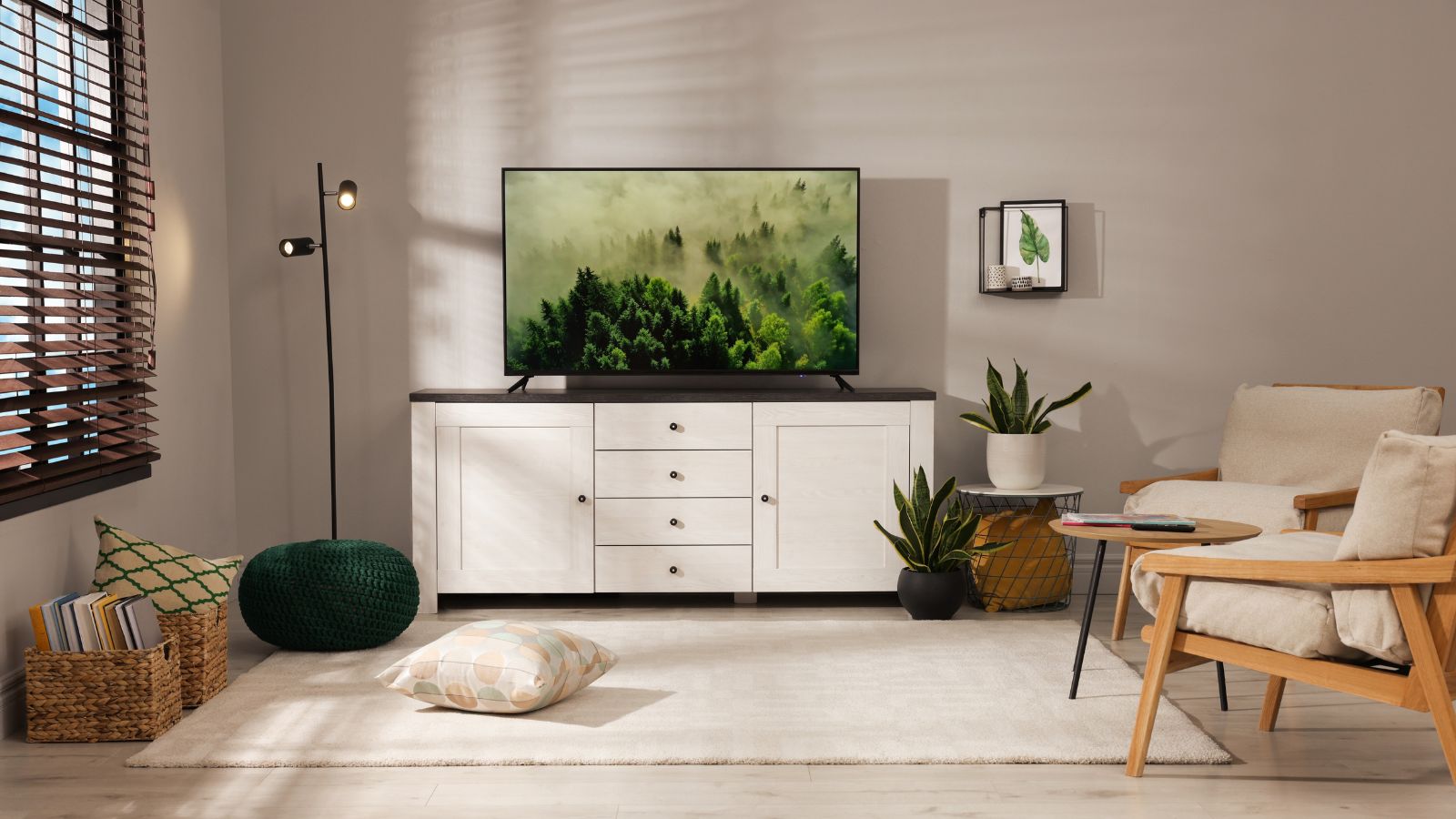
The days of buying an entire living room set in one go – perfectly matched sofa, loveseat, and all – feel long gone. While it simplifies shopping, it also drains any personality from the room. Homes that feel collected over time, with pieces that blend rather than match exactly, come across as more intentional and inviting.
Mirrored Closet Doors
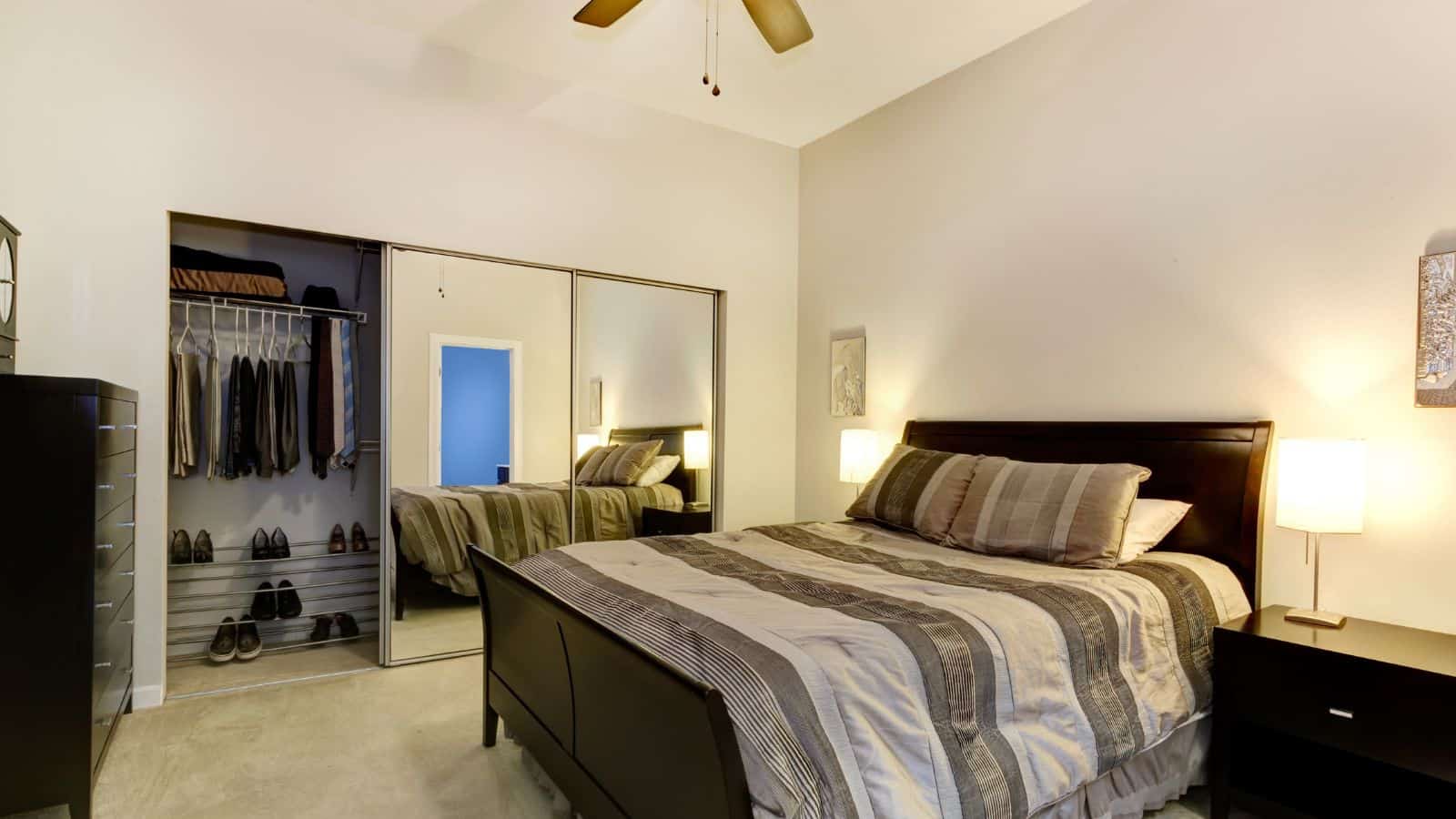
Previously popular for making bedrooms feel larger and brighter, sliding closet doors with full-length mirrors haven’t aged particularly well. While they do bounce light around, they also spotlight every smudge and cluttered corner in the room.
Instead of creating a sense of openness, they can make a space feel busy and unpolished. Replacing them with paneled doors or frosted glass alternatives instantly updates the room and dials back the visual noise.
Ivy and Floral Border Wallpapers

Those green ivy or pastel floral borders that used to run along the tops of kitchens and bathrooms have not aged gracefully. They slice up the wall visually and anchor the room firmly in a bygone era of country-inspired decor. Removing borders and opting for a full wall color or more contemporary wallpaper pattern opens up the space and keeps the eye from getting trapped at the ceiling line.
Overstuffed Recliners

The giant, pillow-arm recliners that dominated living rooms for decades prioritize comfort to the point of excess. They often swallow up floor space and feel more suited to a man cave than a shared living area.
Today’s recliners offer sleeker profiles and better support without sacrificing comfort, allowing a living room to feel both livable and visually balanced.
Glass Block Walls
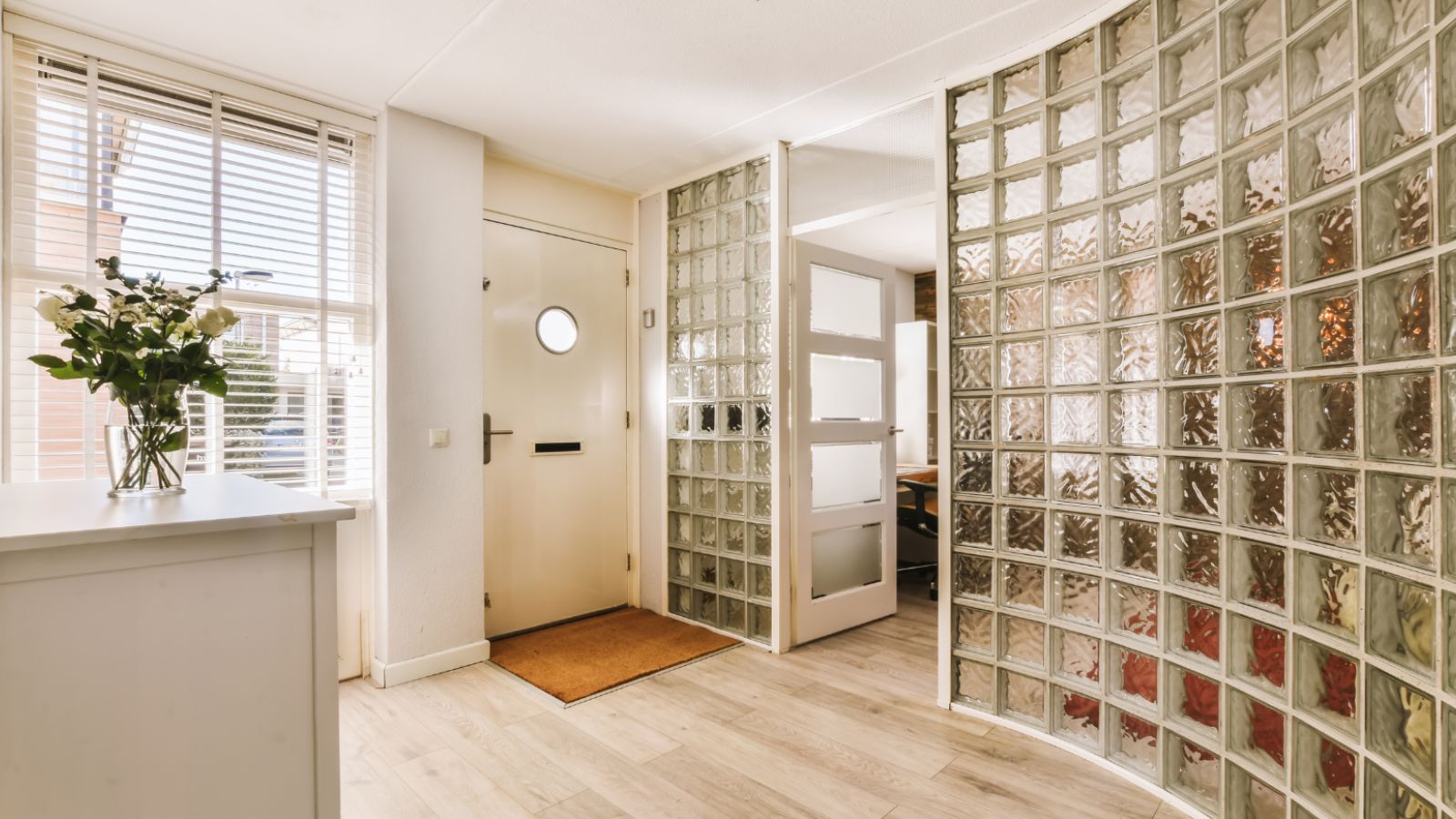
Originally used to balance privacy and natural light, those chunky walls made of glass blocks now feel more like a design misstep than a smart solution. Their bulky, grid-like appearance disrupts the smooth, open lines that define contemporary interiors, while the heavy grout lines add unnecessary visual clutter.
Swapping them out for frosted glass panels or streamlined partitions offers the same function while giving the space a cleaner, more current feel.
Over-the-Top Bedding Sets
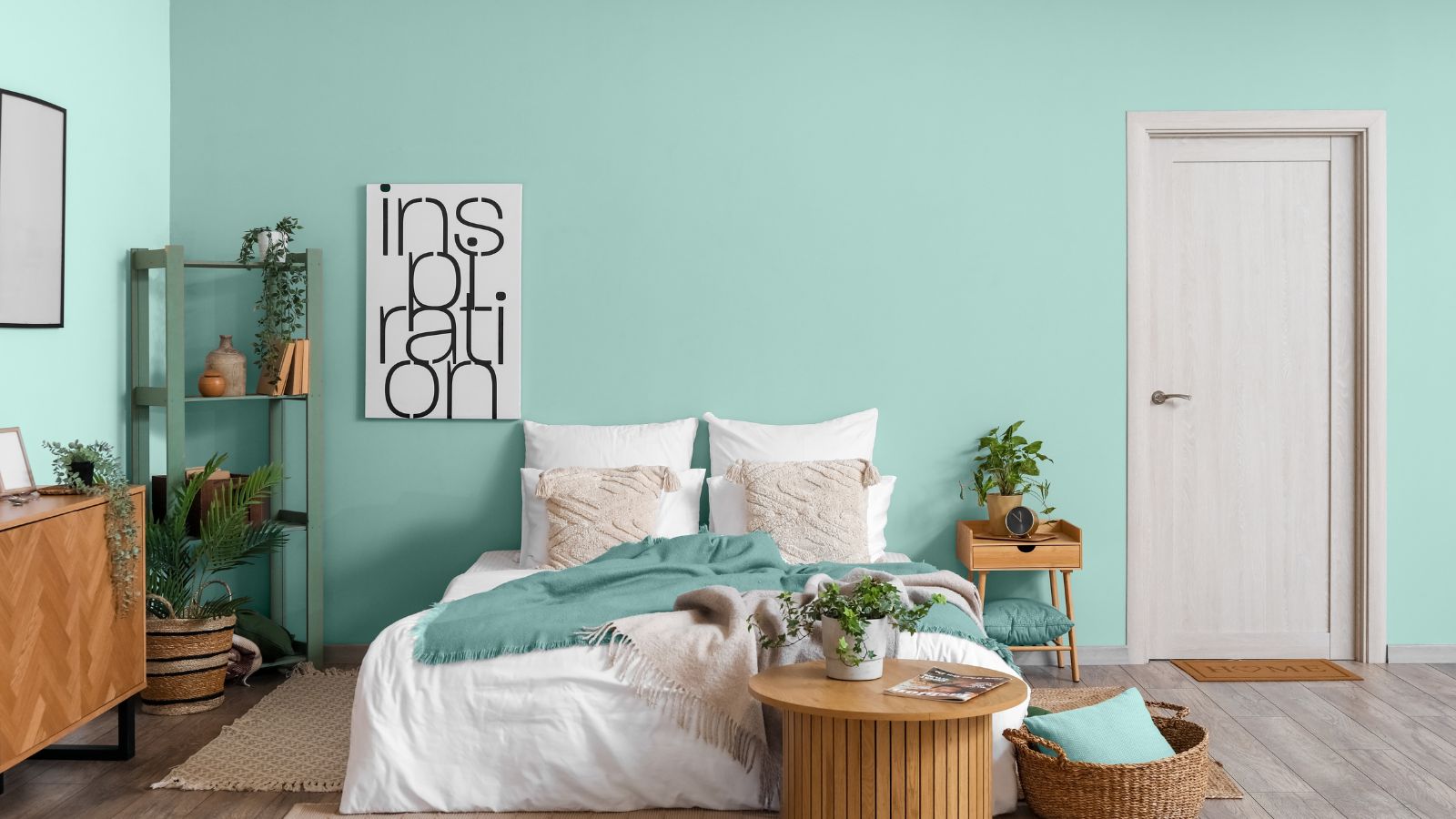
If you don’t want to create a too-coordinated, department store feel, it’s best to avoid matching bed-in-a-bag sets. Instead of feeling luxurious or cozy, they can look stiff and overly staged. Layering different textures and neutral tones creates a far more inviting, real-life bedroom that feels personal and lived-in rather than dressed up for a catalog shoot.
This article may include content generated by AI and has been reviewed and edited by our editorial team for accuracy and clarity.