
Walking into the grocery store feels a little like entering a high-stakes auction these days. Prices keep climbing, but it’s not just the fancy stuff anymore. Even the basic items we used to toss in the cart without thinking now feel like luxury purchases. Here are the 15 everyday staples that have quietly turned into budget busters.
Eggs

It’s getting harder to justify adding a carton of eggs to the shopping cart without flinching. Between avian flu outbreaks devastating flocks and skyrocketing feed and transportation costs, prices have ballooned far beyond their former affordability.
A dozen large eggs, which once felt like an easy protein fix, can now rival the cost of certain cuts of meat. Organic and pasture-raised varieties hit even harder, making simple breakfast recipes feel oddly extravagant these days.
Butter

The sight of butter prices inching ever higher has become a regular source of frustration for shoppers. Dairy farmers face mounting challenges, including labor shortages and rising energy costs. These factors converge to make even basic sticks of butter feel like indulgences. Multi-stick packs no longer offer much relief, and store brands don’t provide the savings they once did.
Orange Juice

Citrus greening disease has devastated Florida’s orange groves for years, shrinking supply and forcing producers to rely more heavily on costly imports. Poor harvests have only added to the pressure. What was once a reliable staple hovering under $3 per carton now frequently surpasses $5, squeezing breakfast budgets across the country.
Ground Beef

Dinner plans that centered around ground beef are suddenly less economical than they used to be. Feed prices have surged, transportation remains costly, and bottlenecks in processing plants continue to strain supply.
As a result, a pound of ground beef often costs as much as what used to cover a larger family-sized package. Affordable weeknight meals like tacos and burgers, once go-to options, now force home cooks to reconsider their menus or portion sizes.
Coffee
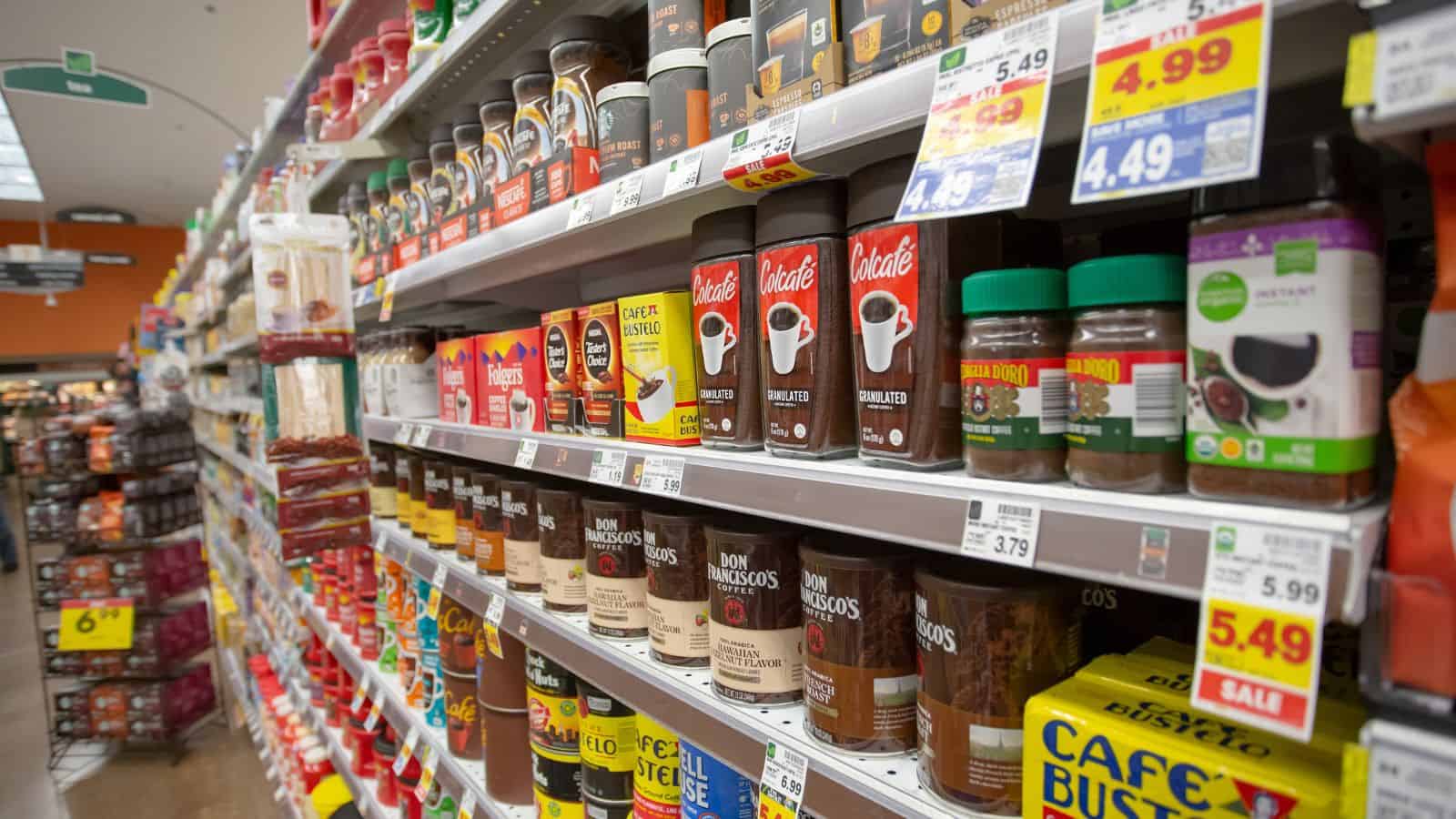
That morning cup of coffee has quietly become one of the most expensive habits to maintain. Climate change has disrupted growing regions, diminishing yields and driving up global coffee prices. When combined with rising transportation and labor costs, even supermarket brands have significantly increased their prices.
Bacon

Adding bacon to a grocery list now feels like a small financial commitment rather than a casual indulgence. Pork producers have grappled with supply chain disruptions and expensive feed, all of which contribute to soaring prices. Bulk packs, which once seemed like a good way to save, now only amplify the sticker shock.
Cereal
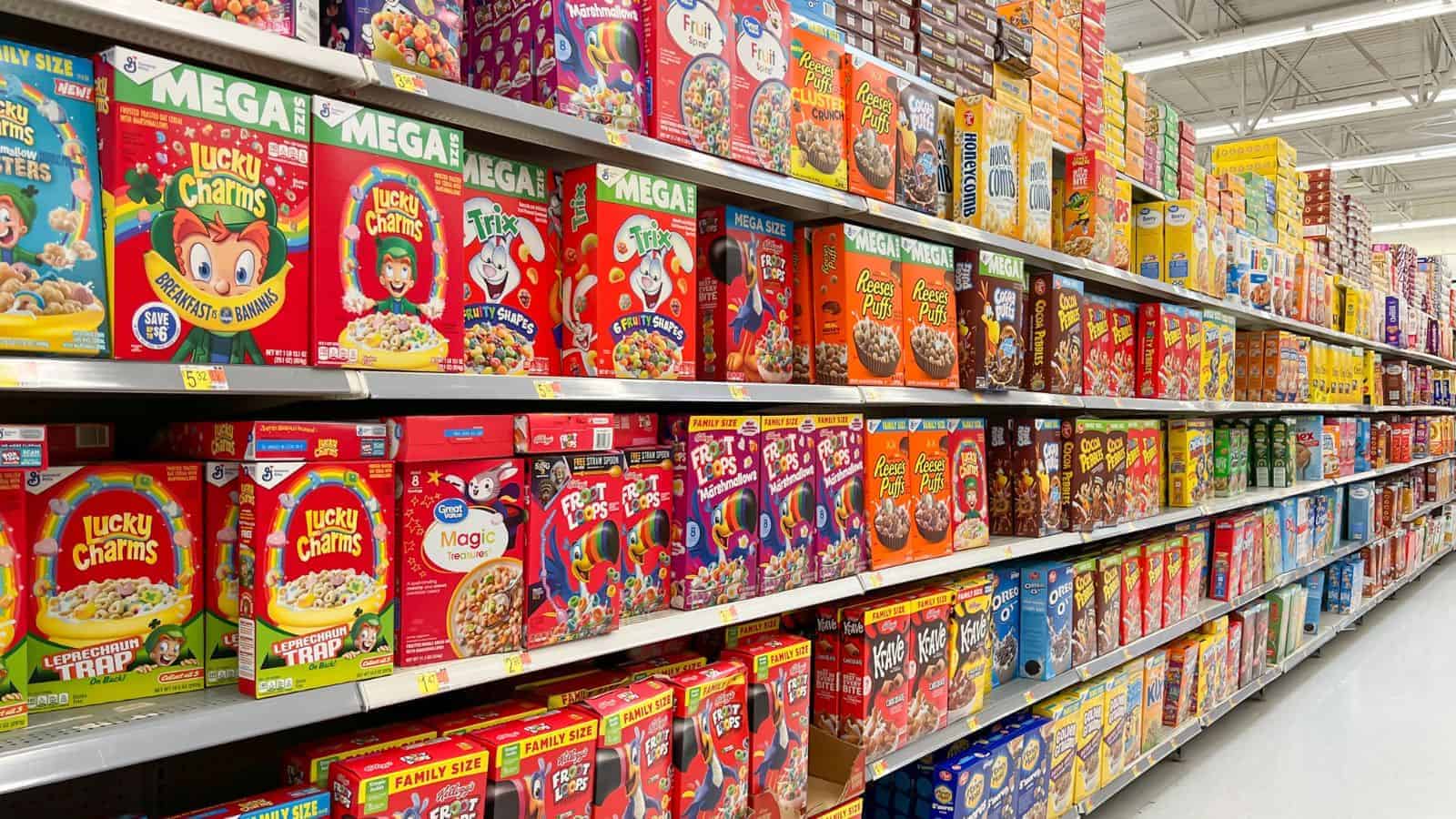
Grocery store aisles lined with colorful cereal boxes have come to present a sobering reality for breakfast shoppers. Rising manufacturing costs, coupled with global shortages of key grains like wheat and corn, have pushed prices into uncomfortable territory.
What was once an easy, inexpensive option for busy mornings now demands a more careful budget. Even children’s sugary favorites no longer qualify as cheap treats, forcing many households to rethink their breakfast routines.
Cooking Oil

This was once one of the most unassuming pantry staples, but lately cooking oil has seen a dramatic price surge. Global demand, crop failures, and trade restrictions have affected all varieties, from sunflower and canola to soybean. Frying foods at home, which used to be an economical choice, sometimes feels more expensive than ordering takeout when oil prices are factored in.
Bread

The price of a simple loaf of bread has been quietly rising alongside global wheat prices. Weather-related disruptions, geopolitical tensions, and higher energy costs all contribute to this steady climb. Budget shoppers may turn to store brands for relief, but the gap between premium and basic has narrowed considerably, making affordable bread harder to find.
Cheese

Shopping for cheese has become an exercise in sticker shock. Dairy farm consolidation plus rising feed and labor costs have driven prices upward across the board. Whether it’s shredded cheddar for tacos or soft brie for a gathering, cheese has shed its reputation as an accessible comfort food.
Milk
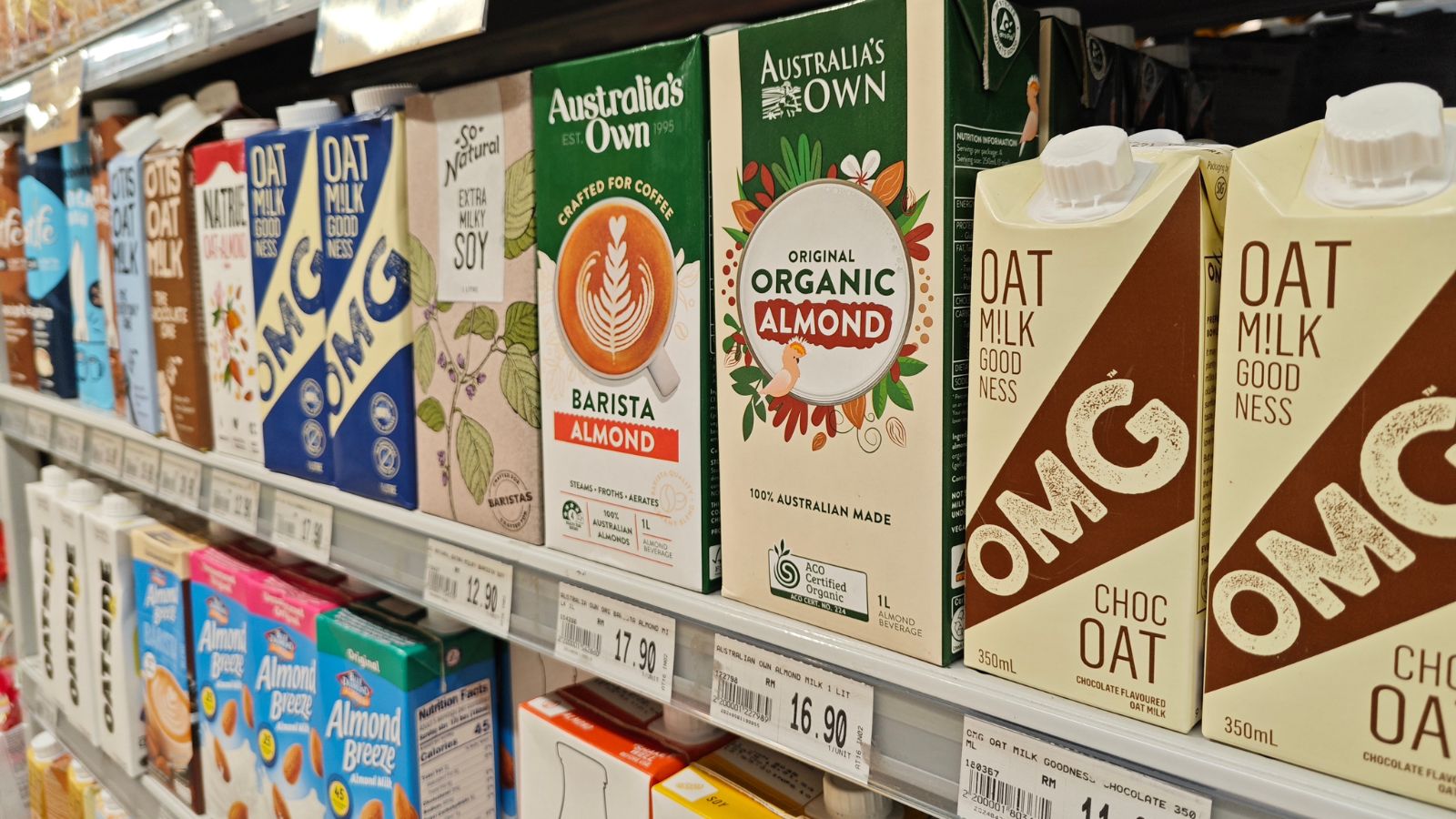
A gallon of milk, once a dependable budget staple, has become noticeably pricier in recent years. The challenges start on the farm, where dairy producers are grappling with higher costs for everything from animal feed and veterinary care to labor and equipment maintenance.
Rising fuel prices and ongoing transportation issues only add to the financial strain, pushing wholesale prices higher. Even basic gallons of conventional milk now come with a price tag that makes every trip down the dairy aisle a quiet budgeting exercise.
Fresh Berries

Picking up a container of fresh berries has turned into a luxury purchase rather than a casual addition to the cart. Weather disruptions in growing regions, high shipping costs, and tight seasonal windows have pushed prices to new heights. The days of finding affordable clamshells of raspberries or blueberries for under $3 feel long gone.
Lettuce
Salads have become a more costly affair as lettuce prices spike due to a string of agricultural challenges. Droughts, floods, and plant diseases have hit growing regions hard, shrinking supply and driving prices up. Grocery stores often struggle to keep shelves fully stocked, and when they do, the elevated prices make people think twice before splurging for a simple side salad.
Rice

For years, rice held its reputation as one of the most reliable and affordable pantry staples, but that status has started to slip. A combination of export bans, extreme weather disruptions, and unpredictable government trade policies has tightened global supplies, pushing prices upward.
In American stores, even large bulk bags that once promised savings now offer only modest relief. Families who once leaned on rice to stretch meals are finding it harder to keep it as a go-to option without reworking their food budgets.
Canned Soup
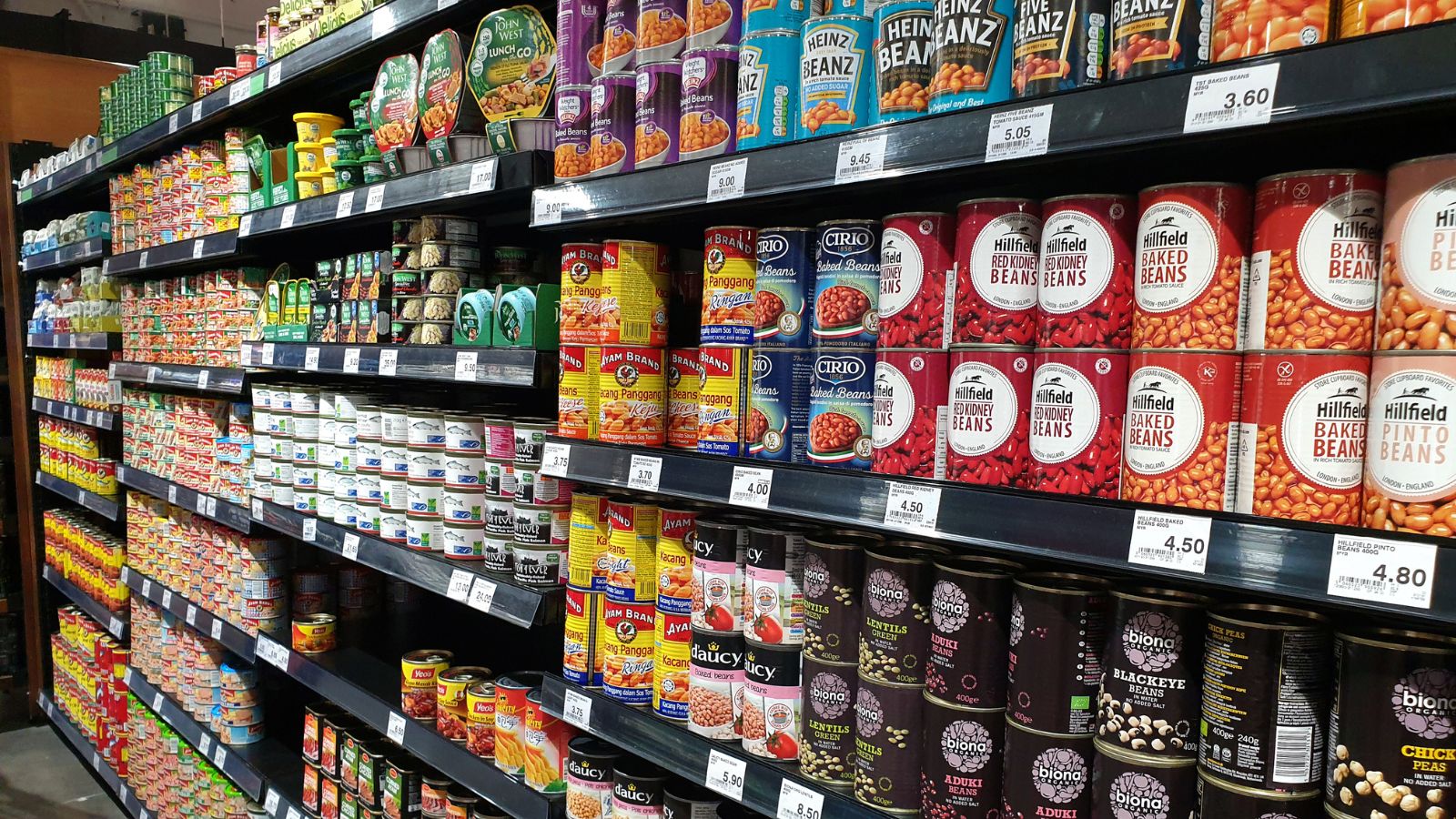
Grabbing a few cans of soup for the pantry no longer offers the same financial comfort it once did. Ingredient prices have climbed and transportation remains expensive, driving up the price of even basic varieties. The multi-can sales that once allowed shoppers to stock up are increasingly rare. Many who once saw canned soup as a budget-friendly safety net are now second-guessing the value.
Some content in this article was generated with the help of AI and has been carefully edited by our team to meet our editorial standards.