
It’s easy to lose track of what’s really making your electricity bill spike, but that’s because some of the biggest culprits are hiding in plain sight. If you want to lower your bill, then you should think about being more mindful or even upgrading the following 15 items.
Old Refrigerators
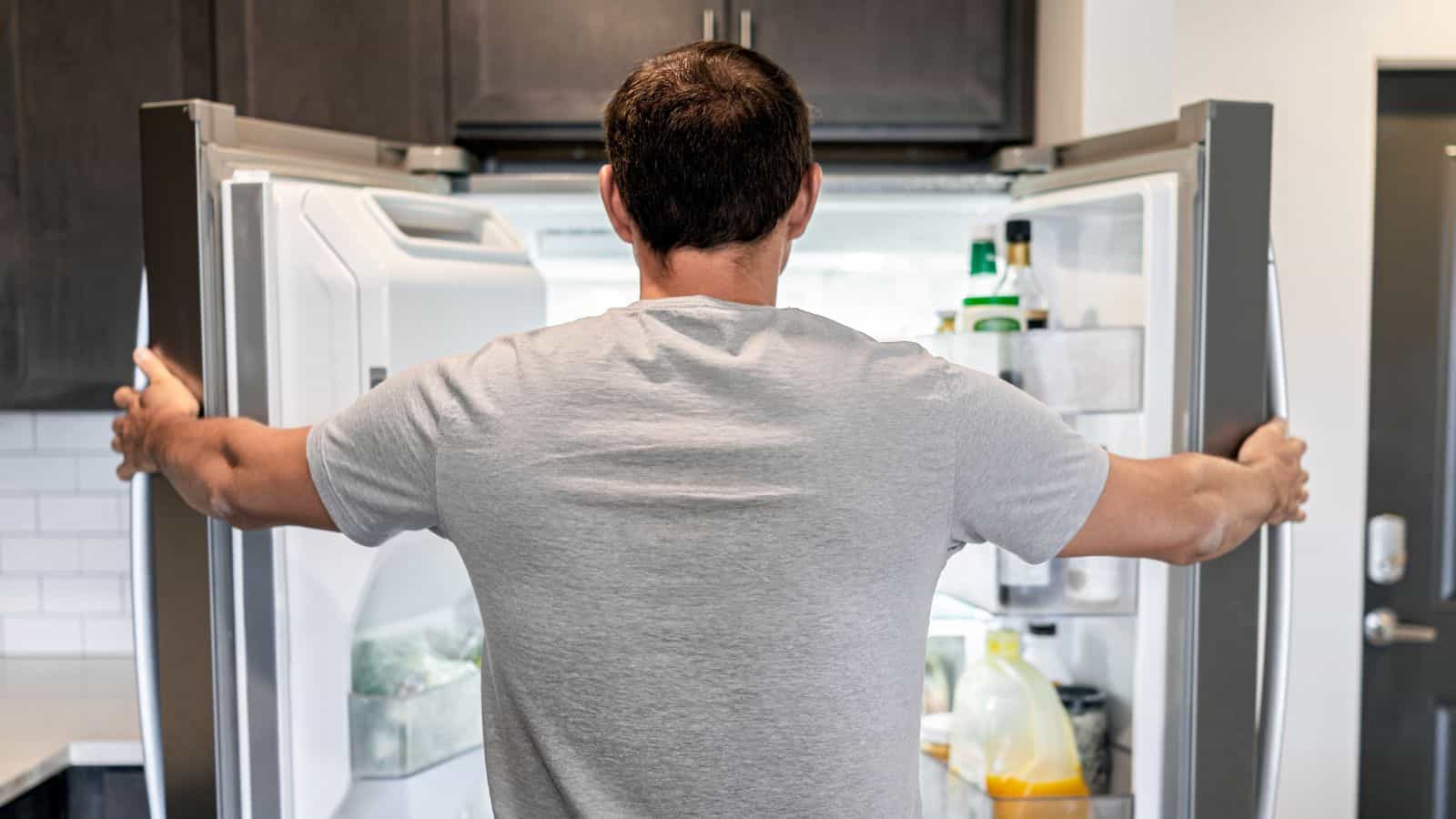
Believe it or not, that extra fridge in the garage might be doing more harm than good. Older refrigerators, especially ones made before energy efficiency standards improved, use way more electricity than newer models.
These units often run nonstop and don’t cycle off as efficiently, which means they’re burning electricity all day long.
Space Heaters

Most people don’t think about space heaters in the winter, but these can drain power fast. They might look small, yet they use a surprising amount of energy, sometimes more than your fridge or washing machine. Plus, it’s even worse if you’re using more than one in different rooms.
Clothes Dryers
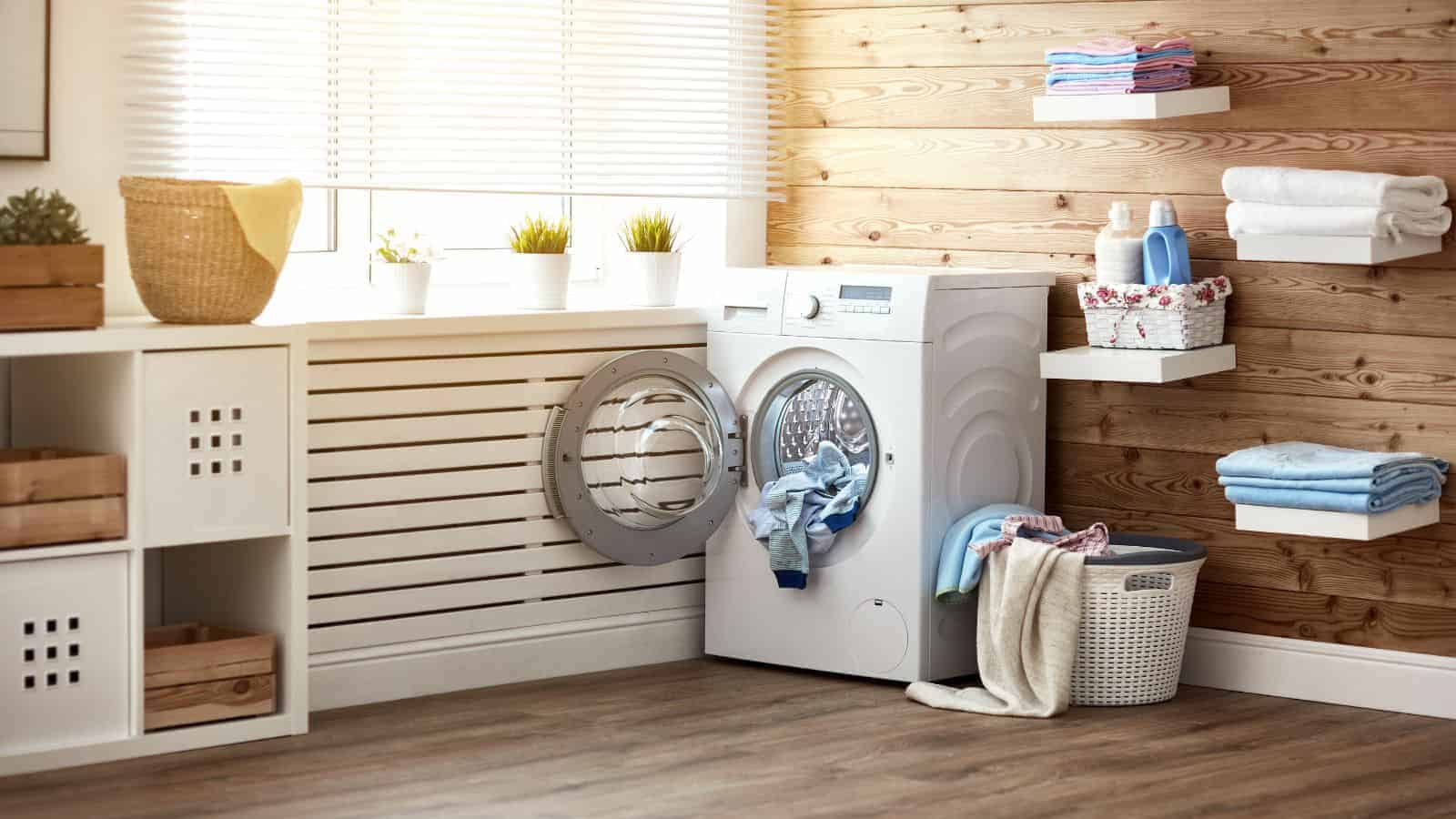
Let’s be honest, dryers are super convenient, however, they’re also one of the biggest energy hogs in your house. A typical electric dryer uses between 2,000 and 6,000 watts of power. That’s a lot, especially if you’re doing multiple loads every week.
Game Consoles
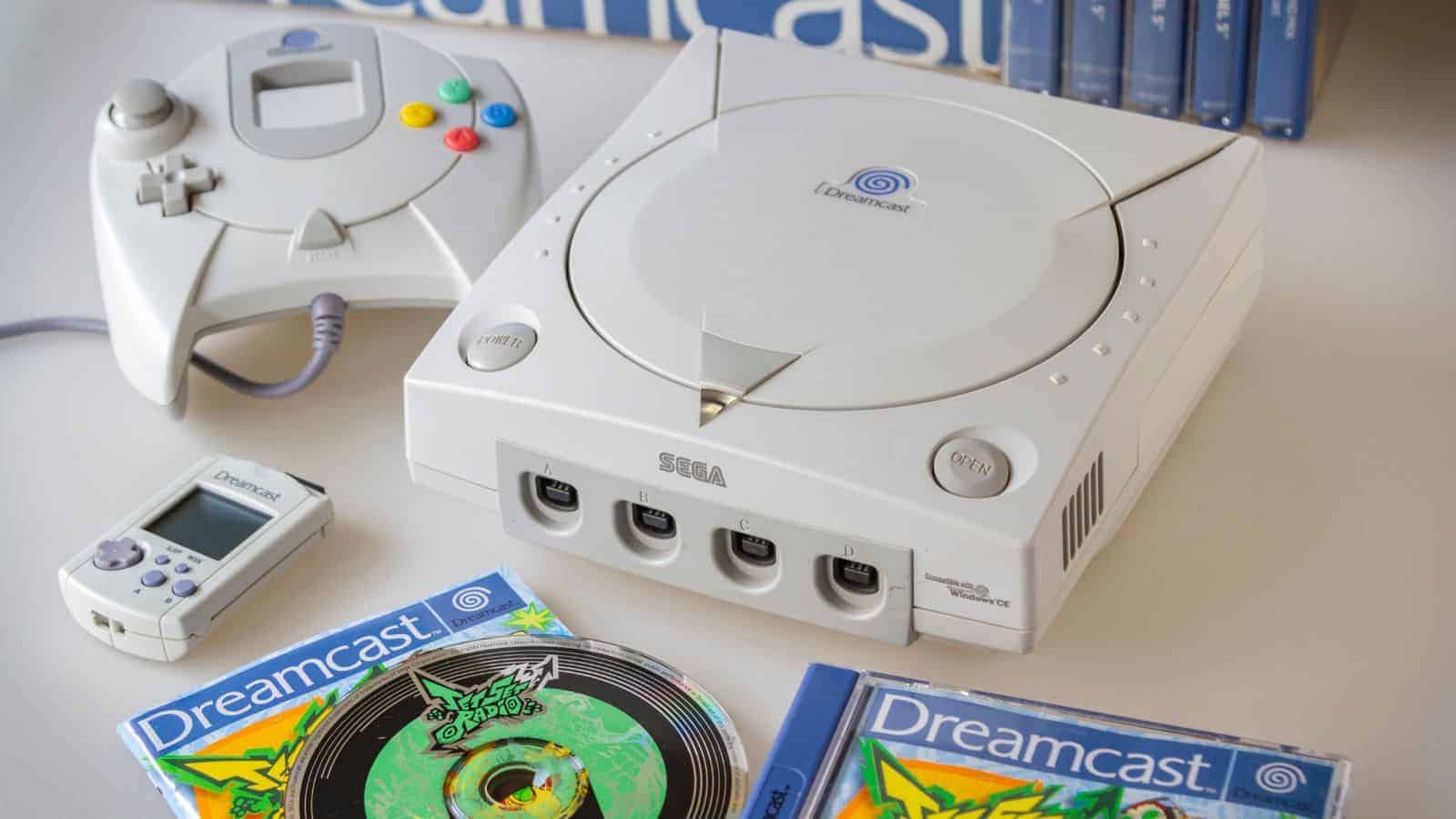
You may not realize it, but game consoles could be silently racking up your electric bill every day. Many of them stay on in rest mode to download updates or charge controllers. That background usage may not seem like much on its own, yet over weeks and months, it adds up. So, turning it off completely when you’re done can make a real difference.
Desktop Computers
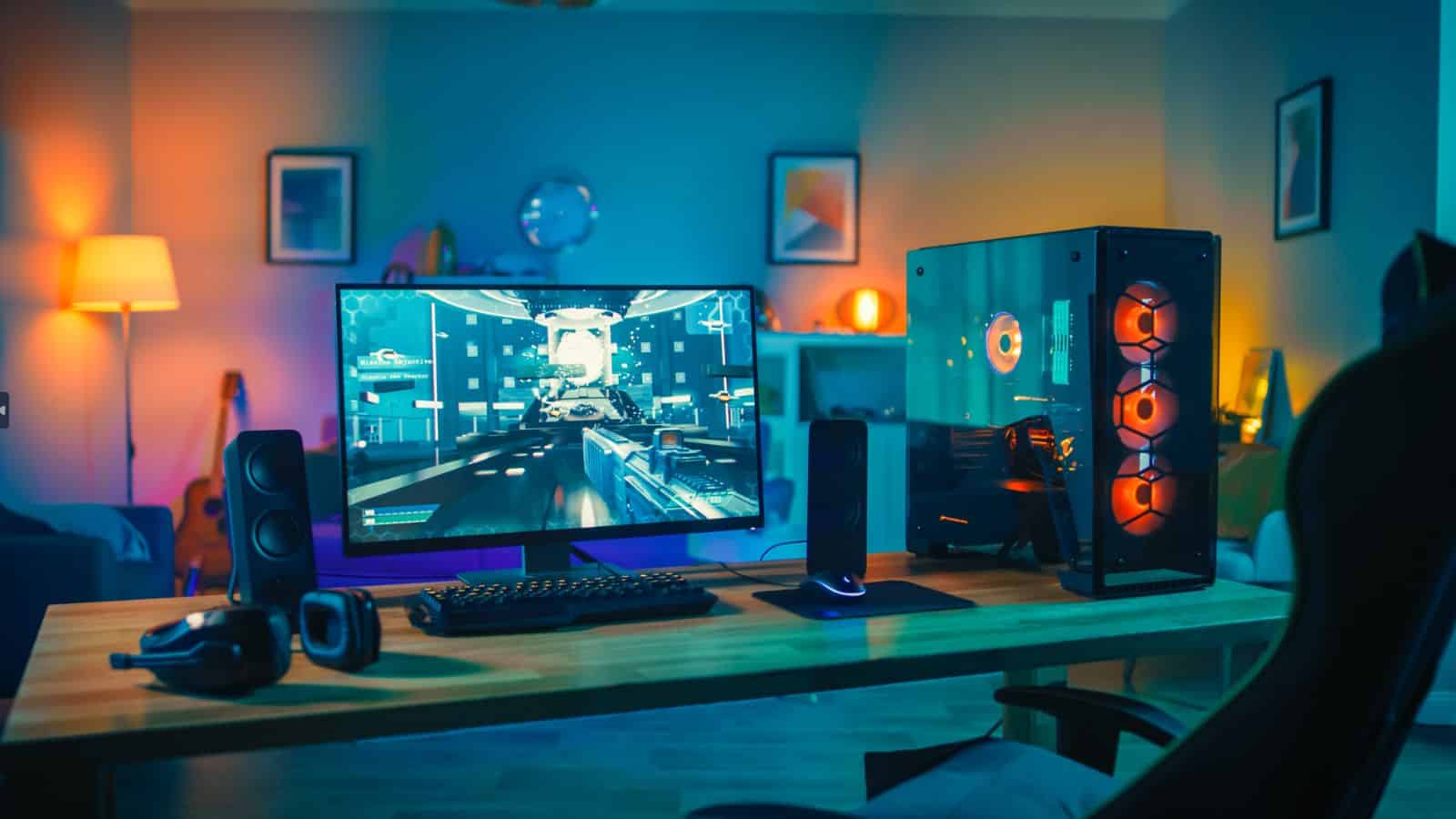
Did you know that desktops are often overlooked when it comes to power usage? A desktop computer that’s left running all day, especially if it’s an older model, can burn a lot more electricity than you’d expect.
Even when the screen is off, the computer might still be working in the background or staying in standby mode.
Water Heaters
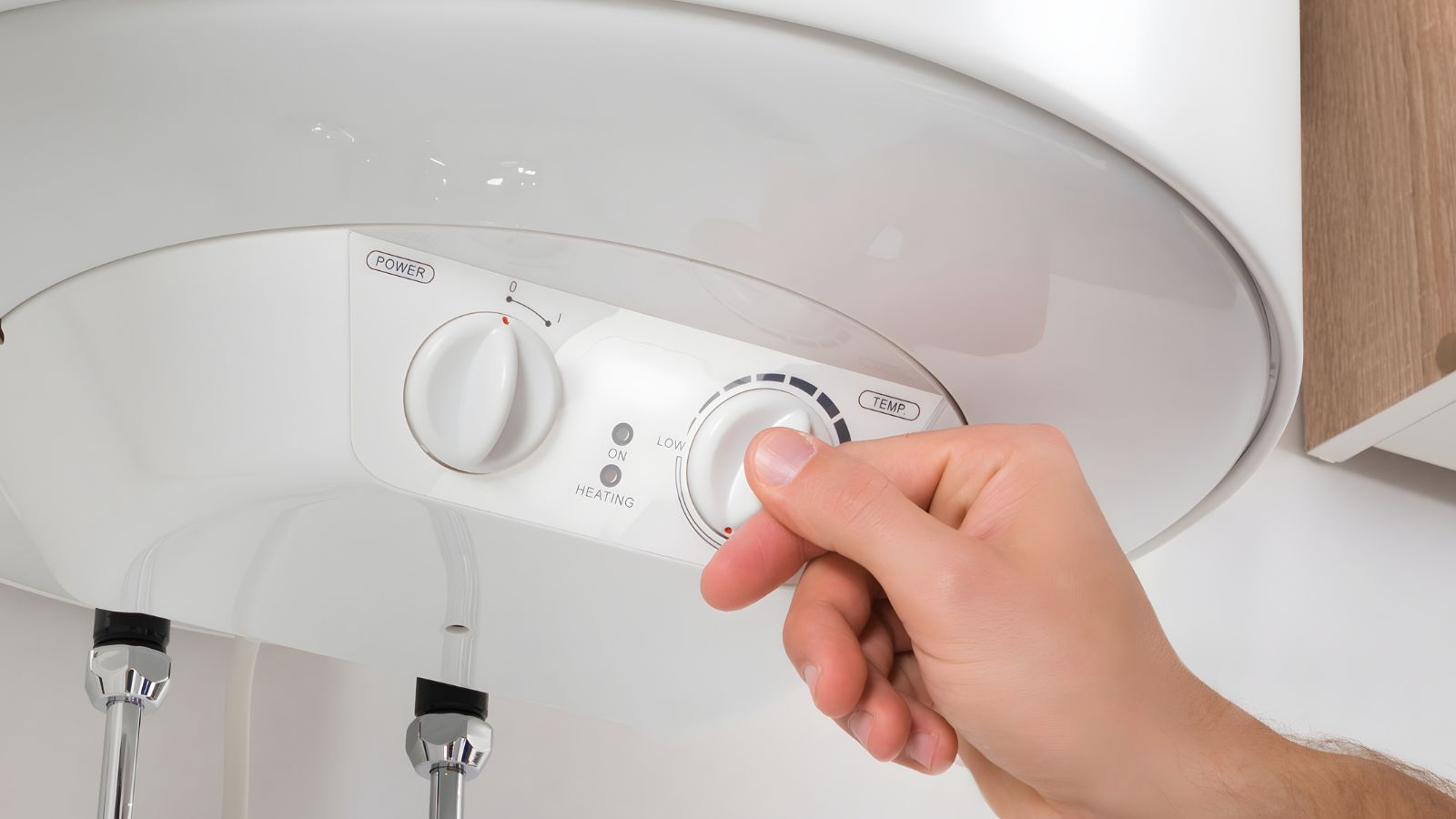
Honestly, this one doesn’t cross people’s minds very often, however, water heaters can be sneaky power hogs. If you think about it, your water heater is constantly working, day and night, to keep a big tank of water warm just in case you need it.
Cable Boxes

As you know, cable boxes are always on, even when the TV isn’t, especially the ones with DVRs, which are constantly checking for updates or recording shows in the background.
Most of us just turn the TV off and forget the box is still running. But even when idle, these devices can use 20 to 30 watts of power nonstop.
Microwaves
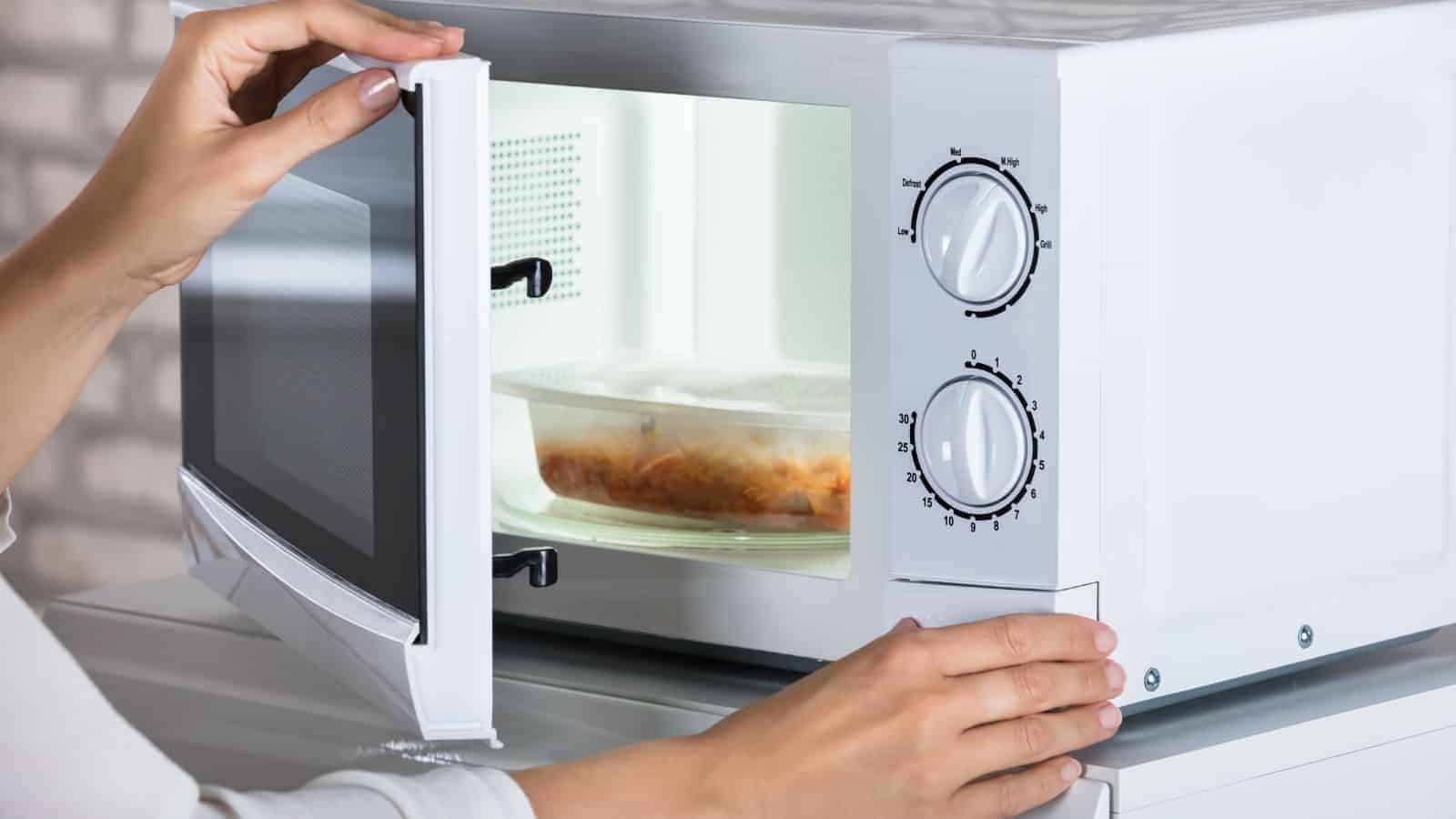
What’s surprising is that microwaves use power even when you’re not using them. That little digital clock on the front? It never turns off unless you unplug the machine. And while it doesn’t pull tons of power, it’s still a constant drain. If your microwave is in a secondary room or is rarely used, unplugging it when not in use is a good habit.
Smart Speakers and Devices
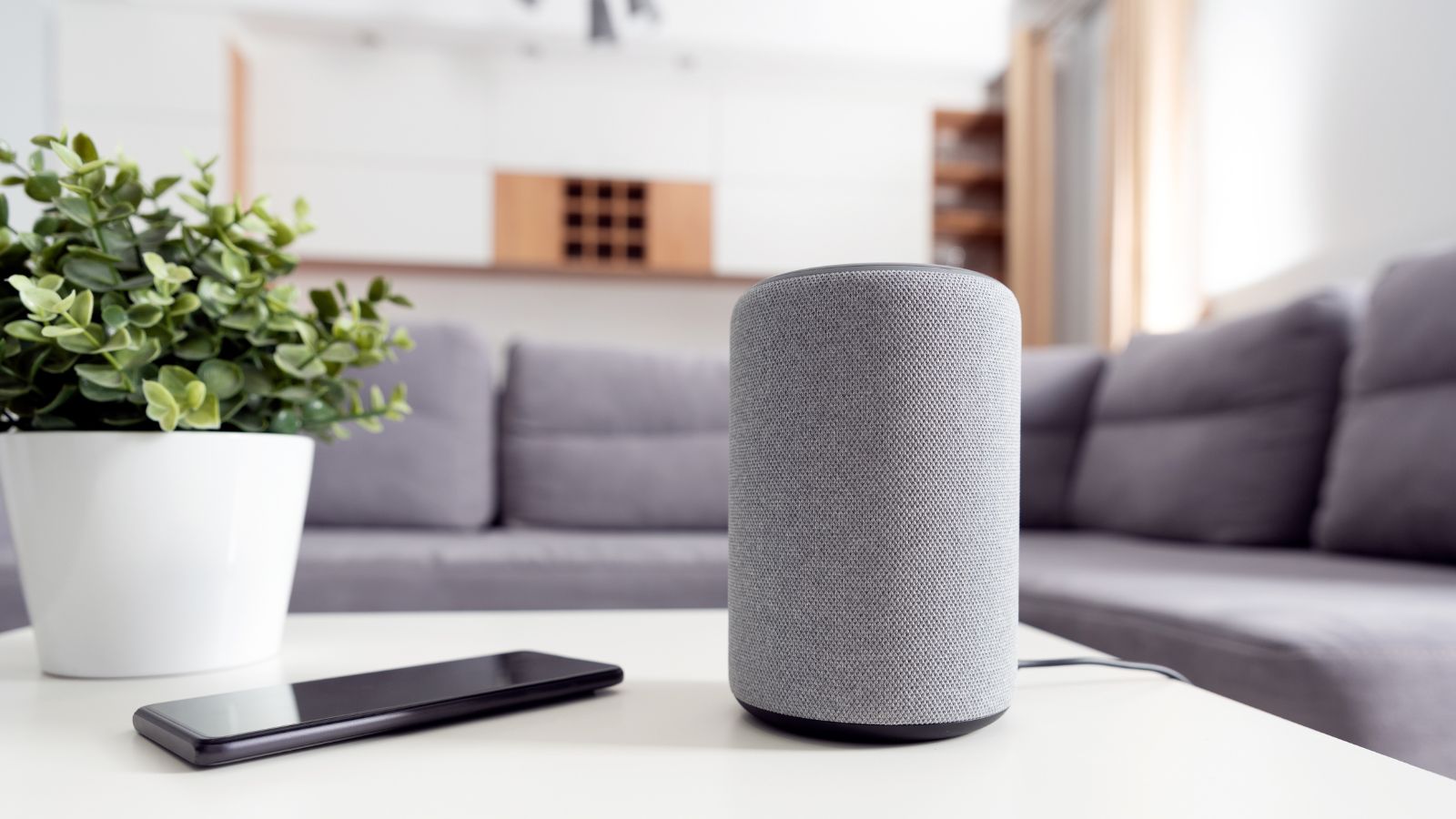
Let’s face it, smart tech is everywhere, however, it comes with a hidden cost. Devices like Alexa, Google Home, and smart plugs are always ‘awake,’ waiting for your voice or commands. That means they’re constantly using energy, even when nothing is happening. These little devices often go unnoticed, but they’re always working.
Coffee Makers
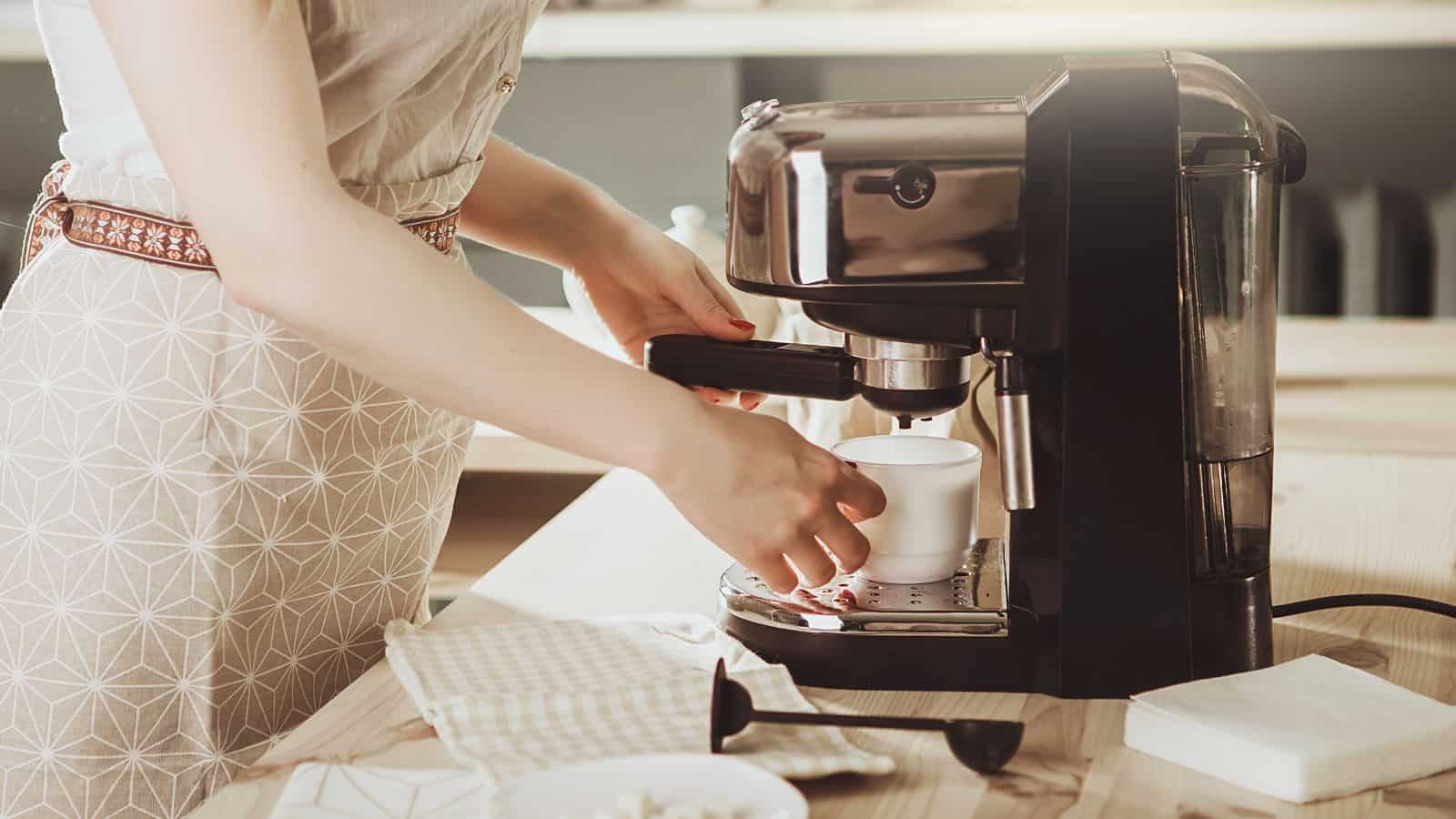
Okay, so coffee is essential, but those machines can quietly suck up energy when you’re not looking. Many coffee makers now come with built-in timers, clocks, and warming plates that stay on for hours. Even after you’ve poured your last cup, the machine could be using energy just to keep the pot warm.
Dishwashers

Here’s a quick tip, not all dishwasher settings are created equal. A lot of people don’t realize that it’s the drying cycle that uses the most electricity. The heat it takes to dry your dishes can double the energy use of a regular wash. If your dishwasher has an air-dry or energy-saving option, it’s worth using.
Electric Stoves and Ovens
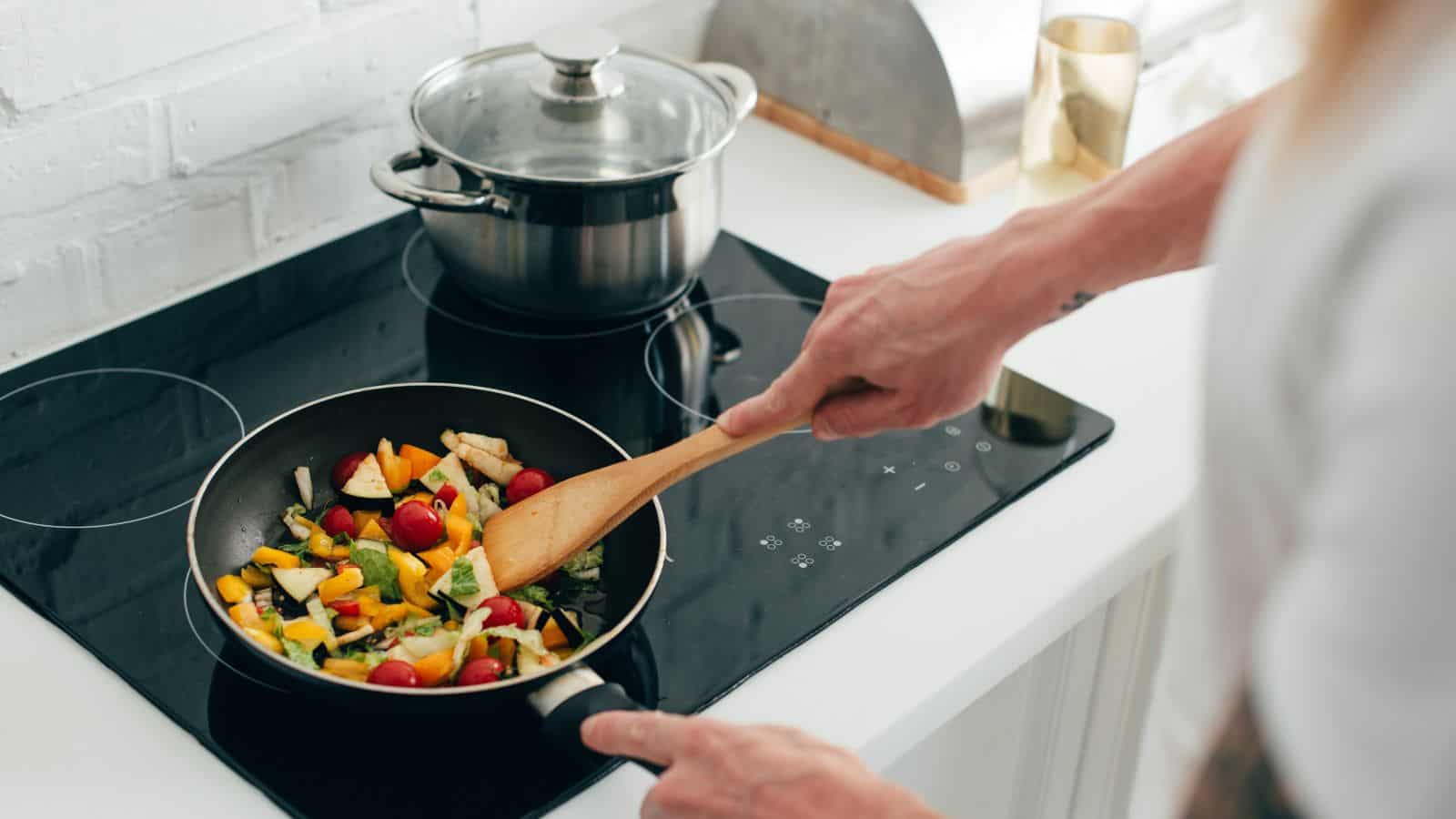
Now, this one’s a biggie for anyone who cooks at home a lot. Electric stoves and ovens pull a lot of power, especially during longer cooking times or high heat settings. Even something as simple as preheating the oven too early or leaving it on longer than needed can waste energy.
Washing Machines
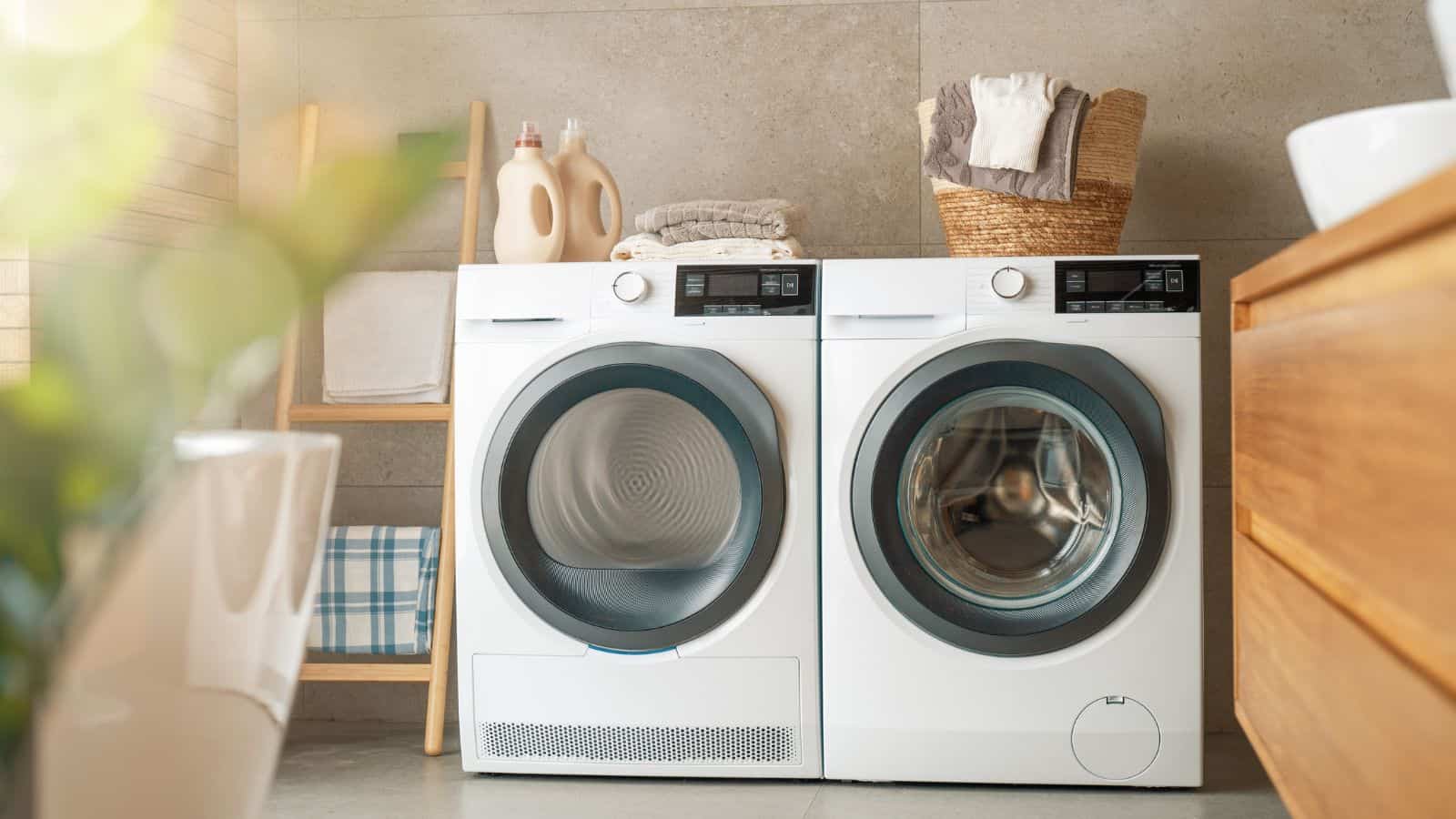
Don’t overlook this one, as washing machines can really add up when used the wrong way. Hot water cycles, for example, use a lot more energy because the water has to be heated up before the wash even begins.
If you wait until you have a full load, your washer will run fewer cycles throughout the week. It’s small habits like these that keep your bills under control without much effort.
Chargers Left Plugged In
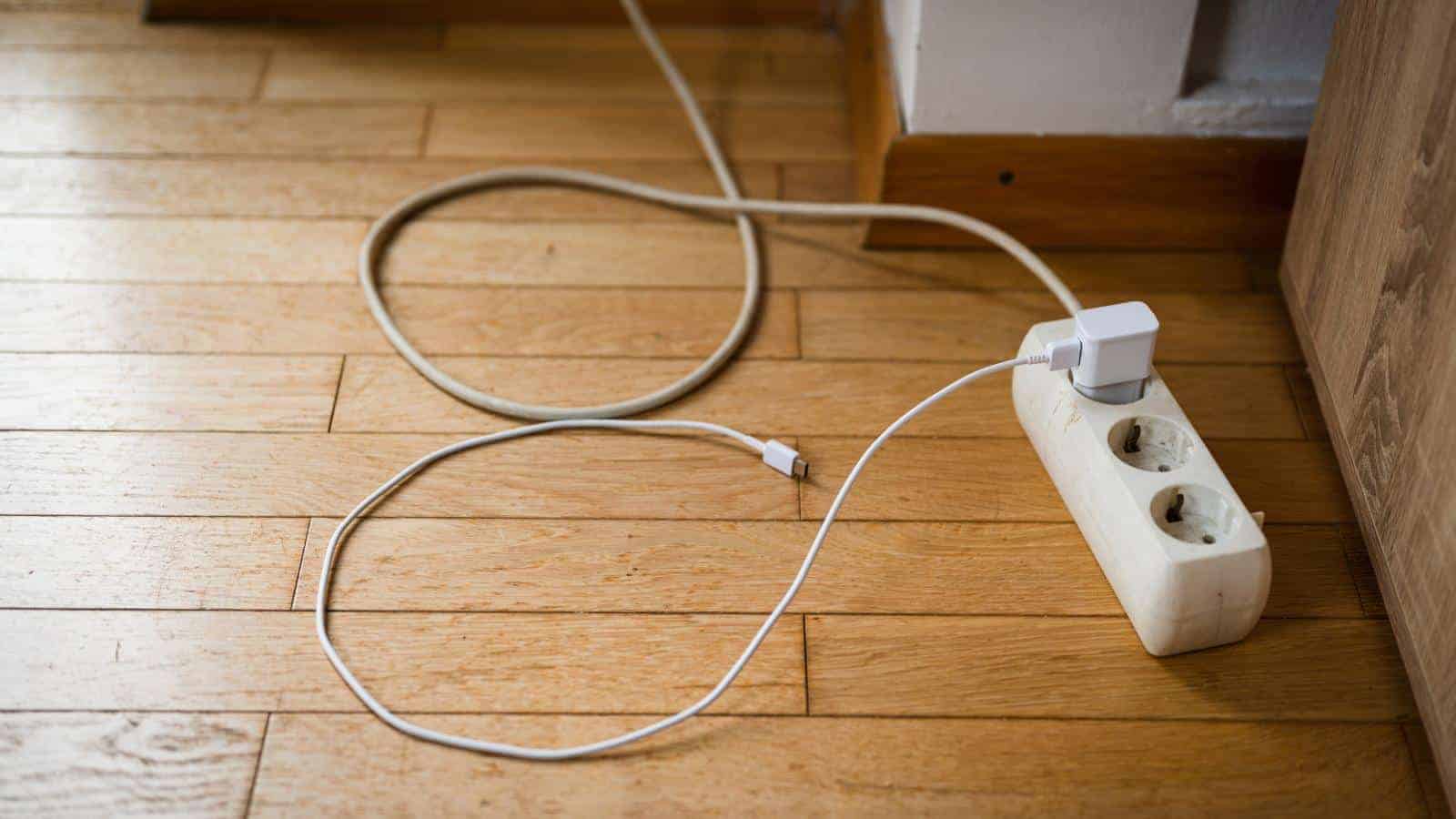
When you think about it, chargers are low-key power vampires. It might seem harmless to leave phone or laptop chargers plugged into the wall, but even when they’re not charging anything, they’re still drawing electricity. It’s not a huge amount individually, but in most homes, there are half a dozen chargers plugged in all the time.
Lighting (Especially Incandescent Bulbs)
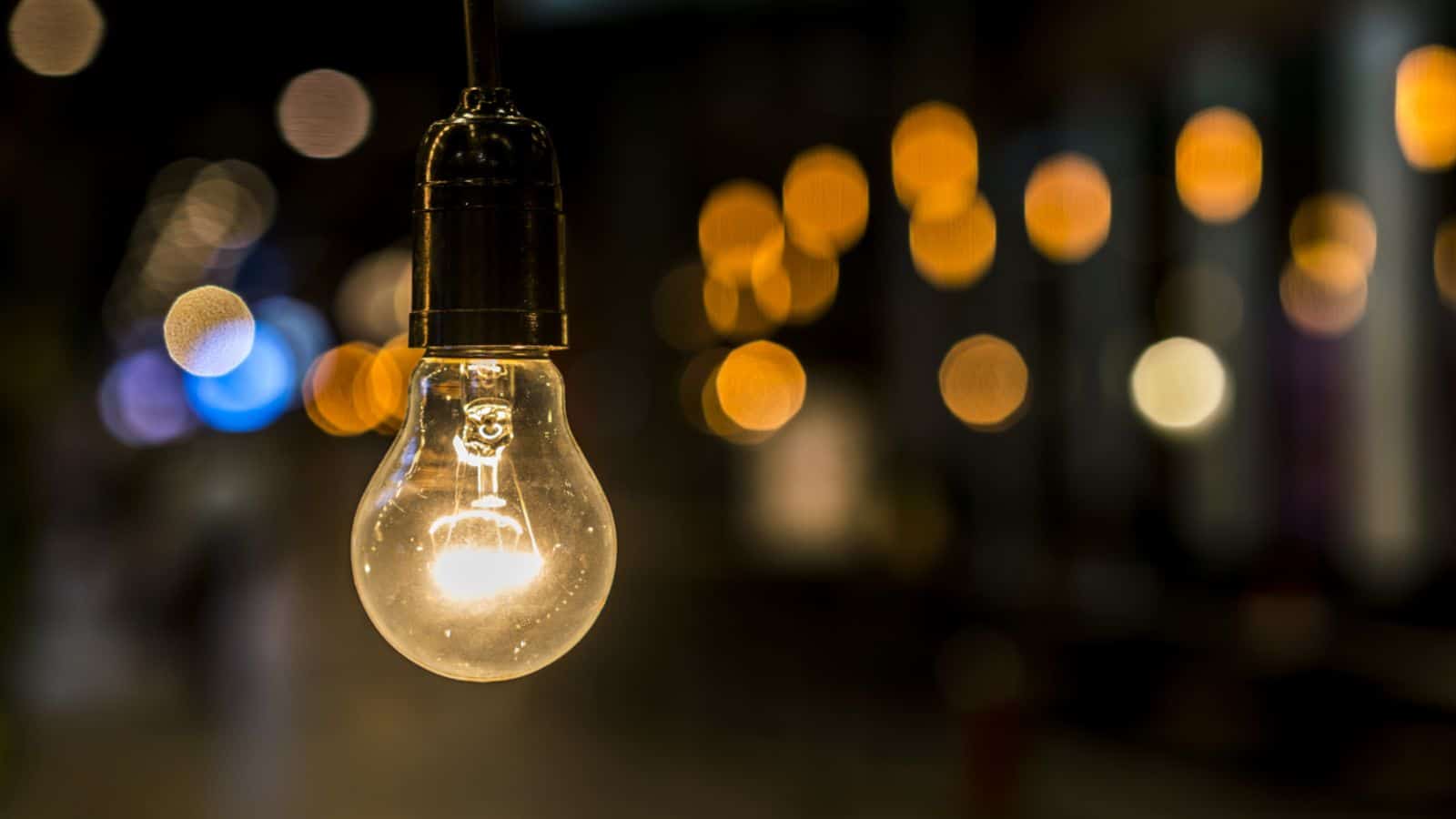
On a final note, we have lighting because it matters more than you think. Older-style incandescent bulbs use way more power than modern LEDs. If you still have these bulbs in your home, especially in fixtures that are on for hours every day, they could be costing you a lot over time.
UP NEXT:
Millennials Don’t Want These 17 Products, and It’s Impacting Businesses
Restaurant Rip-Offs: 17 Menu Items That Are Never Worth Ordering
16 Things You’re Donating to Charities That They’re Actually Throwing Away
This article includes content generated by AI.