
You don’t need to hire an expensive interior designer to avoid common decorating pitfalls – though many would argue it helps. The truth is, even the coziest homes can suffer from simple décor mistakes that totally throw off the vibe.
We’re talking about the kind of mistakes that instantly catch a designer’s eye: and not in a good way. Steering clear of these 14 decorating errors can make a big difference.
Hanging Art Too High

Nothing throws off a room like artwork floating awkwardly near the ceiling. It might seem like going higher makes a wall look taller, but it actually does the opposite. Most designers agree that art should be hung at eye level – around 57 to 60 inches from the floor to the center of the piece.
Placing art too high disconnects it from furniture and makes a space feel off-balance.
Keeping Furniture Pushed Against the Walls

A lot of people push furniture up against every wall to make a room feel bigger. But when everything is lined up like a waiting room, it can make a space feel awkward and stiff.
Pulling furniture inward, even just a few inches, creates a sense of flow and makes the room feel more inviting. It gives the illusion of space, which makes the room feel more open.
Ignoring Lighting Layers

Good lighting has layers: ambient, task, and accent. A single ceiling fixture casts shadows and makes everything feel flat. Table lamps, floor lamps, sconces, or even string lights can add warmth and depth. Think of lighting like makeup: using just one product doesn’t do the trick.
Choosing the Wrong Rug Size

An area rug that’s too small will make any room feel unfinished. Rugs should anchor the furniture, not float awkwardly in the middle of the floor. In living rooms, at least the front legs of your seating should sit on the rug.
Bedrooms need rugs that extend well beyond the bed, not tiny ones that barely peek out. Going a size up can completely add comfort and proportion.
Going Overboard with Matching Sets

It might feel safe to buy a matching living room or bedroom set, but a uniform look can fall flat fast. Rooms that rely too much on coordinated pieces end up looking like showroom floors rather than lived-in spaces. Mixing styles, colors, and materials give a room personality and depth.
Using Too Many Small Décor Items
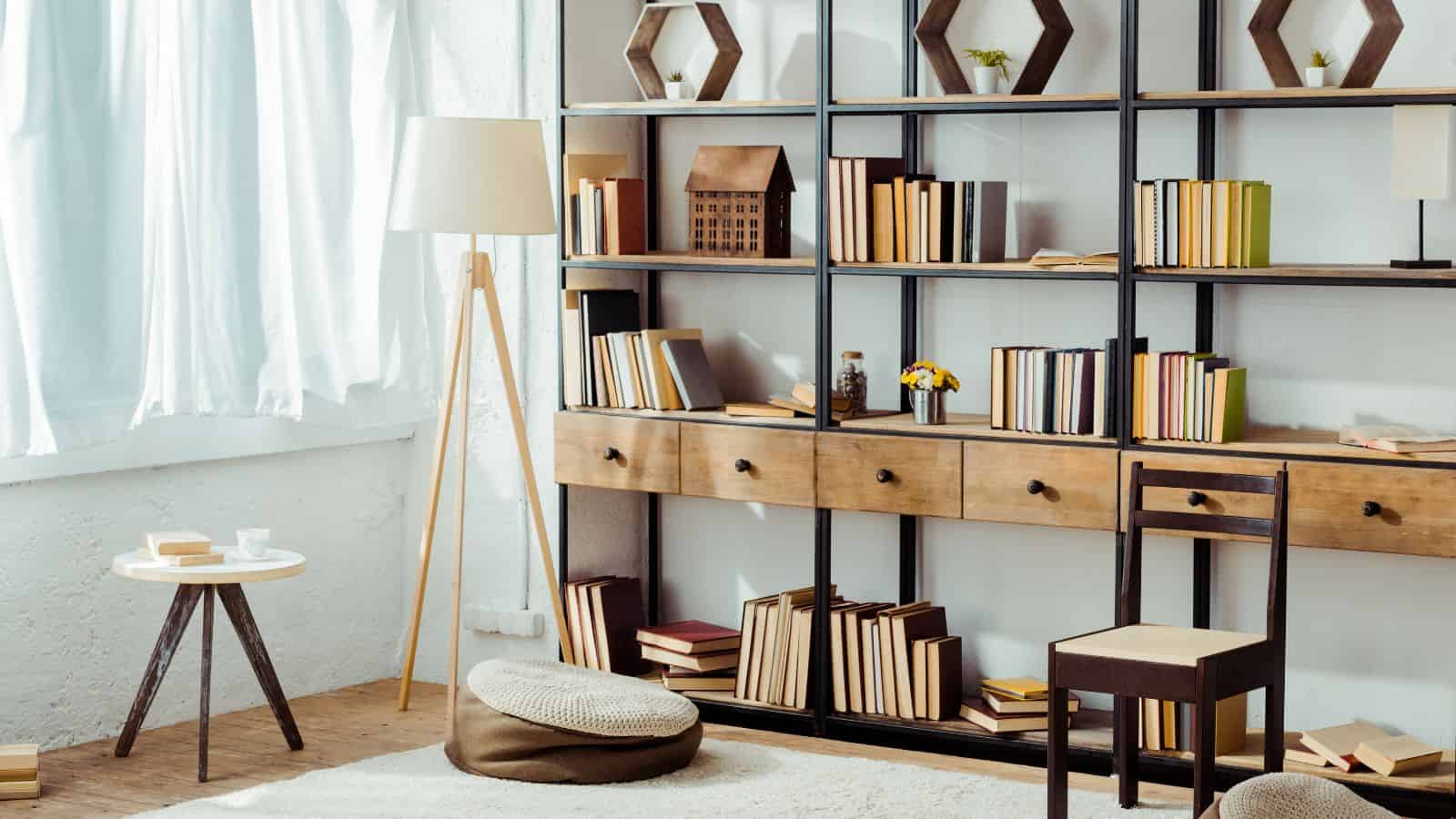
Filling every surface with knickknacks turns a home into a clutter zone. Small décor items have their place, but too many make a space feel over-busy. Designers prefer a mix of large, medium, and small accents to create balance. It’s not about throwing everything away; just curating more thoughtfully.
One statement piece has more impact than ten little ones crammed together with no breathing room.
Forgetting to Measure Before Buying
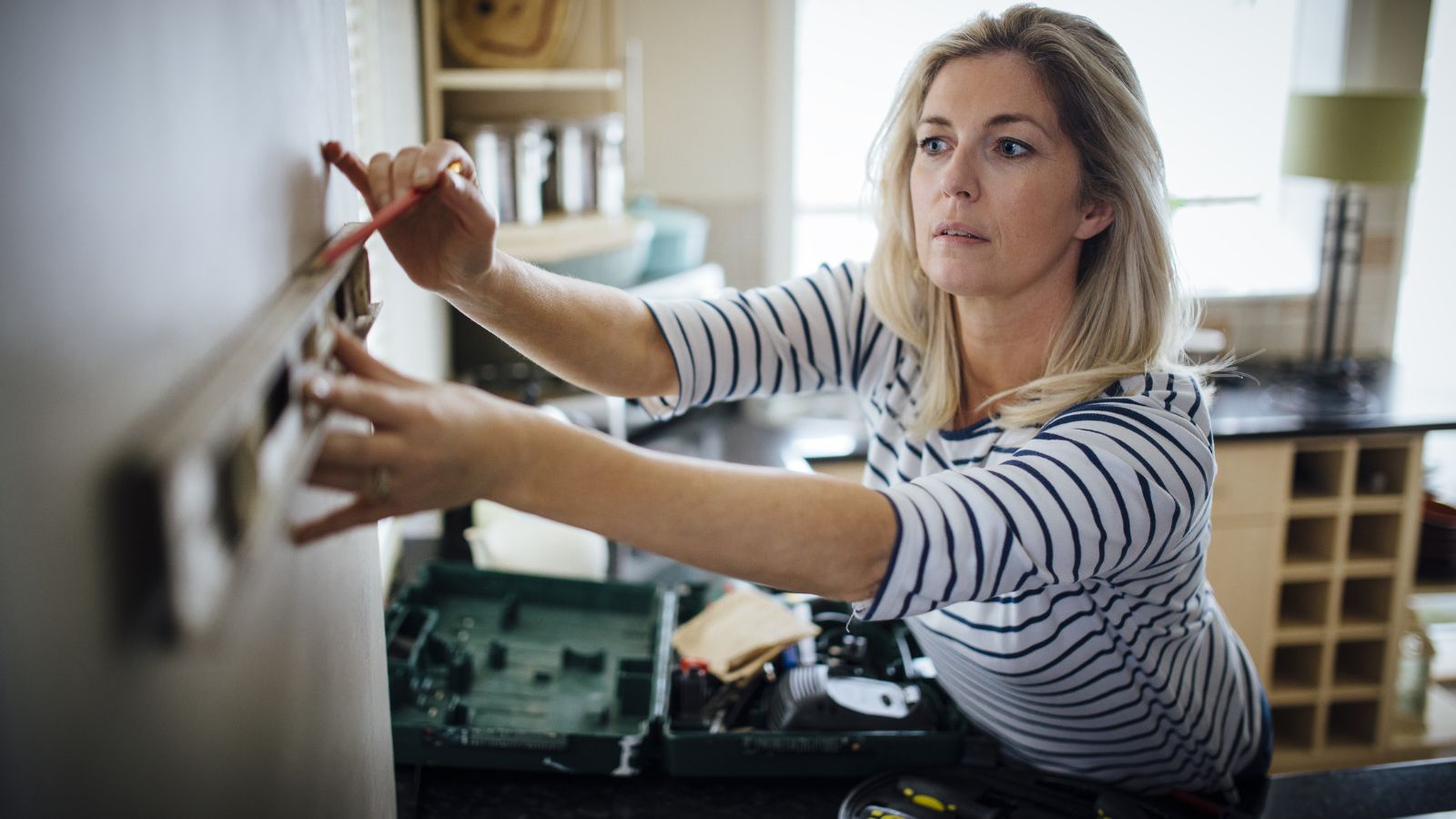
Impulse buys are fun until you get the new sofa home and realize it doesn’t fit through the door. A common mistake is skipping the measuring tape and hoping everything will just work out. Even if something technically fits in the room, that doesn’t mean it fits the space well. Oversized furniture in a small room – or the reverse – will mess with proportion and function.
Sticking to One Color Tone
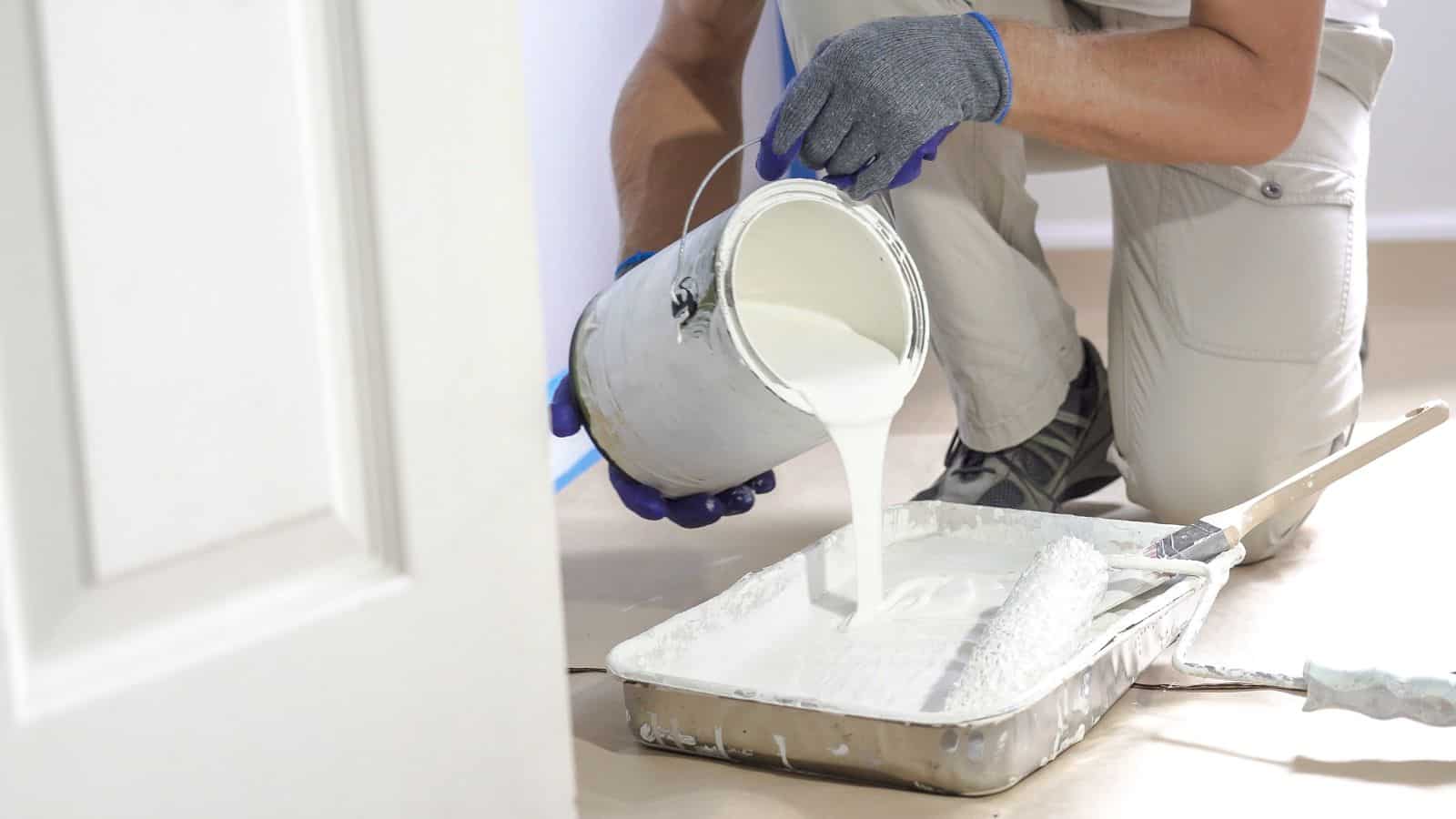
Color can be tricky, especially when you try to play it safe by choosing just one tone throughout the entire space. A room done entirely in grays or beiges may look sleek at first, but after a while, it starts to feel lifeless. Without contrast or warmth, monochromatic rooms will feel sterile.
Neglecting the Ceiling

Don’t forget the ceiling exists when decorating – that blank fifth wall holds a lot of potential. Leaving it plain white every time is one of those subtle mistakes that can make a room feel incomplete.
A simple coat of a soft, contrasting shade can make ceilings feel higher and spaces feel more pulled together. Sometimes, wallpaper or wood paneling can add serious charm.
Going Heavy on Trends

It’s tempting to jump on whatever’s hot in home décor, whether it’s millennial pink everything or ultra-modern curved furniture. The problem is, trends change fast. Designing your entire space around the trend of the moment will leave your home feeling dated in no time. A better move is to sprinkle in trendy pieces as accents while keeping the main elements, like your sofa, bed, or dining table, more timeless.
Skipping Personal Touches

Some homes are so perfectly styled that they end up feeling as impersonal as a hotel lobby. It’s one thing to follow design rules, but forgetting to add elements that reflect your personality makes a space fall flat – like family photos, travel souvenirs, or your favorite books.
Don’t be afraid to mix in items that tell your story. It’s what separates a house from a home.
Ignoring Window Treatments
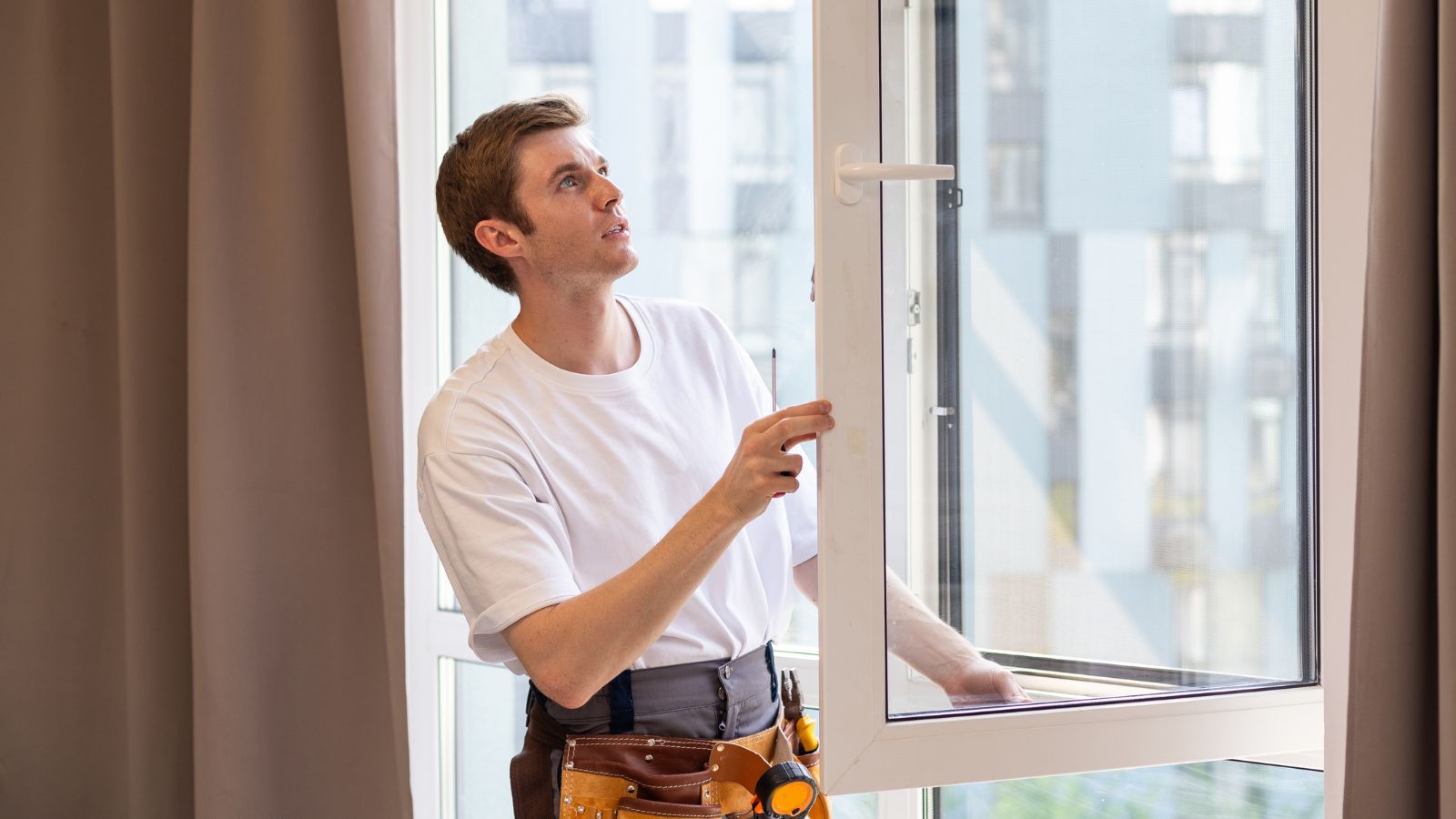
Bare windows might seem sleek or modern, but they often make a room feel cold and unfinished. Curtains, blinds, or shades soften a room and add texture. Even inexpensive panels can dramatically change the vibe of a space.
Overcrowding the Space

Sometimes, it’s better to let a room breathe. Too much furniture or décor in one area makes everything feel cramped and uncomfortable, even if the individual pieces are beautiful. Leaving some blank space lets your eyes rest and gives the important pieces room to shine.
Think of it like editing a photo: you don’t need to include everything for the picture to look good, just the right things.
Not Considering Scale
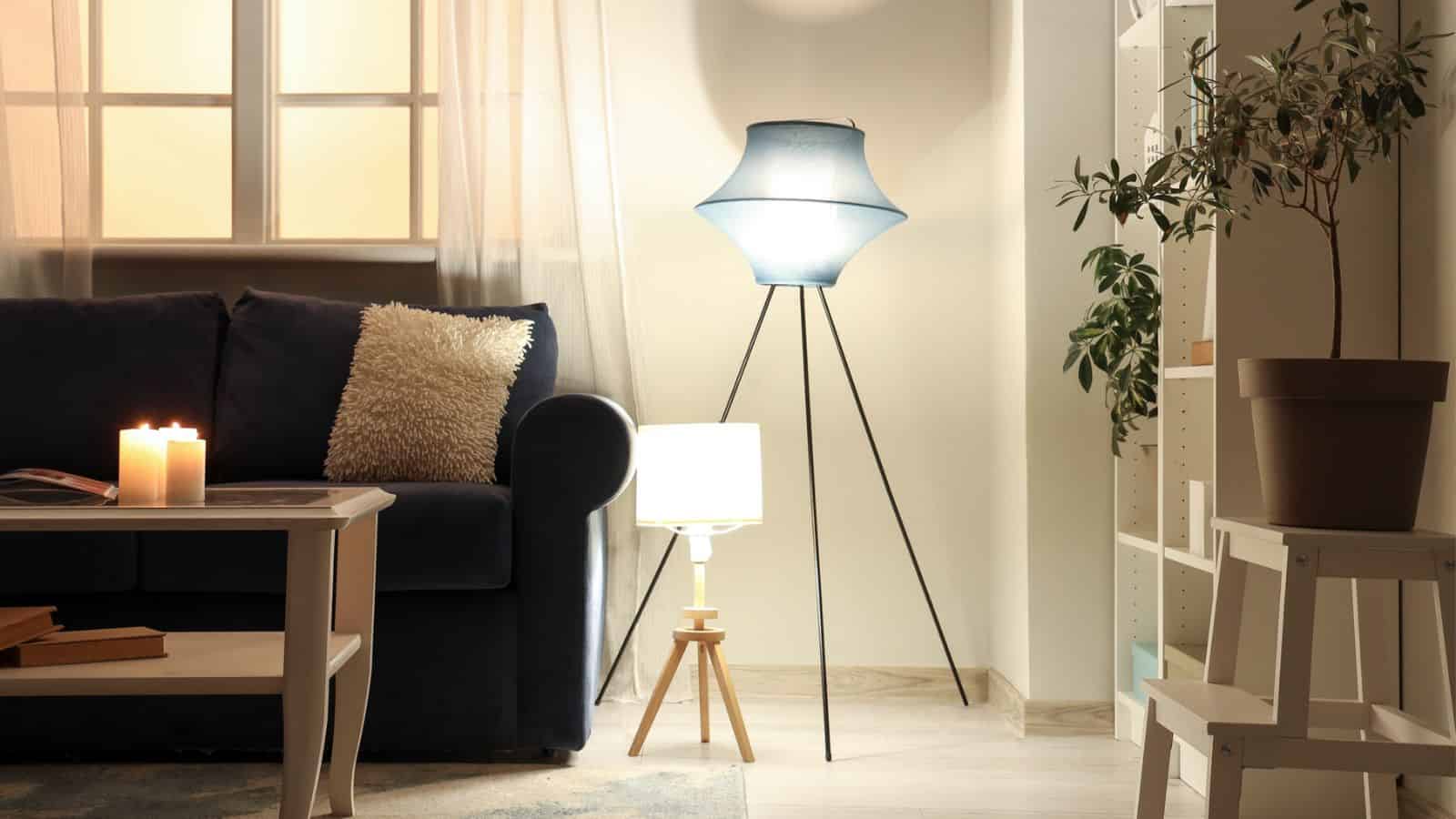
The most stylish items will look awkward if they’re the wrong scale for a room. A tiny lamp on a giant nightstand or an oversized clock on a narrow wall throws everything off. Getting the proportions right helps everything feel balanced and harmonious.
It’s not just about size, but about how pieces relate to one another. Before buying, think about how the item will fit visually within the space.